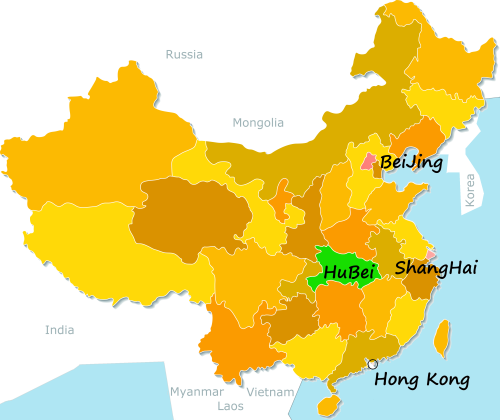
HuBei map
Live more ...
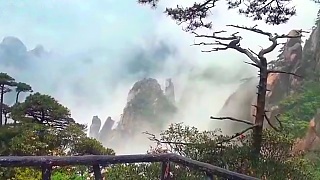
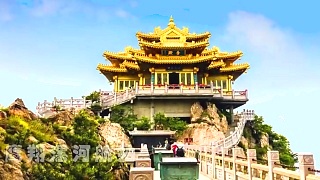
 WuDang Mountain 武当山, HuBei province, home of Taoism and WuShu

|
The city in HuBei province and its people after the coronavirus.
|
|
The people, architecture, language and culture here reflects the Shan, Dai and Tai ethnic minorities, with similarities to the neighboring Thai (Thailand) and Lao (Laos) people.
|
|
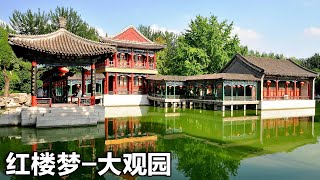
Grand View Garden (DaGuanYuan) is a large imperial style garden; a recreation of the famous garden described in the classic Chinese novel "Dream of the Red Chamber" (also known as "A Dream of Red Mansions" or "The Story of the Stone"), written by Cao Xueqin during the Qing dynasty.
The construction of Grand View Garden began in 1984 and was completed in 1986. It covers an area of about 12 hectares (30 acres) and is designed to resemble the garden as described in the novel, with pavilions, corridors, artificial hills, ponds, and lush vegetation.
Visitors to Grand View Garden can explore various scenic spots and cultural attractions that are inspired by the characters and events from "Dream of the Red Chamber." Some of the highlights include:
Grand View Tower (Daguanyuanlou): This central pavilion serves as the main entrance to the garden and offers panoramic views of the surrounding landscape. It is a popular spot for visitors to take photos and admire the scenery.
Baochai Hall (Baochaifang): Named after one of the principal characters in the novel, Baochai Hall is a traditional Chinese-style building where visitors can learn about the life and culture of the Qing dynasty elite.
Jia Baoyu's Room (Jiabaojuyuan): This recreation of the protagonist's living quarters gives visitors a glimpse into the daily life of the fictional Jia family. The room is furnished with antique furniture and decorations reminiscent of the Qing dynasty.
Peach Blossom Island (Taoyuandong): Inspired by the idyllic setting described in the novel, Peach Blossom Island features winding paths, lush vegetation, and a tranquil pond surrounded by peach trees. It is a peaceful retreat within the garden where visitors can relax and enjoy nature.
The Eighteen Scenes of the Grand View Garden: These scenic spots are based on the poetic descriptions found in "Dream of the Red Chamber" and include attractions such as the Lotus Fragrance Pavilion, the Mountain of Toads, and the Three Wisdoms Hall.
In addition to its historical and cultural significance, Grand View Garden also hosts various cultural events, performances, and exhibitions throughout the year, including traditional Chinese opera performances, calligraphy demonstrations, and art exhibitions.
Overall, Grand View Garden offers visitors a unique opportunity to immerse themselves in the world of "Dream of the Red Chamber" and experience the beauty and elegance of traditional Chinese garden design. It is a popular destination for both tourists and locals alike, providing a tranquil escape from the bustling city of Beijing.
|

|

|
吉岛少儿合唱团翻唱周深《亲爱的旅人啊》
阿卡贝拉版《好想爱这个世界啊》By 醒耳人声乐团(华晨宇 Cover)
Tears in the sand 哭砂 吉他弹唱 - MiuMiu, aged 4
you are my bitterest waiting,
making me long for and fear the future
you used to say you are a dust,
that would sometimes get into my eyes playfully.
rather leaving me cry,
than letting me love you,
you disappeared in the wind just like a dust.
you are my most painful choice,
why won't you stop wandering alone
the sea to you are inseparable,
you always brought a pocketful of sand to me.
at last coming to see me,
but then leaving me again
the sand dripping out of my hands like flowing tears
the sand brought by the wind,
settles in my sorrowful eyes,
anyone could tell i'm waiting for you.
the sand brought by the wind,
piles in my mind,
is an impression no one could erase
the sand brought by the wind,
passes thru all memories,
everyone knows i miss you.
the sand brought by the wind,
weeps in gloom,
was our separation destined?
|
|
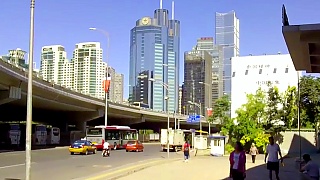
TianAnMen Square and to the east along Chang'An Avenue, near the new CCTV complex and the CBD
|
|

|
With Redacted ...
With Brian Berletic, Angelo Giuliano and Danny HaiPhong ...
With Reportify Media and George Galloway ...
|
|
Looking for Chinese culture, life-stories, and cultural news from around China ? Check out our new China Icons page, automatically updated with the latest films from the highly regarded China Icons team.
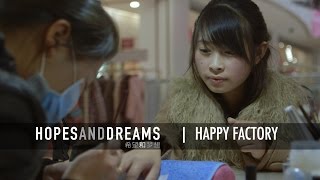
We dipped into the archives to present a selection of films from 2016, starting with 'Hopes and Dreams - China's migrant factory workers' ...
The China Icons page - bookmark or find the link in the sidebar.
|