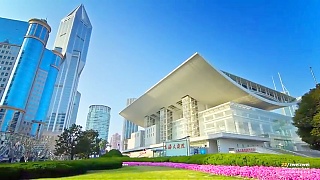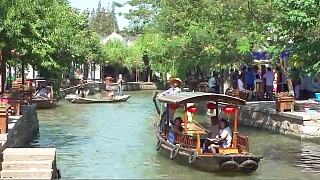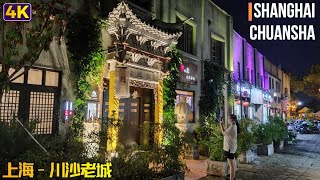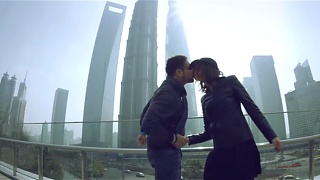
50 places to visit in ShangHai

ShangHai: 20 Kid-Friendly Places to Visit

  1. Shanghai Disneyland (上海迪士尼乐园 Shànghǎi Díshìní Lèyuán): Enjoy magical attractions and meet Disney characters at this theme park.
  2. Ocean Aquarium (上海海洋水族馆 Shànghǎi Hǎiyáng Shuǐzúguǎn): Explore marine life exhibits and interactive displays.
  3. Century Park (世纪公园 Shìjì Gōngyuán): Relax in green spaces and enjoy boating on the lake in this expansive park.
  4. Shanghai Natural History Museum (上海自然博物馆 Shànghǎi Zìrán Bówùguǎn): Learn about dinosaurs, fossils, and natural history.
  5. Shanghai Science and Technology Museum (上海科技馆 Shànghǎi Kējìguǎn): Discover interactive exhibits on science and technology.
  6. Shanghai Zoo (上海动物园 Shànghǎi Dòngwùyuán): Visit pandas, monkeys, and other animals in this popular zoo.
  7. Shanghai Children's Museum (上海儿童博物馆 Shànghǎi Értóng Bówùguǎn): Interactive museum with exhibits designed for children.
  8. Happy Valley Shanghai (上海欢乐谷 Shànghǎi Huānlègǔ): Amusement park with thrilling rides and entertainment.
  9. Shanghai Ocean Aquarium (上海海洋水族馆 Shànghǎi Hǎiyáng Shuǐzúguǎn): Explore marine life exhibits and interactive displays.
  10. Shanghai Changfeng Ocean World (上海长风海洋世界 Shànghǎi Chángfēng Hǎiyáng Shìjiè): Enjoy a variety of aquatic attractions and shows.
  11. Shanghai Botanical Garden (上海植物园 Shànghǎi Zhíwùyuán): Explore diverse plant collections and enjoy outdoor activities.
  12. Shanghai Circus World (上海马戏城 Shànghǎi Mǎxì Chéng): Watch acrobatic performances and circus acts.
  13. Shanghai Disney Store (上海迪士尼商店 Shànghǎi Díshìní Shāngdiàn): Shop for Disney merchandise and souvenirs.
  14. Shanghai Natural Wild-Insect Kingdom (上海自然野生昆虫馆 Shànghǎi Zìrán Yěshēng Kūnchóngguǎn): Learn about insects and their habitats.
  15. Shanghai Haichang Ocean Park (上海海昌海洋公园 Shànghǎi Hǎichāng Hǎiyáng Gōngyuán): Enjoy marine-themed attractions and shows.
  16. Shanghai Madame Tussauds (上海杜莎夫人蜡像馆 Shànghǎi Dùshā Fūrén Làxiàngguǎn): Pose with lifelike wax figures of celebrities.
  17. Shanghai Happy Valley (上海欢乐谷 Shànghǎi Huānlègǔ): Amusement park with thrilling rides and entertainment.
  18. Shanghai Film Park (上海电影公园 Shànghǎi Diànyǐng Gōngyuán): Explore film sets and learn about movie production.
  19. Shanghai Changfeng Park (上海长风公园 Shànghǎi Chángfēng Gōngyuán): Enjoy green spaces and outdoor activities.
  20. Shanghai Changfeng Ocean World (上海长风海洋世界 Shànghǎi Chángfēng Hǎiyáng Shìjiè): Enjoy a variety of aquatic attractions and shows.

ShangHai: 30 More Places to Visit

  1. The Bund (外滩 Wàitān): Enjoy iconic skyline views and colonial architecture along the Huangpu River.
  2. Yu Garden (豫园 Yù Yuán): Explore classical Chinese gardens and traditional architecture.
  3. Shanghai Tower (上海中心大厦 Shànghǎi Zhōngxīn Dàshà): Visit one of the tallest buildings in the world for breathtaking views.
  4. Nanjing Road (南京路 Nánjīng Lù): Shop for souvenirs, fashion, and electronics on this bustling shopping street.
  5. Jin Mao Tower (金茂大厦 Jīn Mào Dàshà): Visit this skyscraper for observation decks and a luxurious hotel.
  6. Shanghai World Financial Center (上海环球金融中心 Shànghǎi Huánqiú Jīnróng Zhōngxīn): Enjoy panoramic views from the Skywalk Observatory.
  7. Shanghai Museum (上海博物馆 Shànghǎi Bówùguǎn): Explore Chinese art and artifacts in this renowned museum.
  8. Tianzifang (田子坊 Tiánzǐ Fāng): Wander through narrow alleys filled with shops, galleries, and cafes.
  9. Power Station of Art (上海当代艺术博物馆 Shànghǎi Dāngdài Yìshù Bówùguǎn): Explore contemporary art exhibitions in a former power station.
  10. Shanghai Urban Planning Exhibition Center (上海城市规划展示馆 Shànghǎi Chéngshì Guīhuà Zhǎnshì Guǎn): Learn about the development of Shanghai through interactive exhibits.
  11. Shanghai French Concession (上海法租界 Shànghǎi Fǎ Zūjiè): Explore leafy streets, historic buildings, and trendy boutiques.
  12. Longhua Temple (龙华寺 Lónghuá Sì): Visit one of the oldest and largest Buddhist temples in Shanghai.
  13. Zhujiajiao Water Town (朱家角 Zhūjiājiǎo): Explore ancient canals, bridges, and traditional architecture in this historic water town.
  14. Xintiandi (新天地 Xīntiāndì): Shop, dine, and explore entertainment venues in this renovated historic area.
  15. Huangpu River Cruise (黄浦江游船 Huángpǔ Jiāng Yóuchuán): Enjoy scenic views of Shanghai's skyline from the river.
  16. Shanghai Tower (上海中心大厦 Shànghǎi Zhōngxīn Dàshà): Visit one of the tallest buildings in the world for breathtaking views.
  17. Nanjing Road (南京路 Nánjīng Lù): Shop for souvenirs, fashion, and electronics on this bustling shopping street.
  18. Jin Mao Tower (金茂大厦 Jīn Mào Dàshà): Visit this skyscraper for observation decks and a luxurious hotel.
  19. Shanghai World Financial Center (上海环球金融中心 Shànghǎi Huánqiú Jīnróng Zhōngxīn): Enjoy panoramic views from the Skywalk Observatory.
  20. Shanghai Museum (上海博物馆 Shànghǎi Bówùguǎn): Explore Chinese art and artifacts in this renowned museum.
  21. Tianzifang (田子坊 Tiánzǐ Fāng): Wander through narrow alleys filled with shops, galleries, and cafes.
  22. Power Station of Art (上海当代艺术博物馆 Shànghǎi Dāngdài Yìshù Bówùguǎn): Explore contemporary art exhibitions in a former power station.
  23. Shanghai Urban Planning Exhibition Center (上海城市规划展示馆 Shànghǎi Chéngshì Guīhuà Zhǎnshì Guǎn): Learn about the development of Shanghai through interactive exhibits.
  24. Shanghai French Concession (上海法租界 Shànghǎi Fǎ Zūjiè): Explore leafy streets, historic buildings, and trendy boutiques.
  25. Longhua Temple (龙华寺 Lónghuá Sì): Visit one of the oldest and largest Buddhist temples in Shanghai.
  26. Zhujiajiao Water Town (朱家角 Zhūjiājiǎo): Explore ancient canals, bridges, and traditional architecture in this historic water town.
  27. Xintiandi (新天地 Xīntiāndì): Shop, dine, and explore entertainment venues in this renovated historic area.
  28. Huangpu River Cruise (黄浦江游船 Huángpǔ Jiāng Yóuchuán): Enjoy scenic views of Shanghai's skyline from the river.

Shanghai is one of China's most dynamic and cosmopolitan cities, blending a rich history with modern skyscrapers and vibrant culture. Here's what you need to know as a tourist visiting Shanghai:

Historical and Cultural Landmarks:
The Bund: This iconic waterfront promenade along the Huangpu River features colonial-era buildings on one side and futuristic skyscrapers on the other, offering stunning views of Shanghai's skyline.

Yu Garden: Dating back to the Ming dynasty, Yu Garden is a classical Chinese garden with pavilions, ponds, and rockeries. The nearby Yu Garden Bazaar is a great place to shop for souvenirs and traditional crafts.

Shanghai Museum: Home to an extensive collection of Chinese art and artifacts, including bronzes, ceramics, paintings, and calligraphy, the Shanghai Museum is a must-visit for history and art enthusiasts.

Jing'an Temple: One of Shanghai's most famous Buddhist temples, Jing'an Temple is known for its beautiful architecture, peaceful atmosphere, and towering golden Buddha statue.

Modern Attractions:
Shanghai Tower: Ascend to the observation deck of this iconic skyscraper, the tallest in China and the second-tallest in the world, for panoramic views of the city.

The Oriental Pearl TV Tower: Another iconic landmark, this futuristic tower offers observation decks, a glass-bottomed skywalk, and a revolving restaurant.

Shanghai Disneyland: Located in the Pudong district, Shanghai Disneyland offers a magical experience for visitors of all ages with its themed lands, attractions, and entertainment.

Shopping and Entertainment:
Nanjing Road: One of the world's busiest shopping streets, Nanjing Road is lined with department stores, boutiques, and restaurants. Don't miss the nearby pedestrian-friendly Nanjing Road East, known for its lively atmosphere and street performers.

Xintiandi: This upscale shopping, dining, and entertainment district features a mix of traditional Shikumen-style buildings and modern amenities, making it a popular destination for locals and tourists alike.

French Concession: Explore this historic neighborhood known for its tree-lined streets, charming cafes, boutiques, and art galleries.

Culinary Delights:
Shanghai Cuisine: Sample local specialties such as xiaolongbao (soup dumplings), shengjianbao (pan-fried dumplings), and Shanghai-style noodles.

Street Food: Wander through the city's bustling food markets and snack streets to taste a variety of street foods, from savory pancakes to grilled skewers.

Practical Tips:
Transportation: Shanghai has an efficient public transportation system, including the subway, buses, and taxis. Consider purchasing a rechargeable transportation card for convenience.

Language: While Mandarin is the official language, English is widely spoken in tourist areas, hotels, and restaurants.

Weather: Shanghai experiences four distinct seasons, with hot, humid summers and chilly winters. The best times to visit are spring (March to May) and autumn (September to November) when the weather is mild and comfortable.

Etiquette: Respect local customs and traditions, such as using polite language and avoiding loud behavior in public places.

Shanghai offers a captivating blend of old and new, with its historic landmarks, modern skyscrapers, vibrant culture, and delectable cuisine. Whether you're interested in history, architecture, shopping, or dining, Shanghai has something to offer every type of visitor.
Related Videos


Featured Videos

Something different – more about narcissism (psychology)
At root, narcissism ('life is all about me') is self-loathing projected onto someone else (the scapegoat, who might be driven to death - through illness, madness, suicide; let's call it what it is - emotional torture; in contrast, all others are shown a completely opposite, OTT, 'lovely' persona; and many will be deceived by this). Narcissism is very destructive; and not often recognized. This is not a rare thing; it could well be 1 in 5 people. Don't miss this; Dr. Ramani is awesome. Ramani Durvasula in conversation with Lewis Howes ... Narcissistic fathers and the damage they do to their children ... Narcissistic mothers and the damage they do to their children ... Narcissism and society ... On how a narcissist will try to destroy you ... Is your depression a symptom of being in a narcissistic relationship? Relationships need some work, including self-reflection; but they shouldn't be hard work - that's a sign it might never work out; if one feels a need to be treading on egg shells, that's confirmation it is doomed. Real relationships are based on mutual respect, flexibility and compassion (unconditional love - no ifs or buts)*; narcissists have none of these attributes. In a time of stress, does the other stay positive and chip in, or start a blame game? Things like this are the signs to look out for. Does the other help you reach your dreams, or belittle you ? Are they present in the moment or in their own little bubble ? A narcissist can't stand your success or happiness. Psychopathologies are all about distortions between reality and self, between inner self and behavior. When there is the absence of such distortions - masks, projections, defense mechanisms, etc., there is authenticity. That's going from acting, to really living. * without needing that person, or allowing oneself to be walked upon. One must be at least somewhat authentic / love oneself first; not trying to complete oneself, etc.
Health deep dive (1 / 2) – what is cancer ?
With Jason Fung ...
Hiking Tiger Leaping Gorge-ous 虎跳峡, YunNan province
Join Tim and Glo at the world's deepest river gorge. Count on two days for this hike, with a stay at a half-way guest house (book ahead). Tiger Leaping Gorge, HǔTiào Xiá, lies about 100 kilometers (62 miles) north-west of LiJiang and is also 'near' Jade Dragon Snow Mountain (YuLong XueShan) and ShangRi-La (XiangGeLiLa; real name : Zuong DiAn). Wonderful, beautiful place, awesome video ...
20 places to visit in and around GuiLin and YangShuo, GuangXi province
GuiLin Attractions Guilin Seven Star Park (七星公园) - Qīxīng Gōngyuán Description: Guilin Seven Star Park is one of the city's most popular attractions, offering a blend of natural scenery, cultural landmarks, and family-friendly activities. Named after its seven karst peaks resembling the pattern of the Big Dipper constellation, the park features lush greenery, limestone caves, and scenic spots that attract visitors of all ages. Attractions and Activities: Li River (漓江) - Lí Jiāng: Take a scenic cruise or bamboo rafting trip along the Li River to admire Guilin's breathtaking karst landscapes, limestone peaks, and picturesque villages. Xianggong Mountain (相公山) - Xiānggōng Shān: Hike to the top of Xianggong Mountain for stunning panoramic views of the Li River winding through the karst mountains. This popular photography spot offers spectacular sunrise and sunset vistas. Diecai Hill (叠彩山) - Diécǎi Shān: Explore Diecai Hill's scenic parkland, pavilions, and caves adorned with colorful rock formations. The hill offers hiking trails, viewpoints, and opportunities for cultural exploration amidst Guilin's natural beauty. Gudong Waterfall (孤洞瀑布) - Gūdòng Pùbù: Trek through lush forests to discover Gudong Waterfall, a serene natural attraction surrounded by verdant foliage. Visitors can swim in the refreshing pools beneath the cascading falls and enjoy picnics in the tranquil setting. Yangshuo County (阳朔县) - Yángshuò Xiàn: Explore the charming countryside of Yangshuo County, known for its idyllic scenery, rural villages, and outdoor recreational activities. Popular attractions include Moon Hill, Yulong River, and picturesque cycling routes. Seven-Star Tea Plantation (七星茶山) - Qīxīng Chá Shān: Visit a local tea plantation to learn about traditional tea cultivation and production techniques. Enjoy guided tours, tea tastings, and scenic views of terraced fields amidst Guilin's karst landscapes. Yaoshan Mountain (尧山) - Yáoshān: Ascend Yaoshan Mountain for panoramic views of Guilin and the surrounding countryside. The mountain offers hiking trails, cable car rides, and opportunities to explore temples, pagodas, and historic sites. Jingjiang Prince City (靖江王城) - Jìngjiāng Wáng Chéng: Discover the history and culture of Guilin at Jingjiang Prince City, a historic site featuring ancient city walls, gates, temples, and gardens. Learn about the city's role in China's feudal past and enjoy scenic strolls amidst well-preserved architectural treasures. Guilin Two Rivers and Four Lakes (桂林两江四湖) - Guìlín Liǎng Jiāng Sì Hú: Take a leisurely boat cruise on Guilin's Two Rivers and Four Lakes, connecting the Li River, Peach Blossom River, and scenic lakes within the city. Enjoy illuminated night cruises, cultural performances, and views of Guilin's skyline and landmarks. YangShuo Attractions Yangshuo West Street (西街) - Xī Jiē Description: Yangshuo West Street, also known as Foreigner Street, is a bustling pedestrian thoroughfare in the heart of Yangshuo town. Lined with shops, restaurants, cafes, and street vendors, this vibrant street offers a lively atmosphere and a taste of local culture. Attractions and Activities: Impression Sanjie Liu (印象刘三姐) - Yìnxiàng Liú Sānjiě: Experience the mesmerizing outdoor performance of Impression Sanjie Liu, directed by acclaimed filmmaker Zhang Yimou. Set against the backdrop of the Li River, this large-scale production showcases traditional music, dance, and lighting effects, creating a breathtaking spectacle. Xingping Ancient Town (兴坪古镇) - Xīngpíng Gǔzhèn: Explore the picturesque ancient town of Xingping, known for its well-preserved Ming and Qing dynasty architecture, cobbled streets, and riverside scenery. Highlights include Xingping Ancient Fishing Village, Laozhai Hill, and the iconic backdrop featured on the 20 RMB banknote. Big Banyan Tree (大榕树) - Dà Róngshù: Visit the iconic Big Banyan Tree, a massive ancient tree estimated to be over 1,400 years old. Located near Yangshuo, this giant banyan tree is a popular natural landmark and offers shaded areas for picnics and relaxation. Yangshuo Cooking School (阳朔烹饪学校) - Yángshuò Pēngrèn Xuéxiào: Join a hands-on cooking class at Yangshuo Cooking School to learn how to prepare authentic Chinese dishes using fresh local ingredients. Classes typically include market tours, cooking demonstrations, and opportunities to savor your culinary creations. Butterfly Spring Park (蝴蝶泉公园) - Húdié Quán Gōngyuán: Wander through Butterfly Spring Park to admire colorful butterflies amidst lush gardens and scenic ponds. This tranquil park offers walking trails, pavilions, and opportunities for birdwatching and nature photography. Moon Hill (月亮山) - Yuèliàng Shān: Hike or bike to the top of Moon Hill for panoramic views of the surrounding karst landscape. The hill's distinctive arch-shaped opening provides a unique photo opportunity, and adventurous visitors can explore caves and rock formations along the way. Yulong River (遇龙河) - Yùlóng Hé: Enjoy a leisurely bamboo rafting excursion along the Yulong River, surrounded by picturesque karst mountains, bamboo groves, and traditional riverside villages. This scenic river journey offers opportunities for relaxation, photography, and cultural immersion. Xianggong Mountain (相公山) - Xiānggōng Shān: Hike to the top of Xianggong Mountain for stunning panoramic views of the Li River winding through the karst mountains. This popular photography spot offers spectacular sunrise and sunset vistas, making it a favorite destination for nature enthusiasts and photographers. Yangshuo Climbing Park (阳朔攀岩公园) - Yángshuò Pānyán Gōngyuán: Challenge yourself with rock climbing adventures at Yangshuo Climbing Park, featuring limestone cliffs and crags suitable for climbers of all skill levels. Guided climbing tours, equipment rental, and instruction are available for visitors interested in this exhilarating outdoor activity. Jiuxian Ancient Village (九仙古村) - Jiǔxiān Gǔ Cūn: Step back in time at Jiuxian Ancient Village, a well-preserved rural settlement showcasing traditional architecture, stone bridges, and ancestral halls. Explore narrow lanes, visit local artisans, and immerse yourself in the peaceful ambiance of this historic village. Shangri-La Park (香格里拉公园) - Xiānggélǐlā Gōngyuán: Escape to the serene surroundings of Shangri-La Park, a tranquil oasis featuring gardens, ponds, and scenic walking paths. Visitors can relax amidst lush greenery, enjoy panoramic views of Yangshuo's karst landscape, and experience a sense of peace and tranquility. Xanadu Resort (世外桃源度假村) - Shìwàitàoyuán Dùjià Cūn: Unwind at Xanadu Resort, a luxury retreat nestled amidst Yangshuo's picturesque countryside. The resort offers upscale accommodations, spa facilities, outdoor pools, and dining options, providing a perfect blend of relaxation and indulgence for discerning travelers. Yangshuo Impression Light Show (印象·刘三姐) - Yìnxiàng Liú Sānjiě: Experience the enchanting Yangshuo Impression Light Show, an outdoor performance set against the backdrop of natural scenery and the Li River. Directed by renowned filmmaker Zhang Yimou, this multimedia spectacle features colorful lights, music, and dance, creating a mesmerizing cultural experience.
Turpan in the Gobi desert, XinJiang, Kazakh prefecture
With Little Chinese Everywhere ... Bonus film - Uyghur life in Turpan desert oasis ... Welcome to Turpan, Oasis of the Gobi Desert Introduction Top Attractions Activities Local Culture Local Cuisine Visitor Tips Getting There Introduction Turpan, also known as Turfan, is a city oasis located in the Gobi Desert of XinJiang, in the Kazakh Autonomous Prefecture. This ancient city is one of the hottest and driest places in China, yet it is renowned for its lush vineyards, ancient ruins, and unique cultural heritage. Turpan is an important stop on the ancient Silk Road and has a rich history that spans thousands of years, with influences from various cultures, including Uyghur, Han Chinese, and Central Asian. Despite its harsh desert climate, Turpan is famous for its agricultural produce, particularly grapes, thanks to its innovative karez irrigation system. The city is a fascinating blend of ancient history and vibrant local culture, making it a must-visit destination for travelers exploring XinJiang. Top Attractions Jiaohe Ancient City Jiaohe Ancient City, also known as Yarghul, is one of the best-preserved ancient cities in the world. Dating back over 2,000 years, Jiaohe was once a bustling city on the Silk Road. The city is situated on a plateau surrounded by deep valleys, making it a natural fortress. Visitors can explore the ruins of this ancient city, including its well-preserved streets, houses, temples, and administrative buildings. The site offers a fascinating glimpse into the life of a Silk Road city. Flaming Mountains The Flaming Mountains are one of the most iconic natural landmarks in Turpan. These red sandstone mountains are named for the intense heat they radiate, especially during the summer months, when the surface temperatures can soar above 70°C (158°F). The mountains appear to be ablaze, particularly at sunset, when they glow in various shades of red and orange. The Flaming Mountains are steeped in legend and have been immortalized in the classic Chinese novel "Journey to the West." Bezeklik Thousand Buddha Caves The Bezeklik Thousand Buddha Caves are a series of cave temples carved into the cliffs of the Mutou Valley. These caves date back to the 5th to 14th centuries and contain exquisite murals that depict scenes from Buddhist scriptures and the daily life of the time. The caves are a testament to the spread of Buddhism along the Silk Road and offer insight into the cultural and religious exchanges that took place in this region. Grape Valley Grape Valley is a lush oasis in the heart of the desert, famous for its vineyards and production of sweet Turpan grapes. The valley is a refreshing contrast to the surrounding desert and offers a peaceful retreat with its shady vineyards, running streams, and traditional Uyghur houses. Visitors can stroll through the vineyards, taste fresh grapes and raisins, and learn about the traditional methods of grape cultivation and drying. Karez Irrigation System The Karez Irrigation System is an ancient engineering marvel that has been vital to the survival of Turpan's agriculture in the arid desert environment. This underground network of channels, wells, and tunnels brings water from the distant Tianshan Mountains to the city, allowing the cultivation of crops in the desert. Visitors can explore the Karez Museum to learn about the history and operation of this ingenious system and see how it has sustained life in Turpan for centuries. Activities Exploring Ancient Ruins: Discover the rich history of Turpan by exploring ancient sites such as Jiaohe Ancient City and the Bezeklik Thousand Buddha Caves. These sites offer a fascinating insight into the city's past and the cultures that have influenced it. Vineyard Tours: Take a guided tour of the vineyards in Grape Valley, where you can learn about grape cultivation, taste fresh produce, and enjoy the serene beauty of this desert oasis. Hiking in the Flaming Mountains: For those who enjoy the outdoors, hiking in the Flaming Mountains offers an opportunity to experience the dramatic landscape up close. Early morning or late afternoon hikes are recommended to avoid the intense heat. Cultural Experiences: Immerse yourself in the local culture by visiting traditional Uyghur villages, attending local festivals, or enjoying performances of Uyghur music and dance. Museum Visits: Visit local museums such as the Turpan Museum and the Karez Museum to gain a deeper understanding of the region's history, culture, and technological achievements. Local Culture Turpan is a melting pot of cultures, with significant influences from Uyghur, Han Chinese, and Central Asian traditions. The Uyghur people, who are the dominant ethnic group in the region, have a rich cultural heritage that is reflected in their language, music, dance, and cuisine. Uyghur music and dance are vibrant and expressive, often featuring lively rhythms, stringed instruments like the dutar, and intricate dance movements. Traditional Uyghur dances are a highlight of local festivals and celebrations, where people gather to perform and enjoy these cultural expressions. The local architecture is also distinctive, with traditional Uyghur houses often featuring courtyards, intricate wooden carvings, and grape trellises providing shade in the hot desert climate. Visitors to Turpan can explore these traditional homes and learn about the customs and daily life of the Uyghur people. Local Cuisine Turpan is renowned for its delicious Uyghur cuisine, which features a variety of flavorful dishes that reflect the region's agricultural abundance and cultural diversity. Some must-try dishes include: Polo (Uyghur Pilaf): A traditional Uyghur dish made with rice, lamb, carrots, and spices, often served with raisins or other dried fruits. Polo is a staple of Uyghur cuisine and is enjoyed on special occasions and everyday meals alike. Kebabs: Grilled lamb skewers seasoned with a blend of spices and often served with flatbread. Kebabs are a popular street food in Turpan and are a must-try for meat lovers. Nan: Uyghur flatbread, known as nan, is a common accompaniment to many meals. It is often baked in a traditional tandoor oven and can be served plain or topped with sesame seeds. Grape Dishes: Given Turpan's fame for its grapes, you'll find many dishes that incorporate this fruit, including grape juice, grape syrup, and dishes featuring dried grapes (raisins). Lagman: A hand-pulled noodle dish typically served with a stir-fry of meat and vegetables. Lagman is a hearty and flavorful dish that showcases the culinary skills of the Uyghur people. Visitor Tips Best Time to Visit: The best time to visit Turpan is during the spring (April to June) and autumn (September to October) when the weather is milder and more comfortable for outdoor activities. Summers can be extremely hot, with temperatures often exceeding 40°C (104°F). Hydration: Given the extreme heat and arid climate, it's essential to stay hydrated while exploring Turpan. Always carry plenty of water with you and take breaks in the shade to avoid heat exhaustion. Clothing: Lightweight, breathable clothing is recommended, along with a wide-brimmed hat and sunglasses to protect against the strong sun. In the cooler months, bring layers as temperatures can drop significantly at night. Respect Local Customs: Turpan has a diverse cultural heritage, so it's important to be respectful of local customs, particularly when visiting religious sites or interacting with the Uyghur community. Safety: Stay on designated paths when exploring ancient sites and natural attractions. The terrain can be rugged, and temperatures can be extreme, so caution is advised. Getting There Turpan is located in the eastern part of XinJiang, and there are several options for getting there: By Air: The nearest airport is Turpan Jiaohe Airport, which has flights to and from major cities such as Urumqi, Beijing, and Shanghai. From the airport, you can take a taxi or bus to the city center. By Train: Turpan is well-connected by rail, with the Turpan North Railway Station serving as a major stop on the Lanzhou-XinJiang High-Speed Railway. Trains from Urumqi, Lanzhou, and other major cities offer convenient access to Turpan. By Bus: Long-distance buses operate from Urumqi and other nearby cities to Turpan. The bus ride offers scenic views of the desert and mountains along the way. By Car: If you prefer to drive, Turpan is accessible via highways from Urumqi and other parts of XinJiang. The drive offers a unique opportunity to experience the vast landscapes of the Gobi Desert.
Harmony and balance in Chinese philosophy – video
A trailer to Richard Bangs' travel videos of GuangDong, Macau and Hong Kong around the Pearl River Delta ...
JinWan Village, MengXiu, YunNan province
Near RuiLi and the border with Myanmar.
Welcome to the future – ShenZhen
With Sekaivlog ... With Joe HaTTab ...
Jalapeno chilli peppers
With LongMeiMei ...

Tag search ?