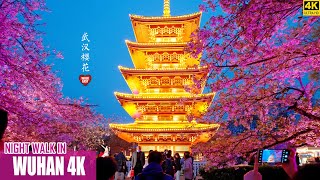
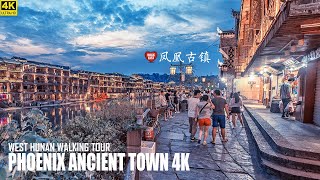
With Walk East ...
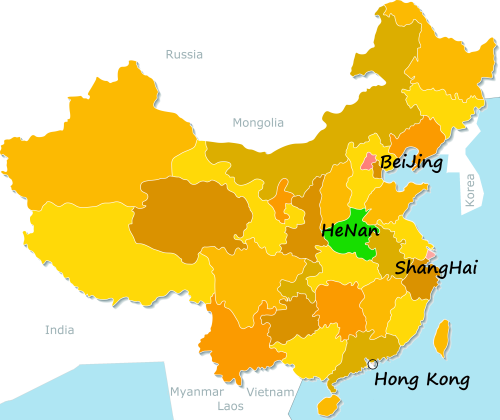
[640],shadow=true,start=,stop=HeNan map
Live more ...
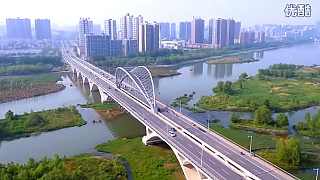
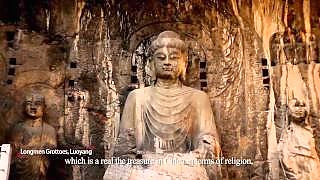
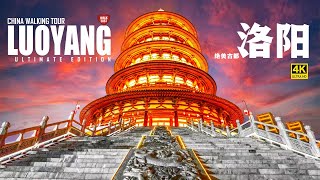
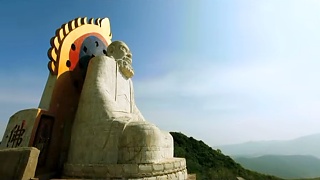
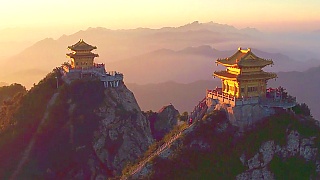
 LuoYang, HeNan province
With Walk East ...
[640],shadow=true,start=,stop=
|
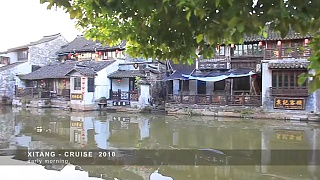
XiTang lies not far from ShangHai.
It is a water town that through which nine rivers flow. In the ancient part of the town, the houses sit alongside the banks of beautiful canals ...
|

|
Places to visit in HaiNan island, China
Yalong Bay 三亚亚龙湾 (Sānyà Yàlóng Wān) - Explore one of Hainan's most famous beaches, known for its crystal-clear waters and golden sand. Yalong Bay is a popular destination for swimming, sunbathing, and water sports. The bay is surrounded by luxury resorts and offers stunning views of the ocean.
Tropical Rainforest National Park 热带雨林国家公园 (Rèdài Yǔlín Guójiā Gōngyuán) - Discover Hainan's lush rainforests, home to diverse flora and fauna, through guided hikes and canopy walks. The park boasts scenic trails, breathtaking waterfalls, and opportunities to spot rare wildlife species such as gibbons and macaques.
Wuzhizhou Island 蜈支洲岛 (Wúzhīzhōu Dǎo) - Take a boat trip to this scenic island for snorkeling, diving, and relaxing on its beautiful beaches. Wuzhizhou Island is renowned for its clear turquoise waters, colorful coral reefs, and abundant marine life, making it a paradise for underwater enthusiasts.
Nanshan Temple 南山寺 (Nánshān Sì) - Visit this iconic Buddhist temple complex known for its grand architecture and serene atmosphere. Nanshan Temple is set amidst lush greenery and offers visitors a tranquil retreat to learn about Buddhism, admire intricate sculptures, and enjoy panoramic views of the surrounding landscape.
Dadonghai Beach 大东海海滩 (Dàdōnghǎi Hǎitān) - Another popular beach destination in Sanya, perfect for water sports and sunbathing. Dadonghai Beach features soft white sand and clear blue waters, ideal for swimming, snorkeling, and jet skiing. The beachfront promenade is lined with shops, restaurants, and cafes.
Weizhou Island 涠洲岛 (Wéizhōu Dǎo) - Experience the natural beauty of this volcanic island, known for its rugged coastline and unique rock formations. Weizhou Island offers opportunities for hiking, exploring sea caves, and enjoying panoramic views from its scenic viewpoints.
Luhuitou Scenic Area 鹿回头风景区 (Lùhuítóu Fēngjǐng Qū) - Enjoy panoramic views of the South China Sea and Hainan's coastline from this scenic lookout point. Luhuitou Scenic Area is famous for its romantic legend and features lush gardens, a giant statue of a deer, and hiking trails leading to breathtaking viewpoints.
Xidao 西岛 (Xī Dǎo) - Explore the pristine beaches and coral reefs of this remote island, ideal for snorkeling and diving enthusiasts. Xidao is known for its crystal-clear waters, vibrant marine life, and secluded beaches, offering visitors a serene and untouched natural environment.
Five Fingers Mountain 五指山 (Wǔzhǐ Shān) - Hike to the summit of Five Fingers Mountain for breathtaking views of Hainan's lush forests and surrounding landscapes. Five Fingers Mountain is a sacred site with cultural significance, featuring ancient temples, hidden caves, and diverse flora and fauna.
Qionghai Bo'ao Lecheng International Medical Tourism Pilot Zone 琼海博鳌乐城国际医疗旅游先行区 (Qiónghǎi Bó'áo Lèchéng Guójì Yīliáo Lǚyóu Xiānxíng Qū) - Explore China's medical tourism industry and learn about traditional Chinese medicine practices in this international medical tourism zone. The zone offers state-of-the-art medical facilities, wellness centers, and cultural experiences related to healthcare and wellness.
Yangjiang Hot Springs 阳江温泉 (Yángjiāng Wēnquán) - Relax and rejuvenate in the natural hot springs of Yangjiang, renowned for their therapeutic properties. Yangjiang Hot Springs feature mineral-rich waters known for their healing properties, offering visitors a serene retreat to unwind and refresh.
Yalong Bay Tropical Paradise Forest Park 亚龙湾热带天堂森林公园 (Yàlóng Wān Rèdài Tiāntáng Sēnlín Gōngyuán) - Embark on a scenic hike through this tropical paradise, home to an array of exotic flora and fauna. Yalong Bay Tropical Paradise Forest Park boasts lush greenery, cascading waterfalls, and scenic viewpoints overlooking the bay.
Boao Forum for Asia 博鳌亚洲论坛 (Bó'áo Yàzhōu Lùntán) - Attend the Boao Forum for Asia, an annual conference discussing economic and political issues facing the Asia-Pacific region. The forum brings together world leaders, business executives, and scholars to engage in dialogue and cooperation for regional development.
Hainan Tropical Wildlife Park and Botanical Garden 海南热带野生动植物园 (Hǎinán Rèdài Yěshēng Dòngzhíwù Yuán) - Get up close and personal with exotic animals and plants native to tropical regions worldwide at the Hainan Tropical Wildlife Park. The park features diverse habitats, interactive exhibits, and educational programs for visitors of all ages.
Lingao Cape 临高角 (Lín Gāo Jiǎo) - Visit this picturesque cape offering stunning views of the surrounding coastline and the South China Sea. Lingao Cape is a scenic spot with towering cliffs, turquoise waters, and panoramic vistas, perfect for photography and relaxation.
Danzhou International Coconut Cultural Festival 儋州市国际椰林文化节 (Dānzhōu Shì Guójì Yēlín Wénhuà Jié) - Experience the rich cultural heritage of Hainan's coconut industry at the Danzhou International Coconut Cultural Festival. The festival showcases traditional coconut-related activities, such as coconut tree climbing, coconut carving, and coconut-based cuisine.
Qiongzhong Red Coral Cultural Expo Park 琼中南红文化博览园 (Qióngzhōng Nán Hóng Wénhuà Bólǎn Yuán) - Learn about the cultural significance of Hainan's precious red coral at the Qiongzhong Red Coral Cultural Expo Park. The park features exhibitions, workshops, and demonstrations highlighting the history, craftsmanship, and conservation efforts related to red coral.
Li and Miao Cultural Corridor 黎苗文化长廊 (Lí Miáo Wénhuà Chángláng) - Explore the rich cultural heritage of the Li and Miao ethnic minorities at the Li and Miao Cultural Corridor. The corridor showcases traditional customs, handicrafts, music, and dance of the Li and Miao people, providing insight into their unique way of life.
Wang Fujun Art Gallery 王富军美术馆 (Wáng Fùjūn Měishù Guǎn) - Admire contemporary Chinese art at the Wang Fujun Art Gallery, showcasing works by local and international artists. The gallery features rotating exhibitions of paintings, sculptures, and multimedia installations, providing a platform for artistic expression and cultural exchange.
Sanya Lingshui Island 三亚礼士岛 (Sānyà Lǐshì Dǎo) - Take a scenic cruise to Lingshui Island for snorkeling, diving, and exploring its pristine beaches and coral reefs. Lingshui Island is a hidden gem with crystal-clear waters, vibrant marine life, and secluded beaches, offering visitors an idyllic escape from the bustling city life.
|

|
Please, wake up - and spread the word, before it is too late.
War - bombs, death, unspeakable atrocities - depends on your acquiescence.
If, there's another war, it's all over, for everyone; there will be no winners this time.
War is burning flesh, skulls ruptured, and children screaming in pain, all dying in the name of supremacy.
Fear those that desire supremacy. We can all see it coming. YOU need to stop this madness. Yes, YOU. The mad men can't do it without fooling you first. Don't be fooled again.
If not immediately vaporized, one will be burned alive and shredded by flying glass and other debris. If still gasping for air, there follows 'nuclear winter' - no sunlight and starvation; a planet poisoned for many thousands of years. This is madness. Stop the madness.
Life should be everywhere, in our galaxy, and beyond, but there's just silence. Need life always end that way ? Are we really going to end it all over skin color or some nonsense 'politics' ?? Even you 'hate China', do you love this world ???
Everything 'you know' is BS - just think about it - don't get hypnotized by 'democracy' and 'human rights' by those who crush them, everywhere, and really seek ultimate rule - it's the new branding for colonialism - don't be fooled - don't be fooled by distractions and words - open your eyes for a different view - we have a common humanity, deeper than any elite's spin - don't be fooled ...
Don't be fooled again - the young deserve a chance to create a better world - say no, to divide and rule ...
The Who - Won't Get Fooled Again ('meet the new war; same as the old wars' - great song) - please, don't blow up this world, don't blow down this life; it's all that we have; let's not go forever silent - no wipe-out ... awesome drumming ...
Bonus films - drums by a young Sina ...
The Surfaris - Wipe Out (with a cool dad) ...
Pink Floyd - Time (featuring Sticky Hickey) - just wow - what a band ...
Metallica - Nothing Else Matters - featuring the very talented young singer Jadyn Rylee (a beautiful love song) ...
So close, no matter where we are. Nothing else matters.
I can only say - don't get fooled again - don't be out of time. No more, hypnotized by lies. Don't get on your knees and pray; speak out; trust not what you believe - trust in who you are - our common humanity - don't get fooled - that's all that really matters ...
|
|
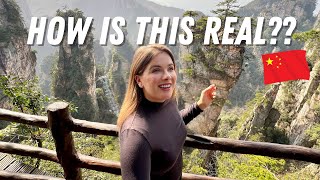
ZhangJiaJie, a city in the northwest of China's HuNan province, is home to the famed WuLingYuan Scenic Area. This protected zone encompasses thousands of jagged quartzite sandstone columns, many of which rise over 200 meters, as well as caves filled with stalactites and stalagmites. WuLingYuan also encompasses forests, rivers, waterfalls and 2 large natural land bridges, as well as endangered plant and animal species.
With Alina Mcleod ...
|

|
Yellow Mountain, 黄山, in AnHui province, between ShangHai and WuHan, is one of China's most popular travel destinations. An area of outstanding natural beauty, it is a UNESCO World Heritage Site.
|
|
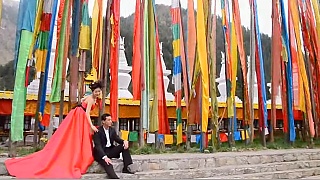
'Nine Villages Valley' in SiChuan province ...
|
|
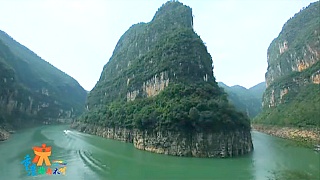
A beautiful film that takes you to all the places along the river ...
YángZǐ Jiāng (modern PinYin), also known in China as Cháng Jiāng (literally, 'Long River'), is the longest river in Asia and the third-longest in the world. It flows for 6,300 kilometers (4,000 miles) from the glaciers on the QingHai-Tibet Plateau in QingHai province eastward across southwest, central and eastern China before emptying into the East China Sea at Shanghai. The Three Gorges Dam on the river is the largest hydro-electric power station in the world.
|

|
Near YangShuo and GuiLin, GuangXi province ...
|
|
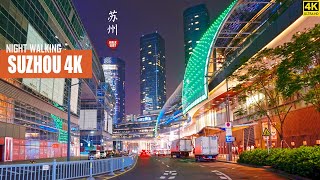
JiangSu province.
With Walk East ...
SuZhou's ancient alleys ...
YT comment : I can’t believe this is the country that is portrayed as evil in western media. These people seem so happy, dress nicely, have a smile, and do whatever they want on the street at night.
YT comment : Love the old style architecture. its great how they blend in the old historic buildings with modern culture ... Beautiful !
|