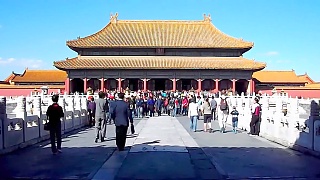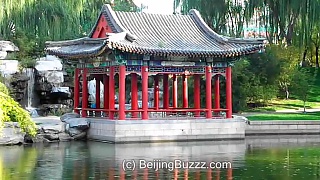
The Botanical Garden, BeiJing 北京植物园

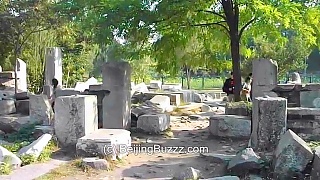
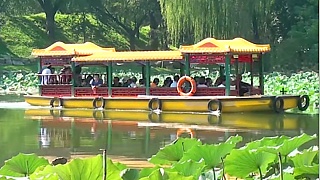
Beijing Botanical Garden, close to XiangShan Park at the foot of the Western Fragrant Hills, was established in 1955.

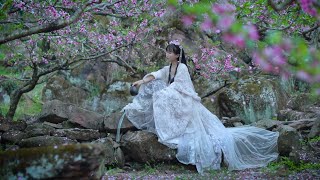
There are many features, including a lake, the Perennial Garden, Peony Garden, Ornamental Peach Garden, Orchid House, Desert Garden House, Exhibition Flower House and numerous gardens featuring camellias, bamboo, tree peonies, ornamental cherries and many others.


There is also a memorial garden for Cao Xue Qin, famous for writing the literary classic 'Story of the Stone'.


Don't miss:


  • The 10,000 square meter conservatory.
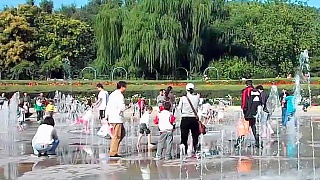
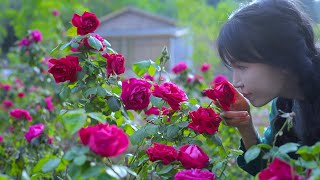
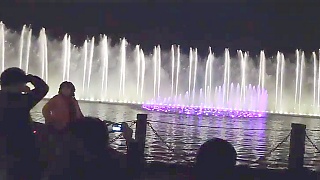
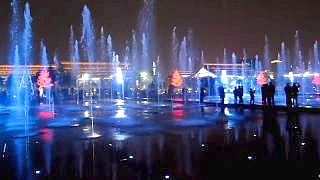
  • The sunken rose garden with large musical fountains.
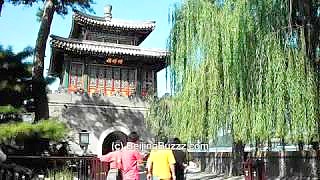
  • The WoFoSi ('Sleeping Buddha') Temple and the teahouse to the west and north of it (towards the mountain).

[640],shadow=true,start=,stop=

Beijing, the capital city of China, is a vibrant metropolis steeped in history, culture, and modernity. Here's a brief overview of what you can expect as a tourist in Beijing:

Historical Landmarks:
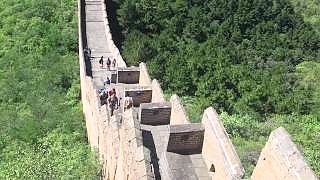
The Great Wall of China: One of the most iconic structures in the world, the Great Wall is easily accessible from Beijing. Mutianyu and Badaling sections are popular among tourists.

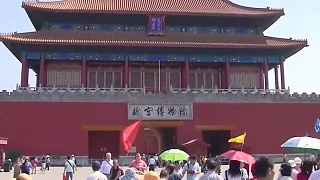
Forbidden City (Palace Museum): A UNESCO World Heritage Site, this vast imperial palace complex was home to Chinese emperors for over 500 years. It houses numerous halls, courtyards, and historical artifacts.

Temple of Heaven: A masterpiece of Chinese architecture, this ancient temple complex served as a place of worship for emperors to pray for good harvests.

Summer Palace: A stunning ensemble of lakes, gardens, and palaces, the Summer Palace served as a retreat for emperors during the Qing dynasty.

Tiananmen Square: One of the largest city squares in the world, Tiananmen Square is flanked by important landmarks such as the Monument to the People's Heroes, the Great Hall of the People, and the Mausoleum of Mao Zedong.

Cultural Sites:
Beijing Hutongs: Explore the narrow alleyways and traditional courtyard residences of Beijing's historic neighborhoods. You can take a rickshaw tour or simply wander around on foot.

Beijing Opera: Experience traditional Chinese opera performances at venues like the Liyuan Theater or the Chang'an Grand Theatre.

798 Art District: A hub of contemporary art and culture, this former industrial area is now home to numerous galleries, studios, and cafes.

Modern Attractions:
Olympic Park: Visit iconic structures such as the Bird's Nest (National Stadium) and the Water Cube (National Aquatics Center) from the 2008 Beijing Olympics.

CBD (Central Business District): Marvel at the futuristic skyline of Beijing's modern business district, which includes landmarks like the CCTV Headquarters and the China World Trade Center Tower III.

Culinary Delights:
Peking Duck: Indulge in Beijing's most famous dish, crispy roast duck served with pancakes, scallions, and hoisin sauce.

Street Food: Explore the city's vibrant street food scene and sample local delicacies like jianbing (savory crepes), lamb skewers, and dumplings.

Practical Tips:
Transportation: Beijing has an extensive public transportation system, including the subway, buses, and taxis. However, traffic can be heavy, so plan your travels accordingly.

Language: While English is not widely spoken, especially outside tourist areas, many signs and transportation announcements are in English. It's helpful to carry a translation app or a phrasebook.

Weather: Beijing experiences four distinct seasons, with hot summers and cold winters. The best times to visit are spring (April to June) and autumn (September to October) when the weather is mild and comfortable.

Etiquette: Respect local customs and traditions, such as removing your shoes before entering someone's home and using both hands to pass or receive items.

Beijing offers a rich tapestry of experiences for tourists, blending ancient heritage with modern innovations. Whether you're fascinated by history, culture, or culinary delights, there's something for everyone in this dynamic city.
Related Videos


Featured Videos

The ShangHai Auto Show, 2023
With Inside China Auto ... With the Fully Charged Show - the BYD Seal ...
ChangSha neighborhood walk – living in balance with nature
HuNan province. With Walk East ...
Exploring the YunGang Grottoes, near DaTong, ShanXi province
Ancient Buddhist carving caves. With DuckTravel ... Visitor Guide to the YunGang Grottoes Introduction to the YunGang Grottoes The YunGang Grottoes (云冈石窟), located near Datong in ShanXi Province, are one of China's most remarkable ancient Buddhist art sites. Carved into the sandstone cliffs during the Northern Wei Dynasty (5th–6th centuries), the grottoes feature over 51,000 statues and carvings, showcasing the fusion of Chinese, Indian, and Central Asian artistic traditions. Recognized as a UNESCO World Heritage Site, the YunGang Grottoes are a must-visit for history, art, and culture enthusiasts. Highlights of the YunGang Grottoes The Five Iconic Caves (TanYao Five Caves) - These are the earliest and most impressive caves, featuring colossal Buddha statues that symbolize the power and authority of the Northern Wei emperors. Cave 20, with its towering seated Buddha, is particularly famous. Intricate Carvings and Reliefs - The grottoes are adorned with detailed carvings of Buddhist deities, celestial beings, and narrative scenes from Buddhist scriptures. The craftsmanship reflects the artistic brilliance of the era. Cultural Fusion - The grottoes display a unique blend of Chinese and foreign influences, including Gandharan and Gupta styles, highlighting the Silk Road's cultural exchange. Outdoor Statues - In addition to the cave carvings, the site features numerous outdoor statues and steles, offering a glimpse into the religious and artistic practices of the time. Visitor Information Location: The YunGang Grottoes are located approximately 16 kilometers west of Datong City in ShanXi Province. Opening Hours: 8:30 AM to 5:30 PM (April–October); 8:30 AM to 4:50 PM (November–March). Entrance Fee: Approximately 120 CNY (April–October); 100 CNY (November–March). Discounts are available for students and seniors. Guided Tours: English-speaking guides are available for hire at the entrance, providing in-depth insights into the history and significance of the grottoes. How to Get There By Air: The nearest airport is Datong YunGang Airport, with connections to major cities like Beijing, Shanghai, and Guangzhou. From the airport, taxis or buses can take you to the grottoes. By Train: Datong is well-connected by high-speed rail. From Datong Railway Station, you can take a taxi or bus to the grottoes (about 30 minutes). By Car: The grottoes are easily accessible by car via the Datong–YunGang Expressway. Tips for Visitors Best Time to Visit: Spring (April–June) and autumn (September–October) offer pleasant weather and fewer crowds. Avoid visiting during national holidays, as the site can get very busy. What to Wear: Wear comfortable walking shoes, as the site involves some walking. Bring a hat and sunscreen during summer, as parts of the site are exposed. Photography: Photography is allowed in most areas, but flash photography is prohibited inside the caves to protect the ancient artwork. Respect the Site: As a UNESCO World Heritage Site, the grottoes are a precious cultural treasure. Avoid touching the carvings and follow all posted guidelines. Nearby Attractions HengShan Hanging Temple (悬空寺) - A unique temple built into a cliff face, combining Buddhist, Taoist, and Confucian elements. Datong City Wall - A well-preserved ancient city wall offering panoramic views of Datong. Nine Dragon Screen (九龙壁) - A stunning glazed-tile screen depicting nine dragons, located in Datong. Conclusion The YunGang Grottoes are a testament to China's rich cultural and religious history. With their awe-inspiring statues, intricate carvings, and historical significance, they offer a profound and unforgettable experience for visitors. Whether you're a history buff, an art lover, or a spiritual seeker, the YunGang Grottoes are a must-see destination in China.
Creating disinformation about China
With FridayEveryday ... YT comments : "The robber acts like a cop, the thief posing as a judge. This is the trick that the Anglo-Saxons always like to pull off." "They may not have Critical Thinking but they certainly do have Criminal Thinking !"
The YunGang Grottos 云冈石窟
The caves, full of beautiful Buddhist art, are located near DaTong in ShanXi province, north east China (west from Beijing), and date from the 5th century. Buddhism came to this area via the northern Silk Road that linked Xi'An with Kashgar
Chili sauce, from scratch
Bonus film - chili and soy sauce ...
Defunct heavy industry sites transformed to surreal parks – two examples, in BeiJing and NanJing
Jiangsu Expo Gardens, in NanJing, with Middle Kingdom Productions ... ShouGang Park 首钢园, in BeiJing, with MisterVaughn ...
The de-facto occupation of Taiwan by the US
With The New Atlas ... Bonus film - with The Grayzone ... Bonus film 2 - with Martin Jacques ... Bonus film 3 - 'whistleblowers' and censorship push - with The Moderate Rebels ... 'Mind control' is nothing more than controlling people by controlling what they 'know'. Bonus film 4 - neo-con Iraq War architect Bill Kristol in debate with anti-war writer Scott Horton - with The GrayZone ...
JianZi 毽子 !
A popular pastime in parks all over China. JianZi combines athleticism, balance, coordination and inner calm. It has been played in China since the Han Dynasty (200 BC). The 'shuttlecock' is composed of a number of coin-like metal weights and colored feathers. The first film is from the People's Park in GuangZhou; the second is at the Long Corridor of the Temple of Heaven in BeiJing. The third film shows some masters at play.

Tag search ?