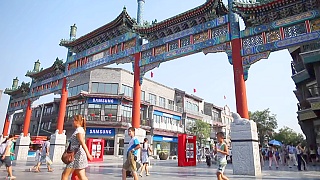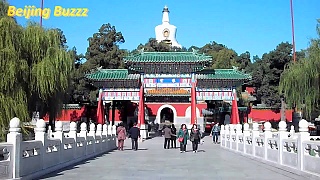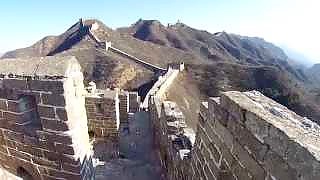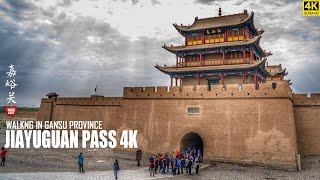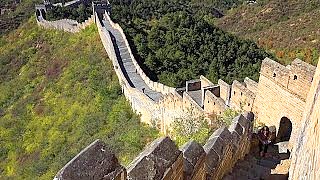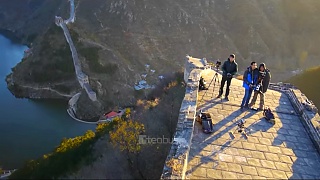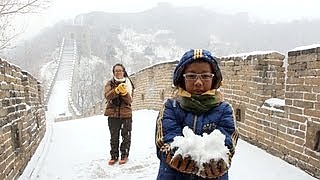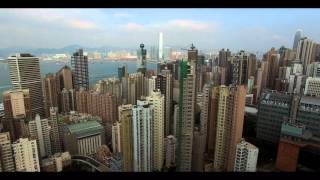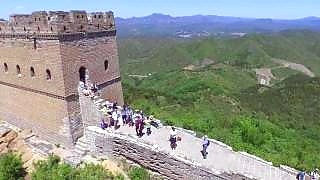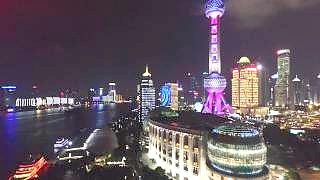
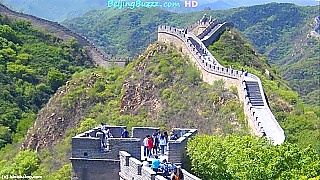
Scenes from JinShanLing 金山岭 Great Wall, BeiJing

About 2 1/2 hours NNE from BeiJing city center ...

[640],shadow=true,start=,stop=
[320],shadow=true,start=,stop=
The Great Wall of China is one of the most iconic and awe-inspiring attractions in the world, drawing millions of tourists each year. Here's a guide for tourists visiting the Great Wall:

History and Significance:
Historical Significance: The Great Wall of China is a series of fortifications built over centuries to protect China from invasions by nomadic tribes from the north. Its construction began as early as the 7th century BC and continued through different dynasties, with the most famous sections built during the Ming Dynasty (13681644 AD).

Length and Structure: Stretching over 13,000 miles (21,196 kilometers), the Great Wall is not a continuous wall but a series of walls, trenches, and natural barriers, including mountains and rivers. Its main purpose was to provide defense and control trade routes along the northern border of China.

Visiting the Great Wall:
Sections to Visit: While the entire Great Wall is massive, certain sections are more accessible and popular among tourists. The most visited sections include Badaling, Mutianyu, Jinshanling, and Simatai. Each section offers unique features and experiences.

Badaling: This section is the closest to Beijing and is one of the most well-preserved and accessible sections of the Great Wall. It can be crowded, especially during peak tourist seasons.

Mutianyu: Located about 1.5 to 2 hours' drive from Beijing, Mutianyu offers a less crowded but equally impressive experience. It features restored sections as well as more rugged and original parts.

Jinshanling and Simatai: These sections are farther from Beijing but are known for their scenic beauty and relatively fewer crowds. They offer a more authentic and adventurous hiking experience.

Tips for Tourists:
Best Time to Visit: The Great Wall can be visited year-round, but the best times are spring (April to June) and autumn (September to November) when the weather is pleasant, and the scenery is beautiful.

Avoiding Crowds: To avoid crowds, consider visiting the Great Wall early in the morning or during weekdays. Badaling tends to be busiest, so opting for less-visited sections like Jinshanling or Simatai can provide a more peaceful experience.

Wear Comfortable Clothing: The Great Wall involves a fair amount of walking and climbing stairs, so wear comfortable shoes and clothing suitable for hiking.

Stay Hydrated and Sun-Protected: Bring plenty of water, sunscreen, and a hat, especially during hot summer months, as there may be limited shade on the Wall.

Respect the Environment: Help preserve the Great Wall for future generations by refraining from littering, defacing, or damaging the structure.

Cultural Insights:
Learn about the History: Take the time to learn about the history and significance of the Great Wall through signage, guidebooks, or guided tours.

Capture Memories: Don't forget to bring a camera or smartphone to capture the breathtaking views and memories of your visit.

Interact with Locals: Engage with local vendors, tour guides, or fellow travelers to gain insights into Chinese culture and customs related to the Great Wall.

Visiting the Great Wall of China is a once-in-a-lifetime experience that offers not only breathtaking views and photo opportunities but also a deeper appreciation for one of the world's most remarkable architectural achievements.

Beijing, the capital city of China, is a vibrant metropolis steeped in history, culture, and modernity. Here's a brief overview of what you can expect as a tourist in Beijing:

Historical Landmarks:
The Great Wall of China: One of the most iconic structures in the world, the Great Wall is easily accessible from Beijing. Mutianyu and Badaling sections are popular among tourists.

Forbidden City (Palace Museum): A UNESCO World Heritage Site, this vast imperial palace complex was home to Chinese emperors for over 500 years. It houses numerous halls, courtyards, and historical artifacts.

Temple of Heaven: A masterpiece of Chinese architecture, this ancient temple complex served as a place of worship for emperors to pray for good harvests.

Summer Palace: A stunning ensemble of lakes, gardens, and palaces, the Summer Palace served as a retreat for emperors during the Qing dynasty.

Tiananmen Square: One of the largest city squares in the world, Tiananmen Square is flanked by important landmarks such as the Monument to the People's Heroes, the Great Hall of the People, and the Mausoleum of Mao Zedong.

Cultural Sites:
Beijing Hutongs: Explore the narrow alleyways and traditional courtyard residences of Beijing's historic neighborhoods. You can take a rickshaw tour or simply wander around on foot.

Beijing Opera: Experience traditional Chinese opera performances at venues like the Liyuan Theater or the Chang'an Grand Theatre.

798 Art District: A hub of contemporary art and culture, this former industrial area is now home to numerous galleries, studios, and cafes.

Modern Attractions:
Olympic Park: Visit iconic structures such as the Bird's Nest (National Stadium) and the Water Cube (National Aquatics Center) from the 2008 Beijing Olympics.

CBD (Central Business District): Marvel at the futuristic skyline of Beijing's modern business district, which includes landmarks like the CCTV Headquarters and the China World Trade Center Tower III.

Culinary Delights:
Peking Duck: Indulge in Beijing's most famous dish, crispy roast duck served with pancakes, scallions, and hoisin sauce.

Street Food: Explore the city's vibrant street food scene and sample local delicacies like jianbing (savory crepes), lamb skewers, and dumplings.

Practical Tips:
Transportation: Beijing has an extensive public transportation system, including the subway, buses, and taxis. However, traffic can be heavy, so plan your travels accordingly.

Language: While English is not widely spoken, especially outside tourist areas, many signs and transportation announcements are in English. It's helpful to carry a translation app or a phrasebook.

Weather: Beijing experiences four distinct seasons, with hot summers and cold winters. The best times to visit are spring (April to June) and autumn (September to October) when the weather is mild and comfortable.

Etiquette: Respect local customs and traditions, such as removing your shoes before entering someone's home and using both hands to pass or receive items.

Beijing offers a rich tapestry of experiences for tourists, blending ancient heritage with modern innovations. Whether you're fascinated by history, culture, or culinary delights, there's something for everyone in this dynamic city.
Related Videos


Featured Videos

China 中国 family trip
ShangHai (including Disney), BeiJing, Xi'An, ChengDu, YangShuo, Hong Kong ...
Blondie in DunHuang, GanSu province
With Blondie in China ... Visitor Guide to DunHuang, GanSu Province Overview DunHuang, located in GanSu Province, is a city of historical and cultural significance, famous for its strategic position on the ancient Silk Road and its remarkable Buddhist art. The city is best known for the Mogao Caves, a complex of Buddhist cave temples, as well as its stunning desert landscapes and historical relics. Getting There By Air: DunHuang Airport (DNH) is the nearest airport, located about 13 kilometers southeast of the city center. The airport has regular flights from major cities like BeiJing, ShangHai, and Xi'an. From the airport, you can take a taxi or a shuttle bus to reach the city center. By Train: DunHuang Railway Station connects the city with various destinations across China. The station is located about 12 kilometers from the city center, and you can take a taxi or a bus to reach the main attractions. By Bus: Long-distance buses from nearby cities and provinces also provide access to DunHuang. The main bus station is located in the city center, making it convenient for travelers. Getting Around Public Transport: DunHuang has a local bus system that connects major tourist spots and the city center. Buses are an economical way to get around. Taxis: Taxis are readily available and relatively inexpensive. Ensure to have your destination written in Chinese for ease of communication. Biking: Bike rentals are available for those who prefer a more active way to explore the city and its surroundings. Main Attractions Mogao Caves The Mogao Caves, also known as the Thousand Buddha Grottoes, are a UNESCO World Heritage site and the highlight of DunHuang. The caves contain thousands of Buddhist statues and murals dating back to the 4th century, showcasing exquisite art and religious devotion. Crescent Lake and Singing Sand Dunes Located about 6 kilometers south of DunHuang, Crescent Lake is an oasis surrounded by the towering Singing Sand Dunes. The contrast of the lush green lake against the golden sand is a sight to behold. Visitors can enjoy camel rides, sandboarding, and hiking in the area. Yumen Pass (Jade Gate Pass) The Yumen Pass is a historic site that served as a vital checkpoint on the Silk Road. The ruins offer a glimpse into the ancient trade routes and the military significance of the area. Yangguan Pass Yangguan Pass, along with Yumen Pass, was an important gateway on the Silk Road. The site includes remnants of ancient walls and watchtowers, and a museum that provides historical context. Historical Significance DunHuang has a rich history as a major stop on the Silk Road, facilitating trade and cultural exchange between China and the West. The city's strategic location made it a melting pot of different cultures, religions, and artistic traditions. The Mogao Caves were established as a place of worship and meditation, attracting Buddhist monks and pilgrims. Over the centuries, the caves became a repository of religious art, texts, and artifacts, making them one of the most significant cultural heritage sites in China. Local Cuisine While visiting DunHuang, you can enjoy a variety of local GanSu dishes. Here are some recommendations: Beef Noodles: A signature dish of GanSu Province, featuring hand-pulled noodles in a flavorful beef broth. Yellow Noodles with Donkey Meat: A unique local specialty, featuring tender donkey meat served with yellow wheat noodles. DunHuang Toasted Buns: Crispy buns filled with minced meat and spices, a popular snack in the region. Shopping Shazhou Night Market: A vibrant market offering a variety of local handicrafts, souvenirs, and street food. Silk Road Markets: Several markets in DunHuang sell traditional Silk Road goods, including silk products, jade, and antiques. Local Shops: Numerous shops in the city center offer a range of local specialties, such as dried fruits, nuts, and unique crafts. Accommodation Luxury Hotels: DunHuang offers several high-end hotels with excellent amenities and services, such as the DunHuang Hotel and the Silk Road DunHuang Hotel. Mid-Range Hotels: There are numerous mid-range options providing comfortable accommodations at reasonable prices, including international chains and local boutique hotels. Budget Accommodations: Budget travelers can find affordable guesthouses, hostels, and budget hotels throughout the city. Tips for Visitors Best Time to Visit: The best times to visit DunHuang are spring (April to June) and autumn (September to November) when the weather is mild and pleasant. Clothing: Wear comfortable walking shoes and dress in layers to accommodate changing temperatures. Bring a hat and sunscreen if you plan to spend time outdoors, especially in the desert areas. Respect Local Customs: Be respectful of local customs and traditions, especially when visiting religious and cultural sites. Language: While Mandarin is widely spoken, learning a few basic phrases or using a translation app can be very helpful. Plan Your Visit: The attractions in DunHuang offer a mix of historical significance and natural beauty. Plan your visit to include both leisurely activities and sightseeing to fully appreciate the area's offerings. Conclusion DunHuang, with its rich history, stunning desert landscapes, and cultural heritage, offers a unique and unforgettable travel experience. Whether you're exploring the ancient Mogao Caves, enjoying the serene beauty of Crescent Lake, or delving into the city's Silk Road history, DunHuang promises a journey filled with discovery and wonder. Plan your visit carefully to make the most of your time in this extraordinary city in GanSu Province.
Beautiful moments in SanYa 三亚
HaiNan Island, south China Bonus film - 'DIY Wedding Photos', in LiJiang 丽江, a micro movie 浪漫的旅拍婚紗影像 ... Such a lovely couple; best wishes on your life together - it sure will be a lot of fun ... The song is from the 2007 film 'Music and Lyrics', sung by Hugh Grant and Haley Bennett. 如此有趣和美丽 !
China’s self-driving cars
With Rafa Goes Around! ...
China – the world’s happiest country  : )
People in China are the happiest, with 91% feeling upbeat about life, says a new study by multinational research group IPSOS of Paris. Chinese values ...
The beautiful Temple of Heaven 天坛, BeiJing
This film focuses on the three main structures, including the Hall of Prayer for Good Harvests ...
Discover the natural beauty and tea culture of FuJian 福建 province …
FúJiàn province, east China
Three years in China, reflection – from culture shock to realizing that we are basically all the same humanity
The ONLY time for division, is between the positive and the negative. Repeat every night; and every morning. With the Barrett channel ... With LaowaiNiko ... With Jerry Goode ... Bonus film - democracy in China, with Jerry's Take on China ... With Living in China ... In China, the people are family. In the West, the people are livestock. Individualism is the ultimate 'divide and rule'. Bonus films ...
China’s Fields of Gold
Vast rolling seas of golden canola flowers make the are around QuJing, LuoPing County, YunNan province, near the start of the Pearl River (China's third longest), a tourist hot-spot each autumn. A GCTN Travelogue ...

Tag search ?