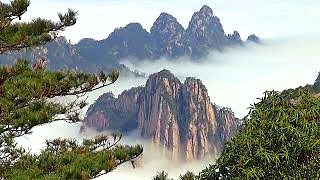
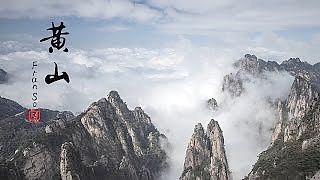
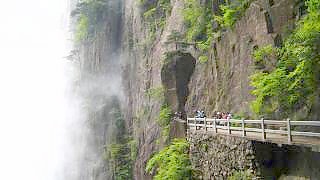
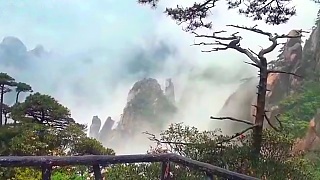
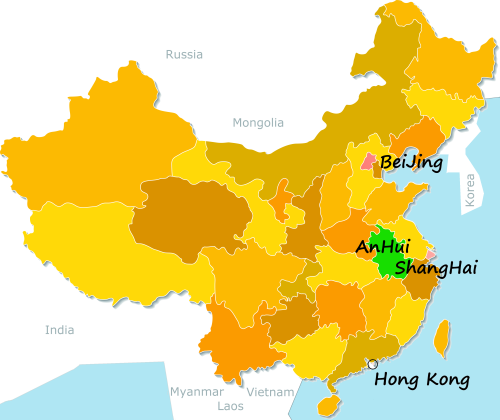
HuangShan lies in AnHui province, east China, to the west of HangZhou.
[640],shadow=true,start=60,stop=AnHui map
Live more ...
 The awesomely beautiful HuangShan Mountain 黃山 Don’t miss it
HuangShan lies in AnHui province, east China, to the west of HangZhou.
[640],shadow=true,start=60,stop=
|
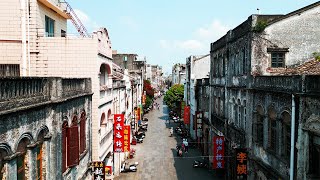
BeiHai is a large port in the GuangXi region on China's southwest coast. In the city center, BeiBuWan Square has a fountain sculpture evoking the local pearl industry. Nearby, Old Street's 19th-century buildings incorporate Western elements. On the city's southern waterfront, the Silver Beach resort area (named for its light-gray sand) is home to a park with the giant BeiHai Music Fountain.
|
|
With Andy see the World ...
Visitor Guide to ShanHaiGuan
Overview
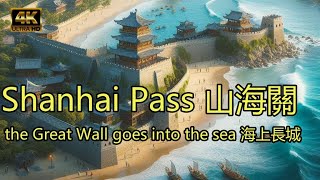
ShanHaiGuan, located in QinHuangDao City, HeBei Province, is a renowned historical site known as the "First Pass Under Heaven." It is one of the most well-preserved and strategically important passes of the Great Wall of China, offering visitors a fascinating glimpse into China's ancient military history and stunning coastal scenery.
Getting There
By Air: The nearest airport is QinHuangDao Beidaihe Airport (BPE), located about 20 kilometers from ShanHaiGuan. From the airport, you can take a taxi or a shuttle bus to ShanHaiGuan.
By Train: ShanHaiGuan Railway Station is well-connected with major cities like BeiJing, TianJin, and Shenyang. High-speed trains make it convenient to reach ShanHaiGuan from these cities.
By Bus: Long-distance buses are available from nearby cities, including QinHuangDao and TianJin. The main bus station in ShanHaiGuan is ShanHaiGuan Long-Distance Bus Station.
Getting Around
Walking: The historic area of ShanHaiGuan is best explored on foot, allowing you to fully appreciate the ancient architecture and fortifications.
Biking: Renting a bicycle is a great way to explore the surrounding areas and nearby attractions at your own pace.
Local Transport: Taxis and local buses are available for traveling to and from different parts of ShanHaiGuan and QinHuangDao.
Main Attractions
First Pass Under Heaven (Zhenyuan Tower)
This iconic gate is the easternmost point of the Great Wall and marks the starting point of the ancient defense line. The tower offers panoramic views of the surrounding area and the Great Wall stretching towards the mountains and the sea.
Old Dragon's Head (Laolongtou)
Located where the Great Wall meets the Bohai Sea, the Old Dragon's Head is a dramatic and picturesque site. The fortifications extend into the sea, resembling a dragon drinking water. It's a unique and breathtaking part of the Great Wall.
ShanHaiGuan Great Wall Museum
The museum provides a comprehensive overview of the history, construction, and significance of the Great Wall. Exhibits include artifacts, models, and interactive displays that bring the history of this monumental structure to life.
Jiumenkou Great Wall
This section of the Great Wall is unique for its series of nine gates and the river that flows beneath it. The Jiumenkou Great Wall is a UNESCO World Heritage Site and offers a fascinating look at ancient military engineering.
Wang Family Courtyard
This well-preserved traditional courtyard residence offers a glimpse into the lifestyle of a wealthy family during the Ming and Qing Dynasties. The courtyard is beautifully decorated with intricate carvings and traditional furnishings.
Local Cuisine
ShanHaiGuan's cuisine is influenced by its coastal location and northern Chinese culinary traditions. Here are some must-try dishes:
Seafood: Fresh seafood from the Bohai Sea, including fish, shrimp, and crab, is a highlight of local dining.
QinHuangDao Dumplings: These dumplings are known for their thin skins and generous fillings, often served with a dipping sauce.
Jiaozi (Dumplings): A variety of steamed or boiled dumplings filled with meat, vegetables, or seafood.
Local Snacks: Try street food such as fried dough twists, roasted sweet potatoes, and various grilled skewers.
Shopping
Local Handicrafts: ShanHaiGuan is known for its traditional handicrafts, including paper-cutting, clay figurines, and embroidery. These items make for unique souvenirs.
Antique Markets: Explore local antique markets for historical artifacts, vintage items, and collectibles.
Seafood Markets: Purchase fresh or dried seafood to take home or enjoy while you're in the area.
Accommodation
Luxury Hotels: For a high-end stay, consider hotels like the Shangri-La Hotel QinHuangDao or the Sheraton QinHuangDao Beidaihe Hotel, both offering excellent amenities and service.
Mid-Range Hotels: Options such as the Best Western Junyu Grand Hotel and QinHuangDao Grand Hotel provide comfortable accommodations at reasonable prices.
Budget Hotels: For budget travelers, hostels and budget hotels like the ShanHaiGuan Youth Hostel offer affordable and convenient lodging.
Tips for Visitors
Best Time to Visit: The best times to visit ShanHaiGuan are spring (April to June) and autumn (September to November) when the weather is mild and pleasant.
Clothing: Wear comfortable walking shoes and dress in layers to accommodate changing temperatures. An umbrella or raincoat is useful during the rainy season.
Respect Local Customs: Be respectful of local customs and traditions. Dress modestly and be mindful of local etiquette, especially when visiting historical and cultural sites.
Language: While Mandarin is widely spoken, learning a few basic phrases or using a translation app can be very helpful.
Plan Your Visit: ShanHaiGuan is best explored at a leisurely pace. Take your time to wander through the historical sites, visit local shops, and enjoy the tranquil atmosphere.
Conclusion
ShanHaiGuan, with its rich history, strategic importance, and stunning coastal scenery, offers a unique and memorable travel experience. Whether you're exploring ancient fortifications, savoring fresh seafood, or strolling along the Great Wall, ShanHaiGuan provides an unforgettable experience. Plan your visit carefully to make the most of your trip to this fascinating destination in HeBei Province.
|

|
'Nine Villages Valley' in SiChuan province ...
|

|
XinTianDi ('New Heaven and Earth') is a delightful, up-market area partly based on renovated traditional mid-19th century ShiKuMen ('Stone Gate') houses and alleyways. Here you find boutiques, book stores, cafes and restaurants, hotels and shopping malls. Most of the cafes and restaurants feature both indoor and outdoor dining and are popular by day and by night.
|

|
With Ben Norton ...
With Tings Chak ...
Tings Chak 翟庭君, the art director and a researcher of Tricontinental: Institute for Social Research and co-founding editor of Dongsheng, joins Ileana Chan and Fiona Edwards for Episode 2 on the No Cold War Britain Podcast.
With Brian Berletic / The New Atlas ...
With Alex / Reportify Media, Carl Zha and Angelo Giuliano ...
With Ben Norton ...
With Dennis Kucinich and Chris Hedges ...
With Andy Boreham ...
With Danny HaiPhong ...
With Larry C Johnson ...
With Alastair Crooke ...
With John J Mearsheimer ...
With Douglas MacGregor ...
With Jeffrey Sachs ...
With Scott Ritter ...
With Ray McGovern ...
|

|
Overview
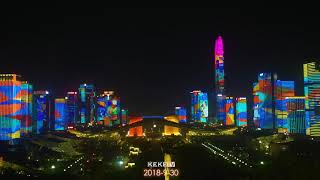
ShenZhen (深圳) is a modern metropolis located in Guangdong Province, bordering Hong Kong. It's renowned as a major tech hub and a gateway to China's manufacturing industry. The city's skyline is dominated by sleek skyscrapers, reflecting its status as a global innovation center.
Top Attractions
Splendid China Folk Village (锦绣中华民俗村) - Jǐnxiù Zhōnghuá Mínsú Cūn
Window of the World (世界之窗) - Shìjiè Zhī Chuāng
Dameisha Beach (大梅沙海滨公园) - Dàméishā Hǎibīn Gōngyuán
Lianhua Mountain Park (莲花山公园) - Liánhuā Shān Gōngyuán
Shenzhen Museum (深圳博物馆) - Shēnzhèn Bówùguǎn
Dafen Oil Painting Village (大芬油画村) - Dàfēn Yóuhuà Cūn
Nanshan Cultural Tourist Zone (南山文化旅游区) - Nánshān Wénhuà Lǚyóu Qū
Shenzhen Bay Park (深圳湾公园) - Shēnzhèn Wān Gōngyuán
Shenzhen Safari Park (深圳野生动物园) - Shēnzhèn Yěshēng Dòngwùyuán
Tech and Innovation
Huaqiangbei Electronics Market (华强北电子市场) - Huáqiángběi Diànzǐ Shìchǎng
Shenzhen Bay Tech Ecological Park (深圳湾科技生态园) - Shēnzhèn Wān Kējì Shēngtài Yuán
Tencent Seafront Towers (腾讯滨海大厦) - Téngxùn Bīnhǎi Dàshà
DJI Flagship Store (大疆旗舰店) - Dàjiāng Qíjiàn Diàn
Shopping and Dining
Coco Park and OCT-LOFT (coco park 和 华侨城创意文化园区) - Huáqiáo Chéng Chuàngyì Wénhuà Yuánqū
Dongmen Pedestrian Street (东门步行街) - Dōngmén Bùxíng Jiē
OCT-LOFT Creative Culture Park (华侨城创意文化园区) - Huáqiáo Chéng Chuàngyì Wénhuà Yuánqū
Laojie (Old Street) in Luohu (罗湖老街) - Luóhú Lǎojiē
Nightlife and Entertainment
Shekou Sea World (蛇口海上世界) - Shékǒu Hǎishàng Shìjiè
Futian and Luohu Districts (福田和罗湖区) - Fútián hé Luóhú Qū
Coco Park and OCT Bay (coco park 和 华侨城创意文化园区) - Huáqiáo Chéng Chuàngyì Wénhuà Yuánqū
Shenzhen Concert Hall (深圳音乐厅) - Shēnzhèn Yīnyuètīng
Practical Tips
Transportation: Utilize Shenzhen's efficient metro system and ride-hailing apps.
Language: Learn basic Mandarin phrases for easier communication.
Safety: Be cautious of pickpocketing in crowded areas.
Visa: Check China's visa policy based on your nationality.
Currency: Use local currency (Renminbi) for transactions.
Weather: Pack accordingly for Shenzhen's subtropical climate.
Hidden Gems
Wutong Mountain (梧桐山) - Wútóng Shān
Dapeng Ancient City (大鹏古城) - Dàpéng Gǔchéng
Guangdong Hakka Museum (广东客家博物馆) - Guǎngdōng Kèjiā Bówùguǎn
Additional Dining Recommendations
Dim Sum: Experience authentic Cantonese dim sum.
Seafood: Indulge in fresh seafood in Shekou.
Street Food: Explore Dongmen Food Street for local snacks.
By exploring these attractions, dining spots, and practical tips, you'll have a comprehensive guide to experiencing Shenzhen's rich blend of culture, technology, and natural beauty.
|

|
With Pradip Jamnadas ...
Bonus films on the liver ...
|
|
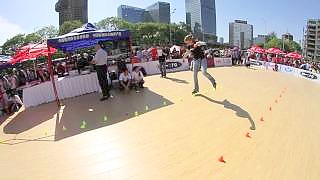
Inline skating contest
'Battle Masters Beijing'.
The second film is from a pairs contest in Germany, 2011.
|
|