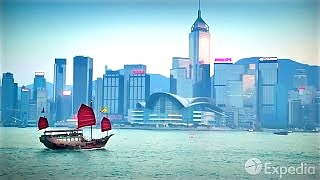
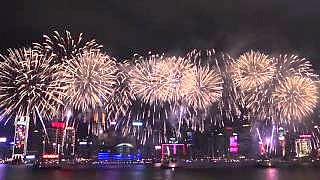
 ‘Take me out tonight’ (in Hong Kong 香港)
A beautiful and creative short film by Francis So ...
[640],shadow=true,start=,stop=Related Videos


Featured Videos
|
Provincial capital of SiChuan.
Lacquer artist ...
ChengDu TianFu airport ...
3 a.m. ...
|
|
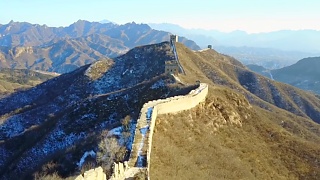
JīnShānLǐng Great Wall lies in HeBei province, about two hours north east from BeiJing city.
|

|
With Ben Norton ...
With BreakThrough News / Pivot to Peace ...
With Richard Wolff and Jay Martin ...
With Warwick Powell and Jay Martin ...
With Richard Wolff ...
With The Sirius Report ...
With David Zweig ...
With BreakThrough News ...
With Dialogue Works with Richard Wolff and Michael Hudson ...
With Brian Berletic / The New Atlas ...
With Danny Haiphong and Dana Burton - a walk and talk in ShangHai ...
|
|
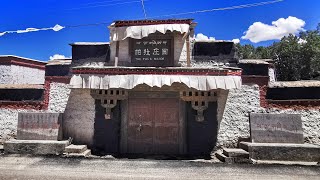
With Daniel Dumbrill ...
With Li JingJing ...
|

|
An in-depth discussion with Aaron Bastani and Martin Jacques.
If interested in what is happening in the world today, or in history, politics, and geo-politics, this is a must-see ...
|
|
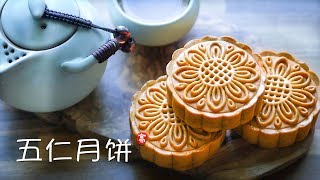
Most associated with the Mid-Autumn Festival.
|
|
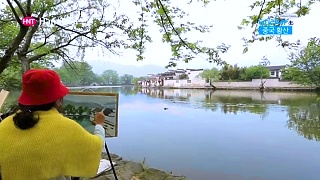
Filmed in July 2013. With Sticker Travel.
First film shows the village of HongCun in AnHui province. Scenes from the film 'Crouching Tiger, Hidden Dragon' were filmed in HongCun, which is close to the south slope of Mount HuangShan and a UNESCO World Heritage site.
The second film shows some places from WuYuan County, JiangXi province, including LiKeng village. Many of the well-preserved structures here date back to the Tang Dynasty, around 700 AD.
|

|
Last health post on the latest videos page - from now on, health related videos will be on a new health specific page, featuring the best 4 (so far) health promoters (Berg, Ekberg, Chatterjee, MedCram). Here in a day or so.
With Doctor Eric Berg and professor xxx ...
Why carbs, fructose, sugar will ruin your health ...
|
|
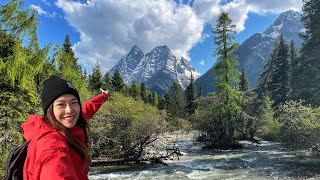
With Travel with Fawn ...
Welcome to Mount Siguniang
Discover the majestic beauty and adventure of Mount Siguniang.
Introduction
Mount Siguniang, also known as Four Sisters Mountain, is a scenic mountain range located in Sichuan Province, China. It is renowned for its stunning peaks, diverse wildlife, and picturesque landscapes, making it a popular destination for hikers, climbers, and nature enthusiasts.
Location
Mount Siguniang is situated in Xiaojin County, Aba Tibetan and Qiang Autonomous Prefecture, Sichuan Province. It is approximately 220 kilometers west of Chengdu, the provincial capital.
History
Mount Siguniang has long been regarded as a sacred place by the local Tibetan and Qiang ethnic groups. The name "Siguniang" translates to "Four Sisters," referring to the four distinct peaks in the mountain range. Over the years, the area has become a significant site for both cultural heritage and ecological conservation.
Attractions
Four Peaks: The mountain range features four prominent peaks: DaFeng (Big Peak), ErFeng (Second Peak), SanFeng (Third Peak), and Yaomei Feng (Youngest Sister Peak), the highest being Yaomei Feng at 6,250 meters.
Shuangqiao Valley: Known for its beautiful forests, meadows, and streams, offering an accessible and scenic hiking experience.
Changping Valley: Famous for its dense forests, alpine meadows, and views of snow-capped peaks, ideal for trekking and photography.
Haizi Valley: Features glacial lakes, diverse flora, and stunning vistas, perfect for longer and more challenging hikes.
Bipenggou Nature Reserve: A neighboring reserve known for its pristine landscapes and biodiversity.
Activities
Hiking and Trekking
Mountain Climbing
Camping
Photography
Wildlife Watching
Cultural Tours
Facilities
Visitor Center
Restrooms
Accommodations (Hotels, Guesthouses)
Camping Sites
Food Stalls and Restaurants
Parking Lots
Guided Tour Services
Visitor Tips
Wear appropriate clothing and footwear for hiking and mountain conditions.
Bring sufficient water and snacks, especially for longer treks.
Check weather conditions and plan your visit accordingly.
Acclimatize to the altitude gradually to avoid altitude sickness.
Respect local customs and traditions, particularly when visiting Tibetan cultural sites.
Follow all park regulations and guidelines to preserve the natural environment.
|