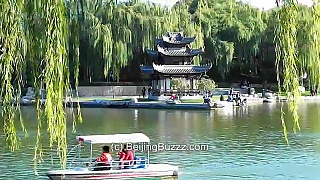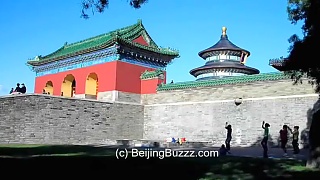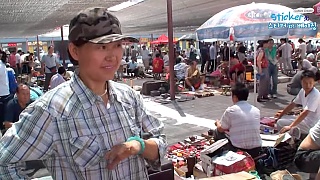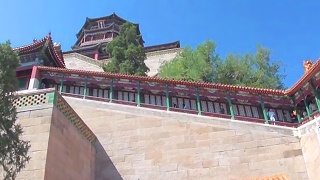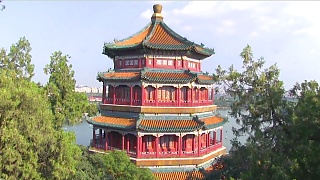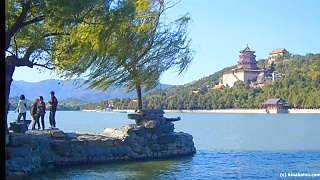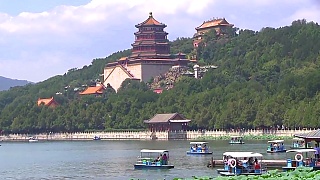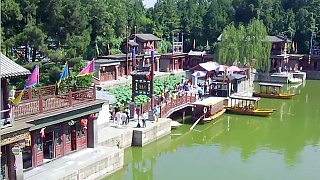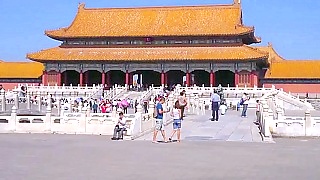
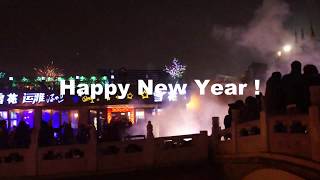
SuZhou Market Street at the Summer Palace, BeiJing 北京

Filmed in October 2010.


[640],shadow=true,start=,stop=
[320],shadow=true,start=,stop=

Beijing, the capital city of China, is a vibrant metropolis steeped in history, culture, and modernity. Here's a brief overview of what you can expect as a tourist in Beijing:

Historical Landmarks:
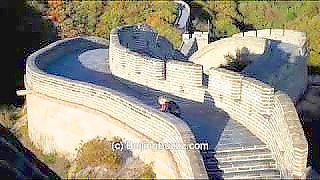
The Great Wall of China: One of the most iconic structures in the world, the Great Wall is easily accessible from Beijing. Mutianyu and Badaling sections are popular among tourists.

Forbidden City (Palace Museum): A UNESCO World Heritage Site, this vast imperial palace complex was home to Chinese emperors for over 500 years. It houses numerous halls, courtyards, and historical artifacts.

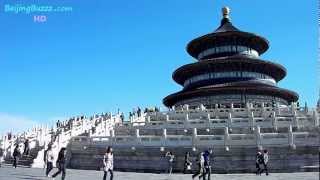
Temple of Heaven: A masterpiece of Chinese architecture, this ancient temple complex served as a place of worship for emperors to pray for good harvests.

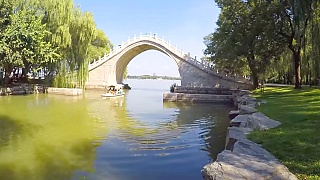
Summer Palace: A stunning ensemble of lakes, gardens, and palaces, the Summer Palace served as a retreat for emperors during the Qing dynasty.

Tiananmen Square: One of the largest city squares in the world, Tiananmen Square is flanked by important landmarks such as the Monument to the People's Heroes, the Great Hall of the People, and the Mausoleum of Mao Zedong.

Cultural Sites:
Beijing Hutongs: Explore the narrow alleyways and traditional courtyard residences of Beijing's historic neighborhoods. You can take a rickshaw tour or simply wander around on foot.

Beijing Opera: Experience traditional Chinese opera performances at venues like the Liyuan Theater or the Chang'an Grand Theatre.

798 Art District: A hub of contemporary art and culture, this former industrial area is now home to numerous galleries, studios, and cafes.

Modern Attractions:
Olympic Park: Visit iconic structures such as the Bird's Nest (National Stadium) and the Water Cube (National Aquatics Center) from the 2008 Beijing Olympics.

CBD (Central Business District): Marvel at the futuristic skyline of Beijing's modern business district, which includes landmarks like the CCTV Headquarters and the China World Trade Center Tower III.

Culinary Delights:
Peking Duck: Indulge in Beijing's most famous dish, crispy roast duck served with pancakes, scallions, and hoisin sauce.

Street Food: Explore the city's vibrant street food scene and sample local delicacies like jianbing (savory crepes), lamb skewers, and dumplings.

Practical Tips:
Transportation: Beijing has an extensive public transportation system, including the subway, buses, and taxis. However, traffic can be heavy, so plan your travels accordingly.

Language: While English is not widely spoken, especially outside tourist areas, many signs and transportation announcements are in English. It's helpful to carry a translation app or a phrasebook.

Weather: Beijing experiences four distinct seasons, with hot summers and cold winters. The best times to visit are spring (April to June) and autumn (September to October) when the weather is mild and comfortable.

Etiquette: Respect local customs and traditions, such as removing your shoes before entering someone's home and using both hands to pass or receive items.

Beijing offers a rich tapestry of experiences for tourists, blending ancient heritage with modern innovations. Whether you're fascinated by history, culture, or culinary delights, there's something for everyone in this dynamic city.

Related Videos


Featured Videos

HaNi rice terraces, YuanYang, HongHe, YunNan province
With Little Chinese Everywhere ... The Hani rice terraces are a spectacular example of ancient agricultural engineering located in the Yuanyang County of Yunnan Province, China. These terraces are renowned for their beauty and cultural significance, as well as their sustainable farming practices that have been maintained for over a millennium. Historical and Cultural Background Origins and History The Hani people, an ethnic minority in China, began constructing these terraces around 1,300 years ago. They transformed the steep slopes of the Ailao Mountains into a series of stepped terraces, making the land suitable for rice cultivation. Cultural Significance The terraces are not just a testament to agricultural ingenuity but also a reflection of the Hani culture and their harmonious relationship with nature. The Hani people believe in a symbiotic relationship with their environment, which is reflected in their farming practices, spiritual beliefs, and festivals. Agricultural Practices Irrigation System A sophisticated irrigation system channels water from the forested mountaintops down through the terraces. This system ensures a stable water supply, critical for the cultivation of rice. Sustainability The Hani terraces are an example of sustainable farming, with practices that preserve soil fertility and biodiversity. Crop rotation and the use of natural fertilizers are integral parts of their agricultural methods. Natural and Scenic Beauty Visual Appeal The terraces are most visually striking during the planting season when the fields are filled with water, reflecting the sky and creating a mirror-like effect. During different seasons, the terraces change colors, ranging from the vibrant green of growing rice to the golden hues of the harvest season. Tourism The terraces attract tourists from around the world, especially photographers and nature enthusiasts. Key viewing points include Duoyishu, Bada, and Laohuzui, each offering breathtaking views of the terraces at different times of the day. UNESCO World Heritage Status Recognition In 2013, the Hani rice terraces were designated a UNESCO World Heritage Site. This recognition underscores their cultural and historical importance, as well as their unique agricultural landscape. Conservation Efforts Efforts are underway to preserve this heritage site, focusing on maintaining the traditional farming practices and protecting the environment from modern threats such as tourism pressure and climate change. Conclusion The Hani rice terraces are a remarkable blend of human ingenuity and natural beauty. They represent the Hani people's enduring relationship with their land, showcasing a sustainable agricultural system that has thrived for centuries. As both a cultural treasure and a stunning visual spectacle, the Hani rice terraces continue to captivate and inspire visitors from around the globe.
Live more – thoughts (psychology / philosophy) – don’t miss it
With Rangan Chatterjee ... With Alan Watts ...
Beautiful BeiJing 北京
Part 1 : BeiHai Park, the Beijing Botanical Garden, the Confucius Temple, Ditan Park, the Minorities Ethnic Culture Park (Minzu), the Forbidden City, the Great Wall (at Badaling), JingShan Park, ZhongShan Park Part 2 : the Temple of Heaven, Tian'AnMen Square, QianMen, the Birds Nest national stadium, QianHai, PanJiaYuan, LiuYin Park, QingNianHu Park, RiTan Park, LianHuaChi Park, LongTan Park, NanLuoGuXiang and the Beijing Botanical Garden Part 3 : the Summer Palace, YuanMingYuan, XiangShan Park, TuanJieHu Park, XuanWu Park, Yuan Dynasty DaDa City Wall Park, YongHeGong Lama Temple and ZhongGuanCun, XiDan, CBD, ChongWenMen New World Center ice rink
The Real Revolution – starts with us – Jiddu Krishnamurti (sociology, psychology, philosophy)
Filmed in 1966.
Summer in the YunNan countryside – fabric dyeing with plants, and more …
With DianXi XiaoGe ...
QianMen and GuoMao / CBD, BeiJing
QianMen : With Wei's Travel ... GuoMao / CBD : With Visit BeiJing ... SanLiTun ... MuTianYu Great Wall ...
A look at the new, beautifully modern HangZhou railway station, ZheJiang province
With Gecko walks ...
An introduction to China
With Nation Nibbles ... With BRIGHT SIDE ...
An introductory guide to TianJin 天津 …
A short 30 minute high speed train ride from BeiJing, TianJin is the largest coastal city in northern China.

Tag search ?