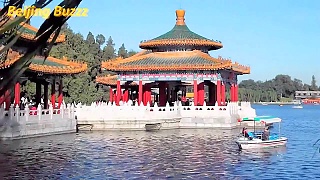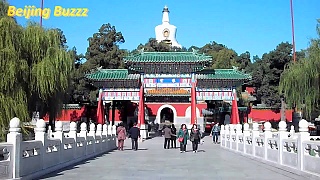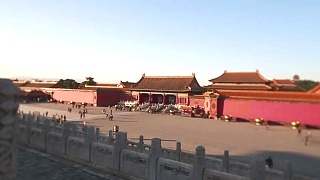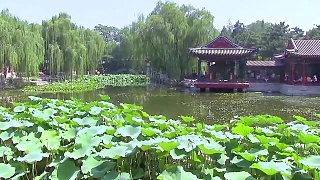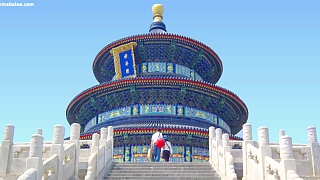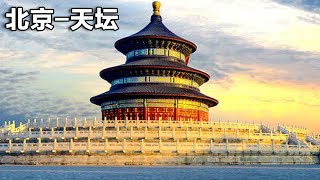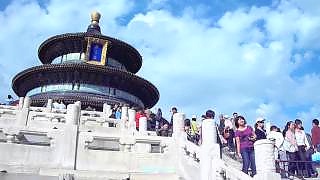
The beautiful Temple of Heaven 天坛, BeiJing

This film focuses on the three main structures, including the Hall of Prayer for Good Harvests ...

[640],shadow=true,start=,stop=

Beijing, the capital city of China, is a vibrant metropolis steeped in history, culture, and modernity. Here's a brief overview of what you can expect as a tourist in Beijing:

Historical Landmarks:
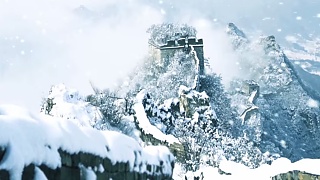
The Great Wall of China: One of the most iconic structures in the world, the Great Wall is easily accessible from Beijing. Mutianyu and Badaling sections are popular among tourists.

Forbidden City (Palace Museum): A UNESCO World Heritage Site, this vast imperial palace complex was home to Chinese emperors for over 500 years. It houses numerous halls, courtyards, and historical artifacts.

Temple of Heaven: A masterpiece of Chinese architecture, this ancient temple complex served as a place of worship for emperors to pray for good harvests.

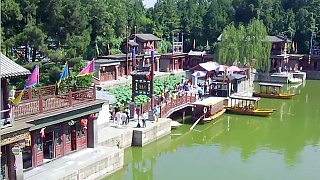
Summer Palace: A stunning ensemble of lakes, gardens, and palaces, the Summer Palace served as a retreat for emperors during the Qing dynasty.

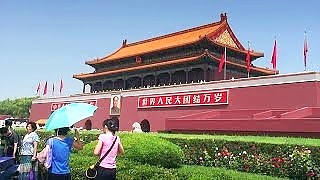
Tiananmen Square: One of the largest city squares in the world, Tiananmen Square is flanked by important landmarks such as the Monument to the People's Heroes, the Great Hall of the People, and the Mausoleum of Mao Zedong.

Cultural Sites:
Beijing Hutongs: Explore the narrow alleyways and traditional courtyard residences of Beijing's historic neighborhoods. You can take a rickshaw tour or simply wander around on foot.

Beijing Opera: Experience traditional Chinese opera performances at venues like the Liyuan Theater or the Chang'an Grand Theatre.

798 Art District: A hub of contemporary art and culture, this former industrial area is now home to numerous galleries, studios, and cafes.

Modern Attractions:
Olympic Park: Visit iconic structures such as the Bird's Nest (National Stadium) and the Water Cube (National Aquatics Center) from the 2008 Beijing Olympics.

CBD (Central Business District): Marvel at the futuristic skyline of Beijing's modern business district, which includes landmarks like the CCTV Headquarters and the China World Trade Center Tower III.

Culinary Delights:
Peking Duck: Indulge in Beijing's most famous dish, crispy roast duck served with pancakes, scallions, and hoisin sauce.

Street Food: Explore the city's vibrant street food scene and sample local delicacies like jianbing (savory crepes), lamb skewers, and dumplings.

Practical Tips:
Transportation: Beijing has an extensive public transportation system, including the subway, buses, and taxis. However, traffic can be heavy, so plan your travels accordingly.

Language: While English is not widely spoken, especially outside tourist areas, many signs and transportation announcements are in English. It's helpful to carry a translation app or a phrasebook.

Weather: Beijing experiences four distinct seasons, with hot summers and cold winters. The best times to visit are spring (April to June) and autumn (September to October) when the weather is mild and comfortable.

Etiquette: Respect local customs and traditions, such as removing your shoes before entering someone's home and using both hands to pass or receive items.

Beijing offers a rich tapestry of experiences for tourists, blending ancient heritage with modern innovations. Whether you're fascinated by history, culture, or culinary delights, there's something for everyone in this dynamic city.

Related Videos


Featured Videos

Geopolitics – December 2023 / January 2024
With Brian Berletic and Angelo Giuliano ... With Danny HaiPhong ... With Ben Norton ... With Jerry's Take on China ... With Alex / Reportify Media and Carl Zha ... With Sheku Mans ... With Willene Business & Lifestyle ... With Reports on China ... With Harvey's Vlog ... "Stand for something (truth), or fall for anything (lies)" - Malcom X.
China and the West – two very different views of the world
With Jerry's Take on China ...
Hiking the GongGa mountain trail, SiChuan province
With Men's Journal ... About the GongGa Trail Mount GongGa, also known as Minya Konka, is the highest peak in SiChuan province, China, standing at 7,556 meters (24,790 feet). The Gongga Trail offers a challenging yet rewarding trekking experience, featuring stunning landscapes, glaciers, and traditional Tibetan villages. It is a popular destination for adventurers and nature enthusiasts looking to explore the remote and pristine beauty of the region. Hiking Trails Hailuogou Glacier Park Trail The Hailuogou Glacier Park Trail is one of the most accessible routes on Mount Gongga. It features stunning views of glaciers, hot springs, and lush forests. This trail is suitable for trekkers of all levels and can be completed in 2-3 days. Yulongxi Trail The Yulongxi Trail offers a more challenging trek with breathtaking scenery, including high-altitude lakes, meadows, and snow-capped peaks. This trail takes about 4-5 days to complete and requires a good level of fitness. Kangding to Gongga Monastery Trail This trail starts in Kangding and leads to the Gongga Monastery, providing trekkers with an opportunity to experience local Tibetan culture and stunning natural beauty. The trek takes approximately 5-6 days. Old Chengdu-Kangding Tea-Horse Road This historic trail follows the ancient trade route, offering a blend of cultural and natural attractions. Trekkers can enjoy scenic vistas, traditional villages, and historical sites along the way. The trek can take 7-10 days depending on the chosen route. Famous Guesthouses Hailuogou Grand Hotel Located at the entrance of Hailuogou Glacier Park, Hailuogou Grand Hotel offers comfortable accommodation and easy access to the glacier. It is a great base for starting the trek. Gongga Shan Hotel Situated in Kangding, Gongga Shan Hotel provides modern amenities and a convenient location for trekkers heading towards Mount Gongga. The hotel offers stunning views of the surrounding mountains. Konka International Youth Hostel Located in the town of Luding, Konka International Youth Hostel is popular among backpackers and budget travelers. It offers basic accommodation and a friendly atmosphere. Minya Konka Guesthouse Near the Gongga Monastery, Minya Konka Guesthouse provides an authentic Tibetan experience with traditional architecture and hospitality. It is a perfect stop for trekkers on the Kangding to Gongga Monastery Trail. Transport Mount Gongga and the Gongga Trail are accessible from major cities in Sichuan province. Here are some ways to get there: From Chengdu: Buses and private transfers are available from Chengdu to Kangding, taking approximately 6-7 hours. From Kangding, you can hire a local guide or take a bus to the trailhead. From Kangding: Local buses and taxis can take you to various trailheads, including Hailuogou Glacier Park and Yulongxi. The journey time varies depending on the destination. By Car: Renting a car is a flexible option for those who prefer driving. The roads to Kangding and surrounding areas are well-maintained, offering scenic views along the way.
Chinese traditional music – long play (2)
Over 50 minutes of relaxing traditional Chinese music ...
Sanya 三亚 bay, HaiNan island
Dong Dong Dong – JoySide (music)
Indie rock band from BeiJing, 2016. This song featured in our recent MiuMiu GuitarGirl videos post. Many have asked about the band and the song - so here is the original video I gave you real love But you want more A music gem ...
China – a bird’s eye view – don’t miss it
With Stef Hoffer : Here’s a brief overview of some of the places visited in this video. After a short introduction, we begin this journey near the spectacular rice terraces of Yuanyang, before moving on to the captivating Buddhist temples of Dali. Via the peculiar Shilin Stone Forest and the ‘Rainbow Mountains’ of Zhangye, we arrive in Guangzhou (Canton), one of China’s largest cities. After the Yellow Mountains national park, and the intriguing ‘tulou’ buildings, we visit the Great Wall and the Leshan Giant Buddha, the largest such statue in the world. After flying through the ice and snow city of Harbin, where people enjoy a unique Winter event, we take a brief look at the imposing Yellow River, Hukou waterfall, Zhengzhou and Changsha cities, before stopping at the breathtaking Jiuzhaigou national park, filled with crystal clear blue lakes. The next place is the countryside in between rural Yangshuo and urban Guilin, easily one of the most popular tourist destinations in China, where the Li river meanders through bizarre karst scenery. For more diversity, we travel to Dunhuang to visit the arid Gobi Desert. We also have a look at a solar panel field and windmill park, before we fly over some heavy industry, including a steel factory, coal mine, oil refinery, concrete dam, shipyard, an oil rig, and a massive bridge. Hong Kong is our next destinations, before moving on to several places along the Yangtze river (or its distributaries), including Tiger Leaping Gorge, Chongqing, and Wuhan. On Hainan island we see the ‘tropical’ side of China, while in Xiahe and Tibet we visit the country’s highlands. From the frozen cities of Jilin and Xining we arrive in Qingdao, with its German colonial architecture and coastal vibe. In Macau we fly over the famous casinos, but also visit the Portuguese quarters, and after the rice fields of Longji (Dragon’s Backbone), we increase our altitude in the Yulong national park. After Hangzhou and Shenyang, we briefly look at one of China’s many ‘ghost towns’ and construction sites, before flying on to the surreal pillars of Zhangjiajie, and the (perhaps) equally stunning skyline of Shanghai. After showing the modern part of the city and the port (harbor), we also explore some of the disappearing neighborhoods, destroyed factories, and the strange looking ‘bicycle graveyard’. From the freezing ‘Xuexiang’ village and walled city of Pingyao we continue our journey in Xian, Shenzhen, Suzhou, and Changzhou. Finally, we take a look at the mesmerizing Yuanmou ‘Earth Forest’, Kunming city, and Lijiang, one of China’s most famous historic towns. Video chapters / timestamps: 0:00 Introduction 3:29 Yuangyang rice terraces 4:59 Chengkan 5:17 Dali 6:08 Shilin stone forest 6:50 Zhangye national park 7:55 Guangzhou 10:22 Huangshan national park 11:24 Fujian ‘tulou’ 12:03 The Great Wall 12:33 Leshan 12:55 Harbin 15:00 Yellow River 15:28 Hukou waterfall 15:50 Zhengzhou 16:20 Changsha 16:31 Jiuzhaigou national park 17:26 Yangshuo 20:25 Dunhuang 21:42 Qinghuangdao 21:58 Guazhou 22:47 Benxi, Fushun, Guangzhou, Hainan 24:19 Danjiangkou 25:12 Aizhai bridge 25:39 Hong Kong 29:19 Tiger Leaping Gorge 29:44 Chonqging 31:45 Yangtze River 33:03 Wuhan 35:41 Hainan island 38:02 Xiahe 38:51 Tibet 40:26 Jilin 40:44 Xining 41:25 Linxia 41:51 Qingdao 48:22 Macau 49:34 Longji rice terraces 49:59 Shexian 50:21 Yulong national park 51:42 Hangzhou 53:06 Shenyang 53:32 Shenfu ‘ghost town’ 54:26 Chengdu 54:46 Zhangjiajie national park 56:12 Shanghai 1:04:26 Xuexiang 1:05:49 Pingyao 1:06:28 Shenzhen 1:06:54 Xian 1:07:12 Suzhou 1:10:05 Changzhou 1:10:44 Yuangmou Earth forest 1:11:23 Kunming 1:12:43 Lijiang
Garland Nixon on the ‘Pivot to China’
Those who seek hegemony think only in terms of win-lose and can't imagine win-win : they must be the only ones to win. They think that this is to win big, but is actually to win small, as well as being morally evil. China on the other hand, has always sought win-win. By helping others develop, rather than enslaving them, the win is far bigger. This is termed 'common prosperity'. And this is what the world must do if it is to survive. Don't miss it. Bonus films : with Cyrus Janssen ... On the US debt and decline, with Richard Wolff ... On Taiwan, with CGTN ...
WuHan city, 2024, HuBei province
With Travel East ... Wuhan Travel Guide Introduction Wuhan, the capital of Hubei province, is a vibrant city known for its rich history, cultural landmarks, and bustling modern life. Located at the intersection of the Yangtze and Han rivers, Wuhan is a major transportation hub and a center for education and industry. This guide will take you through the must-see attractions, local cuisine, cultural highlights, and practical travel tips for visiting Wuhan. Must-See Attractions Yellow Crane Tower (黄鹤楼) The Yellow Crane Tower is one of the most famous landmarks in Wuhan. This historic tower, originally built in 223 AD, offers stunning views of the city and the Yangtze River. It has been rebuilt several times and is now a symbol of Wuhan's cultural heritage. East Lake (东湖) East Lake is the largest urban lake in China, offering beautiful scenery and numerous recreational activities. Visitors can enjoy boating, cycling, and walking along the picturesque lake shores. The area also features botanical gardens, bird sanctuaries, and scenic spots like the Cherry Blossom Park. Hubei Provincial Museum (湖北省博物馆) The Hubei Provincial Museum is a must-visit for history and culture enthusiasts. The museum houses a vast collection of artifacts, including the famous bronze chime bells of the Zenghouyi Tomb, ancient pottery, and relics from various dynasties. The museum provides insight into the rich cultural heritage of Hubei province. Wuhan Yangtze River Bridge (武汉长江大桥) The Wuhan Yangtze River Bridge is the first bridge to span the Yangtze River. Opened in 1957, this engineering marvel connects the Wuchang and Hanyang districts of Wuhan. The bridge offers panoramic views of the river and the city skyline. Guiyuan Buddhist Temple (归元寺) Guiyuan Buddhist Temple is one of Wuhan's most important religious sites. Established in the Qing Dynasty, the temple features beautiful architecture, serene gardens, and a vast collection of Buddha statues. It is a peaceful retreat from the city's hustle and bustle. Local Cuisine Wuhan is famous for its delicious local cuisine, which is characterized by bold flavors and hearty dishes. Here are some must-try foods: Re Gan Mian (热干面) Re Gan Mian, or hot dry noodles, is Wuhan's signature dish. This savory noodle dish is made with sesame paste, soy sauce, garlic, and pickled vegetables. It's a popular breakfast food in Wuhan and a must-try for visitors. Doupi (豆皮) Doupi is a traditional Wuhan snack made from glutinous rice, minced pork, mushrooms, and other ingredients, all wrapped in a bean curd skin and fried until crispy. It's a flavorful and satisfying dish that reflects the city's culinary traditions. Mianwo (面窝) Mianwo is a type of savory fried doughnut made from rice flour and mung beans. These crispy treats are often enjoyed as a breakfast item or snack and are commonly sold by street vendors. Wuchang Fish (武昌鱼) Wuchang Fish is a famous dish from the Wuchang district of Wuhan. The fish is typically steamed with ginger, garlic, and soy sauce, resulting in a tender and flavorful dish that highlights the natural taste of the fish. Cultural Highlights Wuhan University (武汉大学) Wuhan University is one of China's most prestigious universities and is renowned for its beautiful campus. The university is particularly famous for its cherry blossoms, which attract thousands of visitors each spring. The campus also features historic buildings and scenic spots worth exploring. Jiqing Street (吉庆街) Jiqing Street is a lively area known for its street performances, local snacks, and vibrant nightlife. It's a great place to experience the local culture, enjoy live music, and taste a variety of Wuhan's street food offerings. Han Show Theatre (汉秀剧场) The Han Show Theatre is a state-of-the-art performance venue that hosts spectacular shows combining acrobatics, dance, and technology. The theatre itself is an architectural marvel, designed to resemble a Chinese lantern. Practical Travel Tips Best Time to Visit: The best time to visit Wuhan is during the spring (March to May) and autumn (September to November) when the weather is mild and pleasant. Getting Around: Wuhan has an extensive public transportation system, including buses, metro lines, and taxis. The metro is a convenient and efficient way to travel around the city. Language: Mandarin Chinese is the official language, but English is widely spoken in tourist areas. It's helpful to learn a few basic Mandarin phrases. Accommodation: Wuhan offers a wide range of accommodation options, from budget hostels to luxury hotels. Popular areas to stay include Hankou, Wuchang, and Hanyang districts. Health and Safety: Wuhan is generally a safe city for travelers. However, it's always wise to take standard precautions, such as avoiding poorly lit areas at night and keeping an eye on your belongings. Conclusion Wuhan is a dynamic city that seamlessly blends its rich historical heritage with modern urban life. Whether you're exploring its ancient landmarks, savoring its local cuisine, or experiencing its vibrant culture, Wuhan offers a unique and memorable travel experience. Use this guide to make the most of your visit to this fascinating city in Hubei province.

Tag search ?