 Sugar, and grains, plus seed and bean oils – processed food is making us sick
With Mark Hyman and Calley Means ...
[640],shadow=true,start=,stop=Related Videos

















Featured Videos

|
With Wei's Travel ...
00:00 Intro 简介
02:38 Yu Garden 豫园商城-城隍庙
08:32 Nine Curve Bridge 九曲桥广场
13:40 Shanghai Old Street 上海老街
20:08 Yu Garden New Street 豫园新街
25:20 The Bund 延安东路外滩
32:17 The Bund Riverside 外滩滨江
37:53 Nanjing Road Pedestrian Street 南京路步行街
47:01 Shanghai Daimaru Mall 新世界大丸百货
01:05:05 Walking Street Plaza Bar 步行街广场酒吧
01:16:50 New World Mall 新世界商城
01:25:28 West Nanjing Road 南京西路
Bonus film - West NanJing Road, ShangHai, with Walk East ...
|
|
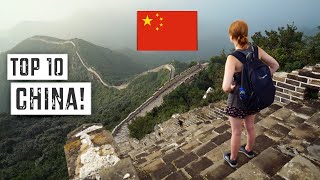
Hong Kong, Shanghai, the Great Wall and much more.
With Ryan and Emma / One Shot Adventures ...
[videogallery type=playlist id=PLIHYvA1qSN5P1hZGrHh418MUuols6OfPS c=2]
|

|
With Ben Norton, Radhika Desai and Michael Hudson ...
Bonus films : With Judge Napolitano and Jeffrey Sachs ...
With Douglas Macgregor ...
With Willene Business & Lifestyle ...
With Brian Berletic ...
|

|
|
With Char 787 ...
With Nick in China ...
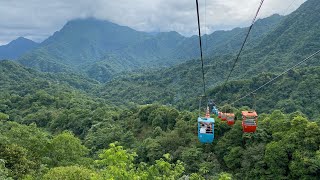
Visitor Guide: Mount Qingcheng & Dujiangyan
Introduction
Mount Qingcheng (青城山) and Dujiangyan (都江堰) are two of Sichuan's most famous cultural and natural landmarks. Located near Chengdu, they offer a unique blend of breathtaking scenery, ancient engineering marvels, and deep-rooted Taoist traditions. This guide will help you explore these sites and understand their spiritual significance.
Note: Both Mount Qingcheng and Dujiangyan are UNESCO World Heritage Sites, recognized for their cultural and historical importance.
Mount Qingcheng (青城山)
What to See
Shangqing Palace (上清宫): One of the most important Taoist temples on the mountain, Shangqing Palace is a serene place for reflection and meditation. It offers insights into Taoist practices and is surrounded by lush greenery.
Tianshi Cave (天师洞): This cave is said to be where Zhang Daoling, the founder of the Way of the Celestial Masters, practiced Taoism. It is a sacred site for Taoist pilgrims.
Jianfu Palace (建福宫): A quieter spot on the mountain, Jianfu Palace is perfect for those looking to experience the peacefulness of Taoism in a more secluded environment.
Natural Scenery: Mount Qingcheng is known for its dense forests, tranquil pathways, and beautiful mountain views, embodying the Taoist principle of harmony with nature.
Activities
Hiking: Explore the mountain's many trails, which vary in difficulty. The trails wind through ancient temples, caves, and pavilions, offering both spiritual and physical rejuvenation.
Meditation and Tai Chi: Engage in meditation or Tai Chi sessions at various temples, guided by local Taoist practitioners. This is a great way to connect with the spiritual atmosphere of the mountain.
Photography: Capture the natural beauty of the mountain, with its misty peaks and verdant landscapes, which are often compared to a classical Chinese painting.
Visitor Information
Location: About 65 kilometers (40 miles) west of Chengdu.
Opening Hours: 8:00 AM - 6:00 PM daily.
Best Time to Visit: Spring and autumn offer the best weather for hiking and sightseeing.
How to Get There: You can take a high-speed train from Chengdu to Qingchengshan Station, followed by a short bus or taxi ride to the mountain.
Dujiangyan (都江堰)
What to See
Yuzui (鱼嘴): The "Fish Mouth" is the central part of the Dujiangyan irrigation system, where the Min River is split into two channels. It is a marvel of ancient engineering that showcases the Taoist principle of working in harmony with nature.
Baopingkou (宝瓶口): This "Bottle-Neck Channel" regulates water flow into the irrigation system, another example of the Taoist-inspired design that emphasizes balance and non-interference.
Erwang Temple (二王庙): A temple dedicated to Li Bing and his son, the architects of Dujiangyan. The temple is a place of worship and offers great views of the irrigation system and surrounding mountains.
Activities
Walking Tours: Explore the ancient irrigation system on foot, with guided tours available to explain the history and engineering behind Dujiangyan.
Temple Visits: Participate in traditional ceremonies at Erwang Temple, where you can learn about the spiritual significance of water in Taoism.
Boat Rides: Take a boat ride on the Min River to experience the irrigation system from a different perspective and enjoy the scenic views.
Visitor Information
Location: Approximately 56 kilometers (35 miles) northwest of Chengdu.
Opening Hours: 8:00 AM - 6:00 PM daily.
Best Time to Visit: Spring and autumn, when the weather is mild and the scenery is at its best.
How to Get There: Buses and trains run regularly from Chengdu to Dujiangyan City. From there, local transportation can take you directly to the site.
Tips for Visitors
Dress Comfortably: Wear comfortable shoes and clothing suitable for hiking and walking. The weather can change quickly, so bring a light jacket.
Respect the Culture: When visiting temples, be respectful of religious practices. Quiet reflection is encouraged, and photography may be restricted in certain areas.
Stay Hydrated: Bring water, especially during the warmer months. There are also small vendors selling drinks and snacks along the trails.
Consider a Guided Tour: Hiring a guide can enhance your experience by providing detailed information about the historical and cultural significance of the sites.
Contact Information
Mount Qingcheng Visitor Center: +86 28 87288101
Dujiangyan Visitor Center: +86 28 87136100
Tourist Information Hotline: 12301 (China National Tourism Administration)
|
|
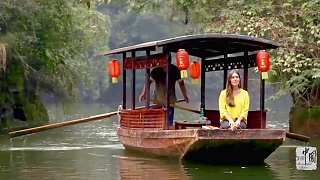
A charming micro movie that takes you to some of the many beautiful places in SiChuan province ...
|
|
Filmed in the late summer of 2010.
|

|
GuangDong Province Tour, China
This itinerary covers a diverse range of experiences in GuangDong Province, including exploring the vibrant cities of GuangZhou and ShenZhen, discovering the cultural heritage of the Pearl River Delta region, and relaxing on the beaches and islands along the coast.
Week 1: GuangZhou
Explore the historic sites of Guangzhou, including Yuexiu Park, the Chen Clan Ancestral Hall, and the Sun Yat-sen Memorial Hall.
Indulge in Cantonese cuisine at local restaurants and street food stalls, sampling dishes like dim sum, roast goose, and clay pot rice.
Shop for souvenirs and local specialties at markets like Shangxiajiu Pedestrian Street and Qingping Market.
Week 2: ShenZhen
Discover the modern cityscape of Shenzhen, including landmarks like the Ping An Finance Centre and the Window of the World theme park.
Explore cultural attractions such as the Dafen Oil Painting Village and the Shenzhen Museum.
Experience Shenzhen's diverse culinary scene, with influences from all over China and the world.
Week 3: Pearl River Delta Region
Visit historic towns like Foshan, known for its traditional martial arts and ceramics.
Explore the waterways of the Pearl River Delta, taking boat tours or cruises to see traditional villages and scenic landscapes.
Sample local delicacies like Cantonese-style seafood and traditional snacks in the region's markets and eateries.
Week 4: Coastal Cities and Islands
Relax on the beaches of Zhuhai and enjoy water sports or leisurely walks along the coast.
Take a day trip to the nearby islands of Hainan or Hong Kong for additional beach experiences and cultural exploration.
Explore the maritime history and architecture of cities like Zhanjiang and Jiangmen.
|

|
With Einar Tangen ...
|