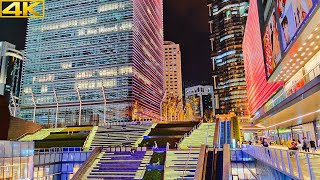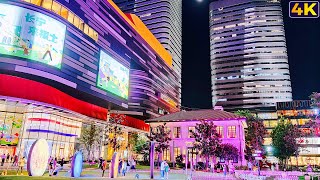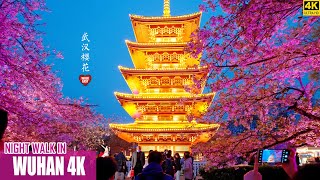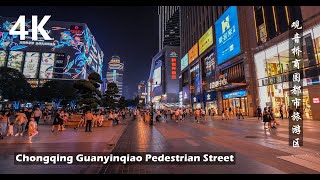
NanJing 南京 night walk

JiangSu province.

With Walk East ...

[640],shadow=true,start=,stop=

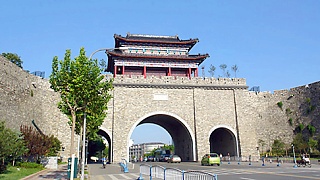
NanJing city wall walk ...

[320],shadow=true,start=,stop=

Nanjing, known as the Southern Capital, is one of China's most historically significant cities and a vibrant modern metropolis. Situated in the Jiangsu Province, Nanjing offers visitors a blend of rich history, cultural heritage, scenic landscapes, and modern amenities. Here's a guide to Nanjing for visitors:

Historical and Cultural Attractions:
Nanjing City Wall: Explore the remnants of the ancient city wall, one of the most well-preserved in China, offering panoramic views of the city and surrounding areas.

Sun Yat-sen Mausoleum: Pay homage to Dr. Sun Yat-sen, the founding father of modern China, at his grand mausoleum located at the foot of Purple Mountain.

Confucius Temple (Fuzimiao): Immerse yourself in traditional Chinese architecture, visit the Confucius Temple, and stroll along the Qinhuai River, known for its lively atmosphere and historic charm.

Nanjing Massacre Memorial Hall: Commemorates the victims of the Nanjing Massacre. Learn about this tragic chapter in history.

Presidential Palace: Explore the former presidential residence of China's early republican era, showcasing exhibits on Chinese history and culture.

Jiming Temple: Visit one of Nanjing's oldest temples, known for its serene atmosphere, beautiful gardens, and ancient pagodas.

Natural Beauty:
Purple Mountain (Zijin Shan): Escape the urban hustle and bustle with a visit to Purple Mountain, home to scenic hiking trails, tranquil lakes, and historical sites like the Ming Xiaoling Mausoleum.

Xuanwu Lake: Relax by the shores of Xuanwu Lake, a picturesque oasis in the heart of the city, offering boat rides, walking paths, and lush greenery.

Modern Landmarks:
Nanjing Olympic Sports Center: Experience modern Nanjing at the Olympic Sports Center, home to state-of-the-art sports facilities, shopping malls, and entertainment venues.

Nanjing Eye Pedestrian Bridge: Take a leisurely stroll across the Yangtze River on the Nanjing Eye Pedestrian Bridge, offering stunning views of the city skyline.

Culinary Delights:
Nanjing Salted Duck: Sample this local delicacy, known for its savory flavor and tender meat, at traditional restaurants throughout the city.

Nanjing Dumplings (Soup Dumplings): Indulge in Nanjing's famous soup dumplings, filled with flavorful broth and served piping hot.

Practical Information:
Transportation: Getting around Nanjing is easy, with an efficient public transportation system including buses, metro, and taxis.

Accommodation: Nanjing offers a range of accommodation options, from luxury hotels to budget-friendly hostels, catering to different preferences and budgets.

Language: Mandarin Chinese is the official language, but some locals may speak English, especially in tourist areas.

Nanjing's blend of historical significance, natural beauty, cultural richness, and modernity makes it a compelling destination for travelers seeking a diverse and immersive experience in China.
Related Videos


Featured Videos

Beautiful scenic areas in GuiZhou province
Bonus films - WuJiang Village ... WanFeng Forest ... FanJing Mountain ...
High-speed rail, BeiJing to ShangHai
With Jay and Karolina ...
Cloak and dagger in Hong Kong
'Umbrella' protests 2. Who's behind the curtain and what is the real agenda ? With Michelle Greenstein and Rick Sanchez of RT ...
A trip to Inner Mongolia 内蒙古 province
A beautiful film - don't miss it ...
The beautiful PingYao ancient city, ShanXi province
With China Walking Tour ... Ancient City of PingYao visitor guide Overview The Ancient City of PingYao, located in ShanXi province, is one of the best-preserved ancient walled cities in China. Recognized as a UNESCO World Heritage Site, Ping Yao offers a fascinating glimpse into China's architectural and cultural history. The city's layout, traditional buildings, and historical sites make it a must-visit destination for history enthusiasts and cultural explorers. History Ping Yao's history dates back over 2,700 years, with its origins in the Western Zhou Dynasty (1046–771 BC). The city flourished during the Ming (1368–1644) and Qing (1644–1912) dynasties as a center of trade, finance, and banking. Its well-preserved architecture and urban planning reflect the prosperous period of ancient China, making it an invaluable cultural and historical treasure. Main Attractions City Walls The ancient city walls of Ping Yao are among the most complete in China. Constructed during the Ming Dynasty, these imposing walls stretch for 6 kilometers and feature 72 watchtowers and numerous gates. Visitors can walk along the walls, enjoying panoramic views of the city and experiencing the historical significance of this ancient fortification. Rishengchang Draft Bank Rishengchang, established in the early 19th century, is considered the first draft bank in China. This historical site offers insights into the origins of China's banking system and showcases traditional banking practices. The museum within the bank exhibits artifacts and documents that highlight the financial history of Ping Yao. Ancient Government Office The Ancient Government Office, also known as the Ping Yao County Office, served as the administrative center of the city. This well-preserved complex includes the courthouse, prison, and various government offices. Visitors can explore the rooms and halls, gaining an understanding of the judicial and administrative processes of ancient China. Temple of the City God The Temple of the City God is a significant religious site in Ping Yao. Dedicated to the deity believed to protect the city, the temple features beautiful architecture, intricate carvings, and serene courtyards. It remains an active place of worship and offers a peaceful retreat for visitors. Culture and Traditions The Ancient City of Ping Yao is a cultural treasure trove, with a rich heritage of traditional customs, crafts, and festivals. The city's residents continue to preserve and celebrate their cultural traditions, offering visitors a unique opportunity to experience the living history of this ancient city. From traditional performances to local crafts, Ping Yao's cultural vibrancy is palpable. Activities and Experiences Walking Tours Explore Ping Yao on foot with a guided walking tour. These tours provide valuable insights into the city's history, architecture, and culture, and are led by knowledgeable local guides. Walking through the ancient streets and alleyways is a delightful way to immerse yourself in the city's unique charm. Shopping for Local Crafts The shops and markets in Ping Yao offer a variety of traditional crafts and handmade products. Visitors can shop for souvenirs, including lacquerware, paper cuttings, and traditional clothing, all crafted by local artisans. These items make for unique and meaningful mementos of your visit. Sampling Local Cuisine Ping Yao is known for its delicious local cuisine, which reflects the flavors and traditions of Shanxi province. Visitors can sample a range of traditional dishes at the city's restaurants and food stalls. Don't miss trying the local specialties, such as Ping Yao beef, daoxiao noodles, and steamed buns. Attending Festivals Throughout the year, Ping Yao hosts various traditional festivals that celebrate local culture and heritage. These festivals feature music, dance, and traditional performances, offering visitors a unique and immersive cultural experience. Check the local event calendar to see if any festivals coincide with your visit. Accommodation Ping Yao offers a range of accommodation options, including traditional guesthouses, boutique hotels, and homestays. Staying in a traditional courtyard hotel provides an authentic experience and allows visitors to immerse themselves in the historical atmosphere of the city. These accommodations often feature traditional architecture and décor, adding to the charm of your stay. Travel Tips Best Time to Visit: The best time to visit Ping Yao is during spring (April to June) and autumn (September to November) when the weather is pleasant, and the city is less crowded. Getting There: Ping Yao is accessible by train, with Ping Yao Ancient City Railway Station serving high-speed trains from major cities. The nearest airport is Taiyuan Wusu International Airport, which offers connections to various domestic and international destinations. Opening Hours: The ancient city is open to visitors year-round. Specific attractions and shops may have their own operating hours. Entrance Fees: There may be entrance fees for certain attractions within the city. It is advisable to check the latest fees before planning your visit. Dress Comfortably: Wear comfortable clothing and sturdy walking shoes, as the city's streets are cobbled and can be uneven. Respect Local Customs: Be respectful of local customs and traditions, especially when visiting temples and cultural sites. Always ask for permission before taking photos of people. Stay Hydrated: Carry water, especially if you plan on exploring the city extensively. It's also a good idea to bring snacks or purchase food from local vendors.
Real food vs fake food – real health vs symptom management (10 videos)
Refreshing FuJian province …
West Lake 西湖 boat trip, HangZhou 杭州
ZheJiang province. Xī Hú is a fresh water lake with the city on side. There are numerous temples, pagodas, gardens, bridges and artificial islands within and around the lake. West Lake is a UNESCO World Heritage Site as an outstanding example of Chinese garden arts and the guiding principle of harmony between human and nature.
MeiDaiZhao Temple (Lamasery), Inner Mongolia
With Nick in China ... Meidaizhao Temple Visitor Guide Located near Baotou in Inner Mongolia, Meidaizhao Temple (also known as Meidaizhao Lamasery) is a unique cultural landmark that blends Tibetan Buddhism with Mongolian and Han architectural influences. This guide provides everything you need to know for an enriching visit to this historical and spiritual site. Overview of Meidaizhao Temple History & Significance: Built in the late 16th century, during the reign of the Ming Dynasty, Meidaizhao Temple is one of the most important Tibetan Buddhist monasteries in Inner Mongolia. It was initially a palace for Altan Khan, a Mongol leader who played a key role in introducing Tibetan Buddhism to the region. The temple later evolved into a lamasery and continues to serve as a significant religious site for both monks and pilgrims. Architecture: Meidaizhao’s architecture is a fascinating blend of Mongolian, Tibetan, and Han Chinese styles, making it stand out among other temples in the region. The complex is surrounded by a fortress-like wall, and inside, visitors will find beautifully painted murals, prayer halls, and courtyards that reflect its spiritual importance and artistic beauty. Key Attractions in Meidaizhao Temple Main Prayer Hall The Main Prayer Hall, or "Sükhbaatar," is the heart of Meidaizhao Temple. This large, ornate building is used for religious ceremonies and prayers. Visitors can observe monks conducting rituals and admire the intricately painted murals that depict Buddhist stories and deities. White Pagoda One of the most iconic features of Meidaizhao is the White Pagoda, which stands tall against the backdrop of the vast grasslands. This stupa, a symbol of enlightenment in Buddhism, is a popular spot for pilgrims who come to offer prayers and walk clockwise around the structure for blessings. Mongolian Fortress Walls The temple complex is encircled by fortress-like walls that reflect its historical role as a defensive palace for Altan Khan. Walking along these walls provides stunning views of the surrounding landscape and offers a glimpse into the temple's past as a political and military stronghold. Buddhist Murals Inside the temple, visitors can find elaborate Buddhist murals that are well-preserved despite their age. These murals depict Tibetan Buddhist figures, scenes from religious texts, and Mongolian motifs, showcasing the cultural fusion that defines Meidaizhao. Travel Tip: Don't miss the chance to observe monks performing traditional Tibetan Buddhist rituals in the Main Hall. These ceremonies are deeply spiritual and offer a rare glimpse into the religious life of the lamasery. Practical Travel Information for Meidaizhao Temple When to Visit The best time to visit Meidaizhao Temple is during the late spring and early autumn months (May to October), when the weather is mild, and the grasslands surrounding the temple are lush and green. Summer can be warm, but it is also the peak season for local festivals, while winter is harsh and cold, making outdoor exploration difficult. Getting to Meidaizhao By Air: The nearest major airport is Baotou Airport, about 80 kilometers from the temple. From Baotou, you can hire a taxi or take a local bus to reach Meidaizhao. By Train: Baotou is well-connected by train to major cities in China. After arriving in Baotou, buses or taxis can take you directly to the temple. By Bus: Local buses operate from Baotou and other nearby towns, offering a budget-friendly option for reaching the temple. Private tours also often include transportation to the temple as part of their package. Accommodation There are limited accommodation options near Meidaizhao Temple. Most visitors stay in Baotou, which has a wide range of hotels, from budget to luxury. If you're interested in a more immersive experience, some guesthouses in the area offer basic lodging close to the temple grounds. It is recommended to book in advance, especially during peak seasons. Cultural Sensitivity As Meidaizhao is an active religious site, visitors should show respect by dressing modestly and refraining from loud conversations within the temple complex. Photography may be restricted in certain areas, especially inside prayer halls. Always ask for permission before taking photos of monks or religious ceremonies. Local Cuisine Inner Mongolian cuisine is known for its hearty, meat-heavy dishes. Near Meidaizhao, you can find local eateries serving traditional Mongolian food such as mutton, dairy products (such as milk tea and cheese), and a variety of grilled meats. For a unique experience, try the local "suutei tsai" (Mongolian milk tea) or "huoguo" (Mongolian hotpot). Travel Tip: If you visit during a local festival, such as the Naadam Festival, you’ll have the opportunity to witness traditional Mongolian sports like wrestling and horse racing. These cultural events add an extra dimension to your visit. Suggested Itinerary for Exploring Meidaizhao Temple Day 1: Arrive in Baotou and explore the city’s museums or enjoy a local Mongolian meal. In the afternoon, travel to Meidaizhao and take a walk around the temple's exterior, exploring the fortress walls and nearby grasslands. Day 2: Spend the morning exploring the temple complex. Visit the Main Prayer Hall to observe religious ceremonies, explore the White Pagoda, and admire the murals. Enjoy a traditional lunch at a local restaurant before returning to Baotou. Day 3: If time allows, visit nearby attractions such as the Dazhao Temple in Hohhot or take a tour of the Inner Mongolian grasslands for a more in-depth exploration of the region’s natural beauty and nomadic culture.

Tag search ?