HangZhou and SuZhou : economy and business

Films by the Department of Trade and Industry in the UK.

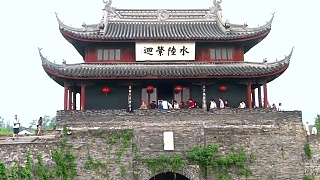
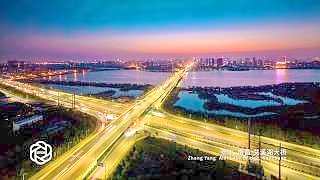
A look at these two beautiful cities, both not far from Shanghai, with a focus on business but also a general look at city life and their tourist sites.

[640],shadow=true,start=,stop=
[320],shadow=true,start=,stop=

Hangzhou, located in eastern China's Zhejiang province, is renowned for its picturesque West Lake, traditional tea culture, and historic sites. Here's a guide for tourists visiting Hangzhou:

West Lake and Scenic Areas:
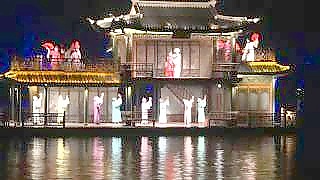
West Lake (Xi Hu): This UNESCO World Heritage Site is the centerpiece of Hangzhou's natural beauty, with its serene waters, pagodas, gardens, and surrounding hills. Visitors can take boat cruises, stroll along the lakeside paths, or rent bicycles to explore the area.

Leifeng Pagoda: Situated on the southern shore of West Lake, this historic pagoda offers panoramic views of the lake and the city skyline.

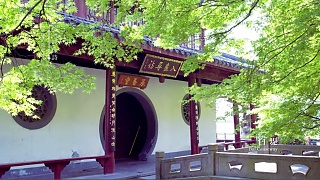
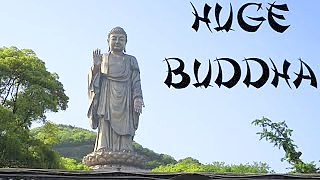
Lingyin Temple (Temple of the Soul's Retreat): One of the most important Buddhist temples in China, Lingyin Temple features ancient rock carvings, serene courtyards, and a large statue of Buddha.

Xixi Wetland Park: Explore the tranquil waterways, traditional villages, and lush greenery of this scenic wetland park, located on the outskirts of Hangzhou.

Tea Culture:
Longjing (Dragon Well) Tea Plantations: Hangzhou is famous for producing Longjing tea, one of China's most prized green teas. Visitors can tour the tea plantations in the nearby hills, learn about the tea-making process, and sample freshly brewed Longjing tea.

National Tea Museum: Learn about the history, cultivation, and cultural significance of tea in China at this informative museum located on the outskirts of Hangzhou.

Historic and Cultural Sites:
Six Harmonies Pagoda (Liuhe Pagoda): This ancient pagoda offers panoramic views of the Qiantang River and the surrounding countryside. It also houses a small museum showcasing Buddhist artifacts.

Hefang Street (Qinghefang Ancient Street): Stroll along this historic street lined with traditional shops, teahouses, and snack stalls selling local delicacies and handicrafts.

China National Silk Museum: Discover the art of silk production and the history of the silk trade in China at this museum, which features exhibits on silk weaving, dyeing techniques, and cultural artifacts.

Modern Attractions:
Hangzhou Grand Canal: Take a boat cruise along the Grand Canal, the world's longest and oldest canal, to admire the historic architecture and bustling waterfront scenes.

Hangzhou CBD (Central Business District): Explore the modern side of Hangzhou with its skyscrapers, shopping malls, and vibrant nightlife.

Practical Tips:
Transportation: Hangzhou has an extensive public transportation network, including buses, subways, and taxis. Bicycles and electric scooters are also popular options for getting around the city.

Weather: Hangzhou has a humid subtropical climate with hot, humid summers and mild, damp winters. Spring and autumn are the best times to visit when the weather is pleasant and the landscapes are at their most beautiful.

Language: Mandarin Chinese is the official language, but English may not be widely spoken outside of tourist areas. It's helpful to learn a few basic phrases or carry a translation app.

Hangzhou's blend of natural beauty, cultural heritage, and modern amenities makes it a captivating destination for tourists. Whether you're exploring historic sites, indulging in tea culture, or simply enjoying the tranquility of West Lake, Hangzhou offers a memorable experience for visitors of all interests.

Related Videos


Featured Videos

GuangZhou 广州 travel vlog
Provincial capital of GuangDong. GuangZhou, on the Pearl River about 120 kilometers (75 miles) north-northwest of Hong Kong, has a long history and was a major starting port for the Silk Road of the Sea. The city features avant-garde architecture such as the GuangZhou Opera House (also known as the Double Pebble), the carved, box-shaped GuangDong Museum, and the iconic, and unusually feminine, Canton TV Tower skyscraper, that resembles a slim hourglass.
Zhang JingYi (张婧懿) – Rose (玫瑰)
A beautifully understated, from the heart, performance. It gets our vote ...
FuZhou 福州 drive, capital of FuJian province
With Walk East ...
A trip to Kashgar, XinJiang province
With Li JingJing ... Visitor Guide to Kashgar, XinJiang Overview Kashgar, located in the XinJiang Uyghur Autonomous Region of China, is a city steeped in history and culture. It is known for its rich Silk Road heritage, bustling markets, and beautiful mosques. Kashgar is a melting pot of different cultures and ethnicities, with a unique blend of Uyghur, Han Chinese, and other influences. Getting There By Air: Kashgar Airport (KHG) is the main airport serving the city, with regular flights from major cities such as Urumqi, BeiJing, and ShangHai. The airport is located about 10 kilometers northeast of the city center. From the airport, you can take a taxi or a shuttle bus to reach your destination. By Train: Kashgar Railway Station is connected to major cities in XinJiang and beyond. The train journey from Urumqi to Kashgar offers stunning views of the region's diverse landscapes. The railway station is located about 5 kilometers from the city center. By Bus: Long-distance buses connect Kashgar with other cities in XinJiang. The main bus station is located in the city center, making it a convenient option for travelers. Getting Around Public Transport: Kashgar has a local bus network that covers major areas of the city. Buses are an affordable way to get around. Taxis: Taxis are widely available and relatively inexpensive. Make sure to have your destination written in Chinese or Uyghur for ease of communication. Biking: Bike rentals are available for those who want to explore the city at their own pace. Main Attractions Id Kah Mosque The Id Kah Mosque is the largest mosque in China and a central landmark in Kashgar. Built in 1442, it is a place of worship for the city's Muslim population and a beautiful example of Islamic architecture. Visitors can explore the mosque's courtyards, prayer halls, and gardens. Kashgar Old Town Kashgar Old Town is a maze of narrow streets, traditional mud-brick houses, and bustling bazaars. It's a great place to experience the city's unique culture and heritage. Wander through the streets, visit local shops, and try some traditional Uyghur cuisine. Sunday Market The Kashgar Sunday Market is one of the largest and most vibrant markets in Central Asia. Held every Sunday, it attracts traders and buyers from all over the region. You can find everything from fresh produce and spices to textiles, handicrafts, and livestock. Abakh Hoja Tomb The Abakh Hoja Tomb, also known as the Xiangfei Tomb, is a beautiful mausoleum built in the 17th century. It is the burial place of the famous Uyghur ruler Abakh Hoja and his family. The tomb is renowned for its stunning architecture and intricate tilework. Karakul Lake Located about 200 kilometers from Kashgar, Karakul Lake is a high-altitude lake surrounded by snow-capped mountains. The lake's crystal-clear waters and stunning scenery make it a popular destination for trekking and camping. Historical Significance Kashgar has a long and rich history as a major stop on the ancient Silk Road. It was an important hub for trade and cultural exchange between the East and West. Over the centuries, Kashgar has been influenced by various cultures, including Persian, Indian, Greek, and Arab, which is reflected in its diverse architecture and cultural heritage. The city has also been a center of Islamic learning and culture in China. The Id Kah Mosque and other religious sites in Kashgar attract pilgrims and scholars from all over the Muslim world. Local Cuisine Uyghur cuisine is a highlight of any visit to Kashgar. Here are some must-try dishes: Pilaf (Polo): A flavorful rice dish cooked with lamb, carrots, onions, and spices. Laghman: Hand-pulled noodles served with a savory sauce made of meat, vegetables, and spices. Kebab: Grilled skewers of marinated lamb or chicken, often served with flatbread and salad. Samsa: Baked pastries filled with minced meat and onions, similar to samosas. Nan: Traditional Uyghur bread baked in a tandoor oven, perfect for accompanying any meal. Shopping Sunday Market: The best place to buy local handicrafts, textiles, spices, and souvenirs. Don't forget to haggle for the best prices. Night Market: Explore the night market for a variety of street food and local snacks, as well as traditional Uyghur music and dance performances. Local Shops: Numerous shops in Kashgar sell unique items such as silk scarves, carpets, pottery, and jewelry. Accommodation Luxury Hotels: Kashgar offers several high-end hotels with excellent amenities, such as the Radisson Blu Hotel Kashgar and the Yue Xing Jin Jiang International Hotel. Mid-Range Hotels: There are numerous mid-range options providing comfortable accommodations at reasonable prices, including the Seman Hotel and the Kashgar Old City Youth Hostel. Budget Accommodations: Budget travelers can find affordable guesthouses, hostels, and budget hotels throughout the city. Tips for Visitors Best Time to Visit: The best times to visit Kashgar are spring (April to June) and autumn (September to November) when the weather is mild and pleasant. Clothing: Dress modestly, especially when visiting religious sites. Light, breathable clothing is recommended for the hot summer months, and warm layers for the colder seasons. Respect Local Customs: Be respectful of local customs and traditions, particularly in the predominantly Muslim areas. Always ask for permission before taking photos of people. Language: While Mandarin is widely spoken, knowing a few basic phrases in Uyghur can be helpful. English may not be commonly understood, so consider using a translation app. Plan Your Visit: Kashgar offers a rich mix of cultural, historical, and natural attractions. Plan your visit to include a variety of experiences to fully appreciate the city's diverse offerings. Conclusion Kashgar, with its rich history, vibrant culture, and stunning landscapes, offers a unique and unforgettable travel experience. Whether you're exploring the ancient streets of the Old Town, marveling at the architectural beauty of the Id Kah Mosque, or enjoying the breathtaking scenery of Karakul Lake, Kashgar promises a journey filled with discovery and wonder. Plan your visit carefully to make the most of your time in this extraordinary city in XinJiang.
Explore beautiful XinJiang 新疆 province …
An awesome film - don't miss it ... September trip, in 2017; charming couple. XinJiang, north west China, includes the Tien Shan and Kunlun Shan mountains, the Taklimakan Desert, and the Tarim Basin.
Geopolitics update – August 2024
With The Duran ... With Inside China Business .. China's opening vs, The US's closing - with Liu Xin / CGTN and Jeffrey Sachs ... With Dialogue Works, plus Michael Hudson and Richard Wolff ... The Greater Bay Area, with Cyrus Janssen and Alex / Reporterfy Media ... On the global south / multipolarism, with Ben Norton ... On the global economy, with Warwick Powell and The Bridge Podcast ... Malaysia joins BRICS - with Lena Petrova ... With Anna Malingdog-Uy ... On the US abuse of the Philippines - with Brian Berletic / The New Atlas ... On the nature and rise of the US neocons - with Michael Brenner and Pascal Lottaz / Neutrality Studies ... On NATO and colonialism - with Jeff Rich ...
Quick fact – CO2 emissions per capita
Canada : 18.6 Australia : 17.1 US : 15.5 Russia : 11.4 ... China : 7.4 That is, twice the CO2 emissions in the US versus China. Source : https://www.worldometers.info/co2-emissions/co2-emissions-per-capita/
YangTze River trip
Also denoted YangZi or Chang Jiang ...
China’s economic future
With Ben Norton, Radhika Desai and Michael Hudson ... Bonus films : With Judge Napolitano and Jeffrey Sachs ... With Douglas Macgregor ... With Willene Business & Lifestyle ... With Brian Berletic ...

Tag search ?