Going to University ? Go to / stay in China

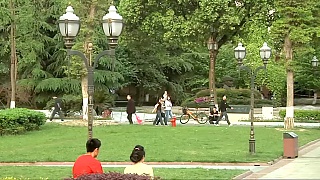
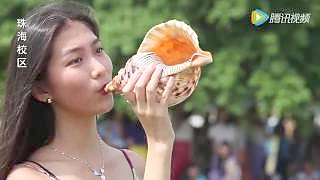
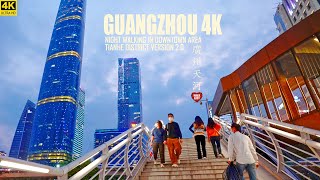
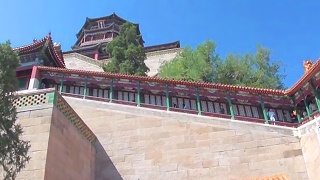
Chinese students are increasingly, and rightly so, avoiding studying in the West, where standards are declining, fees are extremely high, healthcare is either appalling or extremely expensive, the cities and towns are dingy and filled with homeless people and violence, the accommodation is dreadful and the food even worse; and where dangers abound. In contrast, Chinese universities are the far better choice.

Besides, why fund countries that see China as an adversary, where Chinese products are banned and the media is increasingly hostile, and you could be labelled a spy ?

Don't waste the 'best years of your life' !

[640],shadow=true,start=,stop=

YT comments :

"I’m from Canada and I would never send my kids to study on the US. It’s just not safe. The quality of US education is declining. I’d rather send my kids to school in China than US."

"The university in the West has very little to offer other than the English language. Chinese technology is more advanced, and Chinese students get better jobs after finishing Chinese university."

"Let's be realistic. Where can you learn the AI best? China. Where can you learn quantum computer? China. Where can you learn best about rocket engines and space science? China landed a rover on the moon several times. Where can you learn chemistry and micro biology? China. Do you name anything? China has more advanced technology. Chinese students learn and speak English in China, so why pay high tuition to learn English outside?"


Related Videos


Featured Videos

The Great Wall 长城 of China – JinShanLing to SiMaTai (Ultra HD, 4K)
This is an awesome stretch of the Great Wall about two hours or so north east of Beijing. Thrilling, peaceful and picturesque ...
Vegan and vegetarian dining in China 中国
All restaurants will have dishes to cater for vegans and vegetarians but to be certain there's no trace of meat or meat oil or egg in your food, head to a specialized vegetarian restaurant. There are quite a few in all major cities but you'll need to look them up on the net. Some of these are run by devotees, some exist to cater to Buddhist people. Some have 'meat substitutes', such as vegetable based chicken, duck, prawns, etc., made from things like bean curd and mushroom, and are remarkably good. In these films, Nadine shows us some of what you can eat in BeiJing ... Hot tip : A great dish you can get at many restaurants is Di San Xian 地三鮮 (literally, '3 things from the earth') - stir fried potato, aubergine (egg-plant) and green pepper. Mildly spicy, filling, comforting and delicious; a great choice for anyone. Bonus film - a wander through BeiJing and a trip to the Great Wall of China (GuBeiKou and SiMaTai) ...
Something different – Bliss : Afterlife (music album)
Bliss : Afterlife - album released 2001. Includes : If Heaven Closes (6:10) and Will You Remember My Name (46:25). Brew some green tea, draw the curtains, and sink into your favorite space. Close your eyes and let the journey begin; let's fly among the stars and see our world from afar; come back anew ... Do support Bliss, this wonderful music talent, by buying the original CD / official download.
Amazing JiLin 吉林 province
North east China. The capital is ChangChun. An awesome film ...
MiuMiu at eight years old birthday – Pachelbel’s Canon in D, in rock guitar
Zhu Ni ShengRi KuaiLe (Happy Birthday to You) 祝你生日快乐 🎂 ! You rock 🎵 MiuMiu GuitarGirl's eighth birthday song. "I didn't expect that !" Thank you for the music :) 🎸 Awesome shredding - don't miss it ... Bonus film - SunnyDay (cover, Jay Chou) 周杰伦 晴天 翻唱 ... Plus - L'Internationale 国际歌 ... 'And this is my flamenco guitar masterclass' ... Guitar factory visit (fascinating) ... A Soft Heart | MiuMiu's MV 心太软 华语经典 ... Receiving a YouTube silver plaque ...
Ending poverty (2 / 2)
DaLi, YunNan province trip
With Willene Business & Lifestyle ... Bonus film - with Seiu Travel ...
BinZhou city, ShanDong province
With Valeriy Blank ...
GuanDi Temple (Temple of Guan Yu), DaTong, ShanXi province
With Andy see the World ... Guandi Temple (关帝庙), commonly referred to as the Grand Temple, is dedicated to the worship of Guan Yu, a revered general from the Three Kingdoms period. Originally built during the Yuan Dynasty, the temple remarkably retains its original Yuan Dynasty hall, making it the only surviving Yuan Dynasty structure within the Datong Ancient City. The architectures in the scenic area include: Shanmen (Mountain Gate): The entrance to Guandi Temple is marked by the Shanmen, a three-bay wide structure with a suspended mountain-style roof. The gate is adorned with a couplet inscribed on it, reading “Loyalty to the Han dynasty in the three kingdoms, ambition in one book of Spring and Autumn,” which reflects the values and aspirations attributed to Guan Yu. Chongsheng Hall (Passing Hall): Inside the Chongsheng Hall, a majestic bronze statue of Guan Yu riding a horse dominates the space. Standing at 3.3 meters tall and weighing two tons, the statue exudes the heroic and commanding presence of Guan Yu as a military leader. Main Hall (Wusheng Hall): The Wusheng Hall is the central structure of the temple complex, notable for its single-eave nine-ridge roof covered with glittering glazed tiles. The interior of the hall features a three-bay shrine at the front, connected by two finely carved golden columns. The shrine includes intricate wooden niches designed in the style of ancient wooden structures, with detailed carvings and a double-eave hip-and-gable roof. The niches are adorned with decorative patterns, and the space is embellished with colored paintings and gold-plated elements, showcasing the exquisite craftsmanship of the Qing Dynasty. Jieyi Garden (Brotherhood Garden): Located in the west courtyard, Jieyi Garden houses the Jieyi Hall and the Wuhou Shrine. In spring, the garden comes alive with blossoming peach flowers, filling the air with a delightful fragrance. Guandi Temple (Temple of Guan Yu), Datong Guandi Temple, also known as the Temple of Guan Yu, is a historic and culturally significant site located in Datong, Shanxi province. Dedicated to Guan Yu, a legendary general from the Three Kingdoms period, the temple is a testament to his enduring legacy as a symbol of loyalty, righteousness, and bravery. Here’s a detailed guide to everything you need to know about this remarkable temple. History and Background The Guandi Temple in Datong dates back to the Yuan Dynasty (1271–1368), with subsequent renovations during the Ming (1368–1644) and Qing (1644–1912) dynasties. Guan Yu, the temple’s namesake, was a revered general during the Three Kingdoms period and later deified as a god of war and loyalty. The temple was built to honor his virtues and has since become a place of worship and cultural significance. Architecture and Layout The temple is a fine example of traditional Chinese temple architecture, featuring: Grand Hall (Main Hall): The central hall houses a large statue of Guan Yu, depicted in his iconic pose with a long beard and a guandao (a type of pole weapon). Stone Tablets: Inscriptions on stone tablets detail the history of the temple and the life of Guan Yu. Courtyards: The temple complex includes several courtyards, each with its own unique features, such as ancient trees and decorative carvings. Roof Decorations: The roofs are adorned with intricate glazed tiles and statues of mythical creatures, symbolizing protection and good fortune. Main Attractions Here’s a detailed look at the must-see spots within the Guandi Temple: 1. Statue of Guan Yu The centerpiece of the temple is the imposing statue of Guan Yu, which stands in the Grand Hall. The statue is crafted with meticulous detail, showcasing Guan Yu’s威严 (majestic presence) and his iconic weapon, the Green Dragon Crescent Blade. 2. Stone Tablets and Inscriptions Scattered throughout the temple, these tablets provide historical insights into Guan Yu’s life and the temple’s construction. Some inscriptions are written in ancient calligraphy, adding to the temple’s cultural value. 3. Ancient Trees The temple grounds are home to several ancient trees, some of which are hundreds of years old. These trees add to the serene and timeless atmosphere of the temple. 4. Decorative Carvings The temple features intricate wood and stone carvings, depicting scenes from Chinese mythology and Guan Yu’s legendary exploits. These carvings are a testament to the skill and artistry of ancient Chinese craftsmen. Cultural Significance Guandi Temple is not just a place of worship but also a cultural landmark that reflects the values of loyalty, righteousness, and bravery embodied by Guan Yu. Key cultural aspects include: Worship of Guan Yu: Guan Yu is worshipped as a god of war, loyalty, and righteousness, and is also considered a protector of businesses. Visitors often pray for success, protection, and good fortune. Festivals and Rituals: During important festivals, such as Guan Yu’s Birthday (24th day of the 6th lunar month), the temple hosts ceremonies and performances. These events attract devotees and tourists alike, creating a vibrant atmosphere. Symbolism: The temple’s architecture and artifacts are rich in symbolism, reflecting traditional Chinese beliefs and values. How to Get There Guandi Temple is located in the heart of Datong, making it easily accessible: By Public Transport: Take a local bus or taxi to the temple. It’s a short ride from Datong’s city center. By Car: If you’re driving, parking is available near the temple. Best Time to Visit Spring (April–June): Pleasant weather and blooming flowers make this an ideal time to visit. Autumn (September–October): Cool temperatures and clear skies provide perfect conditions for exploring. During Festivals: Visiting during Guan Yu’s Birthday or other festivals offers a unique cultural experience. Travel Tips Dress Modestly: As a place of worship, it’s respectful to dress modestly when visiting the temple. Respect Local Customs: Follow temple etiquette, such as not touching artifacts and maintaining a quiet demeanor. Hire a Guide: Consider hiring a local guide to gain deeper insights into the temple’s history and significance. Combine with Other Attractions: Datong is home to other famous sites like the Yungang Grottoes and Hanging Temple, so plan a combined itinerary. Why Visit Guandi Temple? Guandi Temple is a must-visit destination for: History Enthusiasts: Learn about Guan Yu’s legendary life and the temple’s rich history. Cultural Explorers: Experience traditional Chinese architecture, art, and religious practices. Spiritual Seekers: Pay homage to Guan Yu and seek blessings for loyalty, success, and protection. Whether you’re drawn by history, culture, or spirituality, Guandi Temple in Datong offers a fascinating and enriching experience.

Tag search ?