 China – a meritocracy
A talk by Eric X. Li ...
[640],shadow=true,start=,stop=Related Videos
















Featured Videos

|
With Walk East ...
|

|
Beautiful place; lovely film ...
|
|
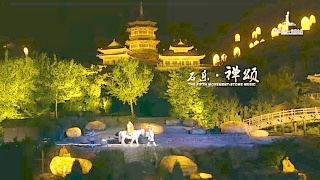
Shaolin Temple is located near the base of SongShan Mountain near DengFeng in Henan province and is the cradle of ShaoLin Kung Fu Buddhist culture.
The live show is located in DaiXian Valley, 7 kilometers from the ShaoLin Temple and ten kilometers south of DengFeng in ZhengZhou city. Performances: 20:00 - 21:15 between mid-March and mid-November.
Awesome ...
|

|
SiChuan province.
成都大熊猫繁育研究基地
|

|
With ErMi ChuiYan ...
|

|
Humans are not designed to eat sugar and refined carbohydrates (more sugar); the illnesses these cause (via insulin resistance) are many and the understanding of the link still not well known.
With Dr. Eric Berg and Ghaida ...
|

|

|
With Reporterfy Media ...
With Seiu Travel ...
|

|
XiaMen Attractions
Gulangyu Island (鼓浪屿) - Gǔlàngyǔ
A charming island known for its colonial architecture, winding streets, and lush gardens. Visitors can explore historic buildings, enjoy panoramic views of the sea, and discover attractions such as the Piano Museum and Sunlight Rock.
Xiamen University (厦门大学) - Xiàmén Dàxué
Renowned for its beautiful campus, Xiamen University features traditional Chinese architecture, scenic lakes, and tranquil gardens. Visitors can stroll around the campus, admire the architecture, and enjoy the serene atmosphere.
Zhongshan Road Pedestrian Street (中山路步行街) - Zhōngshān Lù Bùxíng Jiē
This bustling street is a popular shopping destination in Xiamen, offering a wide range of shops, boutiques, restaurants, and street vendors. Visitors can shop for souvenirs, sample local delicacies, and soak in the lively atmosphere.
Haicang Safari Park (海沧动物园) - Hǎicāng Dòngwùyuán
Located in Haicang District, this safari park is home to a variety of exotic animals, including lions, tigers, and elephants. Visitors can enjoy animal shows, feeding sessions, and educational exhibits about wildlife conservation.
Xiamen Botanical Garden (厦门园林植物园) - Xiàmén Yuánlín Zhíwùyuán
Spanning over 40 hectares, the botanical garden boasts a diverse collection of plants, flowers, and trees. Visitors can explore scenic trails, admire themed gardens, and enjoy peaceful surroundings.
Jimei School Village (集美学村) - Jíměi Xué Cūn
Founded by the renowned educator Tan Kah Kee, Jimei School Village features a blend of Western and Chinese architecture. Visitors can visit museums, gardens, and historic buildings, learning about the area's cultural heritage.
Hulishan Fortress (胡里山炮台) - Húlǐshān Pàotái
Situated by the sea, this coastal fortress offers panoramic views of Xiamen Bay and the surrounding area. Visitors can explore the fortress, admire historic cannons, and learn about its significance in local history.
Xiamen Science and Technology Museum (厦门科技馆) - Xiàmén Kējìguǎn
A hands-on museum with interactive exhibits and educational activities focused on science and technology. Visitors of all ages can learn about topics such as astronomy, robotics, and environmental science.
Nanputuo Temple (南普陀寺) - Nánpǔtuó Sì
A Buddhist temple known for its ornate architecture, beautiful gardens, and cultural relics. Visitors can explore the temple complex, admire the statues and artwork, and enjoy peaceful surroundings.
Zengcuo'an Village (曾厝垵) - Zēngcuò'ān
A picturesque seaside village with colorful buildings, cobblestone streets, and artistic murals. Visitors can wander around the village, browse boutique shops, and sample local snacks and seafood.
Xiamen Twin Towers (双子塔) - Xiàmén Shuāngzǐ Tǎ
Iconic skyscrapers offering panoramic views of Xiamen city and the coastline. Visitors can take elevators to observation decks, enjoy breathtaking views, and capture memorable photos of the cityscape.
Huandao Road (环岛路) - Huándǎo Lù
A scenic coastal road popular for cycling, jogging, and sightseeing. Visitors can rent bicycles, explore beaches and parks along the route, and admire views of the sea and surrounding landscapes.
Xiamen Piano Museum (厦门钢琴博物馆) - Xiàmén Gāngqín Bówùguǎn
A museum dedicated to pianos and musical instruments, showcasing the history and artistry of piano manufacturing. Visitors can admire vintage pianos, learn about famous composers, and enjoy musical performances.
Xiamen International Convention and Exhibition Center (厦门国际会展中心) - Xiàmén Guójì Huìzhǎn Zhōngxīn
A venue for exhibitions, conferences, and cultural events, located by the sea. Visitors can attend trade shows, art exhibitions, and entertainment events, contributing to Xiamen's cultural scene.
Wanshi Botanical Garden (万石植物园) - Wànshí Zhíwùyuán
A botanical garden with diverse plant collections, nature trails, and themed gardens. Visitors can explore different ecosystems, learn about plant species, and enjoy a peaceful retreat into nature.
Xiamen Railway Cultural Park (厦门铁路文化公园) - Xiàmén Tiělù Wénhuà Gōngyuán
A park featuring historic railway exhibits, including vintage trains and locomotives. Visitors can learn about the history of railways in China, explore outdoor exhibits, and enjoy family-friendly activities.
Xiamen Guanyinshan Sand Sculpture Cultural Park (观音山沙雕文化公园) - Guānyīnshān Shādiāo Wénhuà Gōngyuán
A park showcasing intricate sand sculptures and cultural exhibits, set against the backdrop of Guanyinshan Mountain. Visitors can admire the detailed craftsmanship of sand sculptures, learn about Chinese culture, and enjoy outdoor performances and activities.
Xiamen Underwater World (厦门海底世界) - Xiàmén Hǎidǐ Shìjiè
An aquarium showcasing a variety of marine life, including sharks, turtles, and colorful coral reefs. Visitors can explore themed exhibits, attend feeding shows, and learn about underwater ecosystems.
Xiamen Bailuzhou Park (厦门白鹭洲公园) - Xiàmén Báilùzhōu Gōngyuán
A waterfront park with walking paths, gardens, and recreational facilities. Visitors can enjoy scenic views of the sea, relax in the shade of trees, and participate in outdoor activities such as kite flying.
Haiwan Park (海湾公园) - Hǎiwān Gōngyuán
A coastal park with playgrounds, sculptures, and picnic areas. Visitors can enjoy leisurely walks along the waterfront, soak in views of the sea, and relax in a peaceful setting.
Additionally, Xiamen boasts several beautiful beaches, including popular ones like Baicheng Beach (白城沙滩) and Huangcuo Beach (黄厝沙滩). These beaches offer opportunities for swimming, sunbathing, and water sports, making them perfect for families looking to relax and enjoy the coastal scenery.
Top pick for kids :
Xiamen Haicang Dream Coast (厦门海沧梦幻海岸) A family-friendly destination offering a variety of attractions and activities that young kids will love. This entertainment complex combines amusement park rides, interactive exhibits, and educational experiences in a vibrant seaside setting. Attractions and Activities:
Theme Park Rides: The Dream Coast features a range of amusement park rides suitable for young children, including carousels, kiddie roller coasters, bumper cars, and more. These rides provide thrilling experiences while ensuring safety for young riders.
Water Play Areas: There are water play areas and splash pads where kids can cool off and have fun splashing around in the water. These areas are designed with colorful water features, slides, and interactive elements that provide hours of entertainment.
Interactive Exhibits: The complex may also include interactive exhibits and educational attractions where kids can learn about science, nature, and the environment through hands-on activities and engaging displays. These exhibits encourage curiosity and exploration in a fun and stimulating environment.
Live Shows and Performances: Regular live shows, performances, and entertainment events are often held at the Dream Coast, featuring colorful stage productions, music, dance, and character appearances. These shows captivate young audiences and provide memorable experiences for the whole family.
Playgrounds and Play Areas: There are designated playgrounds and play areas equipped with slides, swings, climbing structures, and other play equipment suitable for young children. These areas offer opportunities for active play and social interaction in a safe and supervised environment.
Family-Friendly Dining and Shopping: The complex may include family-friendly restaurants, cafes, and snack bars offering a variety of food and beverage options to satisfy hungry appetites. Additionally, there may be souvenir shops and retail stores selling toys, gifts, and merchandise related to the park's themes.
Overall, Xiamen Haicang Dream Coast provides a fun and entertaining experience for young kids, offering a mix of amusement park rides, water play areas, interactive exhibits, and live entertainment in a vibrant seaside setting. It's a place where families can create lasting memories and enjoy quality time together.
TuLou
Tulou, also known as "earthen buildings," are traditional communal residences built by the Hakka and Minnan people of southern China. These unique circular or square structures are made of earth, wood, and other local materials, and they served as fortified villages to house multiple families.
The tulou are within a few hours' drive from the city. Some of the most famous tulou clusters include:
Tianluokeng Tulou Cluster (田螺坑土楼群): Located in Yongding County, about 3-4 hours by car from Xiamen, Tianluokeng is known for its unique "four dishes and one soup" layout, featuring a square tulou at the center surrounded by four round tulou buildings.
Nanxi Tulou Cluster (南溪土楼群): Also in Yongding County, the Nanxi Tulou Cluster is characterized by its scenic surroundings, with tulou nestled among green hills and flowing rivers. It takes around 3-4 hours to reach Nanxi from Xiamen.
Chuxi Tulou Cluster (初溪土楼群): Another notable tulou cluster in Yongding County, Chuxi is known for its well-preserved tulou buildings and tranquil rural atmosphere. It's also about 3-4 hours away from Xiamen.
These tulou clusters offer a fascinating glimpse into traditional Hakka architecture and culture, making them popular destinations for tourists interested in history, architecture, and rural life in southern China. Visitors to Xiamen can arrange day trips or overnight stays to explore these unique UNESCO World Heritage sites.
TuLou are featured in the awesome animated movie : "Big Fish and Begonia", which everyone must see !
|