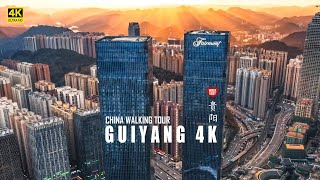
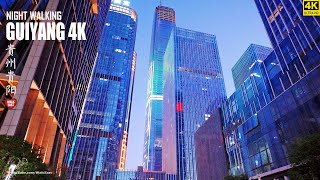
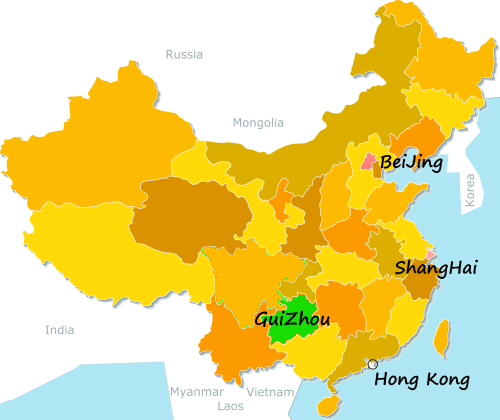
GuiZhou map
Live more ...
 TongRen night walk, GuiZhou province

|
Bliss : Afterlife - album released 2001.
Includes : If Heaven Closes (6:10) and Will You Remember My Name (46:25).
Brew some green tea, draw the curtains, and sink into your favorite space. Close your eyes and let the journey begin; let's fly among the stars and see our world from afar; come back anew ...
Do support Bliss, this wonderful music talent, by buying the original CD / official download.
|
|
A selection of the songs and fireworks ...
|
|
XiāngGéLǐLā, YunNan province.
Wonderful films; awesome videography ...
|

|
With shiitake mushrooms, soft dofu (tofu), eggs, sliced bamboo shoots, thin sliced red pepper, thin sliced carrots, chopped spring onion, rice vinegar, soy sauce, white pepper powder, chopped / minced ginger and a little corn starch - delicious ...
|
|
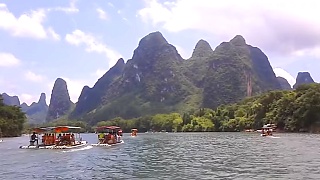
The Li River between YangShuo and GuiLin, plus the '2 rivers, 4 lakes GuiLin night cruise', GuangXi province ...
|
|
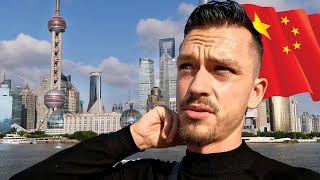
With Dany Dev ...
A Guide to China's High-Speed Rail Network
China's high-speed rail (HSR) network is the largest and most advanced in the world, offering an efficient, modern, and fast way to travel across the country. Since its inception, the network has revolutionized travel within China, making it easier and quicker to connect cities and regions that were once separated by long distances.
Overview of the High-Speed Rail Network
Size and Scope: As of 2024, China’s HSR network spans over 40,000 kilometers (25,000 miles), connecting nearly all major cities across the country. The network is continuously expanding, with new lines being constructed each year.
Speed: Trains on the high-speed network typically travel at speeds ranging from 250 to 350 kilometers per hour (155 to 217 miles per hour). Some of the fastest trains, such as those on the Beijing–Shanghai line, can reach speeds up to 350 km/h.
Key Routes:
Beijing-Shanghai: This flagship route is one of the busiest and most popular, covering a distance of 1,318 kilometers (819 miles) in about 4.5 hours.
Beijing-Guangzhou: One of the longest HSR routes in the world, spanning 2,298 kilometers (1,428 miles) and taking around 8 hours.
Shanghai-Hong Kong: Connects the financial hub of Shanghai with the vibrant city of Hong Kong, covering 1,200 kilometers (746 miles) in approximately 8 hours.
Xi’an-Chengdu: A scenic route that links the historic city of Xi’an with Chengdu, famous for its pandas, covering 658 kilometers (409 miles) in about 3 hours.
Guangzhou-Shenzhen-Hong Kong: This line offers a rapid connection between the three major economic hubs, with a travel time of about 14 minutes from Shenzhen to Hong Kong.
Features of China’s High-Speed Trains
Train Classes: China’s high-speed trains are classified primarily into three categories based on speed and service:
G-Class (Gaotie): The fastest trains, operating at speeds up to 350 km/h. These are typically used on major routes like Beijing-Shanghai.
D-Class (Dongche): Slightly slower, operating at speeds up to 250-300 km/h. These trains are often used on shorter or less busy routes.
C-Class: Suburban trains designed for short-distance travel, operating at speeds up to 200-250 km/h.
Comfort and Amenities:
Seating: HSR trains offer different classes of seating, including Second Class, First Class, and Business Class.
Business Class offers the most luxurious experience, with wide reclining seats and more space.
Facilities: Trains are equipped with modern amenities such as power outlets, Wi-Fi (on some trains), clean restrooms, and food and beverage services. Quiet carriages are also available for passengers who prefer a more serene environment.
Punctuality: The HSR network is known for its punctuality, with trains typically departing and arriving on time.
Key Stations and Infrastructure
Major Hubs:
Beijing South Railway Station: One of the largest and busiest HSR stations, serving as a key hub for northern and central China.
Shanghai Hongqiao Railway Station: A massive transportation hub that integrates rail, air, and metro services, making it one of the most important stations in eastern China.
Guangzhou South Railway Station: A key gateway to southern China, connecting the region with major cities like Shenzhen and Hong Kong.
Wuhan Railway Station: A central hub in the heart of China, crucial for connections between the east and west.
Modern Design: The stations are often architectural marvels, designed to handle large volumes of passengers efficiently. Many stations are integrated with other forms of transport, including metro lines and airports, making transfers seamless.
Benefits of Using the High-Speed Rail Network
Speed and Efficiency: High-speed trains are often faster than flying when considering the time spent on security checks and travel to and from airports. For distances up to 1,200 kilometers (746 miles), trains are often the quickest option.
Convenience: With frequent departures, extensive coverage, and easy booking options (including online and mobile apps), the HSR network is extremely convenient for both domestic and international travelers.
Environmental Impact: HSR is a greener option compared to air travel, contributing less to carbon emissions per passenger kilometer.
Challenges and Future Prospects
Expansion to Rural Areas: While the HSR network covers most major cities, there are ongoing efforts to expand services to more rural and remote areas, ensuring broader access.
International Links: China is also exploring international HSR connections, such as a proposed high-speed rail link to Moscow, Russia, which could enhance connectivity beyond China's borders.
Technological Advances: China is investing in maglev (magnetic levitation) technology, which could further increase speeds to around 600 km/h (373 mph), positioning China at the forefront of global rail innovation.
Tips for Travelers
Booking Tickets: Tickets can be booked online, at stations, or through travel agencies. During peak travel times, such as Chinese New Year, it is advisable to book tickets well in advance.
Travel Documents: Foreign travelers will need to present their passports when booking tickets and boarding trains.
Luggage: There are generous luggage allowances on HSR trains, with space available for larger items in overhead compartments or at the ends of carriages.
Language: While English signage is available in major stations, it is useful to have your destination written in Chinese to show to station staff if needed.
Conclusion
China’s high-speed rail network is a remarkable achievement in modern transportation, offering an efficient, comfortable, and eco-friendly way to explore the vast and diverse landscapes of the country. Whether you are traveling for business or leisure, the HSR network provides an unparalleled travel experience that continues to set global standards.
|

|
With Li JingJing ...
Visitor Guide to Kashgar, XinJiang
Overview
Kashgar, located in the XinJiang Uyghur Autonomous Region of China, is a city steeped in history and culture. It is known for its rich Silk Road heritage, bustling markets, and beautiful mosques. Kashgar is a melting pot of different cultures and ethnicities, with a unique blend of Uyghur, Han Chinese, and other influences.
Getting There
By Air: Kashgar Airport (KHG) is the main airport serving the city, with regular flights from major cities such as Urumqi, BeiJing, and ShangHai. The airport is located about 10 kilometers northeast of the city center. From the airport, you can take a taxi or a shuttle bus to reach your destination.
By Train: Kashgar Railway Station is connected to major cities in XinJiang and beyond. The train journey from Urumqi to Kashgar offers stunning views of the region's diverse landscapes. The railway station is located about 5 kilometers from the city center.
By Bus: Long-distance buses connect Kashgar with other cities in XinJiang. The main bus station is located in the city center, making it a convenient option for travelers.
Getting Around
Public Transport: Kashgar has a local bus network that covers major areas of the city. Buses are an affordable way to get around.
Taxis: Taxis are widely available and relatively inexpensive. Make sure to have your destination written in Chinese or Uyghur for ease of communication.
Biking: Bike rentals are available for those who want to explore the city at their own pace.
Main Attractions
Id Kah Mosque
The Id Kah Mosque is the largest mosque in China and a central landmark in Kashgar. Built in 1442, it is a place of worship for the city's Muslim population and a beautiful example of Islamic architecture. Visitors can explore the mosque's courtyards, prayer halls, and gardens.
Kashgar Old Town
Kashgar Old Town is a maze of narrow streets, traditional mud-brick houses, and bustling bazaars. It's a great place to experience the city's unique culture and heritage. Wander through the streets, visit local shops, and try some traditional Uyghur cuisine.
Sunday Market
The Kashgar Sunday Market is one of the largest and most vibrant markets in Central Asia. Held every Sunday, it attracts traders and buyers from all over the region. You can find everything from fresh produce and spices to textiles, handicrafts, and livestock.
Abakh Hoja Tomb
The Abakh Hoja Tomb, also known as the Xiangfei Tomb, is a beautiful mausoleum built in the 17th century. It is the burial place of the famous Uyghur ruler Abakh Hoja and his family. The tomb is renowned for its stunning architecture and intricate tilework.
Karakul Lake
Located about 200 kilometers from Kashgar, Karakul Lake is a high-altitude lake surrounded by snow-capped mountains. The lake's crystal-clear waters and stunning scenery make it a popular destination for trekking and camping.
Historical Significance
Kashgar has a long and rich history as a major stop on the ancient Silk Road. It was an important hub for trade and cultural exchange between the East and West. Over the centuries, Kashgar has been influenced by various cultures, including Persian, Indian, Greek, and Arab, which is reflected in its diverse architecture and cultural heritage.
The city has also been a center of Islamic learning and culture in China. The Id Kah Mosque and other religious sites in Kashgar attract pilgrims and scholars from all over the Muslim world.
Local Cuisine
Uyghur cuisine is a highlight of any visit to Kashgar. Here are some must-try dishes:
Pilaf (Polo): A flavorful rice dish cooked with lamb, carrots, onions, and spices.
Laghman: Hand-pulled noodles served with a savory sauce made of meat, vegetables, and spices.
Kebab: Grilled skewers of marinated lamb or chicken, often served with flatbread and salad.
Samsa: Baked pastries filled with minced meat and onions, similar to samosas.
Nan: Traditional Uyghur bread baked in a tandoor oven, perfect for accompanying any meal.
Shopping
Sunday Market: The best place to buy local handicrafts, textiles, spices, and souvenirs. Don't forget to haggle for the best prices.
Night Market: Explore the night market for a variety of street food and local snacks, as well as traditional Uyghur music and dance performances.
Local Shops: Numerous shops in Kashgar sell unique items such as silk scarves, carpets, pottery, and jewelry.
Accommodation
Luxury Hotels: Kashgar offers several high-end hotels with excellent amenities, such as the Radisson Blu Hotel Kashgar and the Yue Xing Jin Jiang International Hotel.
Mid-Range Hotels: There are numerous mid-range options providing comfortable accommodations at reasonable prices, including the Seman Hotel and the Kashgar Old City Youth Hostel.
Budget Accommodations: Budget travelers can find affordable guesthouses, hostels, and budget hotels throughout the city.
Tips for Visitors
Best Time to Visit: The best times to visit Kashgar are spring (April to June) and autumn (September to November) when the weather is mild and pleasant.
Clothing: Dress modestly, especially when visiting religious sites. Light, breathable clothing is recommended for the hot summer months, and warm layers for the colder seasons.
Respect Local Customs: Be respectful of local customs and traditions, particularly in the predominantly Muslim areas. Always ask for permission before taking photos of people.
Language: While Mandarin is widely spoken, knowing a few basic phrases in Uyghur can be helpful. English may not be commonly understood, so consider using a translation app.
Plan Your Visit: Kashgar offers a rich mix of cultural, historical, and natural attractions. Plan your visit to include a variety of experiences to fully appreciate the city's diverse offerings.
Conclusion
Kashgar, with its rich history, vibrant culture, and stunning landscapes, offers a unique and unforgettable travel experience. Whether you're exploring the ancient streets of the Old Town, marveling at the architectural beauty of the Id Kah Mosque, or enjoying the breathtaking scenery of Karakul Lake, Kashgar promises a journey filled with discovery and wonder. Plan your visit carefully to make the most of your time in this extraordinary city in XinJiang.
|
|
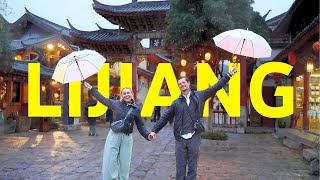
With Max and Jacqueline ...
|
|