Cycling through ShangHai 上海

A Flickr meet-up ...

[640],shadow=true,start=,stop=

Shanghai is one of China's most dynamic and cosmopolitan cities, blending a rich history with modern skyscrapers and vibrant culture. Here's what you need to know as a tourist visiting Shanghai:

Historical and Cultural Landmarks:
The Bund: This iconic waterfront promenade along the Huangpu River features colonial-era buildings on one side and futuristic skyscrapers on the other, offering stunning views of Shanghai's skyline.

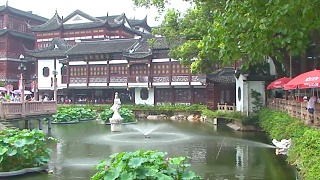
Yu Garden: Dating back to the Ming dynasty, Yu Garden is a classical Chinese garden with pavilions, ponds, and rockeries. The nearby Yu Garden Bazaar is a great place to shop for souvenirs and traditional crafts.

Shanghai Museum: Home to an extensive collection of Chinese art and artifacts, including bronzes, ceramics, paintings, and calligraphy, the Shanghai Museum is a must-visit for history and art enthusiasts.

Jing'an Temple: One of Shanghai's most famous Buddhist temples, Jing'an Temple is known for its beautiful architecture, peaceful atmosphere, and towering golden Buddha statue.

Modern Attractions:
Shanghai Tower: Ascend to the observation deck of this iconic skyscraper, the tallest in China and the second-tallest in the world, for panoramic views of the city.

The Oriental Pearl TV Tower: Another iconic landmark, this futuristic tower offers observation decks, a glass-bottomed skywalk, and a revolving restaurant.

Shanghai Disneyland: Located in the Pudong district, Shanghai Disneyland offers a magical experience for visitors of all ages with its themed lands, attractions, and entertainment.

Shopping and Entertainment:
Nanjing Road: One of the world's busiest shopping streets, Nanjing Road is lined with department stores, boutiques, and restaurants. Don't miss the nearby pedestrian-friendly Nanjing Road East, known for its lively atmosphere and street performers.

Xintiandi: This upscale shopping, dining, and entertainment district features a mix of traditional Shikumen-style buildings and modern amenities, making it a popular destination for locals and tourists alike.

French Concession: Explore this historic neighborhood known for its tree-lined streets, charming cafes, boutiques, and art galleries.

Culinary Delights:
Shanghai Cuisine: Sample local specialties such as xiaolongbao (soup dumplings), shengjianbao (pan-fried dumplings), and Shanghai-style noodles.

Street Food: Wander through the city's bustling food markets and snack streets to taste a variety of street foods, from savory pancakes to grilled skewers.

Practical Tips:
Transportation: Shanghai has an efficient public transportation system, including the subway, buses, and taxis. Consider purchasing a rechargeable transportation card for convenience.

Language: While Mandarin is the official language, English is widely spoken in tourist areas, hotels, and restaurants.

Weather: Shanghai experiences four distinct seasons, with hot, humid summers and chilly winters. The best times to visit are spring (March to May) and autumn (September to November) when the weather is mild and comfortable.

Etiquette: Respect local customs and traditions, such as using polite language and avoiding loud behavior in public places.

Shanghai offers a captivating blend of old and new, with its historic landmarks, modern skyscrapers, vibrant culture, and delectable cuisine. Whether you're interested in history, architecture, shopping, or dining, Shanghai has something to offer every type of visitor.


Related Videos


Featured Videos

The awesome ZhangJiaJie, WuLingYuan, HuNan province
ZhangJiaJie, a city in the northwest of China's HuNan province, is home to the famed WuLingYuan Scenic Area. This protected zone encompasses thousands of jagged quartzite sandstone columns, many of which rise over 200 meters, as well as caves filled with stalactites and stalagmites. WuLingYuan also encompasses forests, rivers, waterfalls and 2 large natural land bridges, as well as endangered plant and animal species. With Alina Mcleod ...
China in the age of Xi – documentary
A look at how current president Xi JingPing has guided China over the last five years, the ideas behind the changes, and the future direction.
How the US tried to undermine Hong Kong (and thereby China)
Divide and rule. Distract and rule. With RT America ... Bonus film - on the World Bank and IMF - The Moderate Rebels with Michael Hudson ...
Chinese cooking with Chilies
With LongMeiMei in GuiZhou ... Bonus film - veggie feast with all the vegetables in the yard ...
Planning war on China – part 17
Just what is the National Endowment for Democracy (NED) - and what is it really up to ? With Brian Berletic and Angelo Giuliano / The New Atlas ... Bonus films : YChina attacked by the New York Times ... BreakThrough News talks with Tings Chak ... The West's (willing) failure to understand China's history - The Geopolitics In Conflict Show talks with Dr. Ken Hammond ... On Google ... On Palestine ... US torture horrors at Guantanamo ... On Africa and China ... On empire / colonialism (and 'world currency') ... On Cuba ... On Ukraine ... On the genocide of native Americans ... On US dystopia ... With Cyrus Janssen ...
Vegan street food in ChangSha, HuNan province
With Vegan in China ... With GoYvon ... Vegan Food in China Introduction China is a vast country with a rich culinary history, and it offers a variety of delicious vegan options. From traditional Buddhist vegetarian cuisine to modern plant-based dishes, vegan travelers will find a wide range of flavors and textures to enjoy. This guide explores the vegan food scene in China, highlighting popular dishes, regional specialties, and tips for finding vegan-friendly restaurants. Traditional Vegan Dishes Many traditional Chinese dishes are naturally vegan or can be easily modified to suit a vegan diet. Here are some popular vegan dishes you can find throughout China: Mapo Tofu (麻婆豆腐) Mapo Tofu is a spicy and flavorful dish made with soft tofu, fermented black beans, and a chili sauce. While the traditional version often includes minced meat, you can find vegan versions at many restaurants or request it without meat. Buddha's Delight (罗汉斋) Buddha's Delight is a popular vegetarian dish in Chinese Buddhist cuisine. It consists of a variety of vegetables, tofu, and sometimes mushrooms, all stir-fried in a savory sauce. This dish is often served during Chinese New Year and other festive occasions. Jiaozi (饺子) Jiaozi, or dumplings, can be found with various vegan fillings such as mushrooms, cabbage, and tofu. These delicious dumplings are often steamed or boiled and served with a soy-based dipping sauce. Stir-Fried Vegetables (炒青菜) Stir-fried vegetables are a staple in Chinese cuisine and can be easily found in almost any restaurant. Common vegetables used include bok choy, spinach, broccoli, and snow peas, all stir-fried with garlic and a light soy sauce. Regional Specialties Sichuan Cuisine Sichuan cuisine is known for its bold and spicy flavors. Many dishes can be made vegan by substituting meat with tofu or vegetables. Look for dishes like Sichuan Hot Pot with vegetable broth and an array of vegetables, or Kung Pao Tofu, a spicy stir-fry with peanuts and vegetables. Cantonese Cuisine Cantonese cuisine features lighter flavors and fresh ingredients. Popular vegan options include Dim Sum with vegetable fillings, stir-fried greens, and Congee, a rice porridge that can be made with mushrooms and other vegetables. Shandong Cuisine Shandong cuisine is known for its hearty and savory dishes. Vegan options include stir-fried tofu, vegetable stews, and steamed buns filled with vegetables. Shandong cuisine also features a variety of soups made with vegetables and grains. Finding Vegan-Friendly Restaurants While many traditional Chinese restaurants offer vegan options, there are also specialized vegetarian and vegan restaurants in major cities. Here are some tips for finding vegan-friendly places to eat: Use Apps: Apps like HappyCow can help you find vegan and vegetarian restaurants in China. These apps often include reviews and recommendations from other travelers. Learn Key Phrases: Knowing a few key phrases in Mandarin can be helpful when ordering food. For example, "wǒ chī sù" (我吃素) means "I eat vegetarian" and "bù yào ròu" (不要肉) means "no meat". Visit Buddhist Temples: Many Buddhist temples have vegetarian restaurants that serve delicious vegan meals. These are often affordable and offer a peaceful dining experience. Ask for Modifications: Don't hesitate to ask for modifications to make a dish vegan. Most restaurants are accommodating and can make adjustments to suit your dietary needs. Vegan Snacks and Street Food China's street food scene is vibrant and offers many vegan-friendly options. Here are some popular vegan snacks and street foods to try: Sesame Balls (麻团) Sesame balls are deep-fried pastries made with glutinous rice flour and filled with sweet red bean paste. They are coated in sesame seeds, giving them a crunchy texture and a sweet flavor. Spring Rolls (春卷) Spring rolls are a popular snack made with thin pastry wrappers filled with vegetables and sometimes tofu. They are usually deep-fried to a crispy golden brown and served with a dipping sauce. Grilled Vegetables (烤蔬菜) Many street vendors offer grilled vegetables, such as corn on the cob, mushrooms, and bell peppers. These are often seasoned with a mix of spices and grilled to perfection. Tofu Skewers (豆腐串) Tofu skewers are a popular street food snack made with marinated tofu chunks grilled on skewers. They are often seasoned with chili and cumin, giving them a spicy and savory flavor. Vegan Grocery Shopping In addition to dining out, you can also find a variety of vegan products in grocery stores and markets in China. Look for fresh fruits and vegetables, tofu, tempeh, and plant-based milk. Many supermarkets also carry imported vegan products such as plant-based meat, dairy-free cheese, and vegan snacks. Travel Tips for Vegans Plan Ahead: Research vegan-friendly restaurants and grocery stores in advance, especially if you're traveling to less touristy areas where options might be limited. Pack Snacks: Carrying snacks like nuts, dried fruit, and energy bars can be helpful when you're on the go and need a quick vegan option. Communicate Clearly: Use translation apps or carry a card with dietary preferences written in Mandarin to help communicate your needs to restaurant staff. Be Open-Minded: Trying new foods is part of the travel experience. Be open to exploring local vegan dishes and experimenting with new flavors and ingredients. Stay Informed: Join online vegan communities and forums to get tips and recommendations from other vegan travelers in China.
ChengDu Pandas 成都潘达
Panda Kindergarten - ChengDu Panda Base, SiChuan province
Industrial policy – China supports new small specialized companies while the West props up old large companies
With Inside China Business ...
Beautiful HuangShan 黄山 (Yellow Mountain)
Extraordinary peaks tower above rolling clouds ... AnHui province.

Tag search ?