Bund riverside walk, ShangHai

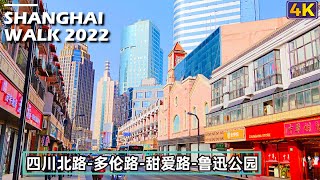
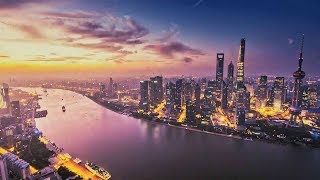
上海黄浦江水岸春日漫步-欣赏从东岸到外滩的城市天际线

With Wei's Travel ...

[640],shadow=true,start=,stop=

Plus :

[320],shadow=true,start=,stop=

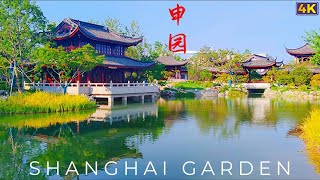
Shanghai is one of China's most dynamic and cosmopolitan cities, blending a rich history with modern skyscrapers and vibrant culture. Here's what you need to know as a tourist visiting Shanghai:

Historical and Cultural Landmarks:
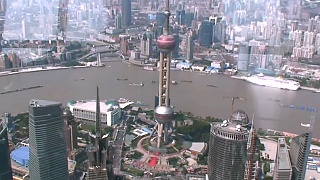
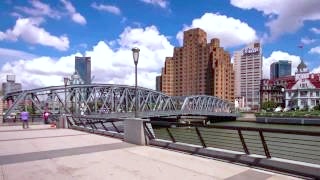
The Bund: This iconic waterfront promenade along the Huangpu River features colonial-era buildings on one side and futuristic skyscrapers on the other, offering stunning views of Shanghai's skyline.

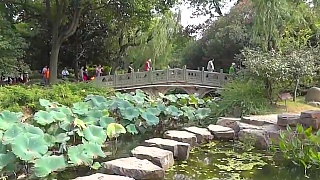
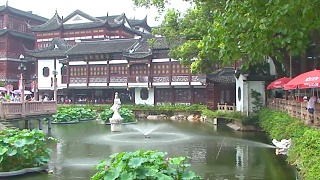
Yu Garden: Dating back to the Ming dynasty, Yu Garden is a classical Chinese garden with pavilions, ponds, and rockeries. The nearby Yu Garden Bazaar is a great place to shop for souvenirs and traditional crafts.

Shanghai Museum: Home to an extensive collection of Chinese art and artifacts, including bronzes, ceramics, paintings, and calligraphy, the Shanghai Museum is a must-visit for history and art enthusiasts.

Jing'an Temple: One of Shanghai's most famous Buddhist temples, Jing'an Temple is known for its beautiful architecture, peaceful atmosphere, and towering golden Buddha statue.

Modern Attractions:
Shanghai Tower: Ascend to the observation deck of this iconic skyscraper, the tallest in China and the second-tallest in the world, for panoramic views of the city.

The Oriental Pearl TV Tower: Another iconic landmark, this futuristic tower offers observation decks, a glass-bottomed skywalk, and a revolving restaurant.

Shanghai Disneyland: Located in the Pudong district, Shanghai Disneyland offers a magical experience for visitors of all ages with its themed lands, attractions, and entertainment.

Shopping and Entertainment:
Nanjing Road: One of the world's busiest shopping streets, Nanjing Road is lined with department stores, boutiques, and restaurants. Don't miss the nearby pedestrian-friendly Nanjing Road East, known for its lively atmosphere and street performers.

Xintiandi: This upscale shopping, dining, and entertainment district features a mix of traditional Shikumen-style buildings and modern amenities, making it a popular destination for locals and tourists alike.

French Concession: Explore this historic neighborhood known for its tree-lined streets, charming cafes, boutiques, and art galleries.

Culinary Delights:
Shanghai Cuisine: Sample local specialties such as xiaolongbao (soup dumplings), shengjianbao (pan-fried dumplings), and Shanghai-style noodles.

Street Food: Wander through the city's bustling food markets and snack streets to taste a variety of street foods, from savory pancakes to grilled skewers.

Practical Tips:
Transportation: Shanghai has an efficient public transportation system, including the subway, buses, and taxis. Consider purchasing a rechargeable transportation card for convenience.

Language: While Mandarin is the official language, English is widely spoken in tourist areas, hotels, and restaurants.

Weather: Shanghai experiences four distinct seasons, with hot, humid summers and chilly winters. The best times to visit are spring (March to May) and autumn (September to November) when the weather is mild and comfortable.

Etiquette: Respect local customs and traditions, such as using polite language and avoiding loud behavior in public places.

Shanghai offers a captivating blend of old and new, with its historic landmarks, modern skyscrapers, vibrant culture, and delectable cuisine. Whether you're interested in history, architecture, shopping, or dining, Shanghai has something to offer every type of visitor.
Related Videos


Featured Videos

Highlights of the BeiJing 北京 2008 Paralympics Opening Ceremony (HD)
Still searching for the Bolero, but these two clips are also awesome. 16 years ago already. Magic moments ...
One month tour in China – long play
With Travel With Balnur ...
LongTan Park 龙潭公园, BeiJing 北京
Longtan Park is located about 1.5 km east of the Temple of Heaven. Next to the west side of Longtan Park is the Beijing Amusement Park that features a ferris wheel and other rides. LongTan ('Dragon Pond') Park features the large Dragon Lake, with 'moon bridges', weeping willows, rock gardens, dragon boats, tea houses and restaurant, winding jogging track, exercise areas and play areas for children. There is also a beautifully curving pavilion with a dragon roof and pillars decorated with golden spiralled dragons. Indeed, the dragon motif is featured in many places throughout Longtan Park. This is a prime site for the Lantern Festival in Beijing when the whole park is illuminated with large colorful lanterns.
Mount QingCheng (青城山) and DuJiangYan (都江堰), near ChengDu, SiChuan province
With Char 787 ... With Nick in China ... Visitor Guide: Mount Qingcheng & Dujiangyan Introduction Mount Qingcheng (青城山) and Dujiangyan (都江堰) are two of Sichuan's most famous cultural and natural landmarks. Located near Chengdu, they offer a unique blend of breathtaking scenery, ancient engineering marvels, and deep-rooted Taoist traditions. This guide will help you explore these sites and understand their spiritual significance. Note: Both Mount Qingcheng and Dujiangyan are UNESCO World Heritage Sites, recognized for their cultural and historical importance. Mount Qingcheng (青城山) What to See Shangqing Palace (上清宫): One of the most important Taoist temples on the mountain, Shangqing Palace is a serene place for reflection and meditation. It offers insights into Taoist practices and is surrounded by lush greenery. Tianshi Cave (天师洞): This cave is said to be where Zhang Daoling, the founder of the Way of the Celestial Masters, practiced Taoism. It is a sacred site for Taoist pilgrims. Jianfu Palace (建福宫): A quieter spot on the mountain, Jianfu Palace is perfect for those looking to experience the peacefulness of Taoism in a more secluded environment. Natural Scenery: Mount Qingcheng is known for its dense forests, tranquil pathways, and beautiful mountain views, embodying the Taoist principle of harmony with nature. Activities Hiking: Explore the mountain's many trails, which vary in difficulty. The trails wind through ancient temples, caves, and pavilions, offering both spiritual and physical rejuvenation. Meditation and Tai Chi: Engage in meditation or Tai Chi sessions at various temples, guided by local Taoist practitioners. This is a great way to connect with the spiritual atmosphere of the mountain. Photography: Capture the natural beauty of the mountain, with its misty peaks and verdant landscapes, which are often compared to a classical Chinese painting. Visitor Information Location: About 65 kilometers (40 miles) west of Chengdu. Opening Hours: 8:00 AM - 6:00 PM daily. Best Time to Visit: Spring and autumn offer the best weather for hiking and sightseeing. How to Get There: You can take a high-speed train from Chengdu to Qingchengshan Station, followed by a short bus or taxi ride to the mountain. Dujiangyan (都江堰) What to See Yuzui (鱼嘴): The "Fish Mouth" is the central part of the Dujiangyan irrigation system, where the Min River is split into two channels. It is a marvel of ancient engineering that showcases the Taoist principle of working in harmony with nature. Baopingkou (宝瓶口): This "Bottle-Neck Channel" regulates water flow into the irrigation system, another example of the Taoist-inspired design that emphasizes balance and non-interference. Erwang Temple (二王庙): A temple dedicated to Li Bing and his son, the architects of Dujiangyan. The temple is a place of worship and offers great views of the irrigation system and surrounding mountains. Activities Walking Tours: Explore the ancient irrigation system on foot, with guided tours available to explain the history and engineering behind Dujiangyan. Temple Visits: Participate in traditional ceremonies at Erwang Temple, where you can learn about the spiritual significance of water in Taoism. Boat Rides: Take a boat ride on the Min River to experience the irrigation system from a different perspective and enjoy the scenic views. Visitor Information Location: Approximately 56 kilometers (35 miles) northwest of Chengdu. Opening Hours: 8:00 AM - 6:00 PM daily. Best Time to Visit: Spring and autumn, when the weather is mild and the scenery is at its best. How to Get There: Buses and trains run regularly from Chengdu to Dujiangyan City. From there, local transportation can take you directly to the site. Tips for Visitors Dress Comfortably: Wear comfortable shoes and clothing suitable for hiking and walking. The weather can change quickly, so bring a light jacket. Respect the Culture: When visiting temples, be respectful of religious practices. Quiet reflection is encouraged, and photography may be restricted in certain areas. Stay Hydrated: Bring water, especially during the warmer months. There are also small vendors selling drinks and snacks along the trails. Consider a Guided Tour: Hiring a guide can enhance your experience by providing detailed information about the historical and cultural significance of the sites. Contact Information Mount Qingcheng Visitor Center: +86 28 87288101 Dujiangyan Visitor Center: +86 28 87136100 Tourist Information Hotline: 12301 (China National Tourism Administration)
The Harbin 哈尔滨 Snow and Ice Festival 2019
NanJing, with MiuMiu, the Guitar Girl
JiangSu province ...
Returning home – a panda’s journey : A Happy Chinese New Year from BeiJingBuzzz  : )( :
Love is family (and that is all of us). Love is happiness. Love is coming together. Some early CNY decorations - with Street Snap ... ... More to come - stay tuned ! ...
Scenic China : cities
With MeetWorld ... ShangHai ... BeiJing ... Xi'An ... ChongQing ... ChengDu ... GuangZhou ...
20 places to visit in and around HangZhou, ZheJiang province
Places to visit in and around HangZhou West Lake (西湖) - Xī Hú Description: West Lake is the most iconic attraction in Hangzhou, known for its scenic beauty, historic sites, and cultural significance. Visitors can take leisurely boat cruises, stroll along the promenades, and admire picturesque pavilions, bridges, and pagodas. Lingyin Temple (灵隐寺) - Língyǐn Sì Description: Lingyin Temple is one of the oldest and most prestigious Buddhist temples in China, nestled at the foot of Lingyin Mountain. The temple complex features ancient halls, pagodas, and intricate stone carvings, as well as serene forested surroundings ideal for contemplation and meditation. Qinghefang Ancient Street (清河坊古街) - Qīnghéfāng Gǔ Jiē Description: Qinghefang Ancient Street is a historic pedestrian street lined with traditional shops, teahouses, and snack stalls. Visitors can explore Ming and Qing dynasty architecture, sample local delicacies, and shop for souvenirs such as silk, tea, and handicrafts. Leifeng Pagoda (雷峰塔) - Léifēng Tǎ Description: Leifeng Pagoda is a historic tower located on Sunset Hill overlooking West Lake. Originally built in the 10th century, the pagoda offers panoramic views of the lake and surrounding scenery. Visitors can climb to the top for breathtaking vistas and learn about the pagoda's storied history. Hangzhou Songcheng Park (杭州宋城景区) - Hángzhōu Sòngchéng Jǐngqū Description: Hangzhou Songcheng Park is a large-scale cultural theme park showcasing the rich heritage and traditions of ancient China. The park features replica ancient streets, performances, and attractions, allowing visitors to experience the charm of traditional Chinese culture. Longjing Tea Plantation (龙井茶园) - Lóngjǐng Cháyuán Description: Longjing Tea Plantation is famous for producing Longjing (Dragon Well) tea, one of China's most prized green teas. Visitors can tour the tea fields, learn about tea cultivation and processing, and sample freshly brewed Longjing tea while enjoying scenic views of the countryside. Hangzhou Botanical Garden (杭州植物园) - Hángzhōu Zhíwù Yuán Description: Hangzhou Botanical Garden is a tranquil oasis featuring diverse plant collections, landscaped gardens, and nature trails. Visitors can explore themed gardens, conservatories, and aquatic habitats, as well as enjoy picnics, birdwatching, and photography amidst lush greenery. Hefang Street (河坊街) - Héfāng Jiē Description: Hefang Street is a vibrant pedestrian thoroughfare in the heart of Hangzhou's historic district. The street is lined with shops selling traditional crafts, snacks, and souvenirs, as well as teahouses, street performers, and cultural attractions. Hangzhou Zoo (杭州动物园) - Hángzhōu Dòngwù Yuán Description: Hangzhou Zoo is home to a diverse collection of animal species from around the world, including rare and endangered species. Visitors can observe animals in naturalistic habitats, attend feeding sessions and animal shows, and enjoy family-friendly attractions such as playgrounds and picnic areas. China National Tea Museum (中国茶叶博物馆) - Zhōngguó Cháyè Bówùguǎn Description: China National Tea Museum is dedicated to the history, culture, and art of tea in China. The museum features informative exhibits, interactive displays, and traditional tea ceremonies, providing insights into the significance of tea in Chinese society and its cultural significance. Yuhuang Mountain (玉皇山) - Yùhuáng Shān Description: Yuhuang Mountain is a scenic area known for its natural beauty, religious sites, and hiking trails. Visitors can ascend to the mountain peak for panoramic views of Hangzhou and the Qiantang River, explore ancient temples and shrines, and enjoy outdoor activities such as hiking, picnicking, and birdwatching. Hangzhou Grand Canal (杭州大运河) - Hángzhōu Dà Yùnhé Description: Hangzhou Grand Canal is a UNESCO World Heritage Site and one of the longest and oldest canals in the world. Visitors can take boat cruises along the canal, passing through historic districts, scenic landscapes, and cultural landmarks, while learning about the canal's role in China's history and economy. Hangzhou Xixi National Wetland Park (西溪国家湿地公园) - Xīxī Guójiā Shīdì Gōngyuán Description: Hangzhou Xixi National Wetland Park is a vast natural reserve featuring wetlands, waterways, and diverse ecosystems. Visitors can explore the park's scenic trails, wooden boardwalks, and traditional water villages, as well as enjoy boating, birdwatching, and nature photography amidst pristine surroundings. Hangzhou China Silk Town (中国丝绸城) - Zhōngguó Sīchóu Chéng Description: Hangzhou China Silk Town is a commercial district specializing in silk products, textiles, and silk-related crafts. Visitors can shop for high-quality silk fabrics, clothing, accessories, and watch demonstrations of silk production techniques such as weaving and embroidery. The town also features museums, galleries, and cultural exhibits showcasing the history and craftsmanship of silk in Hangzhou. Wushan Square (吴山广场) - Wúshān Guǎngchǎng Description: Wushan Square is a central plaza in Hangzhou surrounded by historical buildings, modern landmarks, and scenic vistas. Visitors can enjoy leisurely walks, cultural events, and panoramic views of West Lake, as well as explore nearby attractions such as museums, theaters, and shopping districts. China National Silk Museum (中国丝绸博物馆) - Zhōngguó Sīchóu Bówùguǎn Description: China National Silk Museum is dedicated to the history, art, and technology of silk production in China. The museum features extensive collections of silk artifacts, textiles, and cultural relics, as well as interactive exhibits, workshops, and demonstrations highlighting the craftsmanship and significance of silk in Chinese culture. Hangzhou Chenghuang Pavilion (杭州城隍阁) - Hángzhōu Chénghuáng Gé Description: Hangzhou Chenghuang Pavilion is a historic landmark dating back to the Song Dynasty, located in the heart of the city. The pavilion offers panoramic views of Hangzhou's skyline, West Lake, and surrounding landmarks, as well as cultural exhibits, art displays, and traditional performances celebrating the city's heritage. Hangzhou Confucius Temple (杭州文庙) - Hángzhōu Wénmiào Description: Hangzhou Confucius Temple is a tranquil sanctuary dedicated to the teachings and legacy of Confucius. The temple complex features traditional architecture, landscaped gardens, and cultural relics, providing a peaceful retreat for contemplation, study, and cultural exploration amidst the bustling city. Hangzhou Olympic Sports Center Stadium (杭州奥体中心) - Hángzhōu Ào Tǐ Zhōngxīn Description: Hangzhou Olympic Sports Center Stadium is a state-of-the-art sports and entertainment venue hosting major events, concerts, and sporting competitions. Visitors can attend live performances, sports matches, and cultural festivals, as well as explore the surrounding parklands, recreation facilities, and dining options. Hangzhou National Tea Museum (杭州茶叶博物馆) - Hángzhōu Cháyè Bówùguǎn Description: Hangzhou National Tea Museum is dedicated to the history, culture, and art of tea in China. The museum showcases tea artifacts, historical exhibits, and interactive displays, as well as traditional tea ceremonies, tastings, and workshops, offering insights into the significance of tea in Chinese society and its cultural heritage. Hangzhou Zoo (杭州动物园) - Hángzhōu Dòngwù Yuán Description: Hangzhou Zoo is home to a diverse collection of animal species from around the world, including rare and endangered species. Visitors can observe animals in naturalistic habitats, attend feeding sessions and animal shows, and enjoy family-friendly attractions such as playgrounds and picnic areas. Hangzhou Museum (杭州博物馆) - Hángzhōu Bówùguǎn Description: Hangzhou Museum is a cultural institution showcasing the history, art, and heritage of Hangzhou and the surrounding region. The museum's exhibits include archaeological artifacts, fine art collections, and cultural relics, as well as interactive displays, educational programs, and temporary exhibitions highlighting various aspects of Hangzhou's rich cultural legacy.

Tag search ?