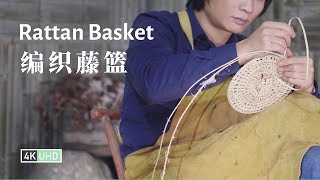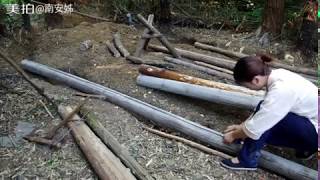
Amazing bamboo (4) basket weaving

Beautiful. Traditional Chinese craftsmanship ...

[640],shadow=true,start=,stop=
[320],shadow=true,start=,stop=

Related Videos


Featured Videos

The awesome Wanda Mall, ShenZhen
With Time Walker ... Bonus films - with Rafa Goes Around! ... With Nico ...
Making Chinese peanut candy 花生糖
WuHan city, capital of HuBei province – night and day
With China Walking Tour ... Welcome to WuHan, China Introduction History of WuHan Top Attractions Local Culture Local Cuisine Visitor Tips WuHan in Modern History Introduction WuHan, the capital city of HuBei province, is located at the confluence of the Yangtze and Han rivers in central China. Known as the "Thoroughfare of Nine Provinces," WuHan has long been a major transportation hub, serving as a gateway between northern and southern China. With a rich history that spans over 3,500 years, WuHan is a city of contrasts, blending ancient traditions with modern advancements. The city is composed of three historic towns: Wuchang, Hankou, and Hanyang, which were merged in 1927 to form modern WuHan. Today, it is a bustling metropolis with a vibrant economy, cultural heritage, and a thriving arts scene. History of WuHan WuHan's history dates back to ancient times, with its origins in the Spring and Autumn Period (770-476 BC). The city's strategic location along the Yangtze River made it an important center for trade and military defense. Wuchang, Hankou, and Hanyang each developed unique characteristics over the centuries, contributing to the diverse cultural landscape of the region. During the Qing Dynasty, WuHan became one of the four most famous towns in China, known for its bustling commercial activities. The city played a significant role in the 1911 Revolution, which led to the fall of the Qing Dynasty and the establishment of the Republic of China. In the 20th century, WuHan continued to grow as a major industrial and educational center. It was also the site of several key events in modern Chinese history, including the WuHan Uprising and the WuHan Incident. Top Attractions in WuHan Yellow Crane Tower The Yellow Crane Tower is one of the most famous landmarks in WuHan. Originally built in 223 AD during the Three Kingdoms period, the tower has been destroyed and rebuilt several times throughout history. The current structure, completed in 1985, stands as a symbol of WuHan's rich cultural heritage. Visitors can enjoy panoramic views of the Yangtze River and the city from the top of the tower. East Lake (Donghu) East Lake is the largest urban lake in China, offering a tranquil escape from the bustling city. The lake is surrounded by scenic parks, gardens, and walking trails. Key attractions around the lake include the Mo Hill Scenic Area, the Chu Culture Museum, and the WuHan Botanical Garden. The lake is particularly beautiful in spring when the cherry blossoms are in full bloom. WuHan University WuHan University is renowned for its beautiful campus, especially during the cherry blossom season in late March and early April. The university's historic buildings, lush gardens, and peaceful atmosphere make it a popular destination for both tourists and locals. It is also one of China's top universities, with a rich academic tradition. GuiYuan Temple GuiYuan Temple is a famous Buddhist temple in WuHan, known for its exquisite architecture and serene ambiance. Founded in the 17th century, the temple is home to a large collection of Buddhist scriptures and statues. The temple’s Five Hundred Arhats Hall is particularly noteworthy, featuring life-sized statues of 500 arhats (enlightened disciples of Buddha) in various poses. Hubei Provincial Museum The Hubei Provincial Museum is one of China's leading museums, offering a comprehensive look at the region's history and culture. The museum's most famous exhibit is the Marquis Yi of Zeng's tomb, which includes the remarkable bronze chime bells. The museum also features artifacts from the Chu culture, ancient jade carvings, and traditional musical instruments. Local Culture WuHan is a city with a rich cultural heritage, shaped by its long history and diverse population. The city is a melting pot of different cultures, blending traditional Chinese customs with influences from other regions and ethnic groups. One of the most notable cultural aspects of WuHan is its connection to Chu culture, an ancient civilization that thrived in the region over 2,000 years ago. The Chu culture is known for its distinctive art, music, and religious practices, many of which are preserved in WuHan's museums and cultural institutions. WuHan is also known for its vibrant arts scene, with numerous theaters, galleries, and cultural events taking place throughout the year. The WuHan International Acrobatic Art Festival and the WuHan Yangtze River Piano Music Festival are just a few examples of the city's cultural offerings. Local Cuisine WuHan's cuisine is a reflection of its geographical location and cultural diversity. The city is known for its hearty and flavorful dishes, which often feature freshwater fish, rice, and a variety of spices. Some must-try dishes include: Re Gan Mian (Hot Dry Noodles): A signature dish of WuHan, Re Gan Mian is a breakfast staple made from wheat noodles tossed in a sesame paste, soy sauce, and chili oil. It is typically garnished with pickled vegetables, garlic, and green onions. Doupi: A traditional snack made from sticky rice, minced pork, and yellow soybeans, wrapped in a thin tofu skin and pan-fried until crispy. Steamed Wuchang Fish: A famous dish from the Yangtze River, Wuchang fish is steamed with ginger, garlic, and soy sauce, and served with a drizzle of hot oil. San Zhi Er: A local delicacy made from pig's feet, duck's feet, and chicken feet, braised in a rich, savory sauce until tender. Lotus Root Soup: A popular dish in WuHan, this soup is made with lotus root, spare ribs, and goji berries, creating a nutritious and flavorful broth. Street food is also an integral part of WuHan’s culinary scene, with night markets offering a wide range of snacks and local specialties. Don't miss the chance to sample WuHan’s street food, such as grilled skewers, fried dumplings, and stinky tofu. Visitor Tips Best Time to Visit: The best time to visit WuHan is during the spring (March to May) and autumn (September to November) when the weather is mild and pleasant. These seasons also coincide with the blooming of cherry blossoms and the changing of autumn leaves. Getting There: WuHan is a major transportation hub, with direct flights to major cities around the world. WuHan TianHe International Airport is the main gateway to the city. WuHan is also well-connected by China's high-speed rail network, with trains to and from Beijing, Shanghai, Guangzhou, and other major cities. Public Transportation: WuHan has an extensive public transportation system, including buses, taxis, and a growing metro network. The metro is the most convenient way to get around the city, with signs and announcements in both Chinese and English. Language: While Mandarin is the official language, the local dialect, WuHanese, is widely spoken. English is not commonly spoken, so it's advisable to have a translation app or basic Mandarin phrases ready. Respect Local Customs: When visiting religious sites, such as temples, dress modestly, and be respectful of local customs. Always ask for permission before taking photos of people, especially in traditional settings. WuHan in Modern History WuHan has played a pivotal role in China's modern history, particularly during the 20th century. The city was the starting point of the 1911 Revolution, also known as the Xinhai Revolution, which led to the overthrow of the Qing Dynasty and the establishment of the Republic of China. The Wuchang Uprising, which took place on October 10, 1911, is considered the beginning of this revolution, and WuHan is often referred to as the 'Cradle of the Revolution.'
The Spring Festival Gala 2019 – music and dance highlights
From CCTV / CGTN ...
The West lies about XinJiang
With Barret ... With Ryan Shane Palmer ... With Reports on China and Daniel Dumbrill ...
The ancient HuaYan, FaHua, HunYuan & ShanHua temples, DaTong, ShanXi province
With Andy see the World ... *** HuaYan Temple, located in DaTong, ShanXi province, is a magnificent example of Buddhist temple architecture and one of the best-preserved temples from the Liao and Jin dynasties. Its name, "Huayan," is derived from the Huayan Sutra, an important scripture in Chinese Buddhism, reflecting the temple's strong connection to the Huayan school of Buddhist thought. Key Features: Divided Structure: The temple is unique as it is divided into two parts: the Upper Temple and the Lower Temple. The Upper Temple, built on a hill, was primarily used for religious ceremonies, while the Lower Temple served as a residential and study area for monks. Grand Hall: The Great Buddha Hall in the Upper Temple is one of the largest remaining halls of its kind from the Liao dynasty. It features massive wooden beams, intricate carvings, and large Buddha statues that exude a sense of serenity. Murals and Sculptures: The temple is renowned for its well-preserved murals and Buddhist sculptures. These artworks depict scenes from Buddhist scriptures and stories, reflecting the artistic style and religious devotion of the era. Library of Sutras: The Lower Temple houses a library of Buddhist sutras, emphasizing the temple’s role as a center for learning and spiritual practice. Architectural Significance: The wooden structures of Huayan Temple showcase the advanced engineering and architectural techniques of ancient China. The use of dougong brackets (interlocking wooden brackets) is particularly impressive. Cultural Heritage: Huayan Temple is a testament to the flourishing of Buddhism in northern China during the Liao and Jin dynasties. It represents a blend of religious, artistic, and architectural achievements. Atmosphere: Visitors often find the temple serene and spiritually uplifting, with its quiet courtyards, ancient trees, and the scent of incense enhancing the experience. It is not just a historical site but also an active place of worship. Huayan Temple remains a significant cultural and spiritual landmark, drawing visitors and scholars from around the world to explore its beauty and historical importance. *** Shanhua Temple, located in Datong, Shanxi Province, is a stunning example of Chinese Buddhist architecture and history. Originally constructed during the Tang Dynasty, the temple has been preserved and renovated over the centuries, with its current structures mainly dating back to the Liao and Jin Dynasties. The temple complex is composed of three main halls arranged along a north-south axis: the Main Gate Hall, the Mahavira Hall, and the Sansheng Hall. These halls are surrounded by peaceful courtyards, ancient trees, and stone pathways, creating a serene environment for visitors. The Mahavira Hall is the centerpiece of the temple, housing large statues of the Buddha and bodhisattvas. The craftsmanship of these statues reflects the artistic style of the Liao Dynasty, with intricate details and vibrant colors. The Sansheng Hall, dedicated to the Three Saints of Hua-yen Buddhism, also contains exquisite statues and murals that are valuable cultural relics. One of the temple's unique features is its collection of wooden structures, which have survived numerous dynasties and demonstrate the sophisticated construction techniques of ancient Chinese architecture. The intricate carvings, painted beams, and symbolic motifs throughout the temple showcase the skill of artisans from different eras. Visitors to Shanhua Temple can also enjoy the surrounding scenery, as the temple is situated near other historical sites in Datong, such as the Nine-Dragon Wall and the Yungang Grottoes. Its peaceful ambiance and historical significance make it a must-visit destination for those exploring China's rich cultural heritage. *** The HunYuan Confucian Temple, located in Hunyuan County near Datong, Shanxi Province, is an important historical and cultural site dedicated to the teachings of Confucius. Known for its elegant architecture and serene atmosphere, the temple reflects the Confucian emphasis on education, morality, and respect for tradition. Originally built during the Yuan Dynasty, the temple has undergone several renovations and expansions over the centuries, with many of its current structures dating back to the Ming and Qing Dynasties. The layout of the temple follows traditional Confucian principles, with symmetrical courtyards and a central axis leading to the main halls. The temple complex includes several key structures, such as the Dacheng Hall, the Gate of Rites, and the Hall of Confucius’ Tablets. The Dacheng Hall, the centerpiece of the temple, houses a statue of Confucius and tablets honoring his disciples and other influential scholars. Its wooden beams and intricate carvings are a testament to the craftsmanship of ancient Chinese builders. The temple grounds are adorned with ancient cypress trees, stone tablets, and inscriptions that highlight the enduring legacy of Confucianism in Chinese culture. These elements create a tranquil environment for visitors, providing a space for reflection and appreciation of traditional values. Hunyuan Confucian Temple is not only a place of historical significance but also a symbol of the enduring influence of Confucian thought in shaping Chinese society. Its proximity to other attractions in the area, such as the Hanging Temple, makes it an excellent addition to any itinerary for visitors exploring the region. *** The Fahua Temple, located in Datong, Shanxi Province, is a historic Buddhist temple with a serene atmosphere and a rich cultural heritage. Known for its traditional Chinese architecture and intricate details, the temple provides a glimpse into the spiritual and artistic traditions of ancient China. Originally built during the Ming Dynasty, Fahua Temple has undergone renovations over the centuries, preserving its historic charm while maintaining its religious significance. The temple is dedicated to Buddhist teachings and serves as a place of worship, meditation, and cultural reflection. The layout of the temple includes several key structures, such as the main hall, bell tower, and various smaller pavilions. The main hall is adorned with statues of the Buddha and Bodhisattvas, as well as colorful murals that depict scenes from Buddhist scriptures. The bell tower houses an ancient bronze bell that is said to bring blessings and peace to those who hear its chime. The temple grounds are quiet and peaceful, with pathways lined by trees and flowers that enhance the meditative experience. Stone carvings and inscriptions throughout the temple complex reflect the devotion and artistic skills of past generations. Visitors often find the setting conducive to quiet reflection and spiritual exploration. Fahua Temple is an important cultural and religious site in Datong, offering visitors a chance to connect with Buddhist traditions and admire the craftsmanship of Chinese temple architecture. Its tranquil environment makes it a worthwhile stop for those seeking a deeper understanding of the region’s history and spiritual legacy.
Movie time – Yesterday Once More 谁的青春不迷茫 Don’t miss it
It's better to be late than never ... Set in high school, a story of love and friendship. And, above all, honesty; especially being true, to oneself, and others. A truly awesome movie - don't miss it ! Really a lot in this film, no matter if you're way past school days. Builds and builds. And so many life lessons here; you will laugh, and you will cry ... A film about education, music, honesty, astronomy, divorce, cheating, friendship, class, imprisonment, growing up, love, bullying, finance, heartbreak, flight, bikers, radio, Romeo and Juliet, comedy, Beatles, and more. It's a film about - everything. A cast of 20 in a film you'll never forget; a true inspiration. The universe maybe huge, but our world is small. Life is a journey of laughter and tears. A YoYo Yao film ... Starring Bai JingTing, Guo ShuTong, Li HongYi, Wang HeRun, Ding GuanSen and Zhao WenLong. Directed by Yoyo Yao. What are your dreams for the future ?
Beautiful GuangXi 广西 province by aerial drone …
An awesome film - don't miss it ...
A trip to the Great Wall 长城 of China near BeiJing
The adjoining BaDaLing and JuYongGuan sections ...

Tag search ?