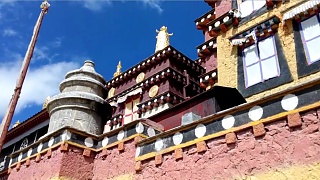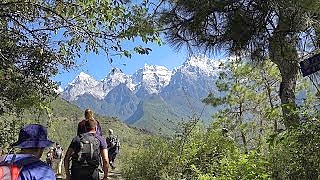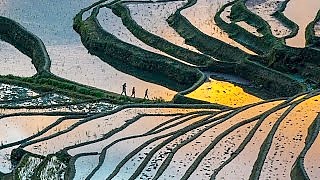
A trip to LiJiang 丽江, YunNan province

October 2009.


[640],shadow=true,start=,stop=

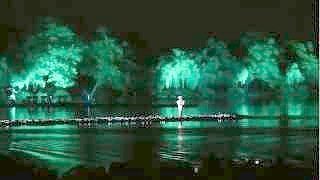
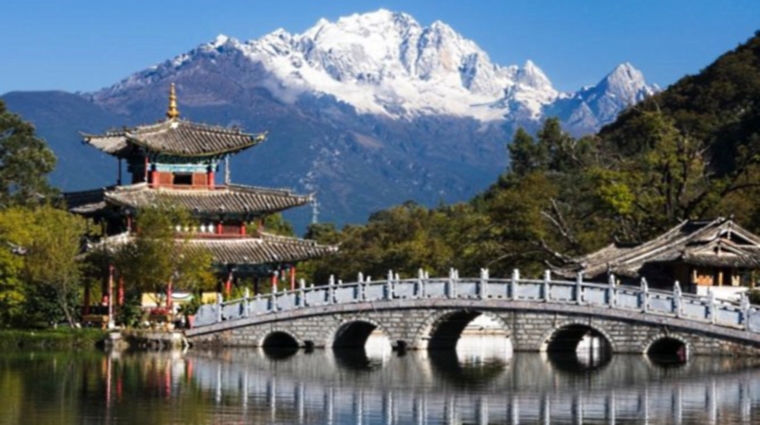
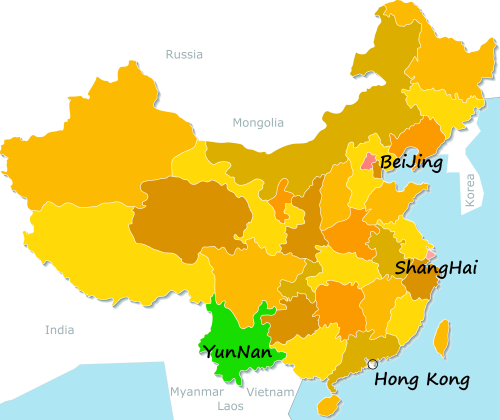
Lijiang, located in the northwest of Yunnan Province in southwestern China, is a picturesque ancient town renowned for its stunning natural scenery, rich cultural heritage, and well-preserved traditional architecture. Here's a guide for tourists visiting Lijiang:

Historical and Cultural Significance:
Ancient Town: Lijiang Old Town, a UNESCO World Heritage site, is a well-preserved ancient town with a history dating back over 800 years. It was an important stop on the ancient Tea Horse Road, a trading route connecting Yunnan with Tibet and Southeast Asia.

Naxi Culture: Lijiang is home to the Naxi ethnic minority, whose rich cultural heritage is reflected in the town's architecture, music, and customs. Visitors can experience Naxi culture through traditional music performances, local festivals, and visits to Naxi villages.

Top Attractions:
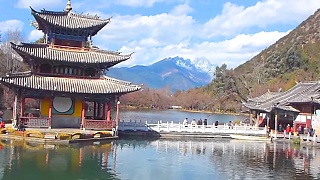
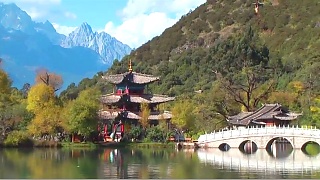
Lijiang Old Town: Explore the cobblestone streets, winding alleys, and historic buildings of Lijiang Old Town, which is renowned for its traditional Naxi architecture, wooden houses, and flowing canals. Highlights include the ancient Mu Residence, Black Dragon Pool Park, and Sifang Street.

Jade Dragon Snow Mountain: Towering over Lijiang, Jade Dragon Snow Mountain is a majestic snow-capped mountain range known for its breathtaking scenery and diverse ecosystems. Visitors can take a cable car ride to the mountain's summit, hike along scenic trails, and enjoy panoramic views of the surrounding landscape.

Lijiang Mural: Baisha Village: Baisha Village, located near Lijiang, is home to a collection of ancient murals dating back to the Ming Dynasty. These exquisite frescoes depict scenes from Chinese mythology, religious rituals, and daily life, providing insights into the region's cultural heritage.

Tiger Leaping Gorge: Located about 60 kilometers north of Lijiang, Tiger Leaping Gorge is one of the deepest river canyons in the world and a popular destination for hiking and outdoor adventure. Visitors can trek along scenic trails, admire dramatic cliffs and waterfalls, and experience the natural beauty of the gorge.

Culinary Delights:
Yunnan Cuisine: Lijiang is known for its diverse and flavorful Yunnan cuisine, which features fresh ingredients, bold flavors, and influences from neighboring regions. Visitors can sample local specialties such as Yunnan hot pot, crossing-the-bridge noodles, and yak meat dishes at restaurants and street food stalls throughout the town.

Old Town Snacks: Explore the bustling markets and food stalls of Lijiang Old Town to discover a wide variety of snacks and delicacies, including fried cheese, sweet pastries, and rice cakes. Don't miss the opportunity to try local specialties like yak butter tea and rose-flavored desserts.

Practical Tips:
Weather: Lijiang enjoys a mild climate year-round, with cool summers and chilly winters. The best time to visit is during the spring (March to May) and autumn (September to November) when the weather is pleasant and the scenery is beautiful.

Altitude: Lijiang is situated at a high altitude, so visitors should take precautions to prevent altitude sickness, such as staying hydrated, avoiding strenuous activity, and acclimatizing gradually.

Transportation: Getting around Lijiang is convenient with its network of public buses, taxis, and bicycles. Many attractions in and around the town can be explored on foot or by bicycle, while taxis and buses provide transportation to more distant locations.

Accommodation: Lijiang offers a wide range of accommodation options, including boutique hotels, guesthouses, and traditional courtyard homes. Staying in Lijiang Old Town allows visitors to immerse themselves in the town's historic atmosphere and vibrant culture.

Lijiang offers a captivating blend of natural beauty, cultural heritage, and traditional charm, making it an enchanting destination for tourists seeking to explore the treasures of Yunnan Province. Whether marveling at ancient architecture, hiking through majestic mountains, or savoring local cuisine, Lijiang has something to offer for every traveler.
YunNan map

Related Videos


Featured Videos

The Great Wall at MuTianYu 慕田峪, BeiJing
With Sticker Travel. After trekking the Great Wall, the team chill out at Chun Hui Yuan Spa Resort, then head back downtown to view the Forbidden City at sunset from the hilltop in JingShan Park ...
The Forbidden City, BeiJing – winter walk
With Moody Wanderer ...
The truth about Chinese factory workers
YT comment : "I hope haters could put down their bias for a while, and try to understand how Chinese people value their families, value their communities, their societies, and understand the connection between these traits and the achievement that China has made." With 歪果仁研究协会 YChina / Raz Galor ... Bonus film (fun in GuangZhou) ...
A guide to the magnificent Forbidden City (Palace Museum) in BeiJing
With Lulu's Daily In China ... Welcome to the Forbidden City Explore the imperial palace and ancient architecture of the Forbidden City in Beijing. Introduction The Forbidden City, also known as the Palace Museum, is a vast imperial palace complex in Beijing, China. It served as the home of emperors and their households, as well as the ceremonial and political center of the Chinese government for almost 500 years. Location The Forbidden City is located in the Dongcheng District in the heart of Beijing, directly north of Tiananmen Square. History The construction of the Forbidden City began in 1406 and was completed in 1420. It was the Chinese imperial palace from the Ming dynasty to the end of the Qing dynasty, housing 24 emperors. The complex covers 72 hectares (178 acres) and consists of 980 surviving buildings with 8,886 rooms. In 1925, the Forbidden City was transformed into the Palace Museum, showcasing extensive collections of artwork and artifacts from the imperial collections of the Ming and Qing dynasties. It was designated a UNESCO World Heritage Site in 1987. Attractions Meridian Gate (Wu Men): The main entrance to the Forbidden City, known for its grand architecture and historical significance. Hall of Supreme Harmony (Taihe Dian): The largest hall in the Forbidden City, used for major ceremonial occasions. Hall of Central Harmony (Zhonghe Dian): A smaller, intimate hall where the emperor prepared and rested before ceremonies. Hall of Preserving Harmony (Baohe Dian): Used for banquets and later for imperial examinations. Palace of Heavenly Purity (Qianqing Gong): The emperor's residence, representing his supreme authority. Hall of Union (Jiaotai Dian): A hall connecting the emperor's and empress's palaces, symbolizing their union. Palace of Earthly Tranquility (Kunning Gong): The residence of the empress and the site for imperial weddings. Imperial Garden: A serene garden area with ancient trees, rockeries, and pavilions, used by the imperial family for leisure. Clock and Watch Gallery: Displays a vast collection of timepieces from the imperial collection. Treasure Gallery: Houses valuable artifacts, including jade, gold, and other treasures from the imperial era. Activities Exploring historical buildings and courtyards Visiting museum exhibitions Photography Participating in guided tours Attending cultural performances and events Facilities Visitor Center Restrooms Gift Shops Cafes and Restaurants Parking Lots Audio Guide Rentals Guided Tour Services Visitor Tips Wear comfortable walking shoes. Bring water and snacks, especially if you plan to stay for several hours. Visit early in the morning or late in the afternoon to avoid crowds. Check the weather forecast and dress appropriately. Respect the cultural and historical significance of the site; behave appropriately and follow all rules and guidelines. Plan your visit to include the main attractions and leave time for exploring lesser-known areas.
The unforgettable Li River 漓江 cruise from GuiLin 桂林 to YangShuo 阳朔
GuangXi province. The four hour Li River cruise from GuiLin to YangShuo passes through spectacular karst peaks scenery, making it one of the top tourist attractions in China. The film also includes views over YangShuo and a short boat trip from FuLi (down river from YangShuo) before sunset. Very beautiful ...
Tomatoes and sauerkraut
With ErMi ChuiYan ...
The Great Wall of China, from above
With YoumiTrip ...
Planning war on China – part 17
Just what is the National Endowment for Democracy (NED) - and what is it really up to ? With Brian Berletic and Angelo Giuliano / The New Atlas ... Bonus films : YChina attacked by the New York Times ... BreakThrough News talks with Tings Chak ... The West's (willing) failure to understand China's history - The Geopolitics In Conflict Show talks with Dr. Ken Hammond ... On Google ... On Palestine ... US torture horrors at Guantanamo ... On Africa and China ... On empire / colonialism (and 'world currency') ... On Cuba ... On Ukraine ... On the genocide of native Americans ... On US dystopia ... With Cyrus Janssen ...
Red persimmon fruit
Persimmons taste like no other fruit. They have a silky, slippery texture and taste kind of like the fabulous fruity love child of a mango and a roasted sweet pepper, with some cinnamon in the background. They are rich and tangy and sweet, all at the same time. --- TreeHugger May the red, red persimmons bring you a happy, prosperous New Year ! 愿一串串的红柿子给大家带来新一年的柿柿顺心 ❤️

Tag search ?