|
With Beijing Old Liu ...
LuShui YunMen Scenic Area visitor guide
Overview
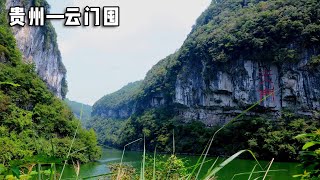
LuShui YunMen Scenic Area, located in the picturesque GuiZhou province, is a stunning natural attraction known for its lush landscapes, serene waters, and breathtaking views. The area offers a perfect blend of natural beauty and cultural heritage, making it an ideal destination for nature lovers and cultural enthusiasts alike.
History
LuShui YunMen Scenic Area has a rich history that dates back centuries. The area has long been revered for its natural beauty and has inspired poets, artists, and travelers throughout the ages. The scenic area is also home to several historical and cultural sites that reflect the diverse heritage of GuiZhou province.
Main Attractions
YunMen Cave
YunMen Cave is one of the most famous attractions in the LuShui YunMen Scenic Area. The cave features stunning stalactites and stalagmites, creating a mesmerizing underground landscape. Visitors can explore the cave's intricate formations and enjoy the cool, serene atmosphere.
LuShui Waterfall
The LuShui Waterfall is a spectacular sight, cascading down the mountainside into a crystal-clear pool below. The waterfall is surrounded by lush vegetation, making it a perfect spot for photography and relaxation. The sound of the water and the fresh air provide a rejuvenating experience.
Mountain Trails
The scenic area boasts numerous hiking trails that offer breathtaking views of the surrounding mountains and valleys. The trails vary in difficulty, catering to both casual walkers and experienced hikers. Along the way, visitors can encounter diverse flora and fauna, adding to the adventure.
Local Villages
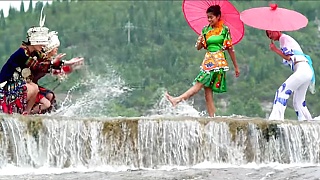
The scenic area is home to several traditional villages where visitors can experience the rich cultural heritage of the local ethnic communities. These villages offer a glimpse into the traditional lifestyle, architecture, and customs of the people who have lived in harmony with nature for generations.
Culture and Traditions
LuShui YunMen Scenic Area is not only known for its natural beauty but also for its vibrant cultural heritage. The area is inhabited by various ethnic groups, each with its unique traditions, festivals, and crafts. Visitors can witness traditional dances, music, and local crafts that reflect the cultural richness of the region.
Activities and Experiences
Hiking and Nature Walks
Explore the scenic beauty of LuShui YunMen by embarking on one of the many hiking and nature trails. These trails offer a chance to connect with nature, enjoy panoramic views, and discover hidden gems along the way.
Photography
The scenic area is a paradise for photographers, with its stunning landscapes, vibrant flora, and serene waters. Whether you're a professional photographer or an amateur enthusiast, you'll find plenty of opportunities to capture the natural beauty of LuShui YunMen.
Cultural Tours
Join a guided cultural tour to learn more about the local traditions, history, and lifestyle of the ethnic communities in the area. These tours provide valuable insights and a deeper understanding of the cultural heritage of LuShui YunMen.
Accommodation
LuShui YunMen Scenic Area offers a range of accommodation options to suit different preferences and budgets. Visitors can choose from luxury resorts, cozy guesthouses, and traditional homestays. Staying in a local guesthouse or homestay provides an authentic experience and a chance to interact with the local community.
Travel Tips
Best Time to Visit: The best time to visit LuShui YunMen Scenic Area is during spring (March to May) and autumn (September to November) when the weather is mild and the scenery is at its most beautiful.
Getting There: LuShui YunMen Scenic Area is accessible by bus or car from GuiZhou's major cities. The nearest airport is GuiYang LongDongBao International Airport, which offers connections to various domestic and international destinations.
Opening Hours: The scenic area is open daily from 8:00 AM to 5:00 PM.
Entrance Fees: There is an entrance fee for the scenic area, with additional fees for specific attractions and activities. It is advisable to check the latest fees before planning your visit.
Dress Comfortably: Wear comfortable clothing and sturdy walking shoes, as the terrain can be uneven and the weather can change quickly.
Respect Local Customs: Be respectful of local customs and traditions, especially when visiting villages and cultural sites. Always ask for permission before taking photos of people.
Stay Hydrated: Carry plenty of water, especially if you plan on hiking or spending extended periods outdoors. It's also a good idea to bring snacks or a packed lunch for longer excursions.
|
 The Hanging Temple of HengShan 悬空寺, and the YunGang Grottoes 云冈石窟