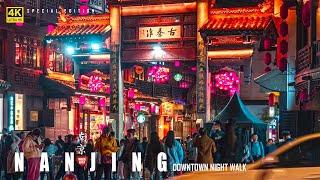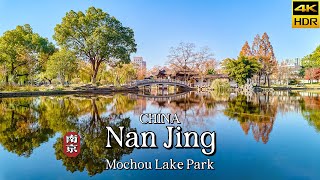
XuanWu Lake, NanJing 南京城中的湖

With Katherine's Journey to the East 阳离子东游记 ...

[640],shadow=true,start=,stop=

Bonus film - JiangSu to AnHui bike ride ...

[320],shadow=true,start=,stop=

Nanjing, known as the Southern Capital, is one of China's most historically significant cities and a vibrant modern metropolis. Situated in the Jiangsu Province, Nanjing offers visitors a blend of rich history, cultural heritage, scenic landscapes, and modern amenities. Here's a guide to Nanjing for visitors:

Historical and Cultural Attractions:
Nanjing City Wall: Explore the remnants of the ancient city wall, one of the most well-preserved in China, offering panoramic views of the city and surrounding areas.

Sun Yat-sen Mausoleum: Pay homage to Dr. Sun Yat-sen, the founding father of modern China, at his grand mausoleum located at the foot of Purple Mountain.

Confucius Temple (Fuzimiao): Immerse yourself in traditional Chinese architecture, visit the Confucius Temple, and stroll along the Qinhuai River, known for its lively atmosphere and historic charm.

Nanjing Massacre Memorial Hall: Commemorates the victims of the Nanjing Massacre. Learn about this tragic chapter in history.

Presidential Palace: Explore the former presidential residence of China's early republican era, showcasing exhibits on Chinese history and culture.

Jiming Temple: Visit one of Nanjing's oldest temples, known for its serene atmosphere, beautiful gardens, and ancient pagodas.

Natural Beauty:
Purple Mountain (Zijin Shan): Escape the urban hustle and bustle with a visit to Purple Mountain, home to scenic hiking trails, tranquil lakes, and historical sites like the Ming Xiaoling Mausoleum.

Xuanwu Lake: Relax by the shores of Xuanwu Lake, a picturesque oasis in the heart of the city, offering boat rides, walking paths, and lush greenery.

Modern Landmarks:
Nanjing Olympic Sports Center: Experience modern Nanjing at the Olympic Sports Center, home to state-of-the-art sports facilities, shopping malls, and entertainment venues.

Nanjing Eye Pedestrian Bridge: Take a leisurely stroll across the Yangtze River on the Nanjing Eye Pedestrian Bridge, offering stunning views of the city skyline.

Culinary Delights:
Nanjing Salted Duck: Sample this local delicacy, known for its savory flavor and tender meat, at traditional restaurants throughout the city.

Nanjing Dumplings (Soup Dumplings): Indulge in Nanjing's famous soup dumplings, filled with flavorful broth and served piping hot.

Practical Information:
Transportation: Getting around Nanjing is easy, with an efficient public transportation system including buses, metro, and taxis.

Accommodation: Nanjing offers a range of accommodation options, from luxury hotels to budget-friendly hostels, catering to different preferences and budgets.

Language: Mandarin Chinese is the official language, but some locals may speak English, especially in tourist areas.

Nanjing's blend of historical significance, natural beauty, cultural richness, and modernity makes it a compelling destination for travelers seeking a diverse and immersive experience in China.
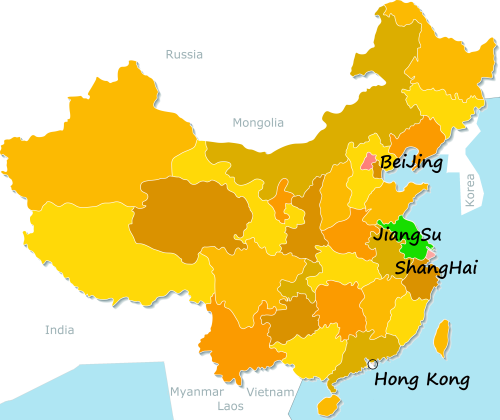
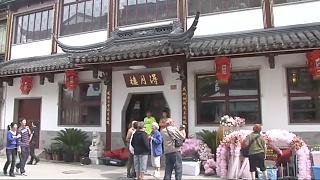
JiangSu map

Related Videos


Featured Videos

LiJiang 丽江 and DaLi 大理. YunNan province
The 'old towns'. We begin with an Ultra HD (4K) video of Dali Old Town and the nearby Three Pagodas ...
Two days in historical WuZhen water town, ZheJiang province
WuZhen 乌镇, a 1,300 years old water town on the lower reaches of the YangTze River, is a national 5A scenic area and one of China's top ten historical & cultural places. With the crystal ...
YangShuo, GuiLin and the Li and YuLong rivers, GuangXi province
Happy in ShenZhen 深圳  : )
Great video ! Song by Pharrell Williams ... Bonus film : hop in for a drive around ShenZhen ...
Infrastructure – China and the US
With Machine Eye ... With Wave Media ...
WuHan city, capital of HuBei province – night and day
With China Walking Tour ... Welcome to WuHan, China Introduction History of WuHan Top Attractions Local Culture Local Cuisine Visitor Tips WuHan in Modern History Introduction WuHan, the capital city of HuBei province, is located at the confluence of the Yangtze and Han rivers in central China. Known as the "Thoroughfare of Nine Provinces," WuHan has long been a major transportation hub, serving as a gateway between northern and southern China. With a rich history that spans over 3,500 years, WuHan is a city of contrasts, blending ancient traditions with modern advancements. The city is composed of three historic towns: Wuchang, Hankou, and Hanyang, which were merged in 1927 to form modern WuHan. Today, it is a bustling metropolis with a vibrant economy, cultural heritage, and a thriving arts scene. History of WuHan WuHan's history dates back to ancient times, with its origins in the Spring and Autumn Period (770-476 BC). The city's strategic location along the Yangtze River made it an important center for trade and military defense. Wuchang, Hankou, and Hanyang each developed unique characteristics over the centuries, contributing to the diverse cultural landscape of the region. During the Qing Dynasty, WuHan became one of the four most famous towns in China, known for its bustling commercial activities. The city played a significant role in the 1911 Revolution, which led to the fall of the Qing Dynasty and the establishment of the Republic of China. In the 20th century, WuHan continued to grow as a major industrial and educational center. It was also the site of several key events in modern Chinese history, including the WuHan Uprising and the WuHan Incident. Top Attractions in WuHan Yellow Crane Tower The Yellow Crane Tower is one of the most famous landmarks in WuHan. Originally built in 223 AD during the Three Kingdoms period, the tower has been destroyed and rebuilt several times throughout history. The current structure, completed in 1985, stands as a symbol of WuHan's rich cultural heritage. Visitors can enjoy panoramic views of the Yangtze River and the city from the top of the tower. East Lake (Donghu) East Lake is the largest urban lake in China, offering a tranquil escape from the bustling city. The lake is surrounded by scenic parks, gardens, and walking trails. Key attractions around the lake include the Mo Hill Scenic Area, the Chu Culture Museum, and the WuHan Botanical Garden. The lake is particularly beautiful in spring when the cherry blossoms are in full bloom. WuHan University WuHan University is renowned for its beautiful campus, especially during the cherry blossom season in late March and early April. The university's historic buildings, lush gardens, and peaceful atmosphere make it a popular destination for both tourists and locals. It is also one of China's top universities, with a rich academic tradition. GuiYuan Temple GuiYuan Temple is a famous Buddhist temple in WuHan, known for its exquisite architecture and serene ambiance. Founded in the 17th century, the temple is home to a large collection of Buddhist scriptures and statues. The temple’s Five Hundred Arhats Hall is particularly noteworthy, featuring life-sized statues of 500 arhats (enlightened disciples of Buddha) in various poses. Hubei Provincial Museum The Hubei Provincial Museum is one of China's leading museums, offering a comprehensive look at the region's history and culture. The museum's most famous exhibit is the Marquis Yi of Zeng's tomb, which includes the remarkable bronze chime bells. The museum also features artifacts from the Chu culture, ancient jade carvings, and traditional musical instruments. Local Culture WuHan is a city with a rich cultural heritage, shaped by its long history and diverse population. The city is a melting pot of different cultures, blending traditional Chinese customs with influences from other regions and ethnic groups. One of the most notable cultural aspects of WuHan is its connection to Chu culture, an ancient civilization that thrived in the region over 2,000 years ago. The Chu culture is known for its distinctive art, music, and religious practices, many of which are preserved in WuHan's museums and cultural institutions. WuHan is also known for its vibrant arts scene, with numerous theaters, galleries, and cultural events taking place throughout the year. The WuHan International Acrobatic Art Festival and the WuHan Yangtze River Piano Music Festival are just a few examples of the city's cultural offerings. Local Cuisine WuHan's cuisine is a reflection of its geographical location and cultural diversity. The city is known for its hearty and flavorful dishes, which often feature freshwater fish, rice, and a variety of spices. Some must-try dishes include: Re Gan Mian (Hot Dry Noodles): A signature dish of WuHan, Re Gan Mian is a breakfast staple made from wheat noodles tossed in a sesame paste, soy sauce, and chili oil. It is typically garnished with pickled vegetables, garlic, and green onions. Doupi: A traditional snack made from sticky rice, minced pork, and yellow soybeans, wrapped in a thin tofu skin and pan-fried until crispy. Steamed Wuchang Fish: A famous dish from the Yangtze River, Wuchang fish is steamed with ginger, garlic, and soy sauce, and served with a drizzle of hot oil. San Zhi Er: A local delicacy made from pig's feet, duck's feet, and chicken feet, braised in a rich, savory sauce until tender. Lotus Root Soup: A popular dish in WuHan, this soup is made with lotus root, spare ribs, and goji berries, creating a nutritious and flavorful broth. Street food is also an integral part of WuHan’s culinary scene, with night markets offering a wide range of snacks and local specialties. Don't miss the chance to sample WuHan’s street food, such as grilled skewers, fried dumplings, and stinky tofu. Visitor Tips Best Time to Visit: The best time to visit WuHan is during the spring (March to May) and autumn (September to November) when the weather is mild and pleasant. These seasons also coincide with the blooming of cherry blossoms and the changing of autumn leaves. Getting There: WuHan is a major transportation hub, with direct flights to major cities around the world. WuHan TianHe International Airport is the main gateway to the city. WuHan is also well-connected by China's high-speed rail network, with trains to and from Beijing, Shanghai, Guangzhou, and other major cities. Public Transportation: WuHan has an extensive public transportation system, including buses, taxis, and a growing metro network. The metro is the most convenient way to get around the city, with signs and announcements in both Chinese and English. Language: While Mandarin is the official language, the local dialect, WuHanese, is widely spoken. English is not commonly spoken, so it's advisable to have a translation app or basic Mandarin phrases ready. Respect Local Customs: When visiting religious sites, such as temples, dress modestly, and be respectful of local customs. Always ask for permission before taking photos of people, especially in traditional settings. WuHan in Modern History WuHan has played a pivotal role in China's modern history, particularly during the 20th century. The city was the starting point of the 1911 Revolution, also known as the Xinhai Revolution, which led to the overthrow of the Qing Dynasty and the establishment of the Republic of China. The Wuchang Uprising, which took place on October 10, 1911, is considered the beginning of this revolution, and WuHan is often referred to as the 'Cradle of the Revolution.'
Dance !
Dance - the second international language, after its sister : music. BeijingBuzzz is 9 (and a half - July 2017) ! So besides a little jelly, we thought we'd celebrate with a typically eclectic selection of 12 dance videos from our first 9 years ... Two left feet ? No matter; whatever your passion, remember that time flies - follow your dream; how often does the butterfly land in the palm of your hand ...? Keep warm this winter, but also be cool - and get off that sofa, or internet, now and then ... Live more ! (especially if you have noted that there are actually 13 videos ;) Happiness is not what you get, but what you give. Become a fountain of joy and share the love ...
Sanya 三亚 bay, HaiNan island
TianAnMen 1989 – the real truth
What people in the West are told happened, is not what happened. But it was the West's plan; so they told it anyway.

Tag search ?