Daniel Dumbrill talks with Max Blumenthal of Moderate Rebels – XinJiang and the US empire’s war drive

Important information on today's geopolitics. Do not miss it.

XinJiang and the US empire's war drive ...

[640],shadow=true,start=,stop=
[320],shadow=true,start=,stop=

More from the Moderate Rebels channel ...

[320],shadow=true,start=,stop= [320],shadow=true,start=,stop= [320],shadow=true,start=,stop=

The 'threat' is that of a good example.

In China, the people are family. In the West, the people are merely livestock. In the West, it is government by and for the elite (though wrapped in the candyfloss of elections).

The Military Industrial Complex plays a part, but the biggest part is the western elites' superiority complex - colonialism never went away, it just became more subtle (but no less brutal).

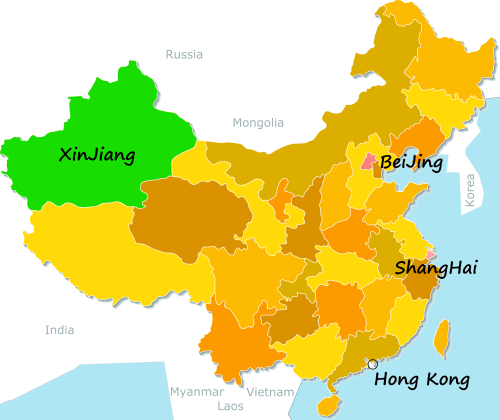
XinJiang map
Related Videos


Featured Videos

Tea in Chinese cooking
With Wild Girl in GuiZhou ... Bonus film - peaches ...
Relaxing in BeiJing 北京 – video
Sticker Travel visit PanJiaYuan curio market, join the fun at the Temple of Heaven park, then head over to ShiChaHai to relax in a lakeside bar at QianHai ...
Around YangShuo 阳朔, GuangXi province
Beautiful natural scenery in north west China (north XinJiang 新疆)
North XinJiang province, including Kanas Lake. Awesome ! With Hogin Chen ...
ShaXi ancient town, YunNan province
With Hannah and Ben ... "So happy we decided to make a quick stop in Shaxi on our way from Dali to Lijiang. This small mountain village is absolutely gorgeous. There are so many fun shops, restaurants, and sites to see. If you are a fan of C-dramas, then you can't miss all the sites from the show Meet Yourself, starring Li Xian and Liu Yifei. The best way to get to Shaxi is by private car. If you don't know how to hire a car using Chinese apps, there are a lot of people offering driving services from Dali and Lijiang. We asked at our homestay in Dali and they gave us several recommendations. You can visit most of the old town in just one day but staying the night is recommended." With JHMedium ... "Halfway between Dali and Lijiang lies an ancient town that is more intimate, artistic, and far less commercialized than those two cities. This is Shaxi. Tucked away in Jianchuan County, Shaxi Ancient Town is beloved by artists and craftsmen from all over China but is still relatively unknown to international visitors. I can confidently say this town is a must-visit in Yunnan. We'll experience the local tie-dyeing, learn about the history of the Ancient Tea Horse Road, and explore the arts and crafts of this town. Join us on our trip to this charming little gem."
The Stone Village of the NaXi people, YunNan province
With China Road Tales ... The Stone Village of the NaXi people, located in YunNan Province, China, is a remarkable destination that offers a unique glimpse into the traditional lifestyle, culture, and architecture of the NaXi ethnic minority. Here’s a detailed look at this fascinating village: ### Location and Overview - **Location**: The Stone Village, also known as ShiZhiShu Village, is situated in the YuLong Naxi Autonomous County in the northwestern part of Yunnan Province, near the town of Lijiang. - **Geography**: Nestled in the foothills of the Jade Dragon Snow Mountain (YuLong XueShan), the village is surrounded by stunning natural beauty, including rugged mountains, lush forests, and clear streams. ### NaXi Culture and Heritage - **Ethnic Group**: The NaXi people are one of China’s 56 recognized ethnic groups, with a rich cultural heritage that blends elements of Han Chinese, Tibetan, and other neighboring cultures. - **Language**: The NaXi language, belonging to the Sino-Tibetan language family, is still spoken by many villagers. The NaXi also have a unique pictographic script called Dongba, used primarily for religious texts. - **Matriarchal Society**: Historically, the NaXi society was matrilineal, with property and family names passed down through the female line. ### Architecture - **Stone Houses**: The village is renowned for its traditional stone houses, built using local materials such as stone, wood, and mud. These houses are designed to blend harmoniously with the natural environment and are known for their durability and unique aesthetic. - **Courtyards**: Many homes are built around central courtyards, which serve as communal spaces for family activities and social gatherings. - **Wooden Carvings**: Intricate wooden carvings and decorations adorn the houses, showcasing the NaXi’s craftsmanship and artistic traditions. ### Traditional Lifestyles - **Agriculture**: The NaXi people in the Stone Village primarily engage in agriculture, cultivating crops such as barley, wheat, and vegetables. They also raise livestock, including pigs, chickens, and yaks. - **Traditional Dress**: The NaXi have distinctive traditional clothing, often featuring bright colors and intricate embroidery. Women’s attire includes long gowns with wide belts and colorful headscarves, while men typically wear tunics and trousers. - **Festivals and Rituals**: The NaXi people celebrate various traditional festivals, such as the Torch Festival and the Sanduo Festival, which are marked by music, dance, and religious ceremonies. ### Dongba Religion - **Animism and Shamanism**: The NaXi practice Dongba religion, an animistic belief system that involves worshiping nature spirits and ancestors. Dongba priests, who are also scholars, play a central role in religious rituals and the preservation of cultural heritage. - **Dongba Texts**: These religious texts are written in the unique Dongba script, a pictographic writing system that dates back over a thousand years. ### Tourism and Preservation - **Cultural Tourism**: The Stone Village has become a popular destination for tourists seeking to experience the traditional lifestyle and culture of the NaXi people. Visitors can explore the village, interact with locals, and learn about their customs and traditions. - **Preservation Efforts**: There are ongoing efforts to preserve the unique architecture and cultural heritage of the Stone Village. Local and regional governments, along with cultural organizations, are working to protect the village from modern development and ensure the continuation of NaXi traditions. ### Nearby Attractions - **Lijiang Ancient Town**: A UNESCO World Heritage Site, Lijiang is known for its well-preserved ancient architecture and vibrant NaXi culture. It is a short drive from the Stone Village and offers additional cultural experiences. - **Jade Dragon Snow Mountain**: This majestic mountain range provides opportunities for hiking, skiing, and enjoying spectacular natural scenery. ### Conclusion The Stone Village of the NaXi people in Yunnan Province is a captivating destination that offers an authentic glimpse into the traditional life and culture of one of China’s most unique ethnic groups. With its distinctive stone architecture, rich cultural heritage, and stunning natural surroundings, the Stone Village provides a memorable and enriching experience for all who visit.
GuanDi Temple (Temple of Guan Yu), DaTong, ShanXi province
With Andy see the World ... Guandi Temple (关帝庙), commonly referred to as the Grand Temple, is dedicated to the worship of Guan Yu, a revered general from the Three Kingdoms period. Originally built during the Yuan Dynasty, the temple remarkably retains its original Yuan Dynasty hall, making it the only surviving Yuan Dynasty structure within the Datong Ancient City. The architectures in the scenic area include: Shanmen (Mountain Gate): The entrance to Guandi Temple is marked by the Shanmen, a three-bay wide structure with a suspended mountain-style roof. The gate is adorned with a couplet inscribed on it, reading “Loyalty to the Han dynasty in the three kingdoms, ambition in one book of Spring and Autumn,” which reflects the values and aspirations attributed to Guan Yu. Chongsheng Hall (Passing Hall): Inside the Chongsheng Hall, a majestic bronze statue of Guan Yu riding a horse dominates the space. Standing at 3.3 meters tall and weighing two tons, the statue exudes the heroic and commanding presence of Guan Yu as a military leader. Main Hall (Wusheng Hall): The Wusheng Hall is the central structure of the temple complex, notable for its single-eave nine-ridge roof covered with glittering glazed tiles. The interior of the hall features a three-bay shrine at the front, connected by two finely carved golden columns. The shrine includes intricate wooden niches designed in the style of ancient wooden structures, with detailed carvings and a double-eave hip-and-gable roof. The niches are adorned with decorative patterns, and the space is embellished with colored paintings and gold-plated elements, showcasing the exquisite craftsmanship of the Qing Dynasty. Jieyi Garden (Brotherhood Garden): Located in the west courtyard, Jieyi Garden houses the Jieyi Hall and the Wuhou Shrine. In spring, the garden comes alive with blossoming peach flowers, filling the air with a delightful fragrance. Guandi Temple (Temple of Guan Yu), Datong Guandi Temple, also known as the Temple of Guan Yu, is a historic and culturally significant site located in Datong, Shanxi province. Dedicated to Guan Yu, a legendary general from the Three Kingdoms period, the temple is a testament to his enduring legacy as a symbol of loyalty, righteousness, and bravery. Here’s a detailed guide to everything you need to know about this remarkable temple. History and Background The Guandi Temple in Datong dates back to the Yuan Dynasty (1271–1368), with subsequent renovations during the Ming (1368–1644) and Qing (1644–1912) dynasties. Guan Yu, the temple’s namesake, was a revered general during the Three Kingdoms period and later deified as a god of war and loyalty. The temple was built to honor his virtues and has since become a place of worship and cultural significance. Architecture and Layout The temple is a fine example of traditional Chinese temple architecture, featuring: Grand Hall (Main Hall): The central hall houses a large statue of Guan Yu, depicted in his iconic pose with a long beard and a guandao (a type of pole weapon). Stone Tablets: Inscriptions on stone tablets detail the history of the temple and the life of Guan Yu. Courtyards: The temple complex includes several courtyards, each with its own unique features, such as ancient trees and decorative carvings. Roof Decorations: The roofs are adorned with intricate glazed tiles and statues of mythical creatures, symbolizing protection and good fortune. Main Attractions Here’s a detailed look at the must-see spots within the Guandi Temple: 1. Statue of Guan Yu The centerpiece of the temple is the imposing statue of Guan Yu, which stands in the Grand Hall. The statue is crafted with meticulous detail, showcasing Guan Yu’s威严 (majestic presence) and his iconic weapon, the Green Dragon Crescent Blade. 2. Stone Tablets and Inscriptions Scattered throughout the temple, these tablets provide historical insights into Guan Yu’s life and the temple’s construction. Some inscriptions are written in ancient calligraphy, adding to the temple’s cultural value. 3. Ancient Trees The temple grounds are home to several ancient trees, some of which are hundreds of years old. These trees add to the serene and timeless atmosphere of the temple. 4. Decorative Carvings The temple features intricate wood and stone carvings, depicting scenes from Chinese mythology and Guan Yu’s legendary exploits. These carvings are a testament to the skill and artistry of ancient Chinese craftsmen. Cultural Significance Guandi Temple is not just a place of worship but also a cultural landmark that reflects the values of loyalty, righteousness, and bravery embodied by Guan Yu. Key cultural aspects include: Worship of Guan Yu: Guan Yu is worshipped as a god of war, loyalty, and righteousness, and is also considered a protector of businesses. Visitors often pray for success, protection, and good fortune. Festivals and Rituals: During important festivals, such as Guan Yu’s Birthday (24th day of the 6th lunar month), the temple hosts ceremonies and performances. These events attract devotees and tourists alike, creating a vibrant atmosphere. Symbolism: The temple’s architecture and artifacts are rich in symbolism, reflecting traditional Chinese beliefs and values. How to Get There Guandi Temple is located in the heart of Datong, making it easily accessible: By Public Transport: Take a local bus or taxi to the temple. It’s a short ride from Datong’s city center. By Car: If you’re driving, parking is available near the temple. Best Time to Visit Spring (April–June): Pleasant weather and blooming flowers make this an ideal time to visit. Autumn (September–October): Cool temperatures and clear skies provide perfect conditions for exploring. During Festivals: Visiting during Guan Yu’s Birthday or other festivals offers a unique cultural experience. Travel Tips Dress Modestly: As a place of worship, it’s respectful to dress modestly when visiting the temple. Respect Local Customs: Follow temple etiquette, such as not touching artifacts and maintaining a quiet demeanor. Hire a Guide: Consider hiring a local guide to gain deeper insights into the temple’s history and significance. Combine with Other Attractions: Datong is home to other famous sites like the Yungang Grottoes and Hanging Temple, so plan a combined itinerary. Why Visit Guandi Temple? Guandi Temple is a must-visit destination for: History Enthusiasts: Learn about Guan Yu’s legendary life and the temple’s rich history. Cultural Explorers: Experience traditional Chinese architecture, art, and religious practices. Spiritual Seekers: Pay homage to Guan Yu and seek blessings for loyalty, success, and protection. Whether you’re drawn by history, culture, or spirituality, Guandi Temple in Datong offers a fascinating and enriching experience.
XinJiang – the real truth …
With Angelo Giuliano and Brian Berletic. They also discuss China's infrastructure and the development of XinJiang, Tibet, etc. ... In depth ... The West likes to trumpet 'individualism' - but is this really for the elite to divide the people, an excuse for the lack of infrastructure, and that if one is poor, it is your fault ? Compared to China's development and poverty alleviation, what has the West achieved over recent decades ? There are around 200,000 Chinese students in UK alone. China has 120 million outbound overseas tourists each year. There are 850,000 expats living and working in China. XiaoMi sells more smart phones than Apple. Etc. - Reality versus fake news. As for Western MSM, the more ridiculous the bias, the more obvious it becomes. In China, the people are family; in the West, the people are merely livestock.
This is LiJiang 丽江 old town …
The ancient town of LiJiang, in YunNan province, is a UNESCO World Heritage Site, with over 800 years of history. It was an important hub of the South Silk Road, along which many items were traded, including tea. It is home to the NaXi ethnic minority. LiJiang has lots of boutique hotels and cosy hostels in traditional architecture. The town, with its cobbled streets, streams and bridges, features many crafts (embroidery, silverware, drums and more) plus a wide variety of street snacks and restaurants.

Tag search ?