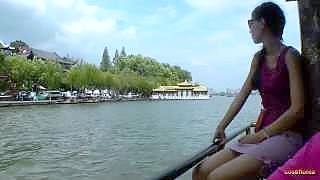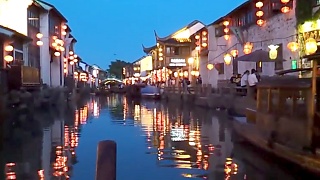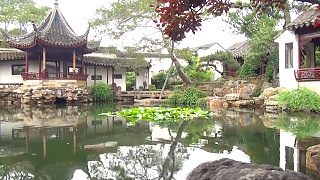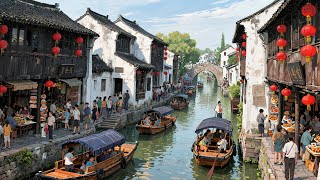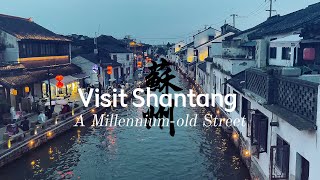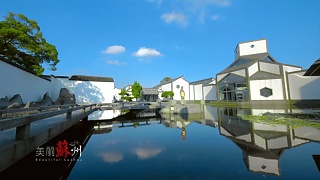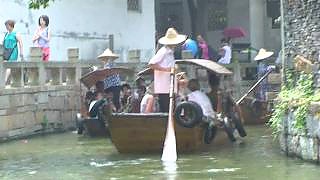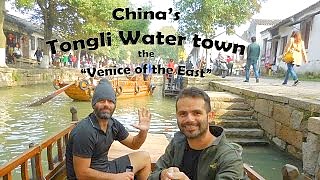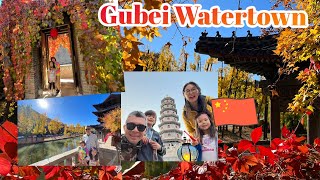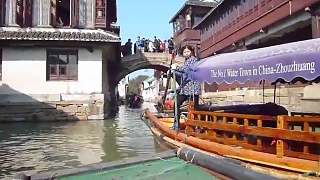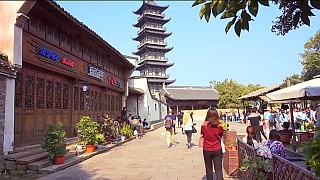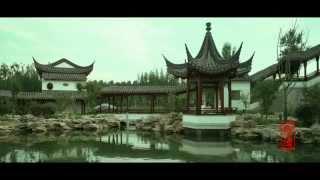
TongLi 同理 canal boat ride, JiangSu province
TongLi is one of several towns on the outskirts of Suzhou that are based around water - canals and lakes, islands and bridges.

Located on the eastern shore of Taihu Lake, just 18 kilometers (11 miles) from Suzhou City, Tongli is 63 square kilometers (24 square miles) in area and has a population of about 35,000.


[640],shadow=true,start=83,stop=
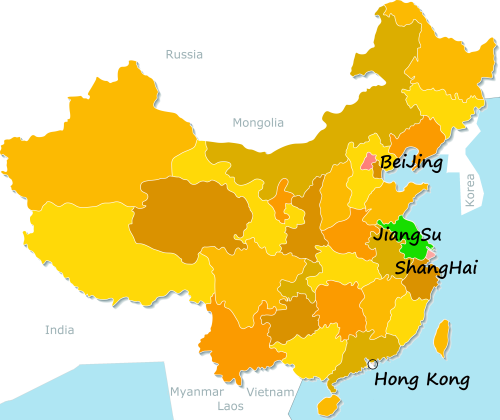
JiangSu map

Related Videos


Featured Videos

A trip to scenic XiTang 西塘, ZheJiang province
XīTang is a picturesque, ancient water-town in JiaShan County, ZheJiang province; within the flat-lands of the YangTse River delta. Its history dates back to at least the Spring and Autumn Period when it was located at the border of the ancient states of Yue and Wu. XiTang is crisscrossed by nine rivers and many canals, linked by a multitude of distinct stone bridges. In the older parts of town, the buildings are set along the banks of the canals, which serve as the main transportation thoroughfares. The town has maintained a tranquil ambiance and scenic beauty, making it a popular tourist attraction and has been frequently depicted in traditional Chinese landscape painting. In XiTang, there are well-preserved groups of buildings from the Ming dynasty (1368-1644) and the Qing dynasty (1644-1911). XiTang also contains numerous antique residences and temples, such as the Temple of the Seven Masters and a 1,200 meter canal-side, tiled-roof long-corridor. Other places of interest include : XiYuan Garden, with trees and plants, lakes and bridges, pavilions and fountains all harmoniously integrated. Xue's House, which is a typical wooden courtyard of the rich merchant from this region during the later Qing dynasty. WangXian Bridge, which was constructed during the Song dynasty, more than a thousand years ago. XiTang can be explored on a day-trip from Shanghai or HangZhou. From Shanghai, the journey takes around 1:45 hours by coach. Alternatively, one can first take a train or bus to JiaShan, from where there is a bus leaving for XiTang every 10 minutes, a distance of around ten kilometers. One might choose to stay overnight in XiTang or JiaShan to take in the evening or early morning ambiance.
Awesome DaLi, YunNan province – timeless charm
With Feeding Foca ... "The mountains are high, and the emperor is far away."
WuHan city, 2024, HuBei province
With Travel East ... Wuhan Travel Guide Introduction Wuhan, the capital of Hubei province, is a vibrant city known for its rich history, cultural landmarks, and bustling modern life. Located at the intersection of the Yangtze and Han rivers, Wuhan is a major transportation hub and a center for education and industry. This guide will take you through the must-see attractions, local cuisine, cultural highlights, and practical travel tips for visiting Wuhan. Must-See Attractions Yellow Crane Tower (黄鹤楼) The Yellow Crane Tower is one of the most famous landmarks in Wuhan. This historic tower, originally built in 223 AD, offers stunning views of the city and the Yangtze River. It has been rebuilt several times and is now a symbol of Wuhan's cultural heritage. East Lake (东湖) East Lake is the largest urban lake in China, offering beautiful scenery and numerous recreational activities. Visitors can enjoy boating, cycling, and walking along the picturesque lake shores. The area also features botanical gardens, bird sanctuaries, and scenic spots like the Cherry Blossom Park. Hubei Provincial Museum (湖北省博物馆) The Hubei Provincial Museum is a must-visit for history and culture enthusiasts. The museum houses a vast collection of artifacts, including the famous bronze chime bells of the Zenghouyi Tomb, ancient pottery, and relics from various dynasties. The museum provides insight into the rich cultural heritage of Hubei province. Wuhan Yangtze River Bridge (武汉长江大桥) The Wuhan Yangtze River Bridge is the first bridge to span the Yangtze River. Opened in 1957, this engineering marvel connects the Wuchang and Hanyang districts of Wuhan. The bridge offers panoramic views of the river and the city skyline. Guiyuan Buddhist Temple (归元寺) Guiyuan Buddhist Temple is one of Wuhan's most important religious sites. Established in the Qing Dynasty, the temple features beautiful architecture, serene gardens, and a vast collection of Buddha statues. It is a peaceful retreat from the city's hustle and bustle. Local Cuisine Wuhan is famous for its delicious local cuisine, which is characterized by bold flavors and hearty dishes. Here are some must-try foods: Re Gan Mian (热干面) Re Gan Mian, or hot dry noodles, is Wuhan's signature dish. This savory noodle dish is made with sesame paste, soy sauce, garlic, and pickled vegetables. It's a popular breakfast food in Wuhan and a must-try for visitors. Doupi (豆皮) Doupi is a traditional Wuhan snack made from glutinous rice, minced pork, mushrooms, and other ingredients, all wrapped in a bean curd skin and fried until crispy. It's a flavorful and satisfying dish that reflects the city's culinary traditions. Mianwo (面窝) Mianwo is a type of savory fried doughnut made from rice flour and mung beans. These crispy treats are often enjoyed as a breakfast item or snack and are commonly sold by street vendors. Wuchang Fish (武昌鱼) Wuchang Fish is a famous dish from the Wuchang district of Wuhan. The fish is typically steamed with ginger, garlic, and soy sauce, resulting in a tender and flavorful dish that highlights the natural taste of the fish. Cultural Highlights Wuhan University (武汉大学) Wuhan University is one of China's most prestigious universities and is renowned for its beautiful campus. The university is particularly famous for its cherry blossoms, which attract thousands of visitors each spring. The campus also features historic buildings and scenic spots worth exploring. Jiqing Street (吉庆街) Jiqing Street is a lively area known for its street performances, local snacks, and vibrant nightlife. It's a great place to experience the local culture, enjoy live music, and taste a variety of Wuhan's street food offerings. Han Show Theatre (汉秀剧场) The Han Show Theatre is a state-of-the-art performance venue that hosts spectacular shows combining acrobatics, dance, and technology. The theatre itself is an architectural marvel, designed to resemble a Chinese lantern. Practical Travel Tips Best Time to Visit: The best time to visit Wuhan is during the spring (March to May) and autumn (September to November) when the weather is mild and pleasant. Getting Around: Wuhan has an extensive public transportation system, including buses, metro lines, and taxis. The metro is a convenient and efficient way to travel around the city. Language: Mandarin Chinese is the official language, but English is widely spoken in tourist areas. It's helpful to learn a few basic Mandarin phrases. Accommodation: Wuhan offers a wide range of accommodation options, from budget hostels to luxury hotels. Popular areas to stay include Hankou, Wuchang, and Hanyang districts. Health and Safety: Wuhan is generally a safe city for travelers. However, it's always wise to take standard precautions, such as avoiding poorly lit areas at night and keeping an eye on your belongings. Conclusion Wuhan is a dynamic city that seamlessly blends its rich historical heritage with modern urban life. Whether you're exploring its ancient landmarks, savoring its local cuisine, or experiencing its vibrant culture, Wuhan offers a unique and memorable travel experience. Use this guide to make the most of your visit to this fascinating city in Hubei province.
The HangZhou Asian Games 2023 architectural light show
NanJing, JiangSu, downtown drive
With Walk East ...
Chili sauce, from scratch
Bonus film - chili and soy sauce ...
QingTongXia Yellow River Grand Canyon
DIY bread oven and home-made burgers
With DianXi XiaoGe ... Bonus films - village tour ... Home rebuild ...
FoShan city, GuangDong province
With Walk East ... GuanYin of Mount XiQiao ... Foshan, located in Guangdong Province, is a city rich in culture, history, and culinary delights. Known as the birthplace of martial arts legends like Yip Man and Wong Fei Hung, it offers a blend of traditional and modern attractions. * Top Attractions: Ancestor Temple (Zumiao Temple): A Taoist temple showcasing exquisite architectural art from the Ming and Qing dynasties. Visitors can enjoy kung fu shows, lion dances, and Cantonese opera performances. Lingnan Tiandi: A district featuring well-preserved Lingnan-style architecture, with arcades, green brick houses, and stone roads. It's a vibrant area filled with galleries, cafés, bars, and handicraft shops. Ancient Nanfeng Kiln: Built during the Ming Dynasty, it's the oldest continuously operating kiln in the world. Visitors can explore the Shiwan Ceramic Museum and even try their hand at pottery making. Qinghui Garden: One of China's top ten gardens, showcasing classical South Chinese gardening art with its intricate designs and serene landscapes. Xiqiao Mountain Scenic Area: A national park featuring natural beauty and cultural heritage, including the impressive Nanhai Guanyin statue. * Culinary Highlights: Foshan, particularly the Shunde district, is renowned for its gastronomy. Recognized by UNESCO as a "City of Gastronomy," it offers a plethora of local delicacies. * Travel Tips: Language: Mandarin is widely spoken, but Cantonese is prevalent among locals. Transportation: Foshan is well-connected by metro and buses. It's also close to Guangzhou, making day trips convenient. Best Time to Visit: Spring (March to May) and autumn (September to November) offer pleasant weather for sightseeing. Foshan seamlessly blends its rich historical heritage with modern development, making it a captivating destination for travelers seeking cultural immersion and culinary adventures.

Tag search ?