TongLi 同里

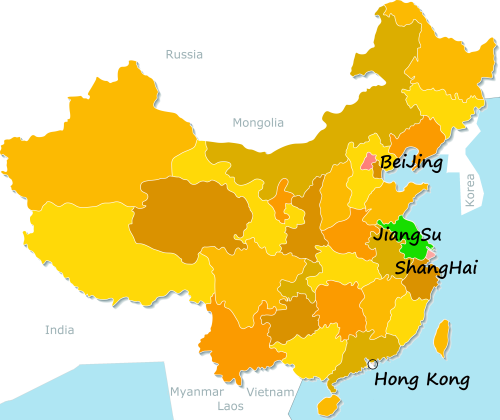
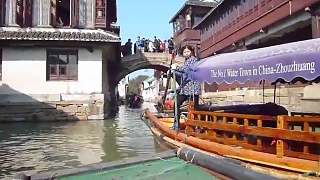
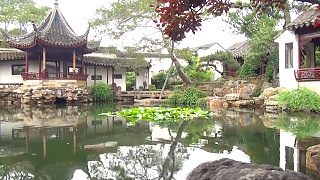
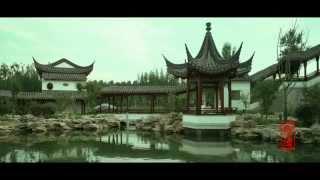
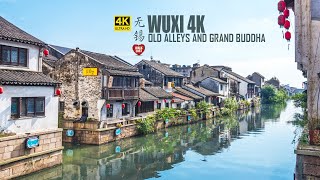
TongLi, lies in the outskirts of SuZhou, JiangSu province in east China, about 100 km (62 miles) north-west of ShangHai. This charming water town retains many of the features of the ancient Kingdom of Wu.

[640],shadow=true,start=,stop=
JiangSu map

Related Videos


Featured Videos

BeiJing City Guide
Welcome to Beijing! Discover the vibrant capital city of China, where ancient history meets modernity. Beijing, with its rich heritage, iconic landmarks, delicious cuisine, and bustling streets, promises an unforgettable journey. About Beijing Beijing, also known as Peking, is the political, cultural, and educational center of China. As one of the world's oldest continuous civilizations, Beijing has been the heart of Chinese history for centuries. Key features of Beijing include its historic hutongs (narrow alleys), ancient palaces, and temples alongside modern skyscrapers and shopping malls. The city is renowned for its role in Chinese history, serving as the capital of several dynasties. Top Attractions Forbidden City (Palace Museum): Explore the largest imperial palace complex in the world, with over 9,000 rooms filled with treasures and historical artifacts. Great Wall of China: Visit iconic sections like Badaling, Mutianyu, or Jinshanling for stunning views of this UNESCO World Heritage site. Tiananmen Square: Discover the heart of Beijing and witness the monumental Tiananmen Gate, Chairman Mao's Mausoleum, and the National Museum of China. Temple of Heaven: Experience the spiritual ambiance of this ancient temple complex where emperors once prayed for good harvests. Summer Palace: Wander through lush gardens, pavilions, and Kunming Lake at this UNESCO-listed royal retreat. Hutong Tour: Take a rickshaw ride through traditional hutongs to see local life and visit courtyard homes. 798 Art District: Explore Beijing's contemporary art scene in a former factory complex filled with galleries, studios, and cafes. Lama Temple (Yonghe Temple): Admire the impressive Tibetan-style architecture and giant Buddha statue at this active Buddhist temple. National Museum of China: Learn about Chinese history, art, and culture through extensive exhibitions. Culture and History Beijing is steeped in cultural heritage, offering a glimpse into China's ancient traditions and customs. Peking Opera: Attend a live performance of this traditional art form known for its colorful costumes, music, and storytelling. Chinese Tea Culture: Visit tea houses to sample different teas and participate in tea ceremonies. Imperial Architecture: Marvel at the architectural marvels of the Forbidden City, Summer Palace, and Temple of Heaven. Traditional Festivals: Experience festive celebrations during Chinese New Year, Mid-Autumn Festival, and Dragon Boat Festival. Beijing Cuisine: Indulge in local specialties such as Peking duck, hotpot, dumplings, and street food delicacies. Dining in Beijing Beijing offers a diverse culinary landscape, from gourmet dining to street-side snacks. Peking Duck: Savor the crispy-skinned duck at renowned restaurants like Quanjude or Da Dong. Street Food: Explore Wangfujing Snack Street for a variety of local snacks, skewers, and sweets. Hutong Restaurants: Dine in historic courtyard homes serving homestyle Beijing cuisine. Hotpot: Enjoy interactive dining with a bubbling pot of broth and fresh ingredients. Dumplings and Noodles: Try handmade jiaozi (dumplings) and la mian (hand-pulled noodles) in bustling noodle shops. Teahouses: Relax in traditional teahouses and sample regional teas paired with snacks. Shopping in Beijing Discover unique souvenirs, antiques, and modern goods in Beijing's vibrant shopping districts. Silk Market: Bargain for silk products, clothing, and accessories at this bustling market. Wangfujing Street: Shop for international brands, local goods, and Beijing-style snacks. Panjiayuan Antique Market: Browse through a vast array of antiques, ceramics, and curios. Hongqiao Pearl Market: Find pearls, jewelry, and electronics at competitive prices. Dashilar Street: Explore historic Dashilar alley for traditional handicrafts and nostalgic items. Practical Tips for Visitors Best Time to Visit: Spring (April to May) and autumn (September to October) offer mild weather and fewer crowds. Language: Learn basic Mandarin phrases; use translation apps for communication. Currency: Use Chinese Yuan (CNY); major credit cards accepted in tourist areas. Transportation: Navigate the city with the extensive subway system, buses, taxis, and ridesharing apps. Accommodation: Choose from luxury hotels, boutique guesthouses, or budget-friendly hostels. Etiquette: Respect local customs, such as using both hands to receive items and addressing people with courtesy. Safety: Be cautious of pickpockets in crowded areas; keep valuables secure. Internet Access: Purchase a local SIM card for mobile data; free Wi-Fi available in many public places. Health and Hygiene: Carry bottled water and practice good hygiene; be aware of air quality during winter. Enjoy Your Journey in Beijing! Immerse yourself in the vibrant culture, rich history, and captivating experiences that Beijing has to offer. Whether you're exploring ancient landmarks or indulging in local cuisine, Beijing promises an unforgettable journey that will leave lasting memories.
Beijing 北京 trip – places, food, fashion and more …
Mostly food ; ) The Forbidden City (Palace Museum) and more in this China travel and culture vlog. A masterclass of video editing and use of music. A vlog that is 'show, don't tell'. A trip around the sights and tastes of BeiJing, China. With Dear Nessie (and Hannah) ... Bonus film look-book ...
The WuHan city metro / subway / underground train system
With Walk East ...
A trip to scenic XiTang 西塘, ZheJiang province
XīTang is a picturesque, ancient water-town in JiaShan County, ZheJiang province; within the flat-lands of the YangTse River delta. Its history dates back to at least the Spring and Autumn Period when it was located at the border of the ancient states of Yue and Wu. XiTang is crisscrossed by nine rivers and many canals, linked by a multitude of distinct stone bridges. In the older parts of town, the buildings are set along the banks of the canals, which serve as the main transportation thoroughfares. The town has maintained a tranquil ambiance and scenic beauty, making it a popular tourist attraction and has been frequently depicted in traditional Chinese landscape painting. In XiTang, there are well-preserved groups of buildings from the Ming dynasty (1368-1644) and the Qing dynasty (1644-1911). XiTang also contains numerous antique residences and temples, such as the Temple of the Seven Masters and a 1,200 meter canal-side, tiled-roof long-corridor. Other places of interest include : XiYuan Garden, with trees and plants, lakes and bridges, pavilions and fountains all harmoniously integrated. Xue's House, which is a typical wooden courtyard of the rich merchant from this region during the later Qing dynasty. WangXian Bridge, which was constructed during the Song dynasty, more than a thousand years ago. XiTang can be explored on a day-trip from Shanghai or HangZhou. From Shanghai, the journey takes around 1:45 hours by coach. Alternatively, one can first take a train or bus to JiaShan, from where there is a bus leaving for XiTang every 10 minutes, a distance of around ten kilometers. One might choose to stay overnight in XiTang or JiaShan to take in the evening or early morning ambiance.
China 中国 trips 2013 (3)
Something different – on being single
"If you feel lonely when alone, you are in bad company" - Jean-Paul Sartre The meaning of life, is what you choose it to be - Albert Camus
Poetry and architecture
On a trip to Yunhe Terrace in Lishui, Zhejiang in 2016, mother fell in love with the beautiful views and fresh air there. Recalling that mother sold family house in hometown to raise money for his tuition to study abroad 16 years ago, Tian rent a 2-mu land 1030 meters above the sea level and built his mother a new house surrounded by mountains and clouds. The spare rooms are used to run a guesthouse. 2016年,建築師田景海帶著母親去浙江麗水的雲和梯田旅遊,母親愛上了這兒的好山好水好空氣。想起16年前母親為了籌措自己留學的學費,賣掉老家的房子,田景海便在麗水租下2畝地,在海拔1030米的雲海山間,為媽媽造了一個新宅,空餘房間則用來做民宿。 Ye Hui is a poet. He is passionate about the fate of people, and his poems have been selected many times in the "Chinese Annual Poetry". Meanwhile he is an architect, specializing in old building renovation. In 2014, Ye Hui bought a lakeview villa in Nanjing. Living in a house with 400-square-meter indoor area and an 800-square-meter courtyard, he spends most of his time in a 3-square-meter space. 葉輝是詩人,他的詩作飽含情感地關注著人的命運,多次入選《中國年度詩歌》,同時他也是一位建築師,擅長老建築改造。2014年,葉輝買下南京的一套湖景別墅,室內空間400㎡,內院800㎡,不過他最常待的工作空間,只有3㎡。
A walk around ShangHai 上海
YuYuan Garden ... XinTianDi ... NanJing Road ... The Bund (WaiTan) ...
ShiChaHai, BeiJing 北京 nightlife
Scenes around the central lakes area ...

Tag search ?