The temples and beauty of FanJingShan 梵净山, GuiZhou

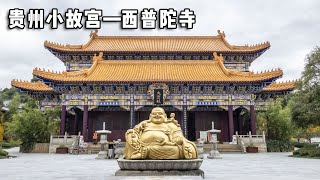
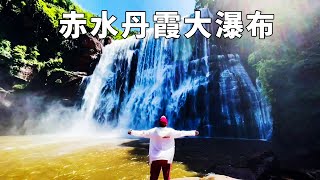
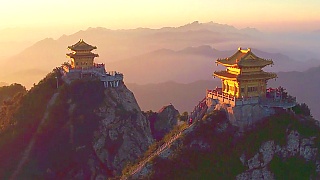
FanJingShan is the highest peak of the WuLing Mountains in southwestern China, at an elevation of 2,570 meters (8,430 feet). The FanJingShan National Nature Reserve was established in 1978 and designated a UNESCO Biosphere Reserve in 1986. FanJingShan is a sacred mountain in Chinese Buddhism. It became a UNESCO World Heritage Site in 2018.

[640],shadow=true,start=,stop=
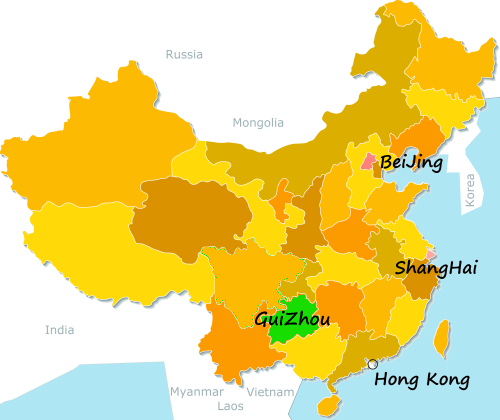
GuiZhou map

Related Videos


Featured Videos

Blondie in DunHuang, GanSu province
With Blondie in China ... Visitor Guide to DunHuang, GanSu Province Overview DunHuang, located in GanSu Province, is a city of historical and cultural significance, famous for its strategic position on the ancient Silk Road and its remarkable Buddhist art. The city is best known for the Mogao Caves, a complex of Buddhist cave temples, as well as its stunning desert landscapes and historical relics. Getting There By Air: DunHuang Airport (DNH) is the nearest airport, located about 13 kilometers southeast of the city center. The airport has regular flights from major cities like BeiJing, ShangHai, and Xi'an. From the airport, you can take a taxi or a shuttle bus to reach the city center. By Train: DunHuang Railway Station connects the city with various destinations across China. The station is located about 12 kilometers from the city center, and you can take a taxi or a bus to reach the main attractions. By Bus: Long-distance buses from nearby cities and provinces also provide access to DunHuang. The main bus station is located in the city center, making it convenient for travelers. Getting Around Public Transport: DunHuang has a local bus system that connects major tourist spots and the city center. Buses are an economical way to get around. Taxis: Taxis are readily available and relatively inexpensive. Ensure to have your destination written in Chinese for ease of communication. Biking: Bike rentals are available for those who prefer a more active way to explore the city and its surroundings. Main Attractions Mogao Caves The Mogao Caves, also known as the Thousand Buddha Grottoes, are a UNESCO World Heritage site and the highlight of DunHuang. The caves contain thousands of Buddhist statues and murals dating back to the 4th century, showcasing exquisite art and religious devotion. Crescent Lake and Singing Sand Dunes Located about 6 kilometers south of DunHuang, Crescent Lake is an oasis surrounded by the towering Singing Sand Dunes. The contrast of the lush green lake against the golden sand is a sight to behold. Visitors can enjoy camel rides, sandboarding, and hiking in the area. Yumen Pass (Jade Gate Pass) The Yumen Pass is a historic site that served as a vital checkpoint on the Silk Road. The ruins offer a glimpse into the ancient trade routes and the military significance of the area. Yangguan Pass Yangguan Pass, along with Yumen Pass, was an important gateway on the Silk Road. The site includes remnants of ancient walls and watchtowers, and a museum that provides historical context. Historical Significance DunHuang has a rich history as a major stop on the Silk Road, facilitating trade and cultural exchange between China and the West. The city's strategic location made it a melting pot of different cultures, religions, and artistic traditions. The Mogao Caves were established as a place of worship and meditation, attracting Buddhist monks and pilgrims. Over the centuries, the caves became a repository of religious art, texts, and artifacts, making them one of the most significant cultural heritage sites in China. Local Cuisine While visiting DunHuang, you can enjoy a variety of local GanSu dishes. Here are some recommendations: Beef Noodles: A signature dish of GanSu Province, featuring hand-pulled noodles in a flavorful beef broth. Yellow Noodles with Donkey Meat: A unique local specialty, featuring tender donkey meat served with yellow wheat noodles. DunHuang Toasted Buns: Crispy buns filled with minced meat and spices, a popular snack in the region. Shopping Shazhou Night Market: A vibrant market offering a variety of local handicrafts, souvenirs, and street food. Silk Road Markets: Several markets in DunHuang sell traditional Silk Road goods, including silk products, jade, and antiques. Local Shops: Numerous shops in the city center offer a range of local specialties, such as dried fruits, nuts, and unique crafts. Accommodation Luxury Hotels: DunHuang offers several high-end hotels with excellent amenities and services, such as the DunHuang Hotel and the Silk Road DunHuang Hotel. Mid-Range Hotels: There are numerous mid-range options providing comfortable accommodations at reasonable prices, including international chains and local boutique hotels. Budget Accommodations: Budget travelers can find affordable guesthouses, hostels, and budget hotels throughout the city. Tips for Visitors Best Time to Visit: The best times to visit DunHuang are spring (April to June) and autumn (September to November) when the weather is mild and pleasant. Clothing: Wear comfortable walking shoes and dress in layers to accommodate changing temperatures. Bring a hat and sunscreen if you plan to spend time outdoors, especially in the desert areas. Respect Local Customs: Be respectful of local customs and traditions, especially when visiting religious and cultural sites. Language: While Mandarin is widely spoken, learning a few basic phrases or using a translation app can be very helpful. Plan Your Visit: The attractions in DunHuang offer a mix of historical significance and natural beauty. Plan your visit to include both leisurely activities and sightseeing to fully appreciate the area's offerings. Conclusion DunHuang, with its rich history, stunning desert landscapes, and cultural heritage, offers a unique and unforgettable travel experience. Whether you're exploring the ancient Mogao Caves, enjoying the serene beauty of Crescent Lake, or delving into the city's Silk Road history, DunHuang promises a journey filled with discovery and wonder. Plan your visit carefully to make the most of your time in this extraordinary city in GanSu Province.
Happiness
With Einzelgänger ... The less one desires, the more one has.
MeiDaiZhao Temple (Lamasery), Inner Mongolia
With Nick in China ... Meidaizhao Temple Visitor Guide Located near Baotou in Inner Mongolia, Meidaizhao Temple (also known as Meidaizhao Lamasery) is a unique cultural landmark that blends Tibetan Buddhism with Mongolian and Han architectural influences. This guide provides everything you need to know for an enriching visit to this historical and spiritual site. Overview of Meidaizhao Temple History & Significance: Built in the late 16th century, during the reign of the Ming Dynasty, Meidaizhao Temple is one of the most important Tibetan Buddhist monasteries in Inner Mongolia. It was initially a palace for Altan Khan, a Mongol leader who played a key role in introducing Tibetan Buddhism to the region. The temple later evolved into a lamasery and continues to serve as a significant religious site for both monks and pilgrims. Architecture: Meidaizhao’s architecture is a fascinating blend of Mongolian, Tibetan, and Han Chinese styles, making it stand out among other temples in the region. The complex is surrounded by a fortress-like wall, and inside, visitors will find beautifully painted murals, prayer halls, and courtyards that reflect its spiritual importance and artistic beauty. Key Attractions in Meidaizhao Temple Main Prayer Hall The Main Prayer Hall, or "Sükhbaatar," is the heart of Meidaizhao Temple. This large, ornate building is used for religious ceremonies and prayers. Visitors can observe monks conducting rituals and admire the intricately painted murals that depict Buddhist stories and deities. White Pagoda One of the most iconic features of Meidaizhao is the White Pagoda, which stands tall against the backdrop of the vast grasslands. This stupa, a symbol of enlightenment in Buddhism, is a popular spot for pilgrims who come to offer prayers and walk clockwise around the structure for blessings. Mongolian Fortress Walls The temple complex is encircled by fortress-like walls that reflect its historical role as a defensive palace for Altan Khan. Walking along these walls provides stunning views of the surrounding landscape and offers a glimpse into the temple's past as a political and military stronghold. Buddhist Murals Inside the temple, visitors can find elaborate Buddhist murals that are well-preserved despite their age. These murals depict Tibetan Buddhist figures, scenes from religious texts, and Mongolian motifs, showcasing the cultural fusion that defines Meidaizhao. Travel Tip: Don't miss the chance to observe monks performing traditional Tibetan Buddhist rituals in the Main Hall. These ceremonies are deeply spiritual and offer a rare glimpse into the religious life of the lamasery. Practical Travel Information for Meidaizhao Temple When to Visit The best time to visit Meidaizhao Temple is during the late spring and early autumn months (May to October), when the weather is mild, and the grasslands surrounding the temple are lush and green. Summer can be warm, but it is also the peak season for local festivals, while winter is harsh and cold, making outdoor exploration difficult. Getting to Meidaizhao By Air: The nearest major airport is Baotou Airport, about 80 kilometers from the temple. From Baotou, you can hire a taxi or take a local bus to reach Meidaizhao. By Train: Baotou is well-connected by train to major cities in China. After arriving in Baotou, buses or taxis can take you directly to the temple. By Bus: Local buses operate from Baotou and other nearby towns, offering a budget-friendly option for reaching the temple. Private tours also often include transportation to the temple as part of their package. Accommodation There are limited accommodation options near Meidaizhao Temple. Most visitors stay in Baotou, which has a wide range of hotels, from budget to luxury. If you're interested in a more immersive experience, some guesthouses in the area offer basic lodging close to the temple grounds. It is recommended to book in advance, especially during peak seasons. Cultural Sensitivity As Meidaizhao is an active religious site, visitors should show respect by dressing modestly and refraining from loud conversations within the temple complex. Photography may be restricted in certain areas, especially inside prayer halls. Always ask for permission before taking photos of monks or religious ceremonies. Local Cuisine Inner Mongolian cuisine is known for its hearty, meat-heavy dishes. Near Meidaizhao, you can find local eateries serving traditional Mongolian food such as mutton, dairy products (such as milk tea and cheese), and a variety of grilled meats. For a unique experience, try the local "suutei tsai" (Mongolian milk tea) or "huoguo" (Mongolian hotpot). Travel Tip: If you visit during a local festival, such as the Naadam Festival, you’ll have the opportunity to witness traditional Mongolian sports like wrestling and horse racing. These cultural events add an extra dimension to your visit. Suggested Itinerary for Exploring Meidaizhao Temple Day 1: Arrive in Baotou and explore the city’s museums or enjoy a local Mongolian meal. In the afternoon, travel to Meidaizhao and take a walk around the temple's exterior, exploring the fortress walls and nearby grasslands. Day 2: Spend the morning exploring the temple complex. Visit the Main Prayer Hall to observe religious ceremonies, explore the White Pagoda, and admire the murals. Enjoy a traditional lunch at a local restaurant before returning to Baotou. Day 3: If time allows, visit nearby attractions such as the Dazhao Temple in Hohhot or take a tour of the Inner Mongolian grasslands for a more in-depth exploration of the region’s natural beauty and nomadic culture.
Alternative energy in China (documentaries)
The traditional Chinese philosophy is to live in harmony with nature rather than trying to conquer nature. A look at China's Green Dream and its amazing progress ...
ShanHaiGuan (Mountain Sea Pass) – where the Great Wall of China meets the sea
With Andy see the World ... Visitor Guide to ShanHaiGuan Overview ShanHaiGuan, located in QinHuangDao City, HeBei Province, is a renowned historical site known as the "First Pass Under Heaven." It is one of the most well-preserved and strategically important passes of the Great Wall of China, offering visitors a fascinating glimpse into China's ancient military history and stunning coastal scenery. Getting There By Air: The nearest airport is QinHuangDao Beidaihe Airport (BPE), located about 20 kilometers from ShanHaiGuan. From the airport, you can take a taxi or a shuttle bus to ShanHaiGuan. By Train: ShanHaiGuan Railway Station is well-connected with major cities like BeiJing, TianJin, and Shenyang. High-speed trains make it convenient to reach ShanHaiGuan from these cities. By Bus: Long-distance buses are available from nearby cities, including QinHuangDao and TianJin. The main bus station in ShanHaiGuan is ShanHaiGuan Long-Distance Bus Station. Getting Around Walking: The historic area of ShanHaiGuan is best explored on foot, allowing you to fully appreciate the ancient architecture and fortifications. Biking: Renting a bicycle is a great way to explore the surrounding areas and nearby attractions at your own pace. Local Transport: Taxis and local buses are available for traveling to and from different parts of ShanHaiGuan and QinHuangDao. Main Attractions First Pass Under Heaven (Zhenyuan Tower) This iconic gate is the easternmost point of the Great Wall and marks the starting point of the ancient defense line. The tower offers panoramic views of the surrounding area and the Great Wall stretching towards the mountains and the sea. Old Dragon's Head (Laolongtou) Located where the Great Wall meets the Bohai Sea, the Old Dragon's Head is a dramatic and picturesque site. The fortifications extend into the sea, resembling a dragon drinking water. It's a unique and breathtaking part of the Great Wall. ShanHaiGuan Great Wall Museum The museum provides a comprehensive overview of the history, construction, and significance of the Great Wall. Exhibits include artifacts, models, and interactive displays that bring the history of this monumental structure to life. Jiumenkou Great Wall This section of the Great Wall is unique for its series of nine gates and the river that flows beneath it. The Jiumenkou Great Wall is a UNESCO World Heritage Site and offers a fascinating look at ancient military engineering. Wang Family Courtyard This well-preserved traditional courtyard residence offers a glimpse into the lifestyle of a wealthy family during the Ming and Qing Dynasties. The courtyard is beautifully decorated with intricate carvings and traditional furnishings. Local Cuisine ShanHaiGuan's cuisine is influenced by its coastal location and northern Chinese culinary traditions. Here are some must-try dishes: Seafood: Fresh seafood from the Bohai Sea, including fish, shrimp, and crab, is a highlight of local dining. QinHuangDao Dumplings: These dumplings are known for their thin skins and generous fillings, often served with a dipping sauce. Jiaozi (Dumplings): A variety of steamed or boiled dumplings filled with meat, vegetables, or seafood. Local Snacks: Try street food such as fried dough twists, roasted sweet potatoes, and various grilled skewers. Shopping Local Handicrafts: ShanHaiGuan is known for its traditional handicrafts, including paper-cutting, clay figurines, and embroidery. These items make for unique souvenirs. Antique Markets: Explore local antique markets for historical artifacts, vintage items, and collectibles. Seafood Markets: Purchase fresh or dried seafood to take home or enjoy while you're in the area. Accommodation Luxury Hotels: For a high-end stay, consider hotels like the Shangri-La Hotel QinHuangDao or the Sheraton QinHuangDao Beidaihe Hotel, both offering excellent amenities and service. Mid-Range Hotels: Options such as the Best Western Junyu Grand Hotel and QinHuangDao Grand Hotel provide comfortable accommodations at reasonable prices. Budget Hotels: For budget travelers, hostels and budget hotels like the ShanHaiGuan Youth Hostel offer affordable and convenient lodging. Tips for Visitors Best Time to Visit: The best times to visit ShanHaiGuan are spring (April to June) and autumn (September to November) when the weather is mild and pleasant. Clothing: Wear comfortable walking shoes and dress in layers to accommodate changing temperatures. An umbrella or raincoat is useful during the rainy season. Respect Local Customs: Be respectful of local customs and traditions. Dress modestly and be mindful of local etiquette, especially when visiting historical and cultural sites. Language: While Mandarin is widely spoken, learning a few basic phrases or using a translation app can be very helpful. Plan Your Visit: ShanHaiGuan is best explored at a leisurely pace. Take your time to wander through the historical sites, visit local shops, and enjoy the tranquil atmosphere. Conclusion ShanHaiGuan, with its rich history, strategic importance, and stunning coastal scenery, offers a unique and memorable travel experience. Whether you're exploring ancient fortifications, savoring fresh seafood, or strolling along the Great Wall, ShanHaiGuan provides an unforgettable experience. Plan your visit carefully to make the most of your trip to this fascinating destination in HeBei Province.
Driving up TianMen Mountain 天門山, HuNan province
A picturesque ascent. Part of the ZhangJiaJie scenic area.
Ten Years in China – with Rafa Goes Around
ZhouZhuang 周庄 water town
JiangSu province. Near SuZhou; not far from Shanghai. Along the HangZhou to Beijing ancient Grand Canal (still the world's longest, by far).
ZhengZhou 郑州, HeNan province
One of the 'Eight Great Ancient Capitals' of China. Great music in this beautiful film ...

Tag search ?