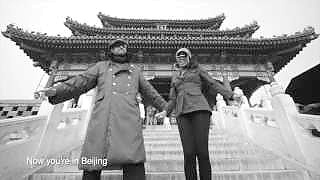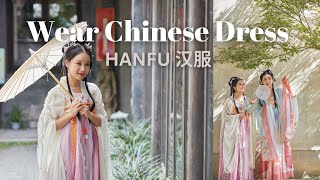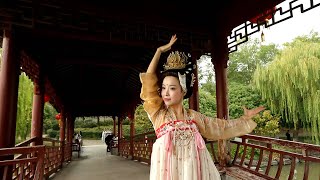
Street fashion in GuLou, BeiJing 北京

In the heart of old Beijing, a variety of young women describe their threads ...

[640],shadow=true,start=,stop=

Beijing, the capital city of China, is a vibrant metropolis steeped in history, culture, and modernity. Here's a brief overview of what you can expect as a tourist in Beijing:

Historical Landmarks:
The Great Wall of China: One of the most iconic structures in the world, the Great Wall is easily accessible from Beijing. Mutianyu and Badaling sections are popular among tourists.

Forbidden City (Palace Museum): A UNESCO World Heritage Site, this vast imperial palace complex was home to Chinese emperors for over 500 years. It houses numerous halls, courtyards, and historical artifacts.

Temple of Heaven: A masterpiece of Chinese architecture, this ancient temple complex served as a place of worship for emperors to pray for good harvests.

Summer Palace: A stunning ensemble of lakes, gardens, and palaces, the Summer Palace served as a retreat for emperors during the Qing dynasty.

Tiananmen Square: One of the largest city squares in the world, Tiananmen Square is flanked by important landmarks such as the Monument to the People's Heroes, the Great Hall of the People, and the Mausoleum of Mao Zedong.

Cultural Sites:
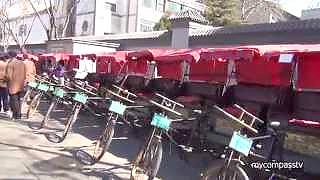
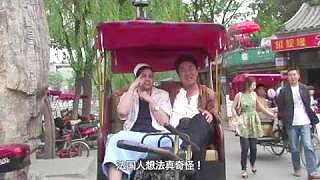
Beijing Hutongs: Explore the narrow alleyways and traditional courtyard residences of Beijing's historic neighborhoods. You can take a rickshaw tour or simply wander around on foot.

Beijing Opera: Experience traditional Chinese opera performances at venues like the Liyuan Theater or the Chang'an Grand Theatre.

798 Art District: A hub of contemporary art and culture, this former industrial area is now home to numerous galleries, studios, and cafes.

Modern Attractions:
Olympic Park: Visit iconic structures such as the Bird's Nest (National Stadium) and the Water Cube (National Aquatics Center) from the 2008 Beijing Olympics.

CBD (Central Business District): Marvel at the futuristic skyline of Beijing's modern business district, which includes landmarks like the CCTV Headquarters and the China World Trade Center Tower III.

Culinary Delights:
Peking Duck: Indulge in Beijing's most famous dish, crispy roast duck served with pancakes, scallions, and hoisin sauce.

Street Food: Explore the city's vibrant street food scene and sample local delicacies like jianbing (savory crepes), lamb skewers, and dumplings.

Practical Tips:
Transportation: Beijing has an extensive public transportation system, including the subway, buses, and taxis. However, traffic can be heavy, so plan your travels accordingly.

Language: While English is not widely spoken, especially outside tourist areas, many signs and transportation announcements are in English. It's helpful to carry a translation app or a phrasebook.

Weather: Beijing experiences four distinct seasons, with hot summers and cold winters. The best times to visit are spring (April to June) and autumn (September to October) when the weather is mild and comfortable.

Etiquette: Respect local customs and traditions, such as removing your shoes before entering someone's home and using both hands to pass or receive items.

Beijing offers a rich tapestry of experiences for tourists, blending ancient heritage with modern innovations. Whether you're fascinated by history, culture, or culinary delights, there's something for everyone in this dynamic city.
Related Videos


Featured Videos

Pandas at the ChengDu 成都 Panda Research Center
Pandas doing their favorite thing - eating bamboo :) Filmed at the Chengdu Panda Research Center, ChengDu, SiChuan province, in 2008. The smaller Red Panda :
A day in ShangHai 上海
A walk through the city; modern skylines and traditional street culture ...
Planning war on China – part 29
Meanwhile ...
China’s economic rise through planned industrial policy
China's industrial output is #1 and greater than the next nine countries combined. The US's military spending is #1 and greater than the next nine countries combined. To the 'past' colonial powers of the West, China was supposed to remain just their factory to power their hegemony, not become a peer. Hence the anti-China 'threat'. With Ben Norton ...
Collecting and cooking wild pine nuts in YunNan province
With DianXi XiaoGe ...
DaXin County, GuangXi 广西 province – karst peaks near MingShi and DeTian Falls
Near / on the border with Vietnam ...
A guide to visiting HuangShan (Yellow Mountain), AnHui province
Huangshan, also known as the Yellow Mountains, is a renowned mountain range in southern Anhui Province. Famous for its stunning granite peaks, ancient pine trees, hot springs, and the mystical sea of clouds, Huangshan is a UNESCO World Heritage site and a popular destination for tourists and photographers. This guide provides an in-depth look at the best attractions, activities, and tips for visiting Huangshan. Top Attractions The Five Peaks of Huangshan Huangshan features several notable peaks, each offering unique scenery and experiences: Lotus Peak (Lianhua Peak): The highest peak at 1,864 meters, providing panoramic views and a challenging climb. Bright Summit (Guangming Ding): Known for its breathtaking sunrise and sunset views. Celestial Capital Peak (Tiandu Peak): Famous for its steep, narrow paths and stunning vistas. Purple Cloud Peak (Ziyun Peak): Offers a unique perspective of the mountain range. Beginning-to-Believe Peak (Shixin Peak): Known for its dense pine trees and excellent viewpoints. Sea of Clouds The Sea of Clouds is one of Huangshan's most spectacular phenomena. This natural wonder occurs when fog envelops the valleys and lower peaks, leaving the higher peaks to appear as islands floating in a white sea. Hot Springs The hot springs at the foot of Huangshan are famous for their therapeutic properties. The springs have been a popular attraction for centuries and provide a relaxing way to unwind after a day of hiking. Pine Trees The ancient pine trees of Huangshan are known for their unique shapes and resilience, often growing out of rocky crevices. The most famous of these is the Greeting Pine (Ying Ke Song), which appears to welcome visitors with its outstretched branches. Flying-Over Rock This balanced rock is perched precariously on a narrow ledge and is a popular spot for photography. The rock appears to defy gravity and offers incredible views of the surrounding peaks. Geology of Huangshan Huangshan's distinctive landscape is primarily composed of granite, which has been shaped by millions of years of geological activity. The mountain's sharp peaks, deep valleys, and unique rock formations are the result of tectonic uplift and erosion. The granite's resistance to weathering has created the dramatic, jagged peaks that characterize the region. Touring Huangshan Planning Your Visit A visit to Huangshan typically takes two to three days to fully appreciate the main highlights. Here is a suggested itinerary: Day 1: Arriving and Initial Exploration Morning: Arrive at Huangshan and take the Yungu Cable Car to the top. Check into a mountain hotel to drop off your luggage. Afternoon: Explore the Beginning-to-Believe Peak and enjoy the stunning views and unique pine trees. Evening: Watch the sunset from Bright Summit. Day 2: Main Peaks and Scenic Areas Early Morning: Wake up early to catch the sunrise from Bright Summit. Mid-Morning: Hike to Lotus Peak, the highest peak, for panoramic views. Afternoon: Visit Flying-Over Rock and take in the stunning views of the sea of clouds if conditions are right. Evening: Relax at the mountain hotel or explore more of the scenic spots at a leisurely pace. Day 3: Descending and Hot Springs Morning: Take the Yungu Cable Car down to the base of the mountain. Mid-Morning: Visit the hot springs at the base of the mountain for a relaxing soak. Afternoon: Explore the nearby ancient villages such as Hongcun or Xidi before departing. Activities and Experiences Hiking Huangshan offers a variety of hiking trails ranging from easy walks to challenging climbs. The trails are well-marked and offer breathtaking views at every turn. Popular routes include the circular path that covers the major peaks and the hike from the base to the summit. Photography The dramatic landscapes of Huangshan provide endless opportunities for photography. Key spots include the Sea of Clouds, the unique pine trees, and the panoramic views from the peaks. Local Cuisine After a day of hiking, enjoy local Anhui cuisine, known for its use of fresh ingredients and rich flavors. Specialties include stinky tofu, mandarin fish, and bamboo shoots. There are several restaurants and food stalls at the base of the mountain and near the cable car stations. Travel Tips Best Time to Visit The best times to visit Huangshan are spring (April to June) and autumn (September to November) when the weather is mild and the scenery is at its most vibrant. Summer can be hot and crowded, while winter offers fewer tourists and the chance to see the mountains covered in snow. Getting There Huangshan is accessible by train, bus, and air. The nearest city is Huangshan City (Tunxi), from where you can take a bus or taxi to the mountain. Huangshan Tunxi International Airport has flights from major Chinese cities, and the Huangshan North Railway Station is connected to the high-speed rail network. Accommodation Accommodation options range from budget hostels to mid-range hotels in Huangshan City and near the mountain. For a unique experience, consider staying overnight on the mountain in a guesthouse or hotel, which allows you to catch the sunrise and sunset from the peaks. Tickets and Passes Purchase entrance tickets at the mountain's gates. There are separate tickets for the cable cars and hot springs. Consider buying a multi-day pass if you plan to explore all the main peaks and scenic areas. Guides and Tours Hiring a local guide can enhance your experience by providing insights into the mountain's history, culture, and geology. Many tour operators offer packages that include transportation, tickets, and guided tours.
Music – Tibetan Plateau 青藏高原 – aLan Dawa Dolma
Awesome singer : aLan Dawa Dolma 阿兰·达瓦卓玛. Tibetan and Chinese version ... Plus ...
The ‘Meet In Beijing’ Arts Festival 相约北京美国主宾国
Every spring, this festival takes place in the capital city as a meeting of artists of all kinds from China and countries worldwide, a cultural exchange covering everything from music - classical, pop and more - to dance, exhibitions and drama, ... expect the unexpected : ) In 2016, the festival runs from April 25 to May 30. Now in its 16th year, the festival will bring together nearly 400 Chinese artists and more than 400 international artists from 25 countries, including the United Kingdom, Spain and France. Canada will be this year's guest country of honor. As a taster, here are two wonderful performances from 2014 - first, a steel band in ChaoYang Park, second an unusual 'quartet' at the National Center for the Performing Arts (don't miss this if you love music) ... Live more !

Tag search ?