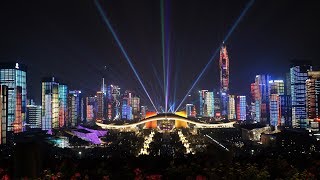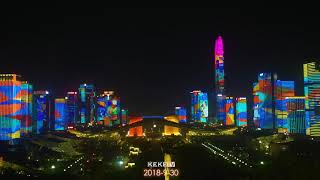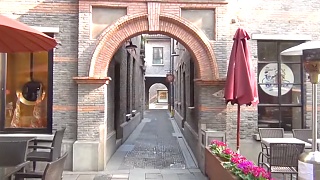
ShenZhen 深恨 gigantic LED city light show

Discover the world's best futuristic city lights show, in GuangDong province, China ...

[640],shadow=true,start=34,stop=
[320],shadow=true,start=,stop=

Shenzhen is a modern metropolis located in Guangdong Province, bordering Hong Kong to the south. Known as China's first Special Economic Zone, Shenzhen has transformed from a fishing village into a bustling city known for its innovation, technology, and vibrant culture. Here's what you need to know as a tourist visiting Shenzhen:

Modern Landmarks and Skyscrapers:
Shenzhen Bay Park: This expansive waterfront park offers stunning views of Shenzhen's skyline and the Hong Kong skyline across the bay. It's a popular spot for leisurely strolls, cycling, and picnics.

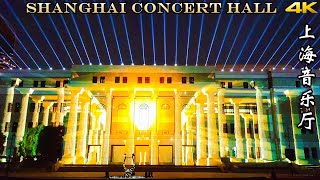
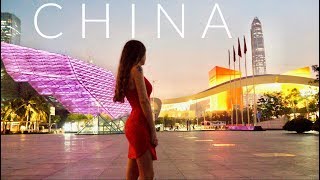
Shenzhen Civic Center: Admire the futuristic architecture of the Shenzhen Civic Center, which includes landmarks such as the Shenzhen Concert Hall, Shenzhen Library, and Shenzhen Museum.

Ping An Finance Centre: Marvel at one of the tallest skyscrapers in China and the fourth-tallest in the world, featuring an observation deck on the 116th floor offering panoramic views of the city.

Theme Parks and Entertainment:
Window of the World: Explore miniature replicas of famous landmarks from around the world, including the Eiffel Tower, the Taj Mahal, and the Great Wall of China, all in one place.

Happy Valley: This amusement park offers thrilling rides, live entertainment, and themed areas catering to visitors of all ages, making it a popular destination for families and thrill-seekers.

Shopping and Dining:
Huaqiangbei Electronics Market: Known as the world's largest electronics market, Huaqiangbei is a paradise for tech enthusiasts, offering everything from gadgets and components to accessories and repairs.

Coco Park: This upscale shopping and dining district features a wide range of boutiques, department stores, restaurants, bars, and cafes, catering to both locals and tourists.

Cultural and Historical Sites:
Dafen Oil Painting Village: Explore this vibrant artist community known for its reproduction oil paintings, where you can watch artists at work and purchase artworks at affordable prices.

Fairy Lake Botanical Garden: Escape the urban hustle and bustle at this expansive botanical garden, featuring lush greenery, scenic walking trails, and a diverse collection of plants and flowers.

Practical Tips:
Transportation: Shenzhen has a well-developed public transportation system, including the metro, buses, and taxis. The metro is the most convenient way to get around the city, with signs and announcements in both Chinese and English.

Language: Mandarin is the official language, but Cantonese and English are also widely spoken, especially in tourist areas, hotels, and restaurants.

Weather: Shenzhen has a subtropical climate with mild, dry winters and hot, humid summers. The best times to visit are spring (March to May) and autumn (September to November) when the weather is pleasant and comfortable.

Visa: Depending on your nationality, you may need a visa to enter China. Check the latest visa requirements and apply in advance if necessary.

Shenzhen offers a dynamic mix of modern attractions, cultural experiences, and shopping opportunities, making it an exciting destination for tourists seeking a taste of urban life in China. Whether you're interested in technology, entertainment, or simply exploring a vibrant city, Shenzhen has something for everyone.
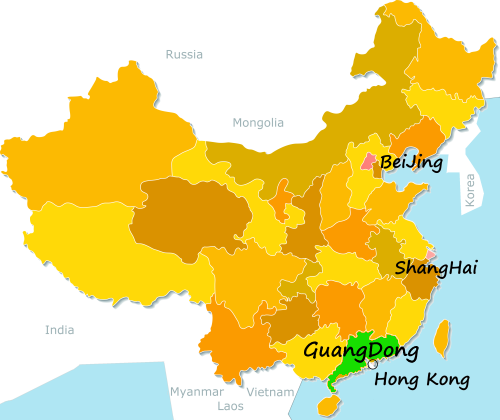
GuangDong map

Related Videos


Featured Videos

ShuHe ancient town 束河古镇, YunNan province
A couple of miles north of LiJiang. With Tanya in China ... With Walk East ...
Planning war with China – part 9
With Daniel Dumbrill ... Because truth is sacred. In China, the people are family. In the West, the people are livestock. THAT is the 'threat', to 'democracy' (rebranded slavery, both people and countries). The elite believe that the idea that all lives matter should not be allowed, ever. Deception and misdirection. Switch off the propaganda and open one's eyes ... Bonus film ... Bonus film 2 - how in the Obama years war was rebranded, but nothing really changed - Samuel Moyn in conversation with Aaron Mate - 'the Humane war' ...
YiShan 沂山, ShanDong province
A forest park / nature reserve ...
Rafa’s Chinese New Year
HeYuan city, GuangDong province. With Rafa Goes Around! ...
The Great Wall 长城 of the Qin Dynasty – video
ShanHaiGuan, east of Beijing at the coast, is at the eastern end of the Great Wall. This is located near QinHuangDao and is closely associated with China's first emperor. Qin Dynasty: 221 - 206 BC. Qin Shi Huang joined together walls at China's northern frontier into the first Great Wall. He also ended feudalism and unified much of China. JaiYuGuan, the western-most gate of the Qin Great Wall, where trade along the old Silk Road also took place, lies thousands of kilometers from here.
Website upgrade may cause some downtime
We need to upgrade our server around the 23rd November which might entail some downtime for our website - maybe hours, maybe days. So, if at that time we are not loading, don't panic, as we will be back as soon as possible. Anyone out there who knows about PHP and fixing old code (partly WordPress), do let us know if you can lend a hand. As always, a big thank you to all our visitors; let's get to 20 years of BB ! : )
XiJiang QianHu Miao Village, GuiZhou province
With Beijing Old Liu ... Xijiang Qianhu Miao Village Visitor Guide Overview Xijiang Qianhu Miao Village, located in Leishan County, Guizhou Province, is the largest Miao village in China and is often referred to as the "Thousand Household Miao Village." This picturesque village is known for its well-preserved traditional Miao architecture, vibrant cultural heritage, and stunning natural scenery. It offers a unique glimpse into the life and traditions of the Miao people. History and Culture The Miao people are one of China's 56 ethnic minorities, with a history that dates back over 2,000 years. Xijiang Qianhu Miao Village is a living museum of Miao culture, where visitors can experience traditional Miao customs, clothing, music, and dance. The village is known for its grand festivals, including the Lusheng Festival, the Miao New Year, and the Sisters' Meal Festival, which feature elaborate costumes, folk dances, and traditional music performances. Main Attractions Miao Ethnic Museum The Miao Ethnic Museum offers a comprehensive look at the history, culture, and traditions of the Miao people. Exhibits include traditional clothing, silver ornaments, musical instruments, and artifacts from daily life. Traditional Miao Architecture The village is renowned for its traditional stilt houses, known as "Diaojiaolou," which are built on wooden stilts and feature intricate wooden carvings. Walking through the village, visitors can admire these unique structures and learn about their construction and significance. Folk Performances Daily folk performances in the village square showcase traditional Miao music and dance. These performances are an excellent way to experience the vibrant cultural heritage of the Miao people. Festival Celebrations Visiting during one of the major festivals, such as the Miao New Year or the Sisters' Meal Festival, provides a deeper insight into Miao culture. These festivals feature colorful parades, traditional music, and elaborate dances, making them a highlight of any visit. Outdoor Activities Hiking and Nature Walks The surrounding hills and rice terraces offer excellent opportunities for hiking and nature walks. The scenic trails provide panoramic views of the village and the lush countryside, making it a paradise for nature lovers and photographers. Exploring Rice Terraces The rice terraces around Xijiang are a testament to the agricultural ingenuity of the Miao people. Visitors can explore these terraced fields, which change colors with the seasons and offer stunning photographic opportunities. Local Cuisine Miao cuisine is known for its bold flavors and use of local ingredients. Some must-try dishes include sour fish soup, sticky rice cakes, and various pickled vegetables. Many local restaurants and street vendors offer authentic Miao food, providing a true taste of the region. Accommodation Xijiang Qianhu Miao Village offers a range of accommodation options, from traditional Miao-style guesthouses to modern hotels. Staying in a local guesthouse provides a more immersive experience, allowing visitors to enjoy Miao hospitality and learn more about their way of life. Travel Tips Best Time to Visit: The best time to visit is during the spring (March to May) and autumn (September to November) when the weather is mild, and the rice terraces are most picturesque. Getting There: The village is accessible by bus from Kaili City, which is connected to major cities like Guiyang by train and bus. Respect Local Customs: When visiting, be respectful of local customs and traditions. Ask for permission before taking photos of people, especially during festivals and ceremonies. Pack Accordingly: Bring comfortable walking shoes for exploring the village and surrounding areas. A light jacket is recommended for the evenings, as temperatures can drop.
BeiJing Auto Show 2024
With ...
Palestine – crimes against humanity
Speaking up for the voiceless. With ChristianMalaza (Christian Malazarte), Judge Napolitano and many other true humanitarians ... Bonus film - The Propaganda War, with the late investigative journalist John Pilger ...

Tag search ?