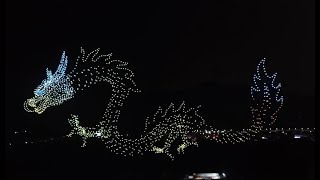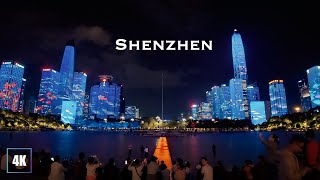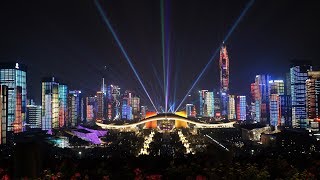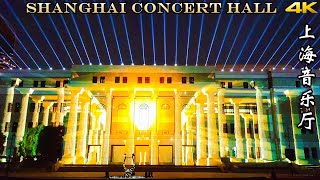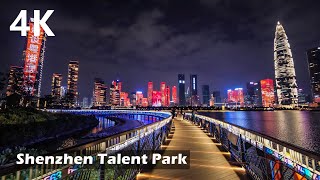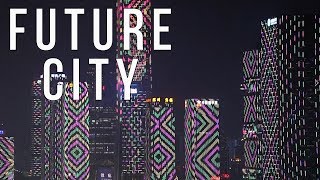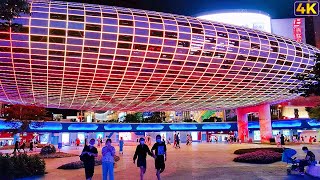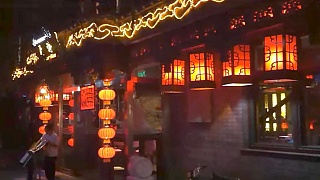
The awesome daily ShenZhen city light show

With JM WORLD ...

[640],shadow=true,start=,stop=

YT comment : sarakelly3607 : Now I understand why US is SO jealous of China.

Shenzhen is a modern metropolis located in Guangdong Province, bordering Hong Kong to the south. Known as China's first Special Economic Zone, Shenzhen has transformed from a fishing village into a bustling city known for its innovation, technology, and vibrant culture. Here's what you need to know as a tourist visiting Shenzhen:

Modern Landmarks and Skyscrapers:
Shenzhen Bay Park: This expansive waterfront park offers stunning views of Shenzhen's skyline and the Hong Kong skyline across the bay. It's a popular spot for leisurely strolls, cycling, and picnics.

Shenzhen Civic Center: Admire the futuristic architecture of the Shenzhen Civic Center, which includes landmarks such as the Shenzhen Concert Hall, Shenzhen Library, and Shenzhen Museum.

Ping An Finance Centre: Marvel at one of the tallest skyscrapers in China and the fourth-tallest in the world, featuring an observation deck on the 116th floor offering panoramic views of the city.

Theme Parks and Entertainment:
Window of the World: Explore miniature replicas of famous landmarks from around the world, including the Eiffel Tower, the Taj Mahal, and the Great Wall of China, all in one place.

Happy Valley: This amusement park offers thrilling rides, live entertainment, and themed areas catering to visitors of all ages, making it a popular destination for families and thrill-seekers.

Shopping and Dining:
Huaqiangbei Electronics Market: Known as the world's largest electronics market, Huaqiangbei is a paradise for tech enthusiasts, offering everything from gadgets and components to accessories and repairs.

Coco Park: This upscale shopping and dining district features a wide range of boutiques, department stores, restaurants, bars, and cafes, catering to both locals and tourists.

Cultural and Historical Sites:
Dafen Oil Painting Village: Explore this vibrant artist community known for its reproduction oil paintings, where you can watch artists at work and purchase artworks at affordable prices.

Fairy Lake Botanical Garden: Escape the urban hustle and bustle at this expansive botanical garden, featuring lush greenery, scenic walking trails, and a diverse collection of plants and flowers.

Practical Tips:
Transportation: Shenzhen has a well-developed public transportation system, including the metro, buses, and taxis. The metro is the most convenient way to get around the city, with signs and announcements in both Chinese and English.

Language: Mandarin is the official language, but Cantonese and English are also widely spoken, especially in tourist areas, hotels, and restaurants.

Weather: Shenzhen has a subtropical climate with mild, dry winters and hot, humid summers. The best times to visit are spring (March to May) and autumn (September to November) when the weather is pleasant and comfortable.

Visa: Depending on your nationality, you may need a visa to enter China. Check the latest visa requirements and apply in advance if necessary.

Shenzhen offers a dynamic mix of modern attractions, cultural experiences, and shopping opportunities, making it an exciting destination for tourists seeking a taste of urban life in China. Whether you're interested in technology, entertainment, or simply exploring a vibrant city, Shenzhen has something for everyone.
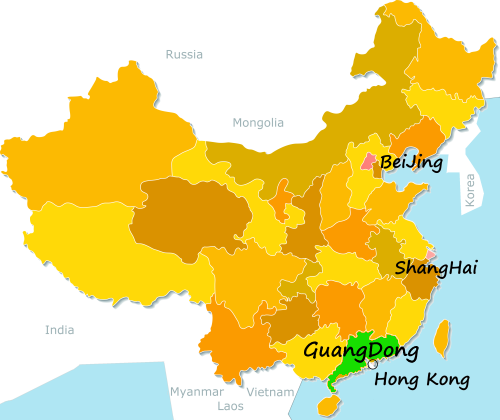
GuangDong map

Related Videos


Featured Videos

BaDaChu (Eight Great Sites) park, BeiJing
Eight Buddhist temples on a slope of the Western Hills, nearby XiangShan park (Fragrant Hills Park).
WuHan, HuBei province – the World’s largest shopping mall plus city night scenes
With Travel East ... With China Walking Tour ... Wuhan Dream Times Square Visitor Guide Introduction Wuhan Dream Times Square is a vibrant commercial and entertainment hub located in the heart of Wuhan. With its modern architecture, diverse shopping options, trendy dining venues, and exciting entertainment choices, Dream Times Square is a must-visit destination for locals and tourists alike. This guide will provide you with all the information you need to make the most of your visit to this dynamic area. Key Attractions 1. Shopping Paradise Dream Times Square is home to a vast array of shops, ranging from high-end luxury brands to affordable fashion outlets. Whether you're looking for the latest fashion trends, electronics, or unique gifts, you'll find something that suits your taste and budget. Some popular stores include: Gucci and Louis Vuitton: For those interested in luxury fashion, these flagship stores offer the latest in high-end apparel and accessories. UNIQLO and H&M: These well-known brands offer trendy and affordable clothing options for all ages. Local Boutiques: Discover unique fashion pieces and accessories from local designers in various boutiques throughout the square. 2. Entertainment Options Dream Times Square is more than just a shopping destination. It offers a variety of entertainment options for visitors of all ages, making it a perfect spot for a day out. Cinema Complex: Catch the latest blockbuster movies in state-of-the-art theaters with comfortable seating and high-quality sound systems. VR Experience Centers: Engage in immersive virtual reality experiences, from adventure games to futuristic simulations. Karaoke Bars: Unleash your inner pop star at one of the many karaoke bars, a popular activity for groups of friends and families. Dining Options Dream Times Square offers a diverse range of dining options to satisfy every palate. From local delicacies to international cuisine, there's something for everyone: Chinese Cuisine: Enjoy authentic Chinese dishes at restaurants such as Huanghe Lou Dumplings and Dong Lai Shun Hotpot, which offer traditional flavors in a modern setting. Western and International Food: Indulge in Italian pasta, American burgers, or Japanese sushi at popular restaurants like Pizza Marzano, Blue Frog, and Sushi Express. Cafés and Dessert Shops: Take a break and relax with a cup of coffee or a sweet treat at Starbucks, Häagen-Dazs, or one of the many cozy local cafés scattered throughout the square. Nightlife and Evening Entertainment Dream Times Square comes alive at night with vibrant nightlife options. Whether you're looking for a quiet evening drink or a lively night out, you'll find plenty of choices: Bars and Pubs: Sip on cocktails or local brews at stylish bars like Muse Bar or Vibes Lounge. These spots offer a relaxed atmosphere with live music and stunning views of the city. Clubs: Dance the night away at popular clubs like Soho Club, where you can enjoy live DJs, energetic dance floors, and a vibrant social scene. Rooftop Lounges: For a more laid-back experience, visit rooftop lounges that offer panoramic views of the Wuhan skyline and a serene environment to unwind with a drink. Practical Tips for Visitors Location: Wuhan Dream Times Square is located in the Hankou area of Wuhan, making it easily accessible from various parts of the city. Transportation: The square is well-connected by public transport, including buses and the metro. The nearest metro station is Jianghan Road Station on Line 2. Opening Hours: Most shops and attractions are open from 10:00 AM to 10:00 PM. Some restaurants and bars may stay open later into the night. Language: While many shop assistants and staff speak some English, it is helpful to know a few basic Mandarin phrases or use a translation app. Payment Methods: Major credit cards are accepted in most shops and restaurants. However, it's advisable to carry some cash or use mobile payment options like WeChat Pay or Alipay.
Impressions of GuiLin 桂林
印象桂林 GuangXi province, south China. Awesome, beautiful landscapes and culture ... Amazing CGI.
The ShangHai Auto Show, 2023
With Inside China Auto ... With the Fully Charged Show - the BYD Seal ...
WuHan city, capital of HuBei province – night and day
With China Walking Tour ... Welcome to WuHan, China Introduction History of WuHan Top Attractions Local Culture Local Cuisine Visitor Tips WuHan in Modern History Introduction WuHan, the capital city of HuBei province, is located at the confluence of the Yangtze and Han rivers in central China. Known as the "Thoroughfare of Nine Provinces," WuHan has long been a major transportation hub, serving as a gateway between northern and southern China. With a rich history that spans over 3,500 years, WuHan is a city of contrasts, blending ancient traditions with modern advancements. The city is composed of three historic towns: Wuchang, Hankou, and Hanyang, which were merged in 1927 to form modern WuHan. Today, it is a bustling metropolis with a vibrant economy, cultural heritage, and a thriving arts scene. History of WuHan WuHan's history dates back to ancient times, with its origins in the Spring and Autumn Period (770-476 BC). The city's strategic location along the Yangtze River made it an important center for trade and military defense. Wuchang, Hankou, and Hanyang each developed unique characteristics over the centuries, contributing to the diverse cultural landscape of the region. During the Qing Dynasty, WuHan became one of the four most famous towns in China, known for its bustling commercial activities. The city played a significant role in the 1911 Revolution, which led to the fall of the Qing Dynasty and the establishment of the Republic of China. In the 20th century, WuHan continued to grow as a major industrial and educational center. It was also the site of several key events in modern Chinese history, including the WuHan Uprising and the WuHan Incident. Top Attractions in WuHan Yellow Crane Tower The Yellow Crane Tower is one of the most famous landmarks in WuHan. Originally built in 223 AD during the Three Kingdoms period, the tower has been destroyed and rebuilt several times throughout history. The current structure, completed in 1985, stands as a symbol of WuHan's rich cultural heritage. Visitors can enjoy panoramic views of the Yangtze River and the city from the top of the tower. East Lake (Donghu) East Lake is the largest urban lake in China, offering a tranquil escape from the bustling city. The lake is surrounded by scenic parks, gardens, and walking trails. Key attractions around the lake include the Mo Hill Scenic Area, the Chu Culture Museum, and the WuHan Botanical Garden. The lake is particularly beautiful in spring when the cherry blossoms are in full bloom. WuHan University WuHan University is renowned for its beautiful campus, especially during the cherry blossom season in late March and early April. The university's historic buildings, lush gardens, and peaceful atmosphere make it a popular destination for both tourists and locals. It is also one of China's top universities, with a rich academic tradition. GuiYuan Temple GuiYuan Temple is a famous Buddhist temple in WuHan, known for its exquisite architecture and serene ambiance. Founded in the 17th century, the temple is home to a large collection of Buddhist scriptures and statues. The temple’s Five Hundred Arhats Hall is particularly noteworthy, featuring life-sized statues of 500 arhats (enlightened disciples of Buddha) in various poses. Hubei Provincial Museum The Hubei Provincial Museum is one of China's leading museums, offering a comprehensive look at the region's history and culture. The museum's most famous exhibit is the Marquis Yi of Zeng's tomb, which includes the remarkable bronze chime bells. The museum also features artifacts from the Chu culture, ancient jade carvings, and traditional musical instruments. Local Culture WuHan is a city with a rich cultural heritage, shaped by its long history and diverse population. The city is a melting pot of different cultures, blending traditional Chinese customs with influences from other regions and ethnic groups. One of the most notable cultural aspects of WuHan is its connection to Chu culture, an ancient civilization that thrived in the region over 2,000 years ago. The Chu culture is known for its distinctive art, music, and religious practices, many of which are preserved in WuHan's museums and cultural institutions. WuHan is also known for its vibrant arts scene, with numerous theaters, galleries, and cultural events taking place throughout the year. The WuHan International Acrobatic Art Festival and the WuHan Yangtze River Piano Music Festival are just a few examples of the city's cultural offerings. Local Cuisine WuHan's cuisine is a reflection of its geographical location and cultural diversity. The city is known for its hearty and flavorful dishes, which often feature freshwater fish, rice, and a variety of spices. Some must-try dishes include: Re Gan Mian (Hot Dry Noodles): A signature dish of WuHan, Re Gan Mian is a breakfast staple made from wheat noodles tossed in a sesame paste, soy sauce, and chili oil. It is typically garnished with pickled vegetables, garlic, and green onions. Doupi: A traditional snack made from sticky rice, minced pork, and yellow soybeans, wrapped in a thin tofu skin and pan-fried until crispy. Steamed Wuchang Fish: A famous dish from the Yangtze River, Wuchang fish is steamed with ginger, garlic, and soy sauce, and served with a drizzle of hot oil. San Zhi Er: A local delicacy made from pig's feet, duck's feet, and chicken feet, braised in a rich, savory sauce until tender. Lotus Root Soup: A popular dish in WuHan, this soup is made with lotus root, spare ribs, and goji berries, creating a nutritious and flavorful broth. Street food is also an integral part of WuHan’s culinary scene, with night markets offering a wide range of snacks and local specialties. Don't miss the chance to sample WuHan’s street food, such as grilled skewers, fried dumplings, and stinky tofu. Visitor Tips Best Time to Visit: The best time to visit WuHan is during the spring (March to May) and autumn (September to November) when the weather is mild and pleasant. These seasons also coincide with the blooming of cherry blossoms and the changing of autumn leaves. Getting There: WuHan is a major transportation hub, with direct flights to major cities around the world. WuHan TianHe International Airport is the main gateway to the city. WuHan is also well-connected by China's high-speed rail network, with trains to and from Beijing, Shanghai, Guangzhou, and other major cities. Public Transportation: WuHan has an extensive public transportation system, including buses, taxis, and a growing metro network. The metro is the most convenient way to get around the city, with signs and announcements in both Chinese and English. Language: While Mandarin is the official language, the local dialect, WuHanese, is widely spoken. English is not commonly spoken, so it's advisable to have a translation app or basic Mandarin phrases ready. Respect Local Customs: When visiting religious sites, such as temples, dress modestly, and be respectful of local customs. Always ask for permission before taking photos of people, especially in traditional settings. WuHan in Modern History WuHan has played a pivotal role in China's modern history, particularly during the 20th century. The city was the starting point of the 1911 Revolution, also known as the Xinhai Revolution, which led to the overthrow of the Qing Dynasty and the establishment of the Republic of China. The Wuchang Uprising, which took place on October 10, 1911, is considered the beginning of this revolution, and WuHan is often referred to as the 'Cradle of the Revolution.'
The awesomely beautiful Summer Palace in BeiJing
With Beijing Old Liu ... Visitor guide to the Summer Palace in BeiJing Overview The Summer Palace, located in the Haidian District of BeiJing, is a vast ensemble of lakes, gardens, and palaces. It served as a summer retreat for the Qing Dynasty emperors. Renowned for its beautiful landscape and rich cultural heritage, it is a UNESCO World Heritage Site and one of BeiJing's top tourist attractions. Getting There Location: The Summer Palace is located in the northwest of BeiJing, about 15 kilometers from the city center. By Canal Boat: For a unique and scenic route, take a canal boat from the Purple Bamboo Park (ZiZhuYuan) or Beijing Zoo wharfs. The boat ride takes about an hour and provides a relaxing way to reach the Summer Palace, offering views of the city's waterways. By Subway: Take Subway Line 4 and get off at Beigongmen Station (Exit D), which is close to the North Palace Gate. By Bus: Several bus routes, including 303, 330, 331, 332, 346, 394, 563, 584, 601, and 608, stop near the Summer Palace. By Taxi: A taxi ride from central BeiJing takes about 30 minutes, depending on traffic. Entrance and Tickets Main Gates: The three main entrances are the East Palace Gate, the North Palace Gate, and the New Palace Gate (South Gate). Entrance Fee: The entrance fee varies by season. Generally, it ranges from 30 to 60 RMB. Combined tickets, including entry to special sites like the Tower of Buddhist Incense and Suzhou Street, are also available. Opening Hours: The Summer Palace is open daily from 6:30 AM to 6:00 PM (April to October) and 7:00 AM to 5:00 PM (November to March). Main Attractions Kunming Lake Kunming Lake covers approximately three-quarters of the Summer Palace area. Visitors can take a boat ride to enjoy the scenic beauty and visit the South Lake Island. Longevity Hill Rising behind Kunming Lake, Longevity Hill is dotted with splendid halls, pavilions, and temples. Key sites include the Tower of Buddhist Incense, the Sea of Wisdom Temple, and the Hall of Dispelling Clouds. Seventeen-Arch Bridge This iconic bridge connects the eastern shore of Kunming Lake to Nanhu Island. It is known for its unique design and the 544 stone lions carved on its railings. Long Corridor The Long Corridor is a covered walkway that stretches for 728 meters along the northern shore of Kunming Lake. It is adorned with thousands of beautiful paintings depicting Chinese legends and landscapes. Marble Boat The Marble Boat, also known as the Boat of Purity and Ease, is a lakeside pavilion made of marble. It symbolizes stability and is a unique and photogenic structure. Suzhou Street Suzhou Street is a charming area with shops and buildings designed to mimic the style of the famous water town of Suzhou. It offers a glimpse into traditional Chinese commerce and architecture. Activities and Experiences Boat Rides: Rent a paddle boat or take a dragon boat cruise on Kunming Lake for a relaxing and scenic experience. Photography: The Summer Palace offers countless picturesque spots, especially at dawn and dusk when the light is soft and golden. Walking and Hiking: Explore the numerous trails and paths around Longevity Hill and the lakeshore for a leisurely or invigorating hike. Picnicking: Enjoy a picnic in one of the many tranquil garden areas, surrounded by beautiful landscapes and historical architecture. Dining and Refreshments Palace Restaurants: There are several restaurants within the Summer Palace grounds offering traditional Chinese cuisine and snacks. Tea Houses: Enjoy a traditional tea experience at one of the tea houses overlooking Kunming Lake. Outside Dining: Numerous restaurants and cafes are located near the main entrances, offering a variety of dining options. Shopping Souvenir Shops: Various shops within the Summer Palace sell traditional Chinese arts and crafts, souvenirs, and books. Market Streets: Nearby shopping streets outside the palace offer local snacks, handicrafts, and other unique items. Tips for Visitors Best Time to Visit: The best times to visit the Summer Palace are spring (April to June) and autumn (September to November) when the weather is mild and the scenery is at its most beautiful. Clothing: Wear comfortable walking shoes and dress in layers to accommodate changing temperatures. An umbrella or raincoat is useful during the rainy season. Plan Your Visit: The Summer Palace is vast, so plan your visit to focus on the main attractions you want to see. A map of the palace grounds can be very helpful. Stay Hydrated: Bring water, especially during the hot summer months, as the extensive grounds require a lot of walking. Respect Local Customs: Be respectful of cultural and historical sites. Avoid touching artifacts and follow posted signs and instructions. Conclusion The Summer Palace in BeiJing is a stunning testament to Chinese landscape gardening and imperial architecture. With its combination of natural beauty, historical significance, and cultural richness, it offers an unforgettable experience for every visitor. Plan your trip carefully to make the most of your visit and immerse yourself in the splendor of this magnificent heritage site.
Wonderful ZhouZhuang 周庄, JiangSu province
ZhouZhuang, part of the area that Marco Polo described as the 'Venice of the East', lies just 37 miles west of Shanghai (about an hour's drive) ...
Traditional BeiJing
With Seiu Travel ...
Empire and the true history of the US
"On this episode of Going Underground, we speak to Retired US Army Major Danny Sjursen, author of ‘A True History of the United States: Indigenous Genocide, Racialized Slavery, Hyper-Capitalism, Militarist Imperialism and Other Overlooked Aspects of American Exceptionalism’. He discusses the US withdrawal from Afghanistan, the different strands of American imperialism from liberal to neoconservative and the many US interventions in the global south, national myths about the story of the United States that are taught, the uncomfortable religious history of the US, the horrors of the settler-colonial genocide of indigenous people, the ‘club’ environment surrounding Washington DC resulting in favourable coverage for the US establishment and much more!" Bonus film - Oliver Stone exposes the JFK assassination cover-up ...

Tag search ?