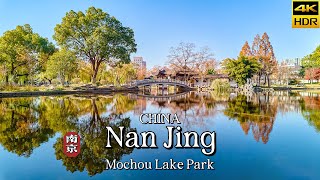
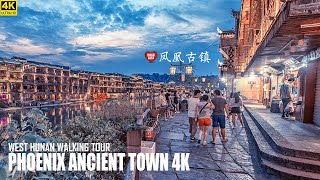
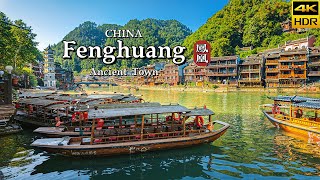
[640],shadow=true,start=,stop=
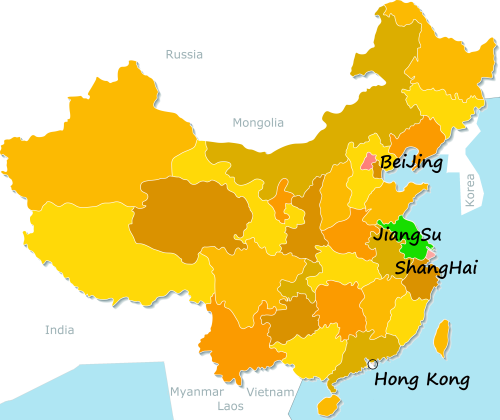
JiangSu map
Live more ...
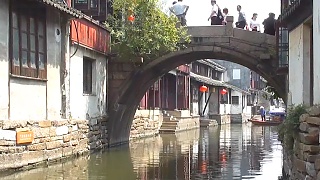
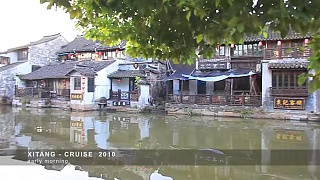
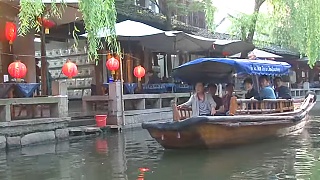
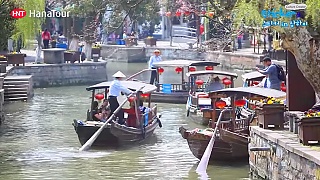
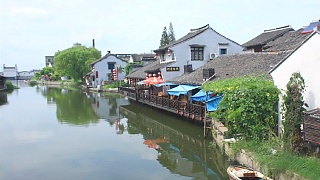
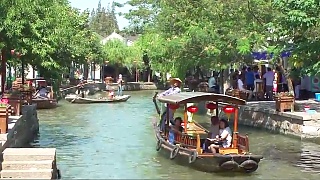
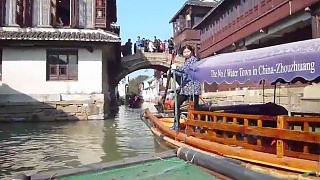
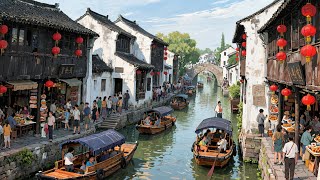
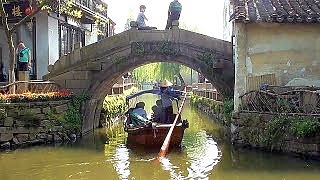
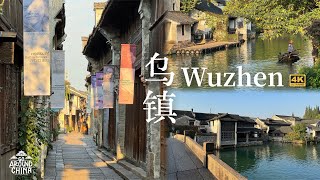
 Scenes from ZhouZhuang 周庄
|
With Go Around China ...
|
|
With Walk East ...
|

|
With CGTN ...
Bonus film - the Asian Games sports infrastructure - with Rafa Goes Around! ...
Hangzhou, the capital of Zhejiang Province in eastern China, is renowned for its historic relics and natural beauty. Located at the southern end of the Grand Canal, which extends to Beijing, Hangzhou has been one of China's most renowned and prosperous cities for much of the last millennium. Marco Polo reportedly described the city as "the finest and most splendid city in the world."
Historical Significance
Hangzhou has a rich history dating back over 2,200 years to the Qin Dynasty. It became a significant city during the Sui Dynasty when the Grand Canal was constructed. During the Southern Song Dynasty (1127-1279), Hangzhou was the capital of China, a period that significantly boosted its status and prosperity.
West Lake
One of Hangzhou’s most famous attractions is West Lake (Xī Hú). This UNESCO World Heritage site is celebrated for its scenic beauty, inspiring poets, scholars, and artists since the 9th century. The lake is surrounded by temples, pagodas, gardens, and artificial islands. Major attractions around West Lake include the Broken Bridge, Su Causeway, and Leifeng Pagoda.
Lingyin Temple
Lingyin Temple, also known as the Temple of the Soul's Retreat, is one of the largest and wealthiest Buddhist temples in China. It was founded in 328 AD during the Eastern Jin Dynasty. The temple is famous for its grand halls, numerous pagodas, and Buddhist grottoes, particularly the Feilai Feng grottoes, which contain hundreds of stone carvings of Buddhist figures.
Longjing Tea
Hangzhou is the origin of the world-famous Longjing (Dragon Well) tea. Longjing Tea Village, located in the hills west of West Lake, offers a picturesque setting where visitors can learn about tea cultivation, enjoy tea tastings, and experience traditional tea ceremonies. The tea is renowned for its high quality, green color, fragrant aroma, sweet taste, and flat leaves.
Grand Canal
The Grand Canal, a UNESCO World Heritage site, is the longest canal or artificial river in the world. Hangzhou marks the southern end of this ancient waterway, which played a crucial role in the cultural and economic development of the region. Visitors can take boat rides to explore the historical and cultural sights along the canal.
Modern Hangzhou
Today, Hangzhou is a blend of traditional and modern influences. It is an important economic hub, home to numerous high-tech industries and the headquarters of Alibaba Group, one of the world's largest e-commerce companies. The city's infrastructure is well-developed, with a high-speed railway, an international airport, and a comprehensive metro system.
Tourism and Culture
Hangzhou is a popular tourist destination, attracting millions of visitors each year. The city hosts various cultural festivals, such as the West Lake International Expo, the China International Tea Expo, and the Hangzhou International Marathon. Hangzhou cuisine, known for its light and fresh flavors, is also a highlight for visitors, with famous dishes like Dongpo Pork and West Lake Fish in Vinegar Gravy.
|

|
Mount Hua mountain is located near the city of HuaYin in ShaanXi province, about 120 kilometers east of Xi'A, and one of the Five Great Mountains of China.
|
|
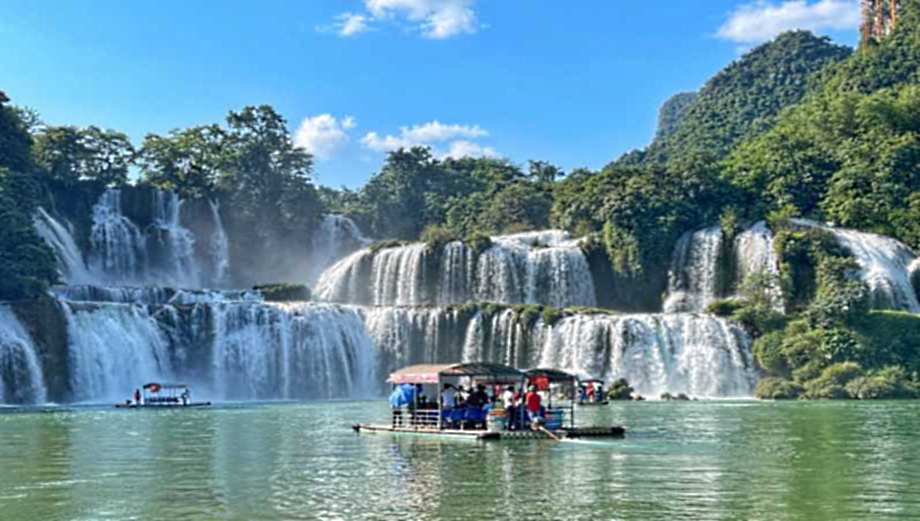
DeTian Falls is the name of two waterfalls that straddle the international border between China and Vietnam, in the Karst hills of DaXin County.
This film contains awesome drone footage. Don't miss it !
With Little Chinese Everywhere ...
|
|
With Seiu Travel ...
|
|
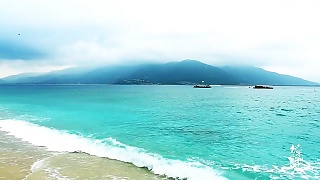
South China
|
|

|
With China Walking Tour ...
Visitor Guide to JiNan, ShanDong Province
Overview
JiNan, the capital city of ShanDong Province, is known for its natural springs, rich history, and vibrant culture. Often referred to as the "City of Springs," JiNan is a blend of historical landmarks and modern development, making it a fascinating destination for travelers.
Getting There
By Air: JiNan Yaoqiang International Airport (TNA) is located about 33 kilometers northeast of the city center. It offers both domestic and international flights. You can take an airport shuttle bus, taxi, or the JiNan Metro to reach the city center.
By Train: JiNan is a major railway hub with two main stations: JiNan Railway Station and JiNan West Railway Station. Both stations offer high-speed rail connections to major cities like BeiJing, ShangHai, and Xi’an.
By Bus: Long-distance buses connect JiNan to various cities in ShanDong Province and beyond. The main bus stations are JiNan Long-Distance Bus Terminal and JiNan East Bus Station.
Getting Around
Public Transport: JiNan has an extensive bus network and a growing metro system. The metro is convenient for getting around the city quickly.
Taxis: Taxis are readily available and relatively inexpensive. Ensure the driver uses the meter or agree on a fare beforehand.
Biking: Bike-sharing services are popular and convenient for short trips around the city.
Main Attractions
Baotu Spring Park
Baotu Spring Park is one of JiNan's most famous attractions, known for its clear and gushing springs. The park is a beautiful place to relax and enjoy the natural scenery, traditional pavilions, and cultural performances.
Daming Lake
Daming Lake is a large natural lake in the heart of JiNan, surrounded by lush gardens, ancient pavilions, and historic temples. It is a popular spot for boating, picnicking, and enjoying the serene environment.
Thousand Buddha Mountain (Qianfo Shan)
This mountain is famous for its ancient Buddhist statues and temples. Visitors can hike to the top for a panoramic view of the city or explore the many caves and carvings along the way.
ShanDong Provincial Museum
ShanDong Provincial Museum houses a vast collection of cultural relics, historical artifacts, and natural exhibits. It offers a comprehensive overview of ShanDong's history and culture.
Black Tiger Spring
Black Tiger Spring is another renowned spring in JiNan, known for its powerful jets of water that resemble a tiger's roar. The spring is located in a scenic park with beautiful landscaping and walking paths.
Local Cuisine
JiNan's cuisine is characterized by its use of fresh ingredients and traditional cooking techniques. Here are some must-try dishes:
JiNan Roast Duck: A local specialty, this roast duck is known for its crispy skin and tender meat, served with pancakes and hoisin sauce.
Sweet and Sour Carp: Fresh carp from Daming Lake, prepared in a tangy and sweet sauce, is a signature dish of JiNan.
JiNan Noodles: These hand-pulled noodles are often served with a variety of toppings, including meat, vegetables, and spicy sauces.
Fried Dumplings: Crispy on the outside and juicy on the inside, JiNan's fried dumplings are a popular street food.
Shopping
Furong Street: A bustling pedestrian street lined with shops, street food vendors, and souvenir stalls. It's a great place to try local snacks and buy traditional crafts.
Quancheng Road: One of JiNan's main shopping streets, offering a mix of modern malls, boutique shops, and local markets.
JiNan Wanda Plaza: A large shopping mall with a variety of international and domestic brands, restaurants, and entertainment options.
Accommodation
Luxury Hotels: For a high-end stay, consider hotels like the Shangri-La Hotel JiNan or the Hyatt Regency JiNan, both offering excellent amenities and service.
Mid-Range Hotels: Options such as the Sofitel JiNan Silver Plaza and Holiday Inn JiNan City Center provide comfortable accommodations at reasonable prices.
Budget Hotels: For budget travelers, hostels and budget hotels like the JiNan Blue Horizon Hotel offer affordable and convenient lodging.
Tips for Visitors
Best Time to Visit: The best times to visit JiNan are spring (April to June) and autumn (September to November) when the weather is mild and pleasant.
Clothing: Wear comfortable walking shoes and dress in layers to accommodate changing temperatures. An umbrella or raincoat is useful during the rainy season.
Respect Local Customs: Be respectful of local customs and traditions. Dress modestly and be mindful of local etiquette, especially when visiting historical and cultural sites.
Language: While Mandarin is widely spoken, learning a few basic phrases or using a translation app can be very helpful.
Plan Your Visit: JiNan is best explored at a leisurely pace. Take your time to wander through the parks, visit local shops, and enjoy the tranquil atmosphere.
Conclusion
JiNan, with its rich history, vibrant culture, and stunning natural springs, offers a unique and memorable travel experience. Whether you're exploring ancient temples, savoring the local cuisine, or strolling along the scenic lakes and springs, JiNan provides an unforgettable experience. Plan your visit carefully to make the most of your trip to this fascinating city in ShanDong Province.
|