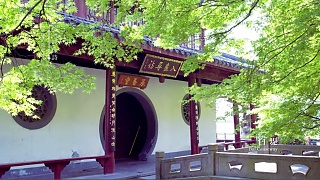
NanShan Temple (NanShanSi) 南山寺, SanYa, HaiNan Island

This temple in south China is actually new; it was opened in 1988 to commemorate two thousand years of Buddhism in China.

NanShan Temple has a total area of 40,000 square meters and contains several Tang dynasty replicas. It is located 40 kilometers west of SanYa city.

Nearby lies the GuanYin of the South Sea of SanYa 南山海上观音圣像, a 108-meter (354 foot) statue of GuanYin. The statue has three aspects; one side faces inland while the other two face the South China Sea, to represent blessing and protection both of China and the whole world.

[640],shadow=true,start=,stop=
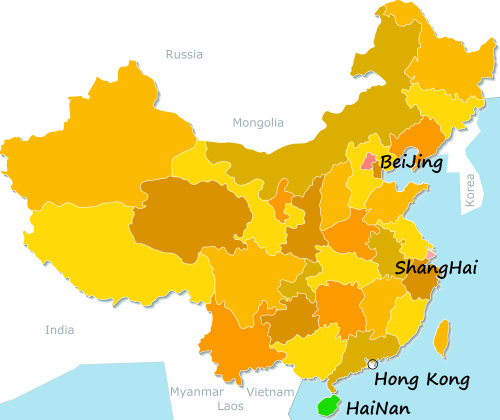
HaiNan map

Related Videos


Featured Videos

XianYang city, ShaanXi province
With Valeriy Blank ... Visitor Guide to XianYang Introduction to XianYang XianYang (咸阳), located in ShaanXi Province, is one of China's most historically significant cities. As the ancient capital of the Qin Dynasty (221–206 BCE), XianYang played a pivotal role in Chinese history and culture. Today, it is a vibrant city that blends its rich past with modern development, offering visitors a unique mix of historical sites, cultural experiences, and natural beauty. Top Attractions in XianYang Maoling Mausoleum (茂陵) - The tomb of Emperor Wu of the Han Dynasty, surrounded by smaller tombs of his concubines and generals. The site features impressive stone carvings and statues. Qianling Mausoleum (乾陵) - The joint burial site of Emperor Gaozong and Empress Wu Zetian, the only female emperor in Chinese history. The site is known for its grand scale and the famous "Silent Statues" lining the Sacred Way. XianYang Museum (咸阳博物馆) - A treasure trove of artifacts from the Qin and Han Dynasties, including pottery, jade, and bronze ware. The museum provides a deep dive into the region's history. ZhangLiang Temple (张良庙) - A temple dedicated to ZhangLiang, a famous strategist and statesman of the early Han Dynasty. The temple is set in a serene environment with beautiful architecture. FengHe River Scenic Area (沣河风景区) - A picturesque area along the FengHe River, perfect for leisurely walks, boating, and enjoying the natural scenery. Local Cuisine XianYang is known for its delicious ShaanXi cuisine, which features bold flavors and hearty dishes. Some must-try foods include: BiangBiang Noodles (BiangBiang Mian) - Thick, hand-pulled noodles served with a savory sauce, often topped with vegetables and meat. RouJiaMo (肉夹馍) - Often referred to as the "Chinese hamburger," this dish consists of braised pork stuffed inside a flatbread. YangRou PaoMo (羊肉泡馍) - A hearty lamb soup with crumbled flatbread, a specialty of ShaanXi Province. LiangPi (凉皮) - Cold, chewy noodles made from wheat or rice flour, served with a spicy and tangy sauce. Getting Around XianYang XianYang is well-connected by public transportation, making it easy to explore the city and its surroundings. Options include: Buses: The city has an extensive bus network that connects major attractions and neighborhoods. Taxis: Taxis are readily available and affordable for getting around the city. Bicycles: Renting a bicycle is a great way to explore XianYang at your own pace, especially along the FengHe River. High-Speed Rail: XianYang is just a short ride from Xi'An via high-speed rail, making it easy to combine visits to both cities. Best Time to Visit The best time to visit XianYang is during the spring (March–May) and autumn (September–November) when the weather is mild and pleasant. These seasons are ideal for exploring outdoor attractions like the FengHe River Scenic Area and the ancient mausoleums. Tips for Visitors Language: Mandarin is the primary language spoken in XianYang. Learning a few basic phrases can be helpful, especially in more rural areas. Currency: The local currency is the Chinese Yuan (CNY). Credit cards are accepted in most hotels and restaurants, but it's a good idea to carry cash for smaller establishments. Etiquette: When visiting historical sites, dress modestly and be respectful of local customs and traditions. Health and Safety: XianYang is generally a safe city, but it's always a good idea to take standard precautions, such as keeping an eye on your belongings and staying aware of your surroundings. Conclusion XianYang is a city steeped in history and culture, offering visitors a chance to step back in time and explore the legacy of ancient China. From its majestic mausoleums to its vibrant local cuisine, XianYang is a destination that promises a rich and rewarding experience. Whether you're a history enthusiast, a food lover, or simply looking to explore a lesser-known gem in ShaanXi Province, XianYang is sure to leave a lasting impression.
GuangZhou 广州 for two
Keep the love ... Excellent cinematography
The rise of Chinese industry
With Professor Richard Wolff / Democracy At Work ... On the Occupy Wall Street movement ... On capitalism, with RJ Eskow ...
Taking a driverless robo-taxi in WuHan
With Barrett ...
ZiZhuYuan (Purple Bamboo Park) in BeiJing
July lotuses and the boat to the Summer Palace ... With MisterVaughn ... Boating the ancient canal route from downtown BeiJing to the Summer Palace (YiHeYuan) ... The LiangMa River ...
COMAC takes on Boeing and Airbus
COMAC is the Commercial Aircraft Corporation of China. With Inside China Business ... Bonus film - with FridayEveryday ...
Learn to speak Chinese from zero
How to pronounce the four tones and speak PinYin correctly. With Qing Xia ... [videogallery type=playlist id=PLn996NprGoEI-rbWdpRlX-yuZoQ5ERZl2 columns=2]
Mount Tai 泰山 in ShanDong province
Mount Tai is one of China's Five Sacred Mountains and has been a place of worship for at least 3,000 years. Mount Tai (or TaiShan, though there is a city called TaiShan in GuangDong - a different place) is a mountain of both historical and cultural significance which is located north of the city of Tai'An in ShanDong province. The tallest peak is the Jade Emperor Peak which reaches a height of 1,533 meters (just over 5,000 ft). In total, there are 22 temples, 100 ruins, 820 stone tablets, and over 1,000 cliff-face and rock inscriptions, including the Wordless Stela that stands in front of the Jade Emperor Temple. Legend tells that the emperor who commissioned the stela was dissatisfied with the planned inscription and decided to leave it blank. It is a UNESCO World Heritage Site.
HongCun 宏村 ancient village
HóngCūn is a well preserved 800 year old village in southern AnHui province, near the southwest slope of Mount HuangShan. Award-winning Virtual Reality film ... A trip to HongCun ...

Tag search ?