Dragon Gate, KunMing

With Zina ...

[640],shadow=true,start=,stop=

Kunming, the capital of China's Yunnan province, is known as the 'City of Eternal Spring' due to its mild climate year-round. It's a vibrant city with a rich cultural heritage, stunning natural scenery, and diverse ethnic minority communities. Here's a guide for tourists visiting Kunming:

Natural Attractions:
Stone Forest (Shilin): Located about 90 kilometers southeast of Kunming, the Stone Forest is a UNESCO World Heritage Site known for its surreal limestone formations resembling a forest of stone pillars. Visitors can explore the maze-like paths, visit local villages, and learn about the Yi ethnic minority culture.

Dianchi Lake: Kunming's largest lake offers scenic views, waterfront parks, and recreational activities such as boating and fishing. Nearby attractions include the Yunnan Nationalities Village, where visitors can learn about the diverse cultures of Yunnan's ethnic minority groups.

Jiaozi Snow Mountain: This scenic area northwest of Kunming features snow-capped peaks, alpine meadows, and hiking trails. Visitors can take a cable car ride to enjoy panoramic views of the surrounding landscape.

Cultural and Historical Sites:
Yuantong Temple: Dating back over 1,200 years, Yuantong Temple is one of the oldest and most important Buddhist temples in Kunming. It features traditional architecture, serene gardens, and ornate halls with Buddhist statues and artifacts.

Kunming Old Street (Guandu Ancient Town): Explore the historic streets and traditional architecture of Guandu Ancient Town, located on the outskirts of Kunming. Highlights include the Guandu Old Bridge, temples, and local markets.

Ethnic Minority Culture:
Yunnan Ethnic Village: This cultural theme park showcases the diverse traditions, customs, and architecture of Yunnan's ethnic minority groups, including the Yi, Bai, Dai, and Hani people. Visitors can watch cultural performances, shop for handicrafts, and sample ethnic cuisine.

Golden Temple (Jin Dian): Located on Mingfeng Hill, the Golden Temple is a Taoist temple complex known for its large copper pavilion covered in gold leaf. It offers panoramic views of Kunming and the surrounding countryside.

Modern Attractions:
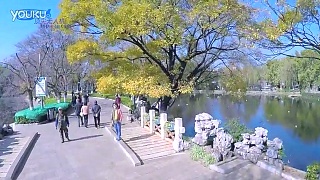
Green Lake Park (Cuihu Park): This urban park in central Kunming is a popular recreational spot for locals and tourists alike. It features scenic walking paths, pavilions, gardens, and a variety of bird species.

Daguan Park: Known for its expansive lake and picturesque views of the Western Hills, Daguan Park is a tranquil retreat from the city's hustle and bustle. Visitors can stroll along the lakeside promenade, enjoy traditional tea houses, and admire the park's classical Chinese architecture.

Practical Tips:
Transportation: Kunming has a well-developed public transportation system, including buses and the Kunming Metro. Taxis and ride-hailing services are also widely available.

Weather: Kunming enjoys a mild climate year-round, but it can be cool and rainy in the winter months. It's advisable to check the weather forecast and pack accordingly.

Language: Mandarin Chinese is the official language, but English may not be widely spoken outside of tourist areas. It's helpful to learn a few basic phrases or carry a translation app, especially when interacting with locals from ethnic minority groups.

Kunming's blend of natural beauty, cultural diversity, and historical charm makes it a fascinating destination for tourists. Whether you're exploring ancient temples, admiring stunning landscapes, or immersing yourself in ethnic minority culture, Kunming offers a unique and memorable experience for visitors of all interests.
Related Videos


Featured Videos

GuangZhou CaiHongQiao metro station
With Walk For You ... Bonus film - GuangZhou downtown drive - with Walk East ...
XiaMen city, FuJian province
With Walk East ...
Geopolitics and China; July 2022
With Brian Berletic and Angelo Giuliano ... STEM = science, technology, engineering, mathematics.
This is GuiZhou 贵州 province
GuìZhōu is a mountainous province in south China known for its ancient rural villages and diverse ethnic minority groups, including the Miao, Bai and Dong. ZhaoXing village and YinTan village * JiangBang rice terraces * GaoHua village * XiaoWeng village * BiaSha village * ZhanLi village * LangDe village * JiDao Miao village * ShiQiao village * PaiMuo village *
Something different – Bliss : Afterlife (music album)
Bliss : Afterlife - album released 2001. Includes : If Heaven Closes (6:10) and Will You Remember My Name (46:25). Brew some green tea, draw the curtains, and sink into your favorite space. Close your eyes and let the journey begin; let's fly among the stars and see our world from afar; come back anew ... Do support Bliss, this wonderful music talent, by buying the original CD / official download.
Breakfast in China – 2
Rap around BeiJing 北京 – videos
Good scenes from around BeiJing ...
“Pro-china” or “pro-democracy” – huh ?
The BBC in Hong Kong - fake news ? Nathan Rich lays it out ...
A guide to the magnificent Forbidden City (Palace Museum) in BeiJing
With Lulu's Daily In China ... Welcome to the Forbidden City Explore the imperial palace and ancient architecture of the Forbidden City in Beijing. Introduction The Forbidden City, also known as the Palace Museum, is a vast imperial palace complex in Beijing, China. It served as the home of emperors and their households, as well as the ceremonial and political center of the Chinese government for almost 500 years. Location The Forbidden City is located in the Dongcheng District in the heart of Beijing, directly north of Tiananmen Square. History The construction of the Forbidden City began in 1406 and was completed in 1420. It was the Chinese imperial palace from the Ming dynasty to the end of the Qing dynasty, housing 24 emperors. The complex covers 72 hectares (178 acres) and consists of 980 surviving buildings with 8,886 rooms. In 1925, the Forbidden City was transformed into the Palace Museum, showcasing extensive collections of artwork and artifacts from the imperial collections of the Ming and Qing dynasties. It was designated a UNESCO World Heritage Site in 1987. Attractions Meridian Gate (Wu Men): The main entrance to the Forbidden City, known for its grand architecture and historical significance. Hall of Supreme Harmony (Taihe Dian): The largest hall in the Forbidden City, used for major ceremonial occasions. Hall of Central Harmony (Zhonghe Dian): A smaller, intimate hall where the emperor prepared and rested before ceremonies. Hall of Preserving Harmony (Baohe Dian): Used for banquets and later for imperial examinations. Palace of Heavenly Purity (Qianqing Gong): The emperor's residence, representing his supreme authority. Hall of Union (Jiaotai Dian): A hall connecting the emperor's and empress's palaces, symbolizing their union. Palace of Earthly Tranquility (Kunning Gong): The residence of the empress and the site for imperial weddings. Imperial Garden: A serene garden area with ancient trees, rockeries, and pavilions, used by the imperial family for leisure. Clock and Watch Gallery: Displays a vast collection of timepieces from the imperial collection. Treasure Gallery: Houses valuable artifacts, including jade, gold, and other treasures from the imperial era. Activities Exploring historical buildings and courtyards Visiting museum exhibitions Photography Participating in guided tours Attending cultural performances and events Facilities Visitor Center Restrooms Gift Shops Cafes and Restaurants Parking Lots Audio Guide Rentals Guided Tour Services Visitor Tips Wear comfortable walking shoes. Bring water and snacks, especially if you plan to stay for several hours. Visit early in the morning or late in the afternoon to avoid crowds. Check the weather forecast and dress appropriately. Respect the cultural and historical significance of the site; behave appropriately and follow all rules and guidelines. Plan your visit to include the main attractions and leave time for exploring lesser-known areas.

Tag search ?