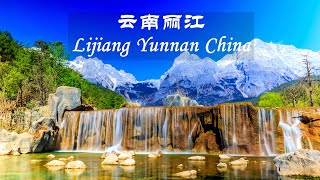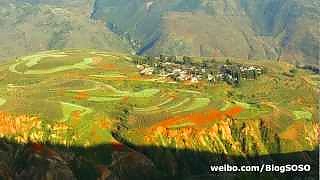
KunMing, aka Spring City, YunNan province

With Reporterfy Media ...

[640],shadow=true,start=,stop=

With CHN Tourism ...

[320],shadow=true,start=,stop=

With Blondie In China ...

[320],shadow=true,start=,stop=

Kunming, the capital of China's Yunnan province, is known as the 'City of Eternal Spring' due to its mild climate year-round. It's a vibrant city with a rich cultural heritage, stunning natural scenery, and diverse ethnic minority communities. Here's a guide for tourists visiting Kunming:

Natural Attractions:
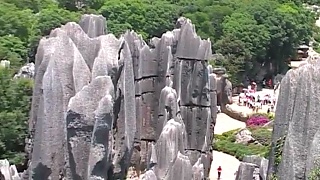
Stone Forest (Shilin): Located about 90 kilometers southeast of Kunming, the Stone Forest is a UNESCO World Heritage Site known for its surreal limestone formations resembling a forest of stone pillars. Visitors can explore the maze-like paths, visit local villages, and learn about the Yi ethnic minority culture.

Dianchi Lake: Kunming's largest lake offers scenic views, waterfront parks, and recreational activities such as boating and fishing. Nearby attractions include the Yunnan Nationalities Village, where visitors can learn about the diverse cultures of Yunnan's ethnic minority groups.

Jiaozi Snow Mountain: This scenic area northwest of Kunming features snow-capped peaks, alpine meadows, and hiking trails. Visitors can take a cable car ride to enjoy panoramic views of the surrounding landscape.

Cultural and Historical Sites:
Yuantong Temple: Dating back over 1,200 years, Yuantong Temple is one of the oldest and most important Buddhist temples in Kunming. It features traditional architecture, serene gardens, and ornate halls with Buddhist statues and artifacts.

Kunming Old Street (Guandu Ancient Town): Explore the historic streets and traditional architecture of Guandu Ancient Town, located on the outskirts of Kunming. Highlights include the Guandu Old Bridge, temples, and local markets.

Ethnic Minority Culture:
Yunnan Ethnic Village: This cultural theme park showcases the diverse traditions, customs, and architecture of Yunnan's ethnic minority groups, including the Yi, Bai, Dai, and Hani people. Visitors can watch cultural performances, shop for handicrafts, and sample ethnic cuisine.

Golden Temple (Jin Dian): Located on Mingfeng Hill, the Golden Temple is a Taoist temple complex known for its large copper pavilion covered in gold leaf. It offers panoramic views of Kunming and the surrounding countryside.

Modern Attractions:
Green Lake Park (Cuihu Park): This urban park in central Kunming is a popular recreational spot for locals and tourists alike. It features scenic walking paths, pavilions, gardens, and a variety of bird species.

Daguan Park: Known for its expansive lake and picturesque views of the Western Hills, Daguan Park is a tranquil retreat from the city's hustle and bustle. Visitors can stroll along the lakeside promenade, enjoy traditional tea houses, and admire the park's classical Chinese architecture.

Practical Tips:
Transportation: Kunming has a well-developed public transportation system, including buses and the Kunming Metro. Taxis and ride-hailing services are also widely available.

Weather: Kunming enjoys a mild climate year-round, but it can be cool and rainy in the winter months. It's advisable to check the weather forecast and pack accordingly.

Language: Mandarin Chinese is the official language, but English may not be widely spoken outside of tourist areas. It's helpful to learn a few basic phrases or carry a translation app, especially when interacting with locals from ethnic minority groups.

Kunming's blend of natural beauty, cultural diversity, and historical charm makes it a fascinating destination for tourists. Whether you're exploring ancient temples, admiring stunning landscapes, or immersing yourself in ethnic minority culture, Kunming offers a unique and memorable experience for visitors of all interests.
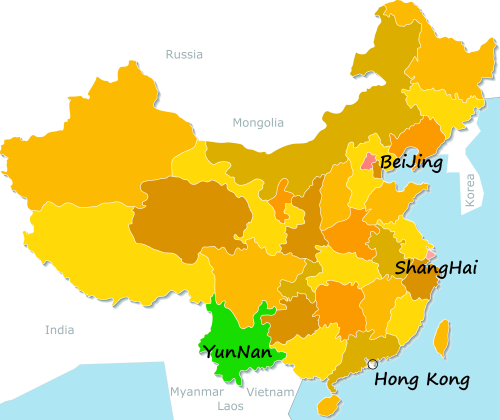

YunNan map

Related Videos


Featured Videos

Meng WanZhou (HuaWei) free at last
With Cyrus Jannsen ... With Lee Barrett ... Bonus film, with RT America ...
ZhengZhou 郑州 night walk
Capital of HeNan province. With Walk East ...
The classical gardens of SuZhou, JiangSu 苏州 (Scenic China Special, 2018 – 6)
First time in HangZhou
With Pat & Giulia ...
The nature of reality, space, time and consciousness
With Alan Watts ...
Tree house apartment
An indoor garden lifestyle, in BeiJing ...
Song medley from the BTV Net Spring Festival Evening, BeiJing 北京
北京卫视网络春晚-雨花石+我的祖国+映山红- Beijing TV Net Spring Festival Evening, 2011. Bonus songs, from the Voice of China TV show ...
The beautiful PingYao ancient city, ShanXi province
With China Walking Tour ... Ancient City of PingYao visitor guide Overview The Ancient City of PingYao, located in ShanXi province, is one of the best-preserved ancient walled cities in China. Recognized as a UNESCO World Heritage Site, Ping Yao offers a fascinating glimpse into China's architectural and cultural history. The city's layout, traditional buildings, and historical sites make it a must-visit destination for history enthusiasts and cultural explorers. History Ping Yao's history dates back over 2,700 years, with its origins in the Western Zhou Dynasty (1046–771 BC). The city flourished during the Ming (1368–1644) and Qing (1644–1912) dynasties as a center of trade, finance, and banking. Its well-preserved architecture and urban planning reflect the prosperous period of ancient China, making it an invaluable cultural and historical treasure. Main Attractions City Walls The ancient city walls of Ping Yao are among the most complete in China. Constructed during the Ming Dynasty, these imposing walls stretch for 6 kilometers and feature 72 watchtowers and numerous gates. Visitors can walk along the walls, enjoying panoramic views of the city and experiencing the historical significance of this ancient fortification. Rishengchang Draft Bank Rishengchang, established in the early 19th century, is considered the first draft bank in China. This historical site offers insights into the origins of China's banking system and showcases traditional banking practices. The museum within the bank exhibits artifacts and documents that highlight the financial history of Ping Yao. Ancient Government Office The Ancient Government Office, also known as the Ping Yao County Office, served as the administrative center of the city. This well-preserved complex includes the courthouse, prison, and various government offices. Visitors can explore the rooms and halls, gaining an understanding of the judicial and administrative processes of ancient China. Temple of the City God The Temple of the City God is a significant religious site in Ping Yao. Dedicated to the deity believed to protect the city, the temple features beautiful architecture, intricate carvings, and serene courtyards. It remains an active place of worship and offers a peaceful retreat for visitors. Culture and Traditions The Ancient City of Ping Yao is a cultural treasure trove, with a rich heritage of traditional customs, crafts, and festivals. The city's residents continue to preserve and celebrate their cultural traditions, offering visitors a unique opportunity to experience the living history of this ancient city. From traditional performances to local crafts, Ping Yao's cultural vibrancy is palpable. Activities and Experiences Walking Tours Explore Ping Yao on foot with a guided walking tour. These tours provide valuable insights into the city's history, architecture, and culture, and are led by knowledgeable local guides. Walking through the ancient streets and alleyways is a delightful way to immerse yourself in the city's unique charm. Shopping for Local Crafts The shops and markets in Ping Yao offer a variety of traditional crafts and handmade products. Visitors can shop for souvenirs, including lacquerware, paper cuttings, and traditional clothing, all crafted by local artisans. These items make for unique and meaningful mementos of your visit. Sampling Local Cuisine Ping Yao is known for its delicious local cuisine, which reflects the flavors and traditions of Shanxi province. Visitors can sample a range of traditional dishes at the city's restaurants and food stalls. Don't miss trying the local specialties, such as Ping Yao beef, daoxiao noodles, and steamed buns. Attending Festivals Throughout the year, Ping Yao hosts various traditional festivals that celebrate local culture and heritage. These festivals feature music, dance, and traditional performances, offering visitors a unique and immersive cultural experience. Check the local event calendar to see if any festivals coincide with your visit. Accommodation Ping Yao offers a range of accommodation options, including traditional guesthouses, boutique hotels, and homestays. Staying in a traditional courtyard hotel provides an authentic experience and allows visitors to immerse themselves in the historical atmosphere of the city. These accommodations often feature traditional architecture and décor, adding to the charm of your stay. Travel Tips Best Time to Visit: The best time to visit Ping Yao is during spring (April to June) and autumn (September to November) when the weather is pleasant, and the city is less crowded. Getting There: Ping Yao is accessible by train, with Ping Yao Ancient City Railway Station serving high-speed trains from major cities. The nearest airport is Taiyuan Wusu International Airport, which offers connections to various domestic and international destinations. Opening Hours: The ancient city is open to visitors year-round. Specific attractions and shops may have their own operating hours. Entrance Fees: There may be entrance fees for certain attractions within the city. It is advisable to check the latest fees before planning your visit. Dress Comfortably: Wear comfortable clothing and sturdy walking shoes, as the city's streets are cobbled and can be uneven. Respect Local Customs: Be respectful of local customs and traditions, especially when visiting temples and cultural sites. Always ask for permission before taking photos of people. Stay Hydrated: Carry water, especially if you plan on exploring the city extensively. It's also a good idea to bring snacks or purchase food from local vendors.
What is the West doing in Myanmar (to isolate China) ?
Destabilization of China's neighbors is gathering pace ...

Tag search ?