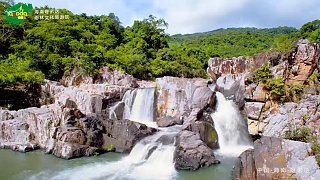
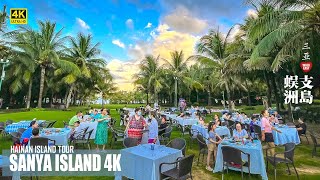
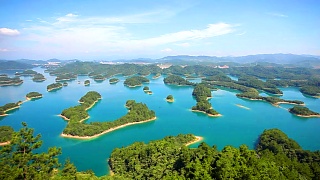
Beautiful HaiKou 海口, HaiNan Island

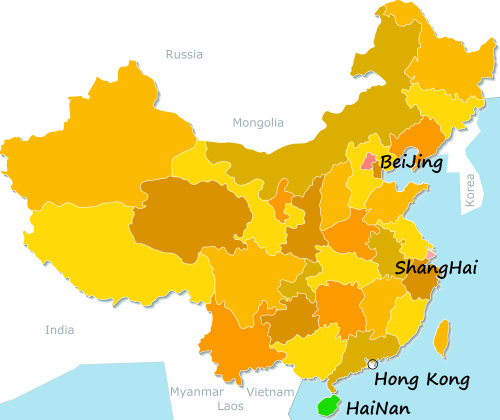
HǎiKǒu, known as the 'Coconut City', is the capital of semi-tropical HaiNan province in south China; a port city on the island's north coast, facing the mainland.

[640],shadow=true,start=,stop=
HaiNan map

Related Videos


Featured Videos

MangShan WuZhiFeng Scenic Area, HuNan province
With Beijing Old Liu ... MangShan WuZhiFeng Scenic Area visitor guide Overview The MangShan WuZhiFeng Scenic Area, located in the MangShan National Forest Park in HuNan Province, is renowned for its stunning natural landscapes, diverse flora and fauna, and the iconic WuZhiFeng (Five-Finger Peak). It is a perfect destination for nature lovers and outdoor enthusiasts. Getting There Location: YiZhang County, ChenZhou City, HuNan Province, China. Public Transport: By Bus: Regular buses run from ChenZhou City to YiZhang County. From YiZhang, you can take a local bus or taxi to the MangShan National Forest Park. By Train: The nearest major railway station is in ChenZhou City. From there, you can take a bus or taxi to the park. Opening Hours April to October: 8:00 AM to 6:00 PM November to March: 8:30 AM to 5:30 PM Tickets Entrance Fee: ¥100 Discounted Ticket (for children, students, and seniors): ¥50 Main Attractions The MangShan WuZhiFeng Scenic Area is home to a variety of attractions: WuZhiFeng (Five-Finger Peak): This iconic peak resembles five fingers rising from the mountain, offering breathtaking views and challenging hikes. YunLong Waterfall: A magnificent waterfall cascading down a cliff, surrounded by lush vegetation. MangShan Temple: A historic temple located within the forest park, providing a serene atmosphere and cultural insights. Botanical Gardens: Home to a diverse range of plant species, including rare and endangered ones, making it a paradise for botany enthusiasts. Observation Decks: Various viewpoints throughout the park offer panoramic views of the surrounding mountains and forests. Activities Visitors can engage in numerous activities at the MangShan WuZhiFeng Scenic Area: Hiking: Explore the various trails that lead to scenic spots and peaks. Bird Watching: The park is home to many bird species, making it an ideal spot for bird watchers. Photography: Capture the stunning natural landscapes and wildlife. Camping: There are designated camping areas for those who want to experience the beauty of the park overnight. Guided Tours: Join a guided tour to learn more about the park's history, ecology, and cultural significance. Dining and Refreshments Several small restaurants and snack stalls are available within and around the MangShan National Forest Park, offering local HuNan cuisine and refreshments. It's advisable to bring your own snacks and water, especially if you plan on hiking. Visitor Tips Best Time to Visit: Spring and autumn are the best times to visit due to the pleasant weather and beautiful scenery. Summer can be hot and humid, and winter can be cold. Wear Comfortable Shoes: The park has many trails and uneven terrain, so comfortable hiking shoes are recommended. Stay Hydrated: Bring plenty of water, especially during long hikes. Prepare for Weather: Bring a raincoat or umbrella during the rainy season, and dress in layers for temperature changes. Respect Nature: Follow park rules, stay on designated paths, and do not disturb the wildlife. Nearby Attractions DongJiang Lake: A beautiful lake located in ZiXing City, perfect for boating, fishing, and enjoying the scenic views. WuLingYuan Scenic Area: Another UNESCO World Heritage Site known for its dramatic sandstone pillars and breathtaking landscapes. LangShan Mountain: Known for its unique Danxia landforms, it's a great place for hiking and exploring natural rock formations. Conclusion The MangShan WuZhiFeng Scenic Area in HuNan is a stunning natural destination offering a mix of beautiful landscapes, rich biodiversity, and cultural sites. Whether you're a nature enthusiast, hiker, or simply looking for a peaceful retreat, the scenic area provides an unforgettable experience.
NanNing, provincial capitol of GuangXi province
With Walk East ...
The beautiful Old Towns of LiJiang and DaLi, YunNan province
Scenic films. With CHN Tourism ... With Lucas & Ann ...
Hiking the GongGa mountain trail, SiChuan province
With Men's Journal ... About the GongGa Trail Mount GongGa, also known as Minya Konka, is the highest peak in SiChuan province, China, standing at 7,556 meters (24,790 feet). The Gongga Trail offers a challenging yet rewarding trekking experience, featuring stunning landscapes, glaciers, and traditional Tibetan villages. It is a popular destination for adventurers and nature enthusiasts looking to explore the remote and pristine beauty of the region. Hiking Trails Hailuogou Glacier Park Trail The Hailuogou Glacier Park Trail is one of the most accessible routes on Mount Gongga. It features stunning views of glaciers, hot springs, and lush forests. This trail is suitable for trekkers of all levels and can be completed in 2-3 days. Yulongxi Trail The Yulongxi Trail offers a more challenging trek with breathtaking scenery, including high-altitude lakes, meadows, and snow-capped peaks. This trail takes about 4-5 days to complete and requires a good level of fitness. Kangding to Gongga Monastery Trail This trail starts in Kangding and leads to the Gongga Monastery, providing trekkers with an opportunity to experience local Tibetan culture and stunning natural beauty. The trek takes approximately 5-6 days. Old Chengdu-Kangding Tea-Horse Road This historic trail follows the ancient trade route, offering a blend of cultural and natural attractions. Trekkers can enjoy scenic vistas, traditional villages, and historical sites along the way. The trek can take 7-10 days depending on the chosen route. Famous Guesthouses Hailuogou Grand Hotel Located at the entrance of Hailuogou Glacier Park, Hailuogou Grand Hotel offers comfortable accommodation and easy access to the glacier. It is a great base for starting the trek. Gongga Shan Hotel Situated in Kangding, Gongga Shan Hotel provides modern amenities and a convenient location for trekkers heading towards Mount Gongga. The hotel offers stunning views of the surrounding mountains. Konka International Youth Hostel Located in the town of Luding, Konka International Youth Hostel is popular among backpackers and budget travelers. It offers basic accommodation and a friendly atmosphere. Minya Konka Guesthouse Near the Gongga Monastery, Minya Konka Guesthouse provides an authentic Tibetan experience with traditional architecture and hospitality. It is a perfect stop for trekkers on the Kangding to Gongga Monastery Trail. Transport Mount Gongga and the Gongga Trail are accessible from major cities in Sichuan province. Here are some ways to get there: From Chengdu: Buses and private transfers are available from Chengdu to Kangding, taking approximately 6-7 hours. From Kangding, you can hire a local guide or take a bus to the trailhead. From Kangding: Local buses and taxis can take you to various trailheads, including Hailuogou Glacier Park and Yulongxi. The journey time varies depending on the destination. By Car: Renting a car is a flexible option for those who prefer driving. The roads to Kangding and surrounding areas are well-maintained, offering scenic views along the way.
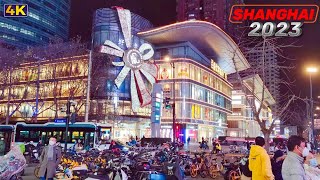
GuangZhou walk, GuangDong province
With M&X's Vlog ... Daytime : Nighttime :
BeiHai Park 北海公园 slide-show, BeiJing 北京
There are nearly 300 photographs in this beautiful slideshow ...
Technology in China discussion
With Richard Turrin ...
China – the threat of a good example
With Expat Adventuring in Asia ... "In this eye-opening video, we uncover the truth behind the growing tension between the United States and China. For years, the U.S. government has painted China as a looming enemy, a global threat that must be contained at all costs. But what if everything we’ve been told about China’s rise is a carefully constructed lie? Why is China seen as an enemy by the U.S. government? The answer is simpler than you think: China’s rise challenges the U.S. dominance — both economically and militarily. In this video, we expose the official U.S. policy that labels China as a threat not because of ideology or military aggression, but because China’s success threatens America’s role as the world's sole superpower. This policy — backed by years of documentation — is the core reason behind the U.S. narrative of China as the “enemy.” China’s peaceful rise versus U.S. domination. While the U.S. seeks to maintain global primacy and control, China has focused on development — building a massive economy, lifting over 800 million people out of poverty, and creating a modern, thriving nation through peaceful means. But the U.S. establishment is unwilling to accept that a country can prosper without following the West’s path. In this video, we reveal: • How U.S. foreign policy, dating back to the 1992 Defense Planning Guidance, explicitly states that any country, including China, that challenges U.S. dominance is labeled a threat. • The “primacy” doctrine and how it has shaped U.S. global strategies, including its ongoing campaign to undermine China’s rise. • The truth behind billions of dollars spent on anti-communist propaganda and “democracy promotion” to convince the world that China’s system is dangerous, despite its successes. • How the global power shift from unipolar to multipolar is already happening, and why the U.S. feels the need to hold onto a world that’s quickly evolving beyond its control. The reality that can’t be hidden Despite the constant anti-China rhetoric, China’s rise speaks for itself. The country’s GDP has grown from just $190 billion in 1980 to $18 trillion today, and it’s created the largest high-speed rail network in the world, alongside cutting-edge tech hubs and innovations that are reshaping the global economy. In contrast, the U.S. continues to face challenges at home, including income inequality, racial tensions, and a failing healthcare system. Yet, the U.S. media continues to promote the idea that China’s peaceful development is somehow a threat to the world. What the media doesn’t want you to know Behind the scenes, hundreds of millions of dollars have been funneled into think tanks, universities, and media outlets worldwide to shape global perceptions about China. We reveal how the Voice of America, National Endowment for Democracy (NED), and USAID fund anti-China narratives and distort the truth about China’s achievements. But no amount of money or propaganda can hide the undeniable truth: China’s success proves that a different system works. What does this mean for the future? As China continues to rise, the world is transitioning from a U.S.-dominated unipolar order to a multipolar world where countries cooperate, not compete. The future of global relations is changing, and China’s vision of cooperation is reshaping the way nations interact on the world stage. In this video, you’ll discover: • The hidden policies that fuel U.S. opposition to China. • How China’s peaceful rise is threatening the U.S. empire — not through war, but through smart, long-term development. • Why the real enemy isn’t China, but rather the U.S. control of global narratives and the unwillingness to share power with emerging nations. Why should you watch? • If you’re curious about the real reasons behind U.S.-China tensions, this video will give you answers based on facts, not propaganda. • If you want to understand global power dynamics and why China’s rise isn’t a threat but an opportunity for cooperation, this video is for you. • If you’ve ever wondered why the U.S. is so obsessed with maintaining global hegemony, this video will unveil the truth. 🔔 Don’t forget to subscribe for more deep dives into China’s rise, U.S. foreign policy, and the changing global order." In China, the people are king In the West, the people are livestock
The BeiJing 2022 Winter Olympics Opening Ceremony

Tag search ?