Related Videos


Featured Videos

Relaxing in JingShan Park 景山公园, BeiJing
All kinds of pastime can be found here ...
A day in Xi’An 西安, ShaanXi province
Including the Terracotta Warriors ...
On democracy and China
Geopolitics with Li JingJing, Lee Camp, George Galloway ... Bonus film with Judge Napolitano and Larry Johnson ...
The Li River 漓江 and YangShuo 阳朔 trip
The town 'where nobody is a stranger' ...
‘Our first month in HaiNan 海南 (paradise)’ …
Studying in HaiKou 海口, the capital of the island province.
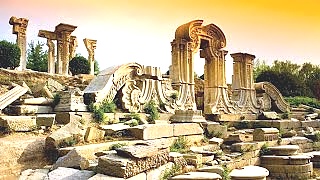
Scenes from YuanMingYuan 圆明园, BeiJing
YuánMíngYuán was the original Summer Palace in BeiJing and sometimes referred to as the 'Old Summer Palace'. YuanMingYuan lies 8 kilometers (5 miles) northwest of central Beijing, close to the (new) Summer Palace (YíHéYuán 颐和园). It was constructed during the 18th and early 19th centuries and was a wonderland of lakes and waterways, bridges, hills and pavilions. There were originally towers, terraces, pavilions, halls, corridors, pagodas and bridges with a total construction area of 150,000 square meters. Artisans were recruited from all over China to enact the exquisite settings. Many of the 160 scenic spots were reproductions of famous mountains, rivers and famous gardens in China. The various styles of architecture, standing encircled by hills and streams, presented a most picturesque view. In addition, hundreds of invaluable Chinese art masterpieces and antiquities were stored in the halls, including some unique copies of literary works and collections. YuanMingYuan was, indeed, a veritable museum of garden construction and horticulture. Known to be one of the largest museums in the world, a popular name in China was the 'Garden of Gardens'. In 1860 during the 'Second Opium War', YuanMingYuan was looted then burned down by imperialist British and French troops. So great was the devastation that a new Summer Palace was later built nearby.
China’s Mega Projects (2/5) : the efficient and hospitable 24-hour mega-city
Fun adventures in DunHuang 敦煌, western GanSu province
DunHuang is situated in a rich oasis within the Gobi Desert that includes Crescent Lake. DunHuang held a strategic position at the crossroads of the ancient Southern Silk Route and the main road leading from India via Lhasa to Mongolia and Southern Siberia, as well as the entrance to the narrow HeXi Corridor, which led straight to the heart of the northern China plains and the ancient capitals of Chang'An (known today as Xi'An) and LuoYang. The Gobi Desert is a 'rain shadow desert', formed by the Himalayan mountain range blocking rain-carrying clouds from the Indian Ocean.
Blondie in LanZhou, GanSu province (food adventure)
With Blondie in China ... Visitor Guide to LanZhou, GanSu Province Overview LanZhou, the capital city of GanSu Province, is a major transportation and cultural hub located in the northwest of China. Famous for its rich history, stunning natural landscapes, and the iconic Yellow River, LanZhou offers a unique blend of traditional Chinese culture and modern development. Getting There By Air: LanZhou Zhongchuan International Airport (LHW) is located about 70 kilometers from the city center. It offers both domestic and international flights. You can take an airport shuttle bus or a taxi to reach the city center. By Train: LanZhou is a major railway hub with connections to many cities across China. The LanZhou Railway Station and LanZhou West Railway Station serve both high-speed and regular trains. By Bus: Long-distance buses connect LanZhou to various cities in GanSu Province and beyond. The main bus stations are LanZhou East Bus Station and LanZhou West Bus Station. Getting Around Public Transport: LanZhou has an extensive bus network and a developing metro system. The metro is convenient for getting around the city quickly. Taxis: Taxis are readily available and relatively inexpensive. Ensure the driver uses the meter or agree on a fare beforehand. Biking: LanZhou is bike-friendly, and bike-sharing services are popular and convenient for short trips. Main Attractions Zhongshan Bridge (Yellow River Iron Bridge) The Zhongshan Bridge, also known as the First Bridge over the Yellow River, is an iconic historical landmark. Built in 1907, it offers stunning views of the Yellow River and is a great spot for a leisurely walk. White Pagoda Mountain (Baita Mountain) White Pagoda Mountain provides a panoramic view of LanZhou and the Yellow River. The mountain is named after the White Pagoda Temple located on its summit. The temple and surrounding park are perfect for hiking and enjoying the natural beauty. Gansu Provincial Museum This museum is a treasure trove of cultural relics and historical artifacts, showcasing the rich history and cultural heritage of GanSu Province. Highlights include ancient Silk Road artifacts, fossils, and traditional Tibetan and Han exhibits. Waterwheel Garden The Waterwheel Garden is a unique park featuring large, traditional waterwheels that were once used for irrigation along the Yellow River. The park provides insight into the agricultural history of the region and is a pleasant place for a stroll. Bingling Temple Grottoes Located about 75 kilometers from LanZhou, the Bingling Temple Grottoes are renowned for their Buddhist cave carvings and statues, some dating back to the Western Qin dynasty. The grottoes are accessible by boat from the Liujiaxia Reservoir. Local Cuisine LanZhou is famous for its delicious and unique cuisine. Here are some must-try dishes: LanZhou Beef Noodles: Also known as "Lamian," these hand-pulled noodles are served in a flavorful beef broth with slices of tender beef, radish, and fresh herbs. Niang Pi: A cold noodle dish made from wheat or rice flour, often served with a spicy sauce and various toppings like cucumber and bean sprouts. Rou Jia Mo: Often referred to as the Chinese hamburger, it consists of a flatbread filled with seasoned, shredded meat. Yellow River Carp: Freshly caught from the Yellow River, this fish is typically braised or steamed and served with a savory sauce. Shopping Zhengning Road Night Market: A bustling night market offering a variety of local snacks, street food, and souvenirs. Xiguan Mosque Market: Located near the Xiguan Mosque, this market features ethnic Hui products, traditional handicrafts, and a variety of halal foods. Qilihe Market: A large wholesale market where you can find everything from clothing and electronics to fresh produce and household items. Accommodation Luxury Hotels: For a high-end stay, consider hotels like the Crowne Plaza LanZhou or the Wanda Vista LanZhou, both offering excellent amenities and service. Mid-Range Hotels: Options such as the Ibis LanZhou Zhangye Road and the James Joyce Coffetel provide comfortable accommodations at reasonable prices. Budget Hotels: For budget travelers, hostels and budget hotels like the LanZhou Lemon Tree Youth Hostel offer affordable and convenient lodging. Tips for Visitors Best Time to Visit: The best times to visit LanZhou are spring (April to June) and autumn (September to November) when the weather is mild and pleasant. Local Etiquette: Respect local customs and traditions, especially in areas with significant Muslim Hui populations. Dress modestly and be mindful of dietary restrictions when dining out. Language: While Mandarin is widely spoken, learning a few basic phrases or using a translation app can be very helpful. Stay Hydrated: LanZhou has a dry climate, so drink plenty of water, especially if you are hiking or spending time outdoors. Conclusion LanZhou, with its rich history, vibrant culture, and stunning landscapes, offers a unique and memorable travel experience. Whether you're exploring ancient grottoes, savoring the famous beef noodles, or strolling along the Yellow River, LanZhou has something for every traveler. Plan your visit carefully to make the most of this fascinating city in GanSu Province.

Tag search ?