Related Videos


Featured Videos

BeiJing night and day, 2023
798 Art Zone, WangJing SOHO, and CBD. With Walk East ... BeiJing CBD area. With BeiJing Walking ...
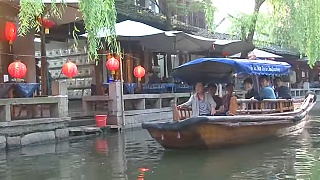
The ancient ShanTang River and ShanTang Street, SuZhou, JiangSu province
With Pandaland Villager ... Visitor Guide to ShanTang River and ShanTang Street, SuZhou Overview ShanTang River and ShanTang Street, located in SuZhou, JiangSu Province, are renowned for their picturesque beauty and historical significance. Often referred to as the "Venice of the East," ShanTang Street is a perfect blend of traditional Chinese architecture, serene waterways, and vibrant local culture, making it a must-visit destination. Historical Background of ShanTang River ShanTang River, also known as the "Seven-Li Shantang," was originally constructed in 825 AD during the Tang Dynasty. The construction was overseen by Bai Juyi, a renowned poet and the then governor of SuZhou. The canal was built to connect SuZhou city with HuQiu (Tiger Hill), facilitating trade and transportation while providing a scenic route for travelers. The project was an ambitious undertaking aimed at promoting economic development and improving water management in the region. The construction of the canal also helped to control flooding and provided a reliable source of water for irrigation, which was crucial for local agriculture. Over the centuries, ShanTang River became a vital artery for the transportation of goods and people. It also served as a cultural hub, with the development of markets, temples, and residential areas along its banks. The river and the adjacent ShanTang Street became synonymous with prosperity and cultural richness, attracting scholars, merchants, and artists who contributed to the flourishing of SuZhou. Getting There By Air: The nearest airport is SuZhou Sunan Shuofang International Airport (WUX), located about 40 kilometers from the city center. From the airport, you can take a taxi or a shuttle bus to reach ShanTang Street. By Train: SuZhou Railway Station is well-connected with major cities like Shanghai, HangZhou, and Nanjing. From the station, you can take a local bus or taxi to reach ShanTang Street. By Bus: SuZhou is well-served by long-distance buses from nearby cities. The main bus station in SuZhou is SuZhou North Bus Station, from where you can take a local bus or taxi to ShanTang Street. Getting Around Walking: The best way to explore ShanTang Street is on foot, allowing you to fully appreciate the historical buildings, quaint shops, and beautiful scenery. Boating: Taking a boat ride along the ShanTang River offers a unique perspective of the ancient town and its waterways. Local Transport: Taxis and local buses are available for traveling to and from different parts of SuZhou. Main Attractions ShanTang Street This ancient street, with a history of over 1,100 years, stretches for about 3.5 kilometers along the ShanTang River. It is lined with well-preserved traditional buildings, charming shops, tea houses, and restaurants, offering a delightful walking experience. ShanTang River The ShanTang River is a scenic waterway that flows through the heart of the town. Boat rides along the river provide a tranquil and picturesque journey, showcasing the town's beautiful bridges, ancient buildings, and lush gardens. Pingjiang Road Located nearby, Pingjiang Road is another historic street that complements your visit to ShanTang Street. Known for its classical SuZhou gardens, traditional houses, and cultural sites, it offers a deeper understanding of SuZhou's rich heritage. Baosheng Temple Baosheng Temple, located along ShanTang Street, is a historic Buddhist temple with beautiful architecture and serene gardens. It provides a peaceful retreat and a glimpse into the town's religious heritage. Tiger Hill Just a short distance from ShanTang Street, Tiger Hill is a popular tourist attraction known for its natural beauty, historical sites, and the iconic Yunyan Pagoda, often referred to as the "Leaning Tower of China." Local Cuisine SuZhou's cuisine is known for its delicate flavors and emphasis on fresh, seasonal ingredients. Here are some must-try dishes: Sweet and Sour Mandarin Fish: A signature dish of SuZhou, featuring fresh fish cooked in a sweet and tangy sauce. Squirrel-Shaped Mandarin Fish: A beautifully presented dish with a crispy exterior and tender meat, often served with a sweet and sour sauce. SuZhou Noodles: Hand-pulled noodles served in a rich broth with various toppings, including pork, shrimp, and vegetables. Local Pastries: Try the traditional SuZhou-style mooncakes and other pastries filled with sweet or savory ingredients. Shopping Local Handicrafts: ShanTang Street is famous for its traditional handicrafts, including silk products, embroidery, and paper-cutting. These items make for unique souvenirs. Antique Shops: Explore local antique shops for historical artifacts, vintage items, and collectibles. Tea Houses: Purchase high-quality Chinese tea from the local tea houses along ShanTang Street. Accommodation Traditional Inns: For an authentic experience, consider staying in a traditional inn or guesthouse, which often feature historical architecture and local decor. Mid-Range Hotels: Options such as the SuZhou Garden Hotel and local boutique hotels provide comfortable accommodations at reasonable prices. Luxury Hotels: For a high-end stay, consider hotels like the SuZhou Marriott Hotel or the SuZhou Jinji Lake Grand Hotel, both offering excellent amenities and service. Tips for Visitors Best Time to Visit: The best times to visit ShanTang Street are spring (April to June) and autumn (September to November) when the weather is mild and pleasant. Clothing: Wear comfortable walking shoes and dress in layers to accommodate changing temperatures. An umbrella or raincoat is useful during the rainy season. Respect Local Customs: Be respectful of local customs and traditions. Dress modestly and be mindful of local etiquette, especially when visiting historical and cultural sites. Language: While Mandarin is widely spoken, learning a few basic phrases or using a translation app can be very helpful. Plan Your Visit: ShanTang Street is best explored at a leisurely pace. Take your time to wander through the streets, visit local shops, and enjoy the tranquil atmosphere. Conclusion ShanTang River and ShanTang Street, with their rich history, traditional architecture, and picturesque scenery, offer a unique and memorable travel experience. Whether you're exploring ancient streets, savoring local cuisine, or taking a serene boat ride along the river, ShanTang provides an unforgettable glimpse into SuZhou's past. Plan your visit carefully to make the most of your trip to this charming destination in JiangSu Province.
20 places to visit in and around XiaMen, FuJian province
XiaMen Attractions Gulangyu Island (鼓浪屿) - Gǔlàngyǔ A charming island known for its colonial architecture, winding streets, and lush gardens. Visitors can explore historic buildings, enjoy panoramic views of the sea, and discover attractions such as the Piano Museum and Sunlight Rock. Xiamen University (厦门大学) - Xiàmén Dàxué Renowned for its beautiful campus, Xiamen University features traditional Chinese architecture, scenic lakes, and tranquil gardens. Visitors can stroll around the campus, admire the architecture, and enjoy the serene atmosphere. Zhongshan Road Pedestrian Street (中山路步行街) - Zhōngshān Lù Bùxíng Jiē This bustling street is a popular shopping destination in Xiamen, offering a wide range of shops, boutiques, restaurants, and street vendors. Visitors can shop for souvenirs, sample local delicacies, and soak in the lively atmosphere. Haicang Safari Park (海沧动物园) - Hǎicāng Dòngwùyuán Located in Haicang District, this safari park is home to a variety of exotic animals, including lions, tigers, and elephants. Visitors can enjoy animal shows, feeding sessions, and educational exhibits about wildlife conservation. Xiamen Botanical Garden (厦门园林植物园) - Xiàmén Yuánlín Zhíwùyuán Spanning over 40 hectares, the botanical garden boasts a diverse collection of plants, flowers, and trees. Visitors can explore scenic trails, admire themed gardens, and enjoy peaceful surroundings. Jimei School Village (集美学村) - Jíměi Xué Cūn Founded by the renowned educator Tan Kah Kee, Jimei School Village features a blend of Western and Chinese architecture. Visitors can visit museums, gardens, and historic buildings, learning about the area's cultural heritage. Hulishan Fortress (胡里山炮台) - Húlǐshān Pàotái Situated by the sea, this coastal fortress offers panoramic views of Xiamen Bay and the surrounding area. Visitors can explore the fortress, admire historic cannons, and learn about its significance in local history. Xiamen Science and Technology Museum (厦门科技馆) - Xiàmén Kējìguǎn A hands-on museum with interactive exhibits and educational activities focused on science and technology. Visitors of all ages can learn about topics such as astronomy, robotics, and environmental science. Nanputuo Temple (南普陀寺) - Nánpǔtuó Sì A Buddhist temple known for its ornate architecture, beautiful gardens, and cultural relics. Visitors can explore the temple complex, admire the statues and artwork, and enjoy peaceful surroundings. Zengcuo'an Village (曾厝垵) - Zēngcuò'ān A picturesque seaside village with colorful buildings, cobblestone streets, and artistic murals. Visitors can wander around the village, browse boutique shops, and sample local snacks and seafood. Xiamen Twin Towers (双子塔) - Xiàmén Shuāngzǐ Tǎ Iconic skyscrapers offering panoramic views of Xiamen city and the coastline. Visitors can take elevators to observation decks, enjoy breathtaking views, and capture memorable photos of the cityscape. Huandao Road (环岛路) - Huándǎo Lù A scenic coastal road popular for cycling, jogging, and sightseeing. Visitors can rent bicycles, explore beaches and parks along the route, and admire views of the sea and surrounding landscapes. Xiamen Piano Museum (厦门钢琴博物馆) - Xiàmén Gāngqín Bówùguǎn A museum dedicated to pianos and musical instruments, showcasing the history and artistry of piano manufacturing. Visitors can admire vintage pianos, learn about famous composers, and enjoy musical performances. Xiamen International Convention and Exhibition Center (厦门国际会展中心) - Xiàmén Guójì Huìzhǎn Zhōngxīn A venue for exhibitions, conferences, and cultural events, located by the sea. Visitors can attend trade shows, art exhibitions, and entertainment events, contributing to Xiamen's cultural scene. Wanshi Botanical Garden (万石植物园) - Wànshí Zhíwùyuán A botanical garden with diverse plant collections, nature trails, and themed gardens. Visitors can explore different ecosystems, learn about plant species, and enjoy a peaceful retreat into nature. Xiamen Railway Cultural Park (厦门铁路文化公园) - Xiàmén Tiělù Wénhuà Gōngyuán A park featuring historic railway exhibits, including vintage trains and locomotives. Visitors can learn about the history of railways in China, explore outdoor exhibits, and enjoy family-friendly activities. Xiamen Guanyinshan Sand Sculpture Cultural Park (观音山沙雕文化公园) - Guānyīnshān Shādiāo Wénhuà Gōngyuán A park showcasing intricate sand sculptures and cultural exhibits, set against the backdrop of Guanyinshan Mountain. Visitors can admire the detailed craftsmanship of sand sculptures, learn about Chinese culture, and enjoy outdoor performances and activities. Xiamen Underwater World (厦门海底世界) - Xiàmén Hǎidǐ Shìjiè An aquarium showcasing a variety of marine life, including sharks, turtles, and colorful coral reefs. Visitors can explore themed exhibits, attend feeding shows, and learn about underwater ecosystems. Xiamen Bailuzhou Park (厦门白鹭洲公园) - Xiàmén Báilùzhōu Gōngyuán A waterfront park with walking paths, gardens, and recreational facilities. Visitors can enjoy scenic views of the sea, relax in the shade of trees, and participate in outdoor activities such as kite flying. Haiwan Park (海湾公园) - Hǎiwān Gōngyuán A coastal park with playgrounds, sculptures, and picnic areas. Visitors can enjoy leisurely walks along the waterfront, soak in views of the sea, and relax in a peaceful setting. Additionally, Xiamen boasts several beautiful beaches, including popular ones like Baicheng Beach (白城沙滩) and Huangcuo Beach (黄厝沙滩). These beaches offer opportunities for swimming, sunbathing, and water sports, making them perfect for families looking to relax and enjoy the coastal scenery. Top pick for kids : Xiamen Haicang Dream Coast (厦门海沧梦幻海岸) A family-friendly destination offering a variety of attractions and activities that young kids will love. This entertainment complex combines amusement park rides, interactive exhibits, and educational experiences in a vibrant seaside setting. Attractions and Activities: Theme Park Rides: The Dream Coast features a range of amusement park rides suitable for young children, including carousels, kiddie roller coasters, bumper cars, and more. These rides provide thrilling experiences while ensuring safety for young riders. Water Play Areas: There are water play areas and splash pads where kids can cool off and have fun splashing around in the water. These areas are designed with colorful water features, slides, and interactive elements that provide hours of entertainment. Interactive Exhibits: The complex may also include interactive exhibits and educational attractions where kids can learn about science, nature, and the environment through hands-on activities and engaging displays. These exhibits encourage curiosity and exploration in a fun and stimulating environment. Live Shows and Performances: Regular live shows, performances, and entertainment events are often held at the Dream Coast, featuring colorful stage productions, music, dance, and character appearances. These shows captivate young audiences and provide memorable experiences for the whole family. Playgrounds and Play Areas: There are designated playgrounds and play areas equipped with slides, swings, climbing structures, and other play equipment suitable for young children. These areas offer opportunities for active play and social interaction in a safe and supervised environment. Family-Friendly Dining and Shopping: The complex may include family-friendly restaurants, cafes, and snack bars offering a variety of food and beverage options to satisfy hungry appetites. Additionally, there may be souvenir shops and retail stores selling toys, gifts, and merchandise related to the park's themes. Overall, Xiamen Haicang Dream Coast provides a fun and entertaining experience for young kids, offering a mix of amusement park rides, water play areas, interactive exhibits, and live entertainment in a vibrant seaside setting. It's a place where families can create lasting memories and enjoy quality time together. TuLou Tulou, also known as "earthen buildings," are traditional communal residences built by the Hakka and Minnan people of southern China. These unique circular or square structures are made of earth, wood, and other local materials, and they served as fortified villages to house multiple families. The tulou are within a few hours' drive from the city. Some of the most famous tulou clusters include: Tianluokeng Tulou Cluster (田螺坑土楼群): Located in Yongding County, about 3-4 hours by car from Xiamen, Tianluokeng is known for its unique "four dishes and one soup" layout, featuring a square tulou at the center surrounded by four round tulou buildings. Nanxi Tulou Cluster (南溪土楼群): Also in Yongding County, the Nanxi Tulou Cluster is characterized by its scenic surroundings, with tulou nestled among green hills and flowing rivers. It takes around 3-4 hours to reach Nanxi from Xiamen. Chuxi Tulou Cluster (初溪土楼群): Another notable tulou cluster in Yongding County, Chuxi is known for its well-preserved tulou buildings and tranquil rural atmosphere. It's also about 3-4 hours away from Xiamen. These tulou clusters offer a fascinating glimpse into traditional Hakka architecture and culture, making them popular destinations for tourists interested in history, architecture, and rural life in southern China. Visitors to Xiamen can arrange day trips or overnight stays to explore these unique UNESCO World Heritage sites. TuLou are featured in the awesome animated movie : "Big Fish and Begonia", which everyone must see !
This is GuiZhou 贵州 province
GuìZhōu is a mountainous province in south China known for its ancient rural villages and diverse ethnic minority groups, including the Miao, Bai and Dong. ZhaoXing village and YinTan village * JiangBang rice terraces * GaoHua village * XiaoWeng village * BiaSha village * ZhanLi village * LangDe village * JiDao Miao village * ShiQiao village * PaiMuo village *
Explore beautiful XinJiang 新疆 province …
An awesome film - don't miss it ... September trip, in 2017; charming couple. XinJiang, north west China, includes the Tien Shan and Kunlun Shan mountains, the Taklimakan Desert, and the Tarim Basin.
Beginners’ Chinese language
Fun teacher ... [videogallery type=playlist id=PLneZiE_zP2-wKOn0bDZ1p5VEph5GvHbl7 c=3 num=50]
A taste of China at home : basic essentials
Essential Chinese Sauces, Spices and Oils for your kitchen cupboard: Soy Sauce (酱油, Jiàngyóu): Soy sauce is perhaps the most essential condiment in Chinese cooking. It adds saltiness, depth, and umami flavor to dishes. There are different varieties of soy sauce, including light soy sauce (生抽, Shēngchōu) and dark soy sauce (老抽, Lǎochōu), each with its own flavor profile and usage. Oyster Sauce (蚝油, Háoyóu): Oyster sauce is a thick, savory sauce made from oyster extracts, soy sauce, sugar, and other seasonings. It has a rich, umami flavor and is commonly used as a seasoning and flavor enhancer in stir-fries, marinades, and dipping sauces. Sesame Oil (麻油, Máyóu): Sesame oil is a fragrant oil made from toasted sesame seeds. It has a nutty flavor and adds depth and aroma to dishes. Sesame oil is often used as a finishing oil, added at the end of cooking for its distinct flavor. It is commonly used in stir-fries, marinades, dressings, and dipping sauces. Try the toasted version. Rice Vinegar (米醋, Mǐcù): Rice vinegar is a mild, slightly sweet vinegar made from fermented rice. It adds acidity and brightness to dishes and is commonly used in marinades, dressings, dipping sauces, and pickling. Chili Bean Paste (豆瓣酱, Dòubànjiàng): Chili bean paste, also known as doubanjiang or Toban Djan, is a spicy and savory paste made from fermented broad beans, chili peppers, and soybeans. It has a complex flavor with a balance of saltiness, sweetness, and heat. Chili bean paste is a key ingredient in Sichuan cuisine and is used in dishes such as Mapo Tofu and Twice-cooked Pork. Shaoxing Wine (绍兴酒, Shàoxīngjiǔ): Shaoxing wine is a type of Chinese rice wine made from fermented glutinous rice. It adds depth of flavor and aroma to dishes and is commonly used in marinades, braises, and stir-fries. Shaoxing wine is a staple ingredient in Chinese cuisine and is often referred to as the "cooking wine" in Chinese recipes. Chili Oil (辣椒油, Làjiāoyóu): Chili oil is a spicy and aromatic oil made by infusing hot oil with dried chili peppers and other aromatics. It adds heat and flavor to dishes and is commonly used as a condiment in noodle soups, stir-fries, dumplings, and dipping sauces. Hoisin Sauce (海鲜酱, Hǎixiānjiàng): Hoisin sauce is a thick, sweet and savory sauce made from soybeans, sugar, vinegar, garlic, and various spices. It has a complex flavor with notes of sweetness, saltiness, and umami. Hoisin sauce is commonly used as a dipping sauce for spring rolls, a glaze for roasted meats, and a flavoring agent in stir-fries and marinades. Five-Spice Powder (五香粉, Wǔxiāngfěn): Five-spice powder is a blend of ground spices commonly used in Chinese cuisine. It typically includes star anise, cloves, Chinese cinnamon (cassia), Sichuan peppercorns, and fennel seeds. Five-spice powder adds a warm, aromatic flavor to dishes and is often used in marinades, rubs, braises, and stir-fries. These essential Chinese sauces, spices, and oils add depth, flavor, and complexity to a wide range of Chinese dishes. Experimenting with these ingredients can help you create authentic and delicious Chinese cuisine at home! We have recipes for Chili Oil and HoiSin Sauce but by all means try those from your Chinese supermarket first.
A guide to HaiNan 海南
With live-wire host Sonia. Don't miss it ...
Rethinking ‘freedom’ (4) – a candid look at Western ‘democracies’
With Ben Norton ...

Tag search ?