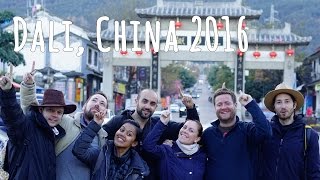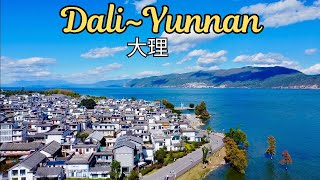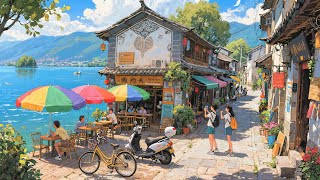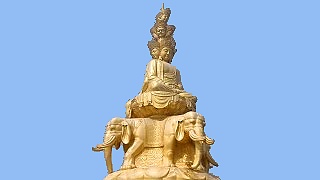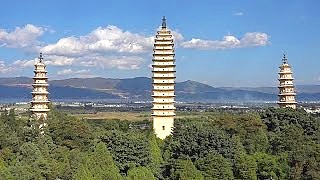
The Three Pagodas of ChongSheng Temple 崇圣寺三塔, DaLi, YunNan

[640],shadow=true,start=,stop=

Dali, located in Yunnan Province in southwestern China, is a charming and culturally rich destination that attracts visitors with its stunning natural scenery, ancient history, and vibrant local culture. Here's a guide for visitors to Dali:

Historical and Cultural Significance:
Ancient City: Dali Ancient City, also known as Dali Old Town, is a well-preserved historical town that dates back over 1,000 years. It served as the capital of the Kingdom of Dali during the Tang Dynasty and later as an important trading post on the ancient Tea Horse Road.

Bai Minority Culture: Dali is home to the Bai ethnic minority, whose unique culture and traditions are evident throughout the region. Visitors can explore Bai villages, interact with locals, and learn about their traditional customs, architecture, and craftsmanship.

Top Attractions:
Erhai Lake: One of Dali's most iconic natural attractions is Erhai Lake, a vast freshwater lake surrounded by picturesque landscapes. Visitors can take boat cruises on the lake, cycle along its shores, or hike to viewpoints for panoramic views of the water and surrounding mountains.

Three Pagodas of Chongsheng Temple: Located just outside Dali Ancient City, the Three Pagodas are iconic symbols of the region and date back to the Tang Dynasty. The pagodas are set against the backdrop of Cangshan Mountain and are surrounded by lush gardens and temples.

Cangshan Mountain: Cangshan Mountain is a scenic mountain range that towers over Dali and offers numerous hiking trails, scenic viewpoints, and opportunities for outdoor adventure. Visitors can hike to waterfalls, explore alpine meadows, and enjoy panoramic views of the valley below.

Xizhou Ancient Town: Xizhou Ancient Town is another well-preserved historical town near Dali, known for its traditional Bai architecture, historic courtyards, and vibrant market streets. Visitors can wander through the town's narrow alleyways, visit ancient temples, and sample local delicacies.

Cultural Experiences:
Bai Architecture: Explore the distinctive Bai architecture found throughout Dali, characterized by white-washed walls, gray tiled roofs, and intricately carved wooden decorations. Visitors can tour traditional Bai homes, visit ancient temples, and learn about local building techniques.

Cultural Performances: Experience traditional Bai music, dance, and theater performances at local venues and cultural centers in Dali. These performances often showcase traditional costumes, musical instruments, and storytelling techniques unique to the Bai culture.

Practical Tips:
Weather: Dali enjoys a mild climate year-round, but the best time to visit is during the spring (March to May) and autumn (September to November) when the weather is most pleasant and the landscapes are lush and green.

Transportation: Getting around Dali is convenient with its network of buses, taxis, and bicycles. Many attractions are within walking distance of Dali Ancient City, while others can be reached by public transportation or organized tours.

Accommodation: Dali offers a range of accommodation options, including boutique hotels, guesthouses, and traditional courtyard homes. Staying in Dali Ancient City allows visitors to immerse themselves in the town's historic atmosphere and vibrant culture.

Dali offers a captivating blend of natural beauty, cultural heritage, and traditional charm, making it an enchanting destination for visitors seeking to explore the treasures of Yunnan Province. Whether hiking in the mountains, wandering through ancient towns, or immersing oneself in local culture, Dali has something to offer for every traveler.
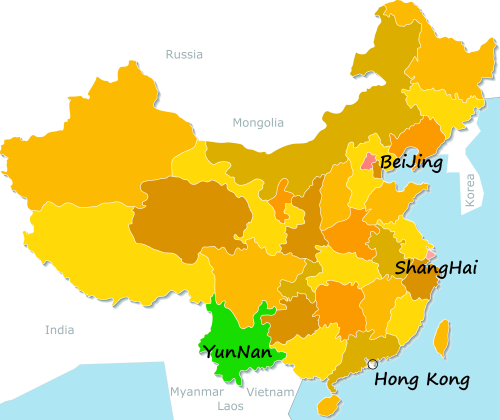
YunNan map

Related Videos


Featured Videos

A journey through China 中国 – feature length
BeiJing, Xi'An and ShangHai. A feature-length film. With Dennis Hurd ...
Won’t get fooled again – Sina Drums / The Who
Meet the new boss (puppet); Same as the old boss (puppet). Don't get fooled again ! Hegemony and colonialism - nothing really changed - so let's see it for what it is. It is not going to go away until we all stand up to stop this evil. See behind the smokescreen / curtain / narrative ...
QuanZhou city, FuJian province
With Seiu Travel ...
EnShi PingShan Grand Canyon, HuBei province
With Beijing Old Liu ... Welcome to Enshi Pingshan Grand Canyon Introduction Top Attractions Activities Local Culture Local Cuisine Visitor Tips Getting There Introduction Enshi Pingshan Grand Canyon, located in Enshi Tujia and Miao Autonomous Prefecture in HuBei Province, is a breathtaking natural wonder known for its dramatic karst landscapes, towering cliffs, deep gorges, and pristine rivers. Often referred to as "China's Grand Canyon," this stunning destination offers a unique combination of natural beauty and cultural richness, making it a must-visit location for nature lovers and adventurers alike. The canyon stretches for about 108 kilometers and is carved out by the Qingjiang River, creating a series of spectacular geological formations over millions of years. Enshi Pingshan Grand Canyon is a part of the Enshi National Geological Park and is recognized for its scenic beauty and ecological diversity. Top Attractions Pingshan Gorge The Pingshan Gorge is the centerpiece of the Enshi Pingshan Grand Canyon. It features sheer cliffs that rise dramatically from the Qingjiang River, creating a narrow gorge that is both awe-inspiring and serene. Visitors can take a boat ride through the gorge to fully appreciate its towering rock formations, clear waters, and lush vegetation. Qingjiang River The Qingjiang River, known as the "Mother River" of the Enshi region, winds its way through the canyon, offering stunning views of the surrounding karst landscape. The river is renowned for its emerald green waters, which contrast beautifully with the steep cliffs and dense forests along its banks. The river is perfect for leisurely boat trips or more adventurous white-water rafting. Yunlong Ground Crack One of the most unique geological features of the Enshi Pingshan Grand Canyon is the Yunlong Ground Crack. This deep fissure in the earth's surface is more than 3 kilometers long and varies in width, creating a dramatic and almost otherworldly landscape. Visitors can walk along the edge of the crack and peer into its depths, offering a thrilling experience for geology enthusiasts and adventure seekers. Qingjiang Ancient Town Qingjiang Ancient Town, located near the canyon, is a beautifully preserved historic town that offers a glimpse into the region’s rich cultural heritage. The town is home to traditional Tujia and Miao architecture, ancient temples, and vibrant markets. It’s an ideal place to experience the local culture and enjoy traditional performances, handicrafts, and cuisine. Activities Boat Rides: Explore the stunning Pingshan Gorge by taking a boat ride along the Qingjiang River. This serene journey allows you to fully appreciate the towering cliffs, emerald waters, and lush greenery that make this canyon so special. Hiking: The Enshi Pingshan Grand Canyon offers numerous hiking trails that wind through its rugged terrain. Whether you're looking for a challenging climb or a leisurely walk, there are trails for all levels, each offering breathtaking views of the canyon. Rafting: For the more adventurous, white-water rafting on the Qingjiang River is a thrilling way to experience the canyon’s natural beauty. The river's rapids vary in intensity, providing excitement for both beginners and seasoned rafters. Photography: With its dramatic landscapes, the Enshi Pingshan Grand Canyon is a paradise for photographers. The play of light and shadow on the cliffs, the reflection of the mountains in the river, and the vibrant colors of the vegetation make for stunning photographs. Local Culture The Enshi region is home to the Tujia and Miao ethnic minorities, both of which have rich cultural traditions that are still very much alive today. Visitors to the Enshi Pingshan Grand Canyon have the opportunity to experience these unique cultures firsthand. The Tujia people are known for their distinctive folk songs, dances, and Baishou Dance, a traditional group dance that is often performed during festivals. The Miao people, on the other hand, are famous for their intricate silver jewelry, colorful traditional costumes, and lively music. Local festivals, such as the Tujia New Year and the Miao Sisters' Meal Festival, offer a vibrant display of the region's cultural heritage, with traditional performances, parades, and feasts that are a delight to witness. Local Cuisine The cuisine of the Enshi region is heavily influenced by the Tujia and Miao ethnic groups, offering a unique blend of flavors and ingredients. Some must-try dishes include: Tujia Bacon: A local specialty, Tujia bacon is smoked over a wood fire, giving it a rich, smoky flavor. It's often served with vegetables or used as a flavoring in soups and stews. Sanxia Fish: Freshwater fish from the Qingjiang River, prepared in a variety of ways, including grilling, steaming, and stewing. The fish is known for its tender meat and delicate flavor. Enshi Green Tea: The Enshi region is famous for its green tea, which is grown in the mountains surrounding the canyon. The tea is known for its bright color, fresh aroma, and mellow taste. Maize Dishes: Corn is a staple in the local diet, and many dishes feature maize as a primary ingredient. Maize pancakes, steamed corn buns, and corn porridge are all popular dishes in the area. Pickled Vegetables: A variety of pickled vegetables are served as side dishes or snacks, providing a tangy and refreshing contrast to the richer flavors of the main dishes. Visitor Tips Best Time to Visit: The best time to visit Enshi Pingshan Grand Canyon is from April to October, when the weather is mild, and the landscape is at its most beautiful. Spring and autumn are particularly recommended for their pleasant temperatures and stunning natural scenery. Altitude: The canyon is situated at a moderate altitude, so visitors should be prepared for slightly thinner air, especially during strenuous activities. It's advisable to take it easy on the first day to acclimate. Clothing: Comfortable walking shoes and layered clothing are recommended, as temperatures can vary throughout the day. Be prepared for rain, especially in the summer months, by bringing a waterproof jacket or poncho. Safety: Always stay on designated paths and follow the guidance of local guides, especially when exploring the more rugged areas of the canyon. The terrain can be challenging, and it's important to be cautious. Respect Local Customs: When visiting the Qingjiang Ancient Town or interacting with local communities, be respectful of local customs and traditions. Always ask for permission before taking photos of people or cultural sites. Getting There The Enshi Pingshan Grand Canyon is located in Enshi Tujia and Miao Autonomous Prefecture in HuBei Province. Here are some transportation options: By Air: The nearest airport is Enshi Xujiaping Airport, which has flights to major cities such as Beijing, Shanghai, and Chengdu. From the airport, you can take a taxi or bus to reach the canyon. By Train: Enshi is well-connected by train, with regular services from major cities like Wuhan, Chongqing, and Yichang. From Enshi Railway Station, you can take a bus or taxi to the canyon. By Bus: Long-distance buses operate from nearby cities to Enshi, and local buses or taxis can take you to the canyon from the city center. By Car: If you prefer to drive, Enshi is accessible via highways from major cities in HuBei and the surrounding provinces. The scenic drive offers beautiful views of the countryside and mountains.
QianHai 前海 Lake, central BeiJing
Lotus Lane is a charming place to wander and a lively place in the evening to dine and listen to live music ... Often mis-named as HouHai, which is actually another lake immediately to the north, these lakes form part of ShiChaHai, once the docks at the northern end of the Grand Canal from HangZhou. To the south lies BeiHai and JingShan Parks and to the north, the Drum and Bell Towers; east from there lies NanLuoGuXiang, a largely pedestrianized hutong filled with craft and speciality shops and cafes.
The beautiful Temple of Heaven, BeiJing
With Beijing Old Liu ... Welcome to the Temple of Heaven Explore the ancient beauty and cultural significance of the Temple of Heaven in Beijing. Introduction The Temple of Heaven is a complex of religious buildings situated in the southeastern part of central Beijing. It is renowned for its architectural beauty and historical significance. Location The Temple of Heaven is located in the Dongcheng District of Beijing, easily accessible from various parts of the city. History The Temple of Heaven was constructed from 1406 to 1420 during the reign of the Yongle Emperor, who also oversaw the construction of the Forbidden City. The temple complex was used by the emperors of the Ming and Qing dynasties for annual ceremonies of prayer to Heaven for a good harvest. The temple complex was expanded and renovated during the reign of the Jiajing Emperor in the 16th century and again during the reign of the Qianlong Emperor in the 18th century. It was designated a UNESCO World Heritage Site in 1998. Attractions Hall of Prayer for Good Harvests: The iconic triple-gabled circular building, used by emperors to pray for good harvests. Imperial Vault of Heaven: A circular building surrounded by a smooth circular wall, famous for its Echo Wall. Circular Mound Altar: An open-air altar platform where the emperor would worship Heaven during the winter solstice. Seven Star Stones: A group of large stones with historical and cultural significance. Ancient Cypress Trees: The garden areas of the complex are home to many ancient cypress trees, some over 600 years old. Activities Historical Tours Cultural Performances Photography Guided Walks Seasonal Festivals and Events Facilities Visitor Center Restrooms Gift Shops Cafes and Restaurants Parking Lots Wheelchair Access Visitor Tips Wear comfortable walking shoes. Bring water and snacks, especially if you plan to stay for several hours. Visit early in the morning or late in the afternoon to avoid crowds. Check the weather forecast and dress appropriately. Respect the cultural significance of the site; behave appropriately and follow all rules and guidelines.
Millet porridge and chrysanthemum tea  (wild chrysanthemum flowers 菊花 JúHuā)
漫山遍野的野菊花 真惹人喜歡,摘回來做成小米菊花粥和菊花茶
Lessons learned from time in China – success
With Expat Adventuring in Asia ... "Living in China completely transformed my understanding of success in ways I never expected. From the importance of community and family values to the relentless work ethic and long-term thinking ingrained in the culture, my time there opened my eyes to a whole new perspective. In this video, I’ll share the mind-blowing lessons I learned about ambition, resilience, and what it truly means to achieve success—lessons that changed the way I approach life and goals. Whether you're curious about Chinese culture or looking for fresh inspiration, this is a story you won’t want to miss!"
Discover ShiJiaZhuang 石家庄, capital of HeBei province
HeBei province more or less surrounds BeiJing municipality. ShiJiaZhuang lies about 260 kilometres (160 miles) south-west of BeiJing city.

Tag search ?