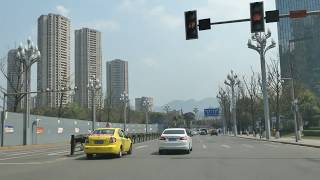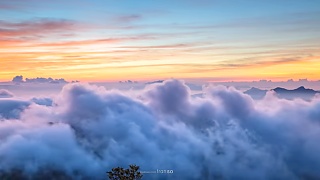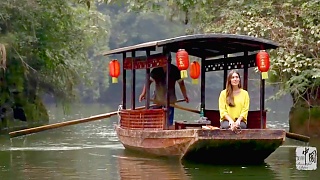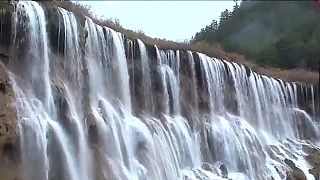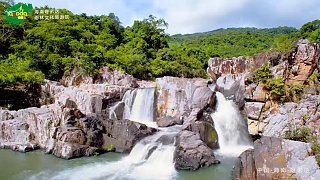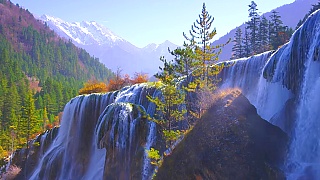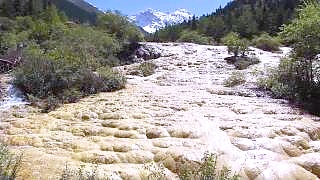
The Three Natural Bridges 天生三桥 of WuLong County, ChongQing

A great day out in splendid scenery ...

Part of the movie Curse of the Golden Flower was filmed here.


The scenic area is about two and a half hours from the city of ChongQing by bus and is a UNESCO World Heritage Site.


[640],shadow=true,start=,stop=

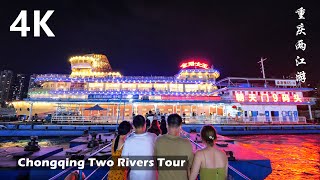
Chongqing, often referred to as the 'Mountain City', is a vibrant metropolis located in southwestern China. It's a fascinating destination for tourists, offering a unique blend of natural beauty, rich cultural heritage, and modern urban development. Here's a guide for tourists visiting Chongqing:

City Highlights:
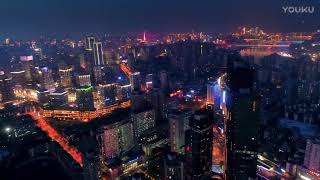
Geographical Features: Chongqing is renowned for its dramatic landscape, characterized by steep hills, towering skyscrapers, and the confluence of the Yangtze and Jialing rivers. The city's hilly terrain gives it a distinctive skyline and adds to its scenic beauty.

Three Gorges: As a gateway to the Three Gorges region, Chongqing serves as the starting point for Yangtze River cruises. Tourists can embark on cruises that traverse the picturesque Three Gorges, including Qutang Gorge, Wu Gorge, and Xiling Gorge, while experiencing the breathtaking scenery along the way.

Cultural Heritage: Chongqing boasts a rich cultural heritage with historical sites, temples, and museums that showcase its long history and cultural diversity. Must-visit attractions include the Dazu Rock Carvings, a UNESCO World Heritage site featuring intricate Buddhist sculptures, and the Three Gorges Museum, which offers insights into the region's natural and cultural history.

Culinary Delights: Chongqing is famous for its spicy Sichuan cuisine, particularly hotpot, a popular dish enjoyed by locals and visitors alike. Tourists can sample authentic Chongqing hotpot at local restaurants and street food stalls, savoring the bold flavors and fiery spices that characterize the region's cuisine.

Attractions and Activities:
Hongya Cave: This iconic riverside complex in downtown Chongqing features traditional architecture, colorful lights, and a bustling marketplace. Visitors can explore the labyrinthine alleyways, shop for souvenirs, and enjoy panoramic views of the Yangtze River from the elevated walkways.

Ciqikou Ancient Town: Nestled along the banks of the Jialing River, Ciqikou Ancient Town is a well-preserved historic district known for its Ming and Qing Dynasty architecture, charming tea houses, and artisan shops. It's a great place to stroll, shop for handicrafts, and sample local snacks.

Jiefangbei Pedestrian Street: As the commercial heart of Chongqing, Jiefangbei Pedestrian Street is a bustling shopping and entertainment district lined with shops, malls, theaters, and restaurants. It's a vibrant area to explore, especially at night when the neon lights illuminate the streets.

Wulong Karst Landscape: Located about 3 hours' drive from Chongqing, the Wulong Karst Landscape is a UNESCO World Heritage site renowned for its stunning karst formations, natural bridges, and caves. Visitors can hike, explore underground caverns, and admire the breathtaking scenery of this geological wonderland.

Practical Tips:
Transportation: Getting around Chongqing is convenient with its extensive public transportation network, including buses, taxis, and the Chongqing Metro. Cable cars and escalators also provide access to the city's hilly terrain.

Weather: Chongqing has a subtropical climate with hot summers and mild winters. Summer temperatures can be sweltering, so it's advisable to dress accordingly and stay hydrated.

Language: Mandarin Chinese is the official language spoken in Chongqing, although the local Chongqing dialect is also prevalent. It's helpful to carry a phrasebook or translator app, especially if you're not fluent in Mandarin.

Chongqing offers a captivating blend of natural beauty, cultural heritage, and modern urban life, making it an exciting destination for tourists seeking to explore the diverse landscapes and rich cultural heritage of southwestern China.
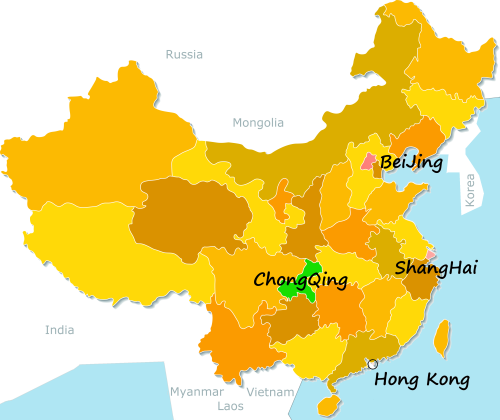

ChongQing map

Related Videos


Featured Videos

A guide to the magnificent Forbidden City (Palace Museum) in BeiJing
With Lulu's Daily In China ... Welcome to the Forbidden City Explore the imperial palace and ancient architecture of the Forbidden City in Beijing. Introduction The Forbidden City, also known as the Palace Museum, is a vast imperial palace complex in Beijing, China. It served as the home of emperors and their households, as well as the ceremonial and political center of the Chinese government for almost 500 years. Location The Forbidden City is located in the Dongcheng District in the heart of Beijing, directly north of Tiananmen Square. History The construction of the Forbidden City began in 1406 and was completed in 1420. It was the Chinese imperial palace from the Ming dynasty to the end of the Qing dynasty, housing 24 emperors. The complex covers 72 hectares (178 acres) and consists of 980 surviving buildings with 8,886 rooms. In 1925, the Forbidden City was transformed into the Palace Museum, showcasing extensive collections of artwork and artifacts from the imperial collections of the Ming and Qing dynasties. It was designated a UNESCO World Heritage Site in 1987. Attractions Meridian Gate (Wu Men): The main entrance to the Forbidden City, known for its grand architecture and historical significance. Hall of Supreme Harmony (Taihe Dian): The largest hall in the Forbidden City, used for major ceremonial occasions. Hall of Central Harmony (Zhonghe Dian): A smaller, intimate hall where the emperor prepared and rested before ceremonies. Hall of Preserving Harmony (Baohe Dian): Used for banquets and later for imperial examinations. Palace of Heavenly Purity (Qianqing Gong): The emperor's residence, representing his supreme authority. Hall of Union (Jiaotai Dian): A hall connecting the emperor's and empress's palaces, symbolizing their union. Palace of Earthly Tranquility (Kunning Gong): The residence of the empress and the site for imperial weddings. Imperial Garden: A serene garden area with ancient trees, rockeries, and pavilions, used by the imperial family for leisure. Clock and Watch Gallery: Displays a vast collection of timepieces from the imperial collection. Treasure Gallery: Houses valuable artifacts, including jade, gold, and other treasures from the imperial era. Activities Exploring historical buildings and courtyards Visiting museum exhibitions Photography Participating in guided tours Attending cultural performances and events Facilities Visitor Center Restrooms Gift Shops Cafes and Restaurants Parking Lots Audio Guide Rentals Guided Tour Services Visitor Tips Wear comfortable walking shoes. Bring water and snacks, especially if you plan to stay for several hours. Visit early in the morning or late in the afternoon to avoid crowds. Check the weather forecast and dress appropriately. Respect the cultural and historical significance of the site; behave appropriately and follow all rules and guidelines. Plan your visit to include the main attractions and leave time for exploring lesser-known areas.
A walk through DaLi ancient town, YunNan province
With Walk China ...
Real democracy – government by, for, and of the people
The true measure is : does the government work for the people, or vice versa. Is it a sham / illusion / deception 'democracy' - elections, where one is forced to choose between elite factions, that are basically the same ideology? 'Pick a card, any card ...' Or is there a better way based on merit and that is bottom up - a system that truly responds to, and cares for, the people? With Jerry's Take on China ... In China, the people are family. In the West, the people are livestock. -- Recently, out of the hundreds of countries in the world, three decided to suicide, to serve their puppet masters : the Philippines, Argentina and Italy. Will Taiwan (not a country) be next? Are they Chinese or just fodder on a US missile base ??? -- China has defended itself (hence the Great Wall), but never been expansionist ... YT comment : George-rj4fj : "They who point fingers at China, failed to notice the huge expansionism of the Euro-Caucasians throughout the world so that some 2/3 of the world speaks not only English and Spanish but have also been forced into adopting Western cultures, religion, history and clothing. Talk about "cultural genocide"! They who accuses China of "expansionism" are also ignorant of history. Mongolia and Manchuria became part of China not from Chinese Han expansionism of conquest but because China was conquered by the Mongols and the Manchus and became part of THEIR empires. So too did Tibet when it ran wars into China in an expanding of the Tibetan Empire - and was defeated and absorbed in turn. Chinese culture is an amalgamation of all the different cultures that were absorbed into the greater Chinese diaspora. They who do not know history and are content in creating their own versions from western propaganda make themselves foolish by opening their mouths on topical subjects that they have absolutely no idea about." Bonus film - Jerry Grey in conversation with Ben Norton ... With Reports on China ...
This is LuoYang 洛阳, HeNan province …
LuoYang is one of the Four Great Ancient Capitals of China. The LuoYang Museum features ancient relics dating back to the Xia, Shang, and Zhou dynasties. The LongMen Grottoes, south of the city, is a UNESCO World Heritage Site. GuanLin, a series of temples built in honor of Guan Yu, a hero of the Three Kingdoms period, and the White Horse Temple are also nearby. LuoYang is famed for its Water Banquet, which consists of 8 cold and 16 warm dishes all cooked in various broths, sauces or juices.
Cycling from ShangHai to Europe
With Josh Reid ...
Walking the grasslands of Inner Mongolia, China
New ShangHai mall
My BeiJing 北京
The film 'My Beijing', plus one from Sticker Travel ...
A night-time sail along the HaiHe river through TianJin 天津
TianJin lies east of Beijing on the coast. One of the most vibrant places in China. Just 30 minutes from Beijing by high-speed rail. Take a gentle sail through beautifully lit TianJin ...

Tag search ?