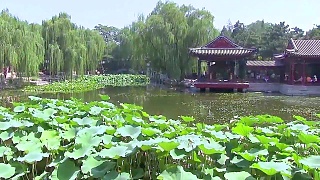
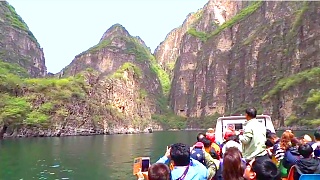
The LiangMa River, by the east third ring road, BeiJing

With Beijing Old Liu ...

[640],shadow=true,start=,stop=

Beijing, the capital city of China, is a vibrant metropolis steeped in history, culture, and modernity. Here's a brief overview of what you can expect as a tourist in Beijing:

Historical Landmarks:
The Great Wall of China: One of the most iconic structures in the world, the Great Wall is easily accessible from Beijing. Mutianyu and Badaling sections are popular among tourists.

Forbidden City (Palace Museum): A UNESCO World Heritage Site, this vast imperial palace complex was home to Chinese emperors for over 500 years. It houses numerous halls, courtyards, and historical artifacts.

Temple of Heaven: A masterpiece of Chinese architecture, this ancient temple complex served as a place of worship for emperors to pray for good harvests.

Summer Palace: A stunning ensemble of lakes, gardens, and palaces, the Summer Palace served as a retreat for emperors during the Qing dynasty.

Tiananmen Square: One of the largest city squares in the world, Tiananmen Square is flanked by important landmarks such as the Monument to the People's Heroes, the Great Hall of the People, and the Mausoleum of Mao Zedong.

Cultural Sites:
Beijing Hutongs: Explore the narrow alleyways and traditional courtyard residences of Beijing's historic neighborhoods. You can take a rickshaw tour or simply wander around on foot.

Beijing Opera: Experience traditional Chinese opera performances at venues like the Liyuan Theater or the Chang'an Grand Theatre.

798 Art District: A hub of contemporary art and culture, this former industrial area is now home to numerous galleries, studios, and cafes.

Modern Attractions:
Olympic Park: Visit iconic structures such as the Bird's Nest (National Stadium) and the Water Cube (National Aquatics Center) from the 2008 Beijing Olympics.

CBD (Central Business District): Marvel at the futuristic skyline of Beijing's modern business district, which includes landmarks like the CCTV Headquarters and the China World Trade Center Tower III.

Culinary Delights:
Peking Duck: Indulge in Beijing's most famous dish, crispy roast duck served with pancakes, scallions, and hoisin sauce.

Street Food: Explore the city's vibrant street food scene and sample local delicacies like jianbing (savory crepes), lamb skewers, and dumplings.

Practical Tips:
Transportation: Beijing has an extensive public transportation system, including the subway, buses, and taxis. However, traffic can be heavy, so plan your travels accordingly.

Language: While English is not widely spoken, especially outside tourist areas, many signs and transportation announcements are in English. It's helpful to carry a translation app or a phrasebook.

Weather: Beijing experiences four distinct seasons, with hot summers and cold winters. The best times to visit are spring (April to June) and autumn (September to October) when the weather is mild and comfortable.

Etiquette: Respect local customs and traditions, such as removing your shoes before entering someone's home and using both hands to pass or receive items.

Beijing offers a rich tapestry of experiences for tourists, blending ancient heritage with modern innovations. Whether you're fascinated by history, culture, or culinary delights, there's something for everyone in this dynamic city.

Related Videos


Featured Videos

All about Chinese New Year 中国新年
A wide variety of beautiful music from many locations plus informational films on the Chinese New Year. Don't miss it ...
The awesome People’s Park, Kashgar, XinJiang
With Walk For You ...
Climbing Mount HuaShan 华山
Filmed in August 2010. Includes the famous 'plank walk' at the end; this is perched precariously on a cliff face that is well over 1000m above the valley below, in a sheer drop. The plank walk is on the east peak, which is about a 15km walk / climb from the north peak. HuaShan ('Flower Mountain', or 'Splendid Mountain') lies in southern ShaanXi province, about 120km east of Xi'An; it is one of the five sacred Taoist mountains, with four main peaks. There are hiking trails to all four peaks and a cable car to the north peak. The south peak is highest at 2155 meters. There are a number of hotels and hostels around the base.
Planning war on China – part 28
If Afghans are starving, it's not because of the Taliban; it's because of Western sanctions; disinfo / crocodile tears ...
Memories of summer in BeiJing 北京
The blue sky city ... Filmed by : * Summer Palace - pavdb092 * Birds Nest National Stadium - Christopher Covington * QianHai Lake - linditlife * Temple of Heaven - Wen Gui Claassen Remastered by : bjkina Birds Nest music from the Beijing 2008 Paralympics Opening Ceremony - 'Letter to the Future'.
Exploring JiNan, provincial capital city of ShanDong – night and day
With China Walking Tour ... Visitor Guide to JiNan, ShanDong Province Overview JiNan, the capital city of ShanDong Province, is known for its natural springs, rich history, and vibrant culture. Often referred to as the "City of Springs," JiNan is a blend of historical landmarks and modern development, making it a fascinating destination for travelers. Getting There By Air: JiNan Yaoqiang International Airport (TNA) is located about 33 kilometers northeast of the city center. It offers both domestic and international flights. You can take an airport shuttle bus, taxi, or the JiNan Metro to reach the city center. By Train: JiNan is a major railway hub with two main stations: JiNan Railway Station and JiNan West Railway Station. Both stations offer high-speed rail connections to major cities like BeiJing, ShangHai, and Xi’an. By Bus: Long-distance buses connect JiNan to various cities in ShanDong Province and beyond. The main bus stations are JiNan Long-Distance Bus Terminal and JiNan East Bus Station. Getting Around Public Transport: JiNan has an extensive bus network and a growing metro system. The metro is convenient for getting around the city quickly. Taxis: Taxis are readily available and relatively inexpensive. Ensure the driver uses the meter or agree on a fare beforehand. Biking: Bike-sharing services are popular and convenient for short trips around the city. Main Attractions Baotu Spring Park Baotu Spring Park is one of JiNan's most famous attractions, known for its clear and gushing springs. The park is a beautiful place to relax and enjoy the natural scenery, traditional pavilions, and cultural performances. Daming Lake Daming Lake is a large natural lake in the heart of JiNan, surrounded by lush gardens, ancient pavilions, and historic temples. It is a popular spot for boating, picnicking, and enjoying the serene environment. Thousand Buddha Mountain (Qianfo Shan) This mountain is famous for its ancient Buddhist statues and temples. Visitors can hike to the top for a panoramic view of the city or explore the many caves and carvings along the way. ShanDong Provincial Museum ShanDong Provincial Museum houses a vast collection of cultural relics, historical artifacts, and natural exhibits. It offers a comprehensive overview of ShanDong's history and culture. Black Tiger Spring Black Tiger Spring is another renowned spring in JiNan, known for its powerful jets of water that resemble a tiger's roar. The spring is located in a scenic park with beautiful landscaping and walking paths. Local Cuisine JiNan's cuisine is characterized by its use of fresh ingredients and traditional cooking techniques. Here are some must-try dishes: JiNan Roast Duck: A local specialty, this roast duck is known for its crispy skin and tender meat, served with pancakes and hoisin sauce. Sweet and Sour Carp: Fresh carp from Daming Lake, prepared in a tangy and sweet sauce, is a signature dish of JiNan. JiNan Noodles: These hand-pulled noodles are often served with a variety of toppings, including meat, vegetables, and spicy sauces. Fried Dumplings: Crispy on the outside and juicy on the inside, JiNan's fried dumplings are a popular street food. Shopping Furong Street: A bustling pedestrian street lined with shops, street food vendors, and souvenir stalls. It's a great place to try local snacks and buy traditional crafts. Quancheng Road: One of JiNan's main shopping streets, offering a mix of modern malls, boutique shops, and local markets. JiNan Wanda Plaza: A large shopping mall with a variety of international and domestic brands, restaurants, and entertainment options. Accommodation Luxury Hotels: For a high-end stay, consider hotels like the Shangri-La Hotel JiNan or the Hyatt Regency JiNan, both offering excellent amenities and service. Mid-Range Hotels: Options such as the Sofitel JiNan Silver Plaza and Holiday Inn JiNan City Center provide comfortable accommodations at reasonable prices. Budget Hotels: For budget travelers, hostels and budget hotels like the JiNan Blue Horizon Hotel offer affordable and convenient lodging. Tips for Visitors Best Time to Visit: The best times to visit JiNan are spring (April to June) and autumn (September to November) when the weather is mild and pleasant. Clothing: Wear comfortable walking shoes and dress in layers to accommodate changing temperatures. An umbrella or raincoat is useful during the rainy season. Respect Local Customs: Be respectful of local customs and traditions. Dress modestly and be mindful of local etiquette, especially when visiting historical and cultural sites. Language: While Mandarin is widely spoken, learning a few basic phrases or using a translation app can be very helpful. Plan Your Visit: JiNan is best explored at a leisurely pace. Take your time to wander through the parks, visit local shops, and enjoy the tranquil atmosphere. Conclusion JiNan, with its rich history, vibrant culture, and stunning natural springs, offers a unique and memorable travel experience. Whether you're exploring ancient temples, savoring the local cuisine, or strolling along the scenic lakes and springs, JiNan provides an unforgettable experience. Plan your visit carefully to make the most of your trip to this fascinating city in ShanDong Province.
LiJiang visitor guide, YunNan province
With Sun Kissed Bucket List ... Lijiang Visitor Guide Lijiang, in northwest Yunnan Province, is one of China's most scenic and culturally rich towns. Famous for its ancient town, UNESCO World Heritage Site status, and the surrounding natural beauty, Lijiang offers travelers a mix of historical exploration and outdoor adventure. The town is home to the Naxi ethnic group and features cobblestone streets, flowing canals, and traditional wooden houses, making it a must-visit destination. Overview Location: Lijiang is located in Yunnan Province, about 150 kilometers from Dali and 500 kilometers from Kunming. Famous For: Lijiang Old Town, Jade Dragon Snow Mountain, Naxi culture, and outdoor adventure opportunities. Getting There From Kunming: You can fly directly to Lijiang Sanyi Airport (1-hour flight) or take an overnight train (8-9 hours). From Dali: A bus or train ride from Dali to Lijiang takes about 2-3 hours. Best Time to Visit: The best months to visit Lijiang are from March to May and September to November when the weather is mild and dry. Top Attractions in Lijiang Lijiang Old Town (Dayan Ancient Town): A UNESCO World Heritage Site, Lijiang Old Town is known for its well-preserved ancient buildings, narrow stone streets, and vibrant Naxi culture. You’ll find traditional wooden houses, small canals flowing through the town, and plenty of small shops and restaurants. Mu's Residence (Mu Fu): This grand residence was the home of the Mu family, who ruled Lijiang for centuries. The residence is a fine example of Ming Dynasty architecture combined with Naxi design. Climb to the top for panoramic views of the Old Town. Jade Dragon Snow Mountain (Yulong Xueshan): A towering mountain range just outside Lijiang, Jade Dragon Snow Mountain is perfect for hiking, cable car rides, and stunning glacier views. The mountain is sacred to the Naxi people and a symbol of their culture. Black Dragon Pool (Heilongtan Park): Located just outside Lijiang Old Town, this park offers a peaceful retreat with a beautiful view of Jade Dragon Snow Mountain reflected in the lake. It's a popular spot for photographers and nature lovers. Shuhe Ancient Town: A smaller, quieter ancient town about 4 kilometers from Lijiang Old Town. Shuhe offers a more relaxed experience with fewer crowds, featuring similar architecture and charm. Cultural Experiences Naxi Culture: Lijiang is home to the Naxi ethnic group, who have a rich cultural heritage. Visit the Dongba Cultural Museum to learn about the Naxi language, religion, and customs. You can also witness traditional Naxi music performances at various venues around town. Naxi Ancient Music: This unique musical form dates back to the Tang and Song dynasties. A performance of Naxi ancient music is a great way to experience the traditional sounds of the region, often accompanied by cultural storytelling. Local Delicacies Lijiang Baba (丽江粑粑): A thick, crispy pancake made with wheat flour and stuffed with either savory or sweet fillings. This local snack can be found in street markets and small restaurants throughout Lijiang. Sanyue Rice Noodles (三月丽江米线): A popular rice noodle dish typically served with a spicy broth, pork or beef, and fresh herbs. Naxi BBQ: Grilled meats and vegetables, served with local spices and dipping sauces. It’s a common street food, especially in Shuhe Ancient Town. Butter Tea (酥油茶): A staple among the Naxi and Tibetan people in the region, butter tea is a rich, savory drink made from tea leaves, yak butter, and salt. Rose Petal Cake (玫瑰饼, méiguī bǐng): Similar to XiZhou, Lijiang also features the famous rose petal cake. It's a delicately sweet pastry filled with locally sourced rose jam, and it's a popular souvenir for visitors. Where to Stay Local Guesthouses: Lijiang has many family-run guesthouses located within the Old Town, offering traditional architecture and a cozy atmosphere. These are ideal for an authentic cultural experience. Boutique Hotels: For a more luxurious stay, boutique hotels with modern amenities are also available, often featuring beautiful views of the mountains or the Old Town. Tips for Visitors Language: Mandarin Chinese is spoken by most people, but the local Naxi dialect is also common. English is not widely spoken, so it’s helpful to have a translation app or basic Mandarin phrases. Respect Local Customs: When visiting religious sites or interacting with locals, be respectful of their customs. Dress modestly, especially when entering temples or Naxi family homes. Shopping: Lijiang is known for its handcrafted silverware, Naxi embroidery, and traditional wood carvings. Support local artisans by purchasing souvenirs from the local shops or markets. Nearby Attractions Tiger Leaping Gorge: One of the deepest gorges in the world, Tiger Leaping Gorge is a popular trekking destination about 60 kilometers from Lijiang. The hike offers dramatic views of the gorge and the Jinsha River below. Baisha Village: An ancient Naxi village about 10 kilometers from Lijiang. It’s famous for its ancient murals, which depict scenes from Naxi mythology and daily life. The village is much quieter than Lijiang, making it a peaceful side trip. Conclusion Lijiang is a destination that seamlessly blends cultural heritage with breathtaking natural landscapes. Whether you’re exploring the ancient streets of Lijiang Old Town, hiking the trails of Jade Dragon Snow Mountain, or learning about the unique Naxi culture, Lijiang offers something for every traveler. Plan your visit carefully to experience the best of both worlds—ancient history and outdoor adventure.
EMei Shan 峨眉山, SiChuan province, in Ultra HD / 4K
Emei Shan (Emei Mountain, 3,099 m / 10,167 ft) is one of the four Chinese Buddhist sacred mountains. Emei Shan is a UNESCO World Heritage Site (together with the nearby LeShan Giant Buddha) as "an area of exceptional cultural significance as it is the place where Buddhism first became established on Chinese territory ... The first Buddhist temple in China was built on the summit of Mount Emei in the 1st century CE ... Mount Emei is also notable for its exceptionally diverse vegetation, ranging from subtropical to sub-alpine pine forests. Some of the trees there are more than 1,000 years old." Included in this beautiful film : the summit of Mount Emei, WanNian Si Temple, QingYin Ge and BaoGuo Si Temple.
The awesomely beautiful HuangShan Mountain 黃山  Don’t miss it
HuangShan lies in AnHui province, east China, to the west of HangZhou.

Tag search ?