The DaMing Palace of the Tang dynasty 唐朝大明宫 – documentary

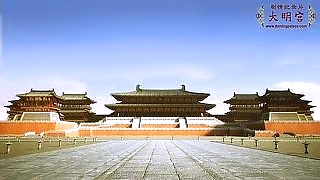
The DaMing Palace, 'Palace of Great Brilliance', was the imperial palace complex of the Tang dynasty (618 - 907 AD), located in its capital Chang'An.

This palace served as the residence of the Tang emperors for more than 220 years. Today, it is designated as a National Heritage Site. The area of the remains is located northeast of Xi'An, ShaanXi province.

[640],shadow=true,start=,stop=

Xi'an, located in the heart of Shaanxi Province in northwest China, is one of the oldest cities in China and served as the capital for numerous dynasties, including the Qin, Han, and Tang. Renowned for its rich history, cultural heritage, and iconic landmarks, Xi'an is a must-visit destination for tourists. Here's a guide for tourists visiting Xi'an:

Historical and Cultural Significance:
Ancient Capital: Xi'an served as the capital of China for over 13 dynasties and played a crucial role in shaping Chinese history and civilization. It was the starting point of the ancient Silk Road, facilitating trade and cultural exchange between China and the West.

Terracotta Army: One of Xi'an's most famous attractions is the Terracotta Army, a vast collection of life-sized terracotta sculptures depicting the armies of Qin Shi Huang, the first Emperor of China. Discovered in 1974, the Terracotta Army is a UNESCO World Heritage site and a symbol of China's rich cultural heritage.

Top Attractions:
Terracotta Army Museum: Located about 30 kilometers east of Xi'an, the Terracotta Army Museum is home to thousands of intricately crafted terracotta warriors, horses, and chariots. Visitors can explore the excavation pits, marvel at the craftsmanship, and learn about the history of the Qin Dynasty.

Ancient City Wall: Xi'an is renowned for its well-preserved ancient city wall, which dates back to the Ming Dynasty. Stretching over 13 kilometers in length, the wall offers panoramic views of the city and is a popular spot for walking, cycling, and sightseeing.

Muslim Quarter: Explore the vibrant Muslim Quarter, located near the Drum Tower and Great Mosque of Xi'an. This bustling neighborhood is known for its lively street markets, traditional Islamic architecture, and delicious street food, including lamb skewers, roujiamo (Chinese hamburger), and hand-pulled noodles.

Big Wild Goose Pagoda: Built during the Tang Dynasty, the Big Wild Goose Pagoda is a prominent Buddhist landmark in Xi'an. Visitors can climb the pagoda for panoramic views of the city or explore the surrounding temple complex and gardens.

Shaanxi History Museum: Discover the rich history and culture of Shaanxi Province at the Shaanxi History Museum. The museum houses a vast collection of artifacts, including ancient pottery, bronze ware, jade, and Tang Dynasty murals, providing insights into the region's heritage.

Practical Tips:
Transportation: Getting around Xi'an is convenient with its extensive public transportation system, including buses, taxis, and the Xi'an Metro. Bicycle rentals are also available for exploring the city at a leisurely pace.

Weather: Xi'an has a continental climate with hot summers and cold winters. The best time to visit is during spring (April to May) and autumn (September to October) when the weather is pleasant and comfortable.

Language: Mandarin Chinese is the official language spoken in Xi'an, although English may not be widely spoken, especially in more remote areas. It's helpful to learn some basic phrases or carry a phrasebook or translation app.

Currency: The currency used in China is the Chinese Yuan (CNY). Credit cards are accepted at most hotels, restaurants, and shops in urban areas, but it's advisable to carry cash for small purchases and transactions.

Xi'an offers a fascinating blend of ancient history, cultural heritage, and modern urban life, making it an enchanting destination for tourists seeking to explore the wonders of ancient China. Whether marveling at the Terracotta Army, walking along the ancient city wall, or sampling delicious street food in the Muslim Quarter, Xi'an has something to offer for every traveler.
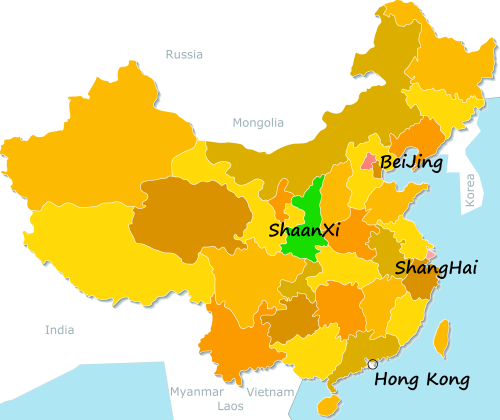
ShaanXi map

Related Videos


Featured Videos

A walk around ShangHai 上海
YuYuan Garden ... XinTianDi ... NanJing Road ... The Bund (WaiTan) ...
Good morning BeiJing !  :  BeiHai Park
With Beijing Walking ...
WuJiang village, GuiZhou
A beautiful performance at the NanJing 南京 Youth Olympics 2014
500 performers dancing in the sky ... The poster thumbnail is blurred but the video is clear : )
YiChun, JiangXi province
With Walk East ...
Ending poverty (2 / 2)
The extraordinary LongJi (Dragon’s Backbone) rice terraces, GuangXi province
With EpicGlobe Walks ... Visitor Guide to the Longji Dragon’s Backbone Rice Terraces Introduction The Longji Dragon’s Backbone Rice Terraces, Longsheng County, Guangxi Province, are one of the most breathtaking agricultural landscapes in the world. These terraces, which resemble a dragon’s scales, were first built during the Yuan Dynasty (1271–1368) and have been maintained by the local Zhuang and Yao communities for centuries. The terraces are a testament to human ingenuity and harmony with nature. Best Time to Visit The Longji Rice Terraces are stunning year-round, but the best times to visit are: Spring (April–May): The terraces are filled with water, creating a mirror-like effect that reflects the sky and surrounding mountains. Summer (June–August): The rice paddies are lush and green, offering a vibrant landscape. Autumn (September–October): The rice turns golden, creating a warm, picturesque scene. Winter (November–February): The terraces are sometimes covered in snow, offering a serene and unique view. How to Get There The Longji Rice Terraces are approximately 100 kilometers from Guilin. Here’s how to reach them: By Bus: Take a bus from Guilin Bus Station to Longsheng (about 2 hours). From Longsheng, transfer to a local bus or taxi to the terraces (another 1 hour). By Private Car: Hiring a private car or taxi from Guilin is a convenient option and takes about 2.5 hours. By Tour: Many tour operators in Guilin offer day trips to the terraces, including transportation and guided tours. Main Attractions 1. Ping’an Terraces The Ping’an Terraces are the most accessible and popular section of the Longji Rice Terraces. Highlights include: Seven Stars with Moon: A cluster of seven small rice paddies surrounding a larger one, resembling stars and the moon. Nine Dragons and Five Tigers: A scenic spot where the terraces resemble dragons and tigers. 2. Jinkeng Terraces The Jinkeng Terraces are less crowded and offer stunning views. Key spots include: Golden Buddha Peak: The highest point in the area, offering panoramic views of the terraces. Yao Minority Villages: Visit the traditional villages of the Yao people, known for their long hair customs. Activities Hiking: Explore the terraces on foot via well-marked trails. Popular routes include Ping’an to Jinkeng and vice versa. Photography: Capture the stunning landscapes, especially during sunrise and sunset. Cultural Experiences: Visit local villages to learn about the Zhuang and Yao cultures, including traditional dances and handicrafts. Tips for Visitors Wear Comfortable Shoes: The terrain is hilly and uneven, so sturdy footwear is essential. Bring Layers: The weather can change quickly, especially at higher elevations. Stay Hydrated: Carry water, especially if you plan to hike. Respect Local Customs: Be mindful of the local cultures and traditions. Cash is King: Many local vendors and small businesses do not accept credit cards. Where to Stay There are several accommodation options near the terraces, ranging from guesthouses to boutique hotels. Popular choices include: Ping’an Village: Offers a range of guesthouses with stunning terrace views. Dazhai Village: Known for its Yao culture and cozy lodgings. Conclusion The Longji Dragon’s Backbone Rice Terraces are a must-visit destination for nature lovers, photographers, and cultural enthusiasts. Whether you’re hiking through the terraces, learning about local traditions, or simply soaking in the breathtaking views, this UNESCO World Heritage Site promises an unforgettable experience.
Light show at the ShangHai Concert Hall 2021 上海音乐厅墙面立体灯光秀“光音的故事”
With Wei's Travel ...
Planning war on China – part 17
Just what is the National Endowment for Democracy (NED) - and what is it really up to ? With Brian Berletic and Angelo Giuliano / The New Atlas ... Bonus films : YChina attacked by the New York Times ... BreakThrough News talks with Tings Chak ... The West's (willing) failure to understand China's history - The Geopolitics In Conflict Show talks with Dr. Ken Hammond ... On Google ... On Palestine ... US torture horrors at Guantanamo ... On Africa and China ... On empire / colonialism (and 'world currency') ... On Cuba ... On Ukraine ... On the genocide of native Americans ... On US dystopia ... With Cyrus Janssen ...

Tag search ?