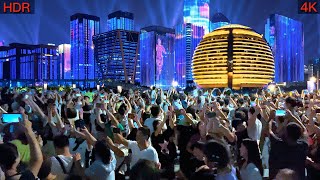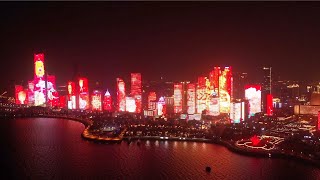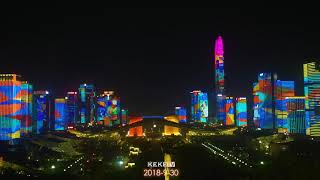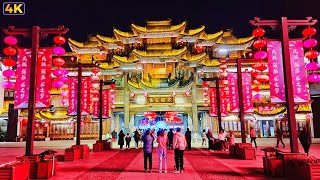
The amazing lights of HangZhou 杭州

Capital city of ZheJiang province ...

[640],shadow=true,start=,stop=
[320],shadow=true,start=,stop=
[320],shadow=true,start=,stop=
[320],shadow=true,start=,stop=
[320],shadow=true,start=,stop=

Hangzhou, located in eastern China's Zhejiang province, is renowned for its picturesque West Lake, traditional tea culture, and historic sites. Here's a guide for tourists visiting Hangzhou:

West Lake and Scenic Areas:
West Lake (Xi Hu): This UNESCO World Heritage Site is the centerpiece of Hangzhou's natural beauty, with its serene waters, pagodas, gardens, and surrounding hills. Visitors can take boat cruises, stroll along the lakeside paths, or rent bicycles to explore the area.

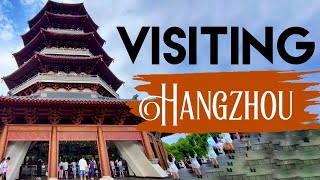
Leifeng Pagoda: Situated on the southern shore of West Lake, this historic pagoda offers panoramic views of the lake and the city skyline.

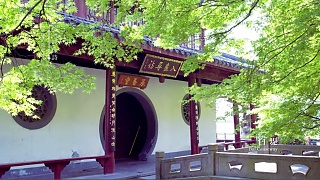
Lingyin Temple (Temple of the Soul's Retreat): One of the most important Buddhist temples in China, Lingyin Temple features ancient rock carvings, serene courtyards, and a large statue of Buddha.

Xixi Wetland Park: Explore the tranquil waterways, traditional villages, and lush greenery of this scenic wetland park, located on the outskirts of Hangzhou.

Tea Culture:
Longjing (Dragon Well) Tea Plantations: Hangzhou is famous for producing Longjing tea, one of China's most prized green teas. Visitors can tour the tea plantations in the nearby hills, learn about the tea-making process, and sample freshly brewed Longjing tea.

National Tea Museum: Learn about the history, cultivation, and cultural significance of tea in China at this informative museum located on the outskirts of Hangzhou.

Historic and Cultural Sites:
Six Harmonies Pagoda (Liuhe Pagoda): This ancient pagoda offers panoramic views of the Qiantang River and the surrounding countryside. It also houses a small museum showcasing Buddhist artifacts.

Hefang Street (Qinghefang Ancient Street): Stroll along this historic street lined with traditional shops, teahouses, and snack stalls selling local delicacies and handicrafts.

China National Silk Museum: Discover the art of silk production and the history of the silk trade in China at this museum, which features exhibits on silk weaving, dyeing techniques, and cultural artifacts.

Modern Attractions:
Hangzhou Grand Canal: Take a boat cruise along the Grand Canal, the world's longest and oldest canal, to admire the historic architecture and bustling waterfront scenes.

Hangzhou CBD (Central Business District): Explore the modern side of Hangzhou with its skyscrapers, shopping malls, and vibrant nightlife.

Practical Tips:
Transportation: Hangzhou has an extensive public transportation network, including buses, subways, and taxis. Bicycles and electric scooters are also popular options for getting around the city.

Weather: Hangzhou has a humid subtropical climate with hot, humid summers and mild, damp winters. Spring and autumn are the best times to visit when the weather is pleasant and the landscapes are at their most beautiful.

Language: Mandarin Chinese is the official language, but English may not be widely spoken outside of tourist areas. It's helpful to learn a few basic phrases or carry a translation app.

Hangzhou's blend of natural beauty, cultural heritage, and modern amenities makes it a captivating destination for tourists. Whether you're exploring historic sites, indulging in tea culture, or simply enjoying the tranquility of West Lake, Hangzhou offers a memorable experience for visitors of all interests.
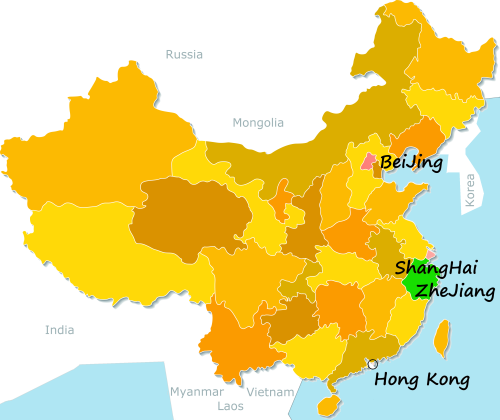
ZheJiang map

Related Videos


Featured Videos

50 places to visit in XinJiang
XinJiang: 20 Kid-Friendly Places to Visit Heavenly Lake (Tianchi) (天池 Tiānchí): A stunning alpine lake surrounded by snow-capped peaks, offering boat rides and hiking trails suitable for families. Kanas Lake (喀纳斯湖 Kānàsī Hú): A picturesque alpine lake with clear blue waters, surrounded by forests and mountains, offering boat rides and nature walks. Grasslands (草原 Cǎoyuán): Explore the vast grasslands of Xinjiang, where kids can run around freely and enjoy horseback riding and camping experiences. Gaochang Ancient City (高昌古城 Gāochāng Gǔchéng): Explore the ruins of an ancient Silk Road city, where kids can learn about history and archaeology through guided tours. Ancient City of Jiaohe (交河故城 Jiāohé Gùchéng): Discover the well-preserved ruins of an ancient desert city, offering a glimpse into Xinjiang's rich history. Taklamakan Desert (塔克拉玛干沙漠 Tǎkèlāmǎgān Shāmò): Experience the vastness of the desert landscape with camel rides and sand dune adventures suitable for adventurous kids. Turpan Grape Valley (吐鲁番葡萄沟 Tǔlǔfān Pútáogōu): Explore vineyards and orchards in this lush valley, where kids can taste fresh fruits and learn about agriculture. Karakul Lake (喀拉库勒湖 Kālākùlè Hú): Marvel at the stunning scenery of this high-altitude lake, surrounded by snow-capped mountains, offering opportunities for photography and relaxation. Xinjiang Silk Road Museum (新疆丝绸之路博物馆 Xīnjiāng Sīchóu Zhī Lù Bówùguǎn): Learn about the history and culture of the Silk Road through interactive exhibits and artifacts. Flaming Mountains (火焰山 Huǒyàn Shān): Explore the unique red sandstone formations of the Flaming Mountains, which inspired ancient legends, suitable for outdoor exploration and photography. Emin Minaret (苏公塔 Sūgōngtǎ): Admire the architectural beauty of this historic minaret, offering panoramic views of the surrounding landscape and insights into Islamic culture. Altai Mountains (阿尔泰山脉 Ā'ěrtài Shānmài): Discover the natural beauty of the Altai Mountains, where kids can enjoy hiking, wildlife spotting, and camping adventures. Bayinbuluke Grassland (巴音布鲁克草原 Bāyīnbùlǔkè Cǎoyuán): Experience the vast grasslands of Bayinbuluke, where kids can participate in horseback riding, nomadic culture experiences, and yurt stays. Hemu Village (禾木村 Hémù Cūn): Visit this picturesque village nestled in the mountains, offering opportunities for hiking, photography, and cultural immersion. Bezeklik Thousand Buddha Caves (柏孜克里千佛洞 Bózīkèlǐ Qiānfódòng): Explore ancient Buddhist caves adorned with murals and sculptures, offering insights into the region's religious history. Turpan Ancient City (吐鲁番古城 Tǔlǔfān Gǔchéng): Wander through the narrow streets and ancient ruins of Turpan's old city, where kids can imagine life in ancient times. Tianshan Tianchi National Park (天山天池国家公园 Tiānshān Tiānchí Guójiā Gōngyuán): Explore the pristine natural beauty of Tianshan Tianchi National Park, offering hiking trails, boating, and scenic vistas. Yarkant Ancient City (莎车古城 Shāchē Gǔchéng): Step back in time as you explore the ancient city of Yarkant, known for its historic mosques, markets, and traditional architecture. Shipton's Arch (希普顿拱门 Xīpǔdùn Gǒngmén): Marvel at the natural wonder of Shipton's Arch, one of the largest natural arches in the world, offering breathtaking views and hiking opportunities. Xinjiang Regional Museum (新疆维吾尔自治区博物馆 Xīnjiāng Wéiwú'ěr Zìzhìqū Bówùguǎn): Learn about Xinjiang's diverse cultures, history, and artifacts through exhibits and interactive displays suitable for families. XinJiang: 30 More Places to Visit Karakoram Highway (喀喇昆仑公路 Kālākūnlún Gōnglù): Embark on an epic road trip along one of the highest paved roads in the world, offering stunning mountain scenery and cultural encounters. Urumqi Grand Bazaar (乌鲁木齐大巴扎 Wūlǔmùqí Dàbāzhā): Explore the bustling markets of Urumqi, where kids can sample local delicacies, shop for souvenirs, and experience the vibrant atmosphere. Kizil Thousand Buddha Caves (克孜尔千佛洞 Kèzī'ěr Qiānfódòng): Marvel at the ancient Buddhist art and architecture of the Kizil Caves, known for their colorful murals and intricate carvings. Tuyoq Valley (吐峪沟 Tǔyùgōu): Discover the scenic beauty and cultural heritage of Tuyoq Valley, where kids can explore ancient ruins, visit local villages, and enjoy hiking trails. Gaochang Ruins (高昌故城 Gāochāng Gùchéng): Explore the ruins of an ancient Silk Road city, offering insights into the region's history and architecture. Xinjiang Grape Valley (新疆葡萄沟 Xīnjiāng Pútáogōu): Visit vineyards and orchards in this picturesque valley, where kids can taste fresh fruits and learn about grape cultivation. Xinjiang Regional Museum (新疆维吾尔自治区博物馆 Xīnjiāng Wéiwú'ěr Zìzhìqū Bówùguǎn): Learn about Xinjiang's diverse cultures, history, and artifacts through exhibits and interactive displays suitable for families. Xinjiang Uyghur Autonomous Region Museum (新疆维吾尔自治区博物馆 Xīnjiāng Wéiwú'ěr Zìzhìqū Bówùguǎn): Explore the rich cultural heritage of the Uyghur people through exhibits on art, music, and traditions. Bayinbulak Grassland (巴音布鲁克草原 Bāyīnbùlǔkè Cǎoyuán): Experience the beauty of the grasslands, where kids can spot wildlife, ride horses, and enjoy traditional nomadic hospitality. Altai Mountains (阿尔泰山 Ā'ěrtài Shān): Discover the rugged beauty of the Altai Mountains, offering opportunities for hiking, mountaineering, and wildlife watching. Bezeklik Thousand Buddha Caves (柏孜克里千佛洞 Bózīkèlǐ Qiānfódòng): Explore ancient Buddhist caves adorned with murals and sculptures, offering insights into the region's religious history. Grape Valley (葡萄沟 Pútáogōu): Visit vineyards and orchards in this picturesque valley, where kids can taste fresh fruits and learn about grape cultivation. Yarkant Ancient City (莎车古城 Shāchē Gǔchéng): Step back in time as you explore the ancient city of Yarkant, known for its historic mosques, markets, and traditional architecture. Shipton's Arch (希普顿拱门 Xīpǔdùn Gǒngmén): Marvel at the natural wonder of Shipton's Arch, one of the largest natural arches in the world, offering breathtaking views and hiking opportunities. Turpan Grape Valley (吐鲁番葡萄沟 Tǔlǔfān Pútáogōu): Explore vineyards and orchards in this lush valley, where kids can taste fresh fruits and learn about agriculture. Altun Mountains (阿尔金山 Ā'ěrjīn Shān): Discover the rugged beauty of the Altun Mountains, home to diverse ecosystems, including glaciers, lakes, and alpine meadows. Heavenly Lake (Tianchi) (天池 Tiānchí): A stunning alpine lake surrounded by snow-capped peaks, offering boat rides and hiking trails suitable for families. Ancient City of Jiaohe (交河故城 Jiāohé Gùchéng): Discover the well-preserved ruins of an ancient desert city, offering a glimpse into Xinjiang's rich history. Emin Minaret (苏公塔 Sūgōngtǎ): Admire the architectural beauty of this historic minaret, offering panoramic views of the surrounding landscape and insights into Islamic culture. Bayinbuluke Grassland (巴音布鲁克草原 Bāyīnbùlǔkè Cǎoyuán): Experience the vast grasslands of Bayinbuluke, where kids can participate in horseback riding, nomadic culture experiences, and yurt stays. Hemu Village (禾木村 Hémù Cūn): Visit this picturesque village nestled in the mountains, offering opportunities for hiking, photography, and cultural immersion. Karakoram Highway (喀喇昆仑公路 Kālākūnlún Gōnglù): Embark on an epic road trip along one of the highest paved roads in the world, offering stunning mountain scenery and cultural encounters. Urumqi Grand Bazaar (乌鲁木齐大巴扎 Wūlǔmùqí Dàbāzhā): Explore the bustling markets of Urumqi, where kids can sample local delicacies, shop for souvenirs, and experience the vibrant atmosphere. Kizil Thousand Buddha Caves (克孜尔千佛洞 Kèzī'ěr Qiānfódòng): Marvel at the ancient Buddhist art and architecture of the Kizil Caves, known for their colorful murals and intricate carvings. Tuyoq Valley (吐峪沟 Tǔyùgōu): Discover the scenic beauty and cultural heritage of Tuyoq Valley, where kids can explore ancient ruins, visit local villages, and enjoy hiking trails. Gaochang Ruins (高昌故城 Gāochāng Gùchéng): Explore the ruins of an ancient Silk Road city, offering insights into the region's history and architecture. Xinjiang Grape Valley (新疆葡萄沟 Xīnjiāng Pútáogōu): Visit vineyards and orchards in this picturesque valley, where kids can taste fresh fruits and learn about grape cultivation. Xinjiang Regional Museum (新疆维吾尔自治区博物馆 Xīnjiāng Wéiwú'ěr Zìzhìqū Bówùguǎn): Learn about Xinjiang's diverse cultures, history, and artifacts through exhibits and interactive displays suitable for families.
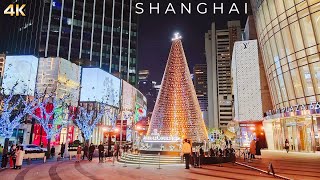
Christmas time in ShangHai
With Wei's Travel ...
A deep dive into porcelain production in JingDeZhen, JiangXi province
With Expat Natt ... "ExpFrom mud to masterpiece, join us this week as we uncover the history of Chinese porcelain, aka 'fine china'. Jiangxi province is home to the historic city of Jingdezhen, which played a major role in china's porcelain trade. The ceramic wares of this region made china famous during the silk road trade and were believed to be made with magic by europeans. The production of Jiangxi's ceramics were so influential, that they were even named 'fine china', meaning the fine wares which were made in China. We start our adventures by searching for the abandoned mountain mines which were home to the white clay, Kaolin, that first made this region world renowned. We then head over to the ancient village of Yaoli to see the influence of the porcelain industry and it's rich history which paved the path of the stunning pots and cermaic wares we see today. We search for ancient kiln sites in the surrounding countryside, and then head back into Jingdezhen city to see the remains of the incredible kilns that made the porcelain production come to life. Watch as artists hand mould, carve, and paint the breathtaking and intricate designs of cobalt blue on white clay. We even head to Sanbao International Ceramic Village to paint our own plates, and of course discover the mouthwatering local cuisine. Finally we venture into the local chinese night markets where local artists sell their bowls, vases, and china tea sets."
The ShangHai 上海 Acrobatics Troupe
A selection of scenes ...
White radish 白萝卜 – growing, pickling and cooking
A mild-flavored winter radish usually characterized by fast-growing leaves and a long, white, napiform root. It is similar in appearance to fresh horseradish but packs a lighter peppery punch similar to watercress. Unlike other radishes, it is as good cooked as it is raw. A very beautiful film and culinary masterclass with LiZiQi 李子柒. Dishes include SiChuan pickles, NorthEast sauerkraut and several types of XianCai, salty side-dish, and SuanCai, sour cabbage, with spice and without. Similar to Korean kimchi - Korean is one of the 56 ethnic groups in China. Don't miss it ... Rimo Z : 0:23 Rapeseed flowers 2:50 White Radish 3:37 Carrot 4:31 Chinese Cabbage 6:03 Mustard, then dehydrate the vegetables 7:58 Smear chilli sauce 8:28 Sealed for 1 month 8:51 Pine leaves for smoking the meat (Bacon) 9:03 Orange or clementine 9:10 Pomelo on the tree 9:22 Start smoking the sausage and meat 9:30 Add the pomelo and orange peel to enrich the flavor 10:16 Add salt and chilli powder, start pickling the dehydrated radish and carrots 10:36 Dried fish 11:58 put the dried fish, sausage and meat (or bacon) for boiling before eating or further cooking, this step helps to clean the food and reduce the salt 12:47 stir fry with ginger and then start stewing with green onion and orange peel 13:34 Fermented pickle cabbage (non-spicy) 13:49 Fermented pickle cabbage (spicy) 14:06 Minced meat with oil, spice powder, green onions, soy sauce, ginger and 14:14 hot oil to increase the aroma 14:26 Chop the pickle Chinese cabbage 14:38 Mix the minced meat and pickled cabbage, start making dumplings 15:53 Cut the salted meat, stir fry with green onion and stew with the dried vegetables 15:52 Add spicy pickled cabbages 16:16 Add some hot oil on top of the pickle dishes to excite the fragrance 16:42 Cut the boiled sausage, salted meat etc. 17:49 Looks like rose tea 17:55 Just white congee 米老鼠 : Kimchi first appeared in the book of songs. It was interpreted as sauerkraut in China. Korean kimchi originated in the Tang Dynasty. Tang Dynasty general Xue Rengui was assigned to Korea (today's Korea) by the government to settle down in Korea. Many of his entourage were from Jiangbei County, Chongqing, who could make kimchi in his hometown. Since then, Chongqing kimchi has entered Korea. Several wars in Korea have brought this kind of dish into Korean civilian families. Kimchi went through several stages before it became the real Korean kimchi. The first stage is the Three Kingdoms period, when the pickled dishes or radish, cucumber, etc., introduced to South Korea after adding leeks and other fresh vegetables. In the second stage, in the Korean period, the production methods began to be enriched, and the raw materials were added to the base. The third stage is that cabbage has become the main raw material, which is what we eat now.
ChongQing  重庆 musical fountains night shows
A 7,000 km journey by motorbike on the Tibetan plateau, QingHai
中波夫妻摩旅青藏高原 And in SiChuan ... And in YunNan ... Bonus film - high speed rail ... Bonus film 2 - XiaMen subway ...
Happy New Year – 2019 – from BeiJingBuzzz
Wishing everyone a very happy 2019 - BeiJingBuzzz. Live more !! Please donate, we really need your help to keep going and to make this site even better - thank you from Panda88 and all the BeijingBuzzz team ...
First time in XinJiang – a family trip to Urumqi
With The Hutchinsons ...

Tag search ?