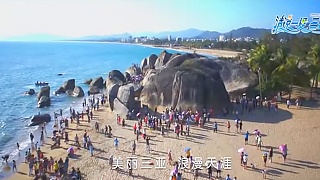
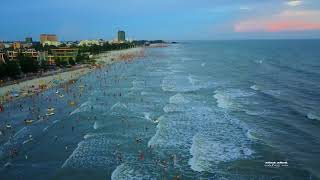
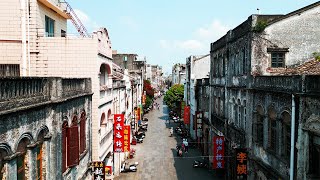
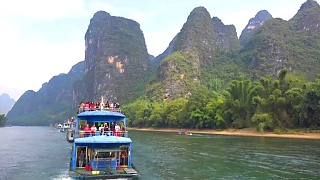
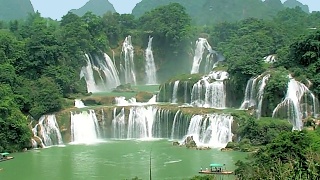
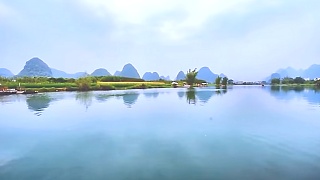
Silver Beach, BeiHai 北海

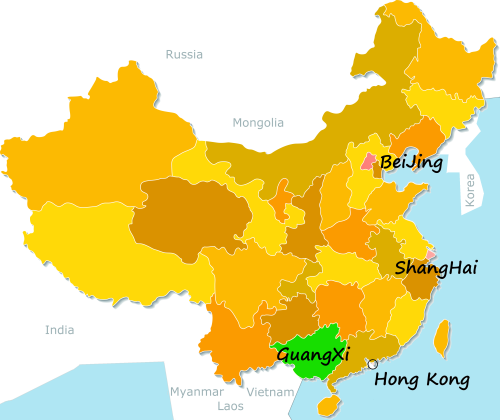
GuangXi province, south China.

[640],shadow=true,start=30,stop=
GuangXi map

Related Videos


Featured Videos

The extraordinary YeLang Valley art scene, GuiZhou
Video by Beijing Old Liu ... YeLang Valley, located in GuiZhou province, China, is a unique cultural and artistic site known for its extensive collection of outdoor sculptures and art installations. This valley, often referred to as a “land of imagination,” showcases the creativity and vision of local artists, particularly the works of artist Song Peilun. Here's a detailed look at the sculptures in Yelang Valley and nearby art places: ### Yelang Valley Sculptures 1. **Artist Song Peilun**: Yelang Valley is the brainchild of Song Peilun, an artist and former professor at the Central Academy of Fine Arts. He began creating this art paradise in the 1990s, transforming the valley into a sprawling outdoor gallery. 2. **Eclectic Sculptures**: The valley features a wide array of sculptures made from various materials, including stone, wood, and metal. The artworks blend elements of traditional Chinese culture, mythology, and contemporary art. 3. **Symbolism and Themes**: Many of the sculptures in Yelang Valley are infused with symbolic meaning, drawing on themes from Chinese folklore, nature, and spirituality. Common motifs include dragons, phoenixes, mythical creatures, and representations of ancient legends. 4. **Integration with Nature**: The sculptures are designed to harmonize with the natural landscape of the valley. The placement of each piece is carefully considered to complement the surrounding environment, creating a seamless blend of art and nature. 5. **Interactive Art**: Some installations in Yelang Valley are interactive, allowing visitors to engage with the art in a hands-on way. This interactive approach helps to create a more immersive and personal experience for visitors. ### Nearby Art Places in Guizhou 1. **Guiyang Art Museum**: Located in the provincial capital, Guiyang, this museum offers a diverse collection of contemporary and traditional Chinese art. It regularly hosts exhibitions featuring works by local and national artists. 2. **Qingyan Ancient Town**: This well-preserved ancient town near Guiyang is not only a historical site but also a cultural hub. It features traditional architecture, artisan shops, and studios where local craftsmen create and sell their works. 3. **Xijiang Qianhu Miao Village**: Known as the largest Miao ethnic village in China, Xijiang offers visitors a deep dive into the rich cultural traditions of the Miao people. The village showcases traditional Miao handicrafts, textiles, and silver jewelry, often considered forms of art. 4. **Danzhai Wanda Village**: A cultural tourism village that combines traditional Miao architecture with modern amenities. It includes art installations and spaces where visitors can learn about and purchase local crafts. ### Art and Cultural Festivals 1. **Guizhou Art Festival**: Held annually, this festival showcases a wide range of artistic expressions, including visual arts, music, dance, and theater. It attracts artists from across China and beyond, offering a platform for cultural exchange and creativity. 2. **Miao New Year Festival**: This traditional festival, celebrated by the Miao people, includes elaborate costumes, dance performances, and traditional music. The festival is an excellent opportunity to witness the living art and cultural heritage of the Miao ethnic group. ### Conclusion Yelang Valley in Guizhou is a testament to the transformative power of art, with its stunning outdoor sculptures and installations that blend seamlessly with the natural landscape. The nearby art places and cultural sites further enrich the region's artistic and cultural tapestry, making it a fascinating destination for art lovers and cultural enthusiasts. Whether exploring the imaginative sculptures of Yelang Valley, visiting the Guiyang Art Museum, or experiencing the traditional crafts of the Miao people, visitors are sure to find inspiration and beauty in Guizhou’s vibrant art scene. BanQiao Art Village is an innovative and dynamic cultural and artistic hub located in GuiZhou province, China. Known for its vibrant community of artists and creative spaces, the village offers visitors a unique opportunity to explore contemporary art and engage with local artists. Here’s an overview of Banqiao Art Village: ### Overview of Banqiao Art Village 1. **Location**: Banqiao Art Village is situated in the outskirts of Guiyang, the capital city of Guizhou Province. It is easily accessible from the city, making it a popular destination for both locals and tourists. 2. **History**: The art village was established to provide a dedicated space for artists to live, work, and showcase their creations. It has grown over the years into a vibrant artistic community that attracts creative minds from across China and beyond. ### Artistic Features and Attractions 1. **Artist Studios**: The village is home to numerous artist studios where visitors can see artists at work. These studios often welcome visitors to observe the creative process and engage with the artists. 2. **Galleries and Exhibitions**: Banqiao Art Village hosts a variety of galleries that display contemporary art, traditional Chinese art, sculptures, and mixed media works. Regular exhibitions are held to showcase the latest works by resident and visiting artists. 3. **Public Art Installations**: Throughout the village, you will find public art installations and sculptures that add to the artistic ambiance of the area. These installations often reflect the cultural heritage and modern creativity of Guizhou. 4. **Workshops and Classes**: The village offers art workshops and classes for visitors of all ages. These sessions cover a range of artistic techniques and mediums, providing hands-on experiences in painting, pottery, sculpture, and more. 5. **Cultural Events**: Banqiao Art Village regularly hosts cultural events, including art fairs, music festivals, and performance arts. These events bring the community together and attract visitors looking to immerse themselves in the local art scene. ### Community and Lifestyle 1. **Artist Residencies**: The village provides residency programs for artists, allowing them to live and work in a supportive and inspiring environment. These residencies foster collaboration and cultural exchange among artists. 2. **Cafes and Shops**: The village features several cafes, restaurants, and shops where visitors can relax, enjoy local cuisine, and purchase unique handmade art and crafts. 3. **Eco-Friendly Practices**: Banqiao Art Village emphasizes sustainability and eco-friendly practices. Many of the buildings are constructed using traditional techniques and sustainable materials, blending seamlessly with the natural surroundings. ### Nearby Attractions 1. **Qingyan Ancient Town**: A short drive from Banqiao Art Village, Qingyan Ancient Town offers a historical and cultural experience with its well-preserved Ming and Qing dynasty architecture, ancient temples, and traditional shops. 2. **Guiyang Art Museum**: Located in the heart of Guiyang, the museum features a diverse collection of contemporary and traditional Chinese art, making it a perfect complement to the contemporary focus of Banqiao Art Village. ### Visitor Tips 1. **Plan Ahead**: Check the village’s event calendar before your visit to catch any special exhibitions, workshops, or festivals. 2. **Engage with Artists**: Don’t hesitate to interact with the artists. Many are happy to share insights into their work and creative processes. 3. **Support Local Art**: Consider purchasing artwork or crafts as souvenirs. This not only supports the artists but also provides you with a unique piece of Guizhou’s artistic culture. ### Conclusion Banqiao Art Village is a thriving center for contemporary art and cultural exchange in Guizhou Province. Its combination of artist studios, galleries, public art, and cultural events makes it a must-visit destination for art enthusiasts. Whether you’re looking to appreciate modern art, participate in workshops, or simply enjoy the creative atmosphere, Banqiao Art Village offers a rich and engaging experience.
DimSum lunch buffet
With Luca & Rachele 路卡和瑞丽 ...
XianYang city, ShaanXi province
With Valeriy Blank ... Visitor Guide to XianYang Introduction to XianYang XianYang (咸阳), located in ShaanXi Province, is one of China's most historically significant cities. As the ancient capital of the Qin Dynasty (221–206 BCE), XianYang played a pivotal role in Chinese history and culture. Today, it is a vibrant city that blends its rich past with modern development, offering visitors a unique mix of historical sites, cultural experiences, and natural beauty. Top Attractions in XianYang Maoling Mausoleum (茂陵) - The tomb of Emperor Wu of the Han Dynasty, surrounded by smaller tombs of his concubines and generals. The site features impressive stone carvings and statues. Qianling Mausoleum (乾陵) - The joint burial site of Emperor Gaozong and Empress Wu Zetian, the only female emperor in Chinese history. The site is known for its grand scale and the famous "Silent Statues" lining the Sacred Way. XianYang Museum (咸阳博物馆) - A treasure trove of artifacts from the Qin and Han Dynasties, including pottery, jade, and bronze ware. The museum provides a deep dive into the region's history. ZhangLiang Temple (张良庙) - A temple dedicated to ZhangLiang, a famous strategist and statesman of the early Han Dynasty. The temple is set in a serene environment with beautiful architecture. FengHe River Scenic Area (沣河风景区) - A picturesque area along the FengHe River, perfect for leisurely walks, boating, and enjoying the natural scenery. Local Cuisine XianYang is known for its delicious ShaanXi cuisine, which features bold flavors and hearty dishes. Some must-try foods include: BiangBiang Noodles (BiangBiang Mian) - Thick, hand-pulled noodles served with a savory sauce, often topped with vegetables and meat. RouJiaMo (肉夹馍) - Often referred to as the "Chinese hamburger," this dish consists of braised pork stuffed inside a flatbread. YangRou PaoMo (羊肉泡馍) - A hearty lamb soup with crumbled flatbread, a specialty of ShaanXi Province. LiangPi (凉皮) - Cold, chewy noodles made from wheat or rice flour, served with a spicy and tangy sauce. Getting Around XianYang XianYang is well-connected by public transportation, making it easy to explore the city and its surroundings. Options include: Buses: The city has an extensive bus network that connects major attractions and neighborhoods. Taxis: Taxis are readily available and affordable for getting around the city. Bicycles: Renting a bicycle is a great way to explore XianYang at your own pace, especially along the FengHe River. High-Speed Rail: XianYang is just a short ride from Xi'An via high-speed rail, making it easy to combine visits to both cities. Best Time to Visit The best time to visit XianYang is during the spring (March–May) and autumn (September–November) when the weather is mild and pleasant. These seasons are ideal for exploring outdoor attractions like the FengHe River Scenic Area and the ancient mausoleums. Tips for Visitors Language: Mandarin is the primary language spoken in XianYang. Learning a few basic phrases can be helpful, especially in more rural areas. Currency: The local currency is the Chinese Yuan (CNY). Credit cards are accepted in most hotels and restaurants, but it's a good idea to carry cash for smaller establishments. Etiquette: When visiting historical sites, dress modestly and be respectful of local customs and traditions. Health and Safety: XianYang is generally a safe city, but it's always a good idea to take standard precautions, such as keeping an eye on your belongings and staying aware of your surroundings. Conclusion XianYang is a city steeped in history and culture, offering visitors a chance to step back in time and explore the legacy of ancient China. From its majestic mausoleums to its vibrant local cuisine, XianYang is a destination that promises a rich and rewarding experience. Whether you're a history enthusiast, a food lover, or simply looking to explore a lesser-known gem in ShaanXi Province, XianYang is sure to leave a lasting impression.
Lhasa, Tibet (西藏), China trip
Views of the LongSheng, LongJi Rice Terraces 龙胜梯田, GuangXi
The beautiful Dragon's Backbone rice terraces; about 60km from GuiLin ...
The wonderful JingShan Park, central BeiJing
With MisterVaughn ... Welcome to JingShan Park Explore the historic heart of BeiJing About Jingshan Park Jingshan Park, located in the center of Beijing, is a historic and scenic park with a rich cultural heritage. Originally an imperial garden during the Yuan, Ming, and Qing dynasties, the park is famous for its artificial hill, Jingshan, which offers panoramic views of the Forbidden City and central Beijing. The hill was created from the soil excavated to build the moats of the Forbidden City and nearby canals. Main Attractions Wanchun Pavilion The Wanchun Pavilion, located at the summit of Jingshan Hill, is the highest point in central Beijing. It offers breathtaking views of the Forbidden City to the south, Beihai Park to the west, and modern Beijing's skyline. Five Pavilions Jingshan Hill features five pavilions aligned along its central axis. Each pavilion offers unique perspectives of the surrounding area and houses a Buddhist statue, reflecting the park's historical significance. Shouhuang Hall The Shouhuang Hall was used by emperors for ancestral worship. Recently renovated, it now serves as an exhibition hall showcasing the history and cultural heritage of Jingshan Park. Peony Garden The Peony Garden, located in the park's southeast corner, is renowned for its stunning collection of peonies. It is a popular spot during the blooming season in late spring when the flowers are in full bloom. Activities Morning Exercises Jingshan Park is a popular spot for locals to perform morning exercises such as tai chi, dancing, and jogging. Visitors can join in or simply enjoy watching these traditional Chinese activities. Photography The park offers excellent opportunities for photography, especially from the summit of Jingshan Hill. Capture panoramic views of the Forbidden City and the surrounding cityscape, or the beautiful gardens and pavilions within the park. Seasonal Festivals Jingshan Park hosts various cultural events and festivals throughout the year, such as the Peony Festival in spring and the Chrysanthemum Exhibition in autumn. These events showcase the park's horticultural beauty and traditional Chinese culture. Transport Jingshan Park is easily accessible from various parts of Beijing. Here are some ways to get there: By Subway: Take Line 8 to Shichahai Station, then walk south for about 10 minutes to reach the park's north gate. By Bus: Multiple bus routes stop near Jingshan Park, including routes 5, 58, and 101. Get off at the Jingshan East Gate stop. By Taxi: Taxis are a convenient option, especially if you are traveling with a group or have heavy luggage. Just ask the driver to take you to Jingshan Park (景山公园).
The ‘Uyghur Tribunal’ : predictable and dangerous propaganda
Brian Berletic : "It is no coincidence that the so-called 'Uyghur Tribunal's 'final ruling' coincided with a dump of supposedly 'leaked' documents and the US-led 'diplomatic boycott' of the BeiJing 2022 Olympics. This is a massive propaganda campaign aimed at building hatred for China and justification for conflict with China." Circus, lies, propaganda, theater, kangaroo court. Manufacturing consent. And the mainstream media play their role as war propagandists; a disgrace to the human race. With The New Atlas ...
China Railway First Group 中铁一局国际宣传片
More on health and nutrition (2)
With Rangan Chatterjee. With Mark Hyman ... With Tim Spector ...

Tag search ?