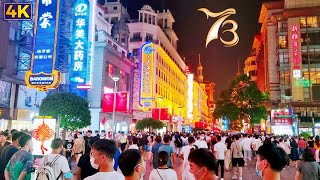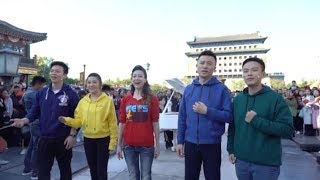
China 中国 National Day evening celebrations in BeiJing

October 1st. 60th birthday : 1949 - 2009.


[640],shadow=true,start=,stop=

Beijing, the capital city of China, is a vibrant metropolis steeped in history, culture, and modernity. Here's a brief overview of what you can expect as a tourist in Beijing:

Historical Landmarks:
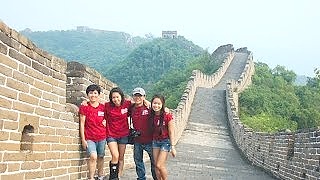
The Great Wall of China: One of the most iconic structures in the world, the Great Wall is easily accessible from Beijing. Mutianyu and Badaling sections are popular among tourists.

Forbidden City (Palace Museum): A UNESCO World Heritage Site, this vast imperial palace complex was home to Chinese emperors for over 500 years. It houses numerous halls, courtyards, and historical artifacts.

Temple of Heaven: A masterpiece of Chinese architecture, this ancient temple complex served as a place of worship for emperors to pray for good harvests.

Summer Palace: A stunning ensemble of lakes, gardens, and palaces, the Summer Palace served as a retreat for emperors during the Qing dynasty.

Tiananmen Square: One of the largest city squares in the world, Tiananmen Square is flanked by important landmarks such as the Monument to the People's Heroes, the Great Hall of the People, and the Mausoleum of Mao Zedong.

Cultural Sites:
Beijing Hutongs: Explore the narrow alleyways and traditional courtyard residences of Beijing's historic neighborhoods. You can take a rickshaw tour or simply wander around on foot.

Beijing Opera: Experience traditional Chinese opera performances at venues like the Liyuan Theater or the Chang'an Grand Theatre.

798 Art District: A hub of contemporary art and culture, this former industrial area is now home to numerous galleries, studios, and cafes.

Modern Attractions:
Olympic Park: Visit iconic structures such as the Bird's Nest (National Stadium) and the Water Cube (National Aquatics Center) from the 2008 Beijing Olympics.

CBD (Central Business District): Marvel at the futuristic skyline of Beijing's modern business district, which includes landmarks like the CCTV Headquarters and the China World Trade Center Tower III.

Culinary Delights:
Peking Duck: Indulge in Beijing's most famous dish, crispy roast duck served with pancakes, scallions, and hoisin sauce.

Street Food: Explore the city's vibrant street food scene and sample local delicacies like jianbing (savory crepes), lamb skewers, and dumplings.

Practical Tips:
Transportation: Beijing has an extensive public transportation system, including the subway, buses, and taxis. However, traffic can be heavy, so plan your travels accordingly.

Language: While English is not widely spoken, especially outside tourist areas, many signs and transportation announcements are in English. It's helpful to carry a translation app or a phrasebook.

Weather: Beijing experiences four distinct seasons, with hot summers and cold winters. The best times to visit are spring (April to June) and autumn (September to October) when the weather is mild and comfortable.

Etiquette: Respect local customs and traditions, such as removing your shoes before entering someone's home and using both hands to pass or receive items.

Beijing offers a rich tapestry of experiences for tourists, blending ancient heritage with modern innovations. Whether you're fascinated by history, culture, or culinary delights, there's something for everyone in this dynamic city.

Related Videos


Featured Videos

The Hanging Temple of HengShan 悬空寺, and the YunGang Grottoes 云冈石窟
Near DaTong, ShanXi province. The Hanging Temple (XuanKong Temple 悬空寺, XuánKōng Sì) is constructed on a vertical cliff face, 75 meters (245 feet) above the ground, at the foot of the HengShan mountain. The temple lies about 64 kilometers south east of the city of DaTong. Together with the YunGang Grottoes, the Hanging Temple is one of the main tourist attractions and historical sites in the DaTong area. Built more than 1,600 years ago, this temple is notable also as the only surviving temple combining all three Chinese traditional religions/philosophies: Buddhism, Taoism, and Confucianism. The structure is kept in place with oak crossbeams slotted into holes chiseled into the cliffs. The main supportive structure is hidden inside the rock. The temple is located in a small canyon basin, and is situated under a prominent summit that helps protect the temple from rain and sunlight. The YunGang Grottoes are located at the southern foot of Mount WuZhou, 16 kilometers west of DaTong. There are 250 caves here containing many thousands of carvings and statues.
ShangHai sunset
Planning war on China – part 22
The mainstream media in the West is a key part of the 'defense' (offence) department - it's all about hegemony / imperialism. Disinformation is always the first act of war. These 'journalists' are simply sycophants of an elite that wants total control; they think they are a part of the 'winners'. Totally disgusting. With Daniel Dumbrill ... With The New Atlas ... With Living In China ... With the Moderate Rebels ... On Desmond Tutu, with Democracy Now ... (Ignoring the lack of understanding China, and the climate change hysteria) ... YT comment : China today is committed to being more green. Her programs on Solar, Wind and Hydro power is advanced. President Xi has compared clean waters and forests as the real gold. YT comment : China has sought hegemony; never colonized; even when it could easily have done so. China id all about trade and building, not conquest. The China threat - the threat of a good example. In China, the people are family. In the West, the people are livestock.
QuanZhou city, FuJian province
With Seiu Travel ...
30 places to visit in and around HangZhou, ZheJiang province
Top 30 places to visit in and around HangZhou : West Lake (西湖, Xī Hú): Explore the scenic beauty of this UNESCO World Heritage Site with boat rides and leisurely strolls around the lake. Lingyin Temple (灵隐寺, Língyǐn Sì): Visit one of the most famous Buddhist temples in China, known for its ancient architecture and serene surroundings. Qinghefang Ancient Street (清河坊古街, Qīnghéfāng Gǔjiē): Wander through this historic street lined with traditional shops, teahouses, and street food vendors. Longjing Tea Plantation (龙井茶园, Lóngjǐng Cháyuán): Experience tea culture and enjoy a scenic hike through the picturesque tea fields. Hefang Street (河坊街, Héfāng Jiē): Discover a lively pedestrian street filled with shops selling local crafts, snacks, and souvenirs. China National Tea Museum (中国茶叶博物馆, Zhōngguó Cháyè Bówùguǎn): Learn about the history and culture of tea in China through interactive exhibits and demonstrations. Xixi Wetland Park (西溪湿地, Xīxī Shīdì): Enjoy nature walks, boat rides, and birdwatching in this scenic wetland park. Huqingyu Tang Chinese Medicine Museum (胡庆余堂药店博物馆, Húqìngyútáng Yàodiàn Bówùguǎn): Explore the history of traditional Chinese medicine and herbal remedies. Song Dynasty Town (宋城, Sòng Chéng): Step back in time to the Song Dynasty era and experience traditional architecture, performances, and cultural activities. National Silk Museum (中国丝绸博物馆, Zhōngguó Sīchóu Bówùguǎn): Learn about the ancient art of silk production and admire exquisite silk artifacts. Hangzhou Zoo (杭州动物园, Hángzhōu Dòngwùyuán): Spend a day with the family exploring the diverse animal exhibits and enjoying fun activities. Thousand Island Lake (千岛湖, Qiāndǎo Hú): Take a scenic boat cruise on this vast reservoir surrounded by lush green mountains. Six Harmonies Pagoda (六和塔, Liùhé Tǎ): Climb to the top of this ancient pagoda for panoramic views of the Qiantang River and surrounding landscapes. China Academy of Art (中国美术学院, Zhōngguó Měishù Xuéyuàn): Visit the campus and galleries of one of China's leading art institutions. Hangzhou Botanical Garden (杭州植物园, Hángzhōu Zhíwùyuán): Explore the diverse plant collections and scenic landscapes of this botanical garden. Grand Canal (大运河, Dà Yùnhé): Take a boat tour or stroll along the historic Grand Canal, a UNESCO World Heritage Site dating back over 1,000 years. China National Silk Museum (中国丝绸博物馆, Zhōngguó Sīchóu Bówùguǎn): Learn about the ancient art of silk production and admire exquisite silk artifacts. Hangzhou Paradise (杭州乐园, Hángzhōu Lèyuán): Have a thrilling day of fun and excitement with rides, shows, and attractions for all ages. Xiling Seal Engravers Society (西泠印社, Xī Líng Yìn Shè): Discover the art of seal engraving and calligraphy at this historic society and museum. Hangzhou Safari Park (杭州野生动物世界, Hángzhōu Yěshēng Dòngwù Shìjiè): Get up close and personal with exotic animals from around the world in this sprawling safari park. Hangzhou Wetland Science Museum (杭州湿地科技馆, Hángzhōu Shīdì Kējìguǎn): Learn about wetland ecosystems and environmental conservation through interactive exhibits and educational programs.
The BeiJing 2022 Winter Olympics Opening Ceremony
The Confucius Temple / Imperial College in BeiJing
With Cameraman ... With China Tour ... Visitor Guide to the Confucius Temple and Imperial College, Beijing Introduction The Confucius Temple and Imperial College (Guozijian) in Beijing are historical landmarks dedicated to the legacy of Confucius, one of China's most influential philosophers, and to the education of scholars who served the imperial government. These sites reflect the importance of Confucianism in Chinese history and are a must-visit for anyone interested in Chinese culture and history. History Confucius Temple (孔庙, Kǒng Miào) Built in 1302 during the Yuan Dynasty, the Confucius Temple in Beijing is one of the largest and oldest Confucian temples in China. It was expanded during the Ming and Qing dynasties, becoming a prominent center for Confucian worship and scholarship. The temple was a place where scholars and officials would pay their respects to Confucius and seek inspiration from his teachings. Imperial College (国子监, Guózǐjiàn) The Imperial College, also known as Guozijian, was established in 1306, just a few years after the temple. It served as the highest educational institution in imperial China, where scholars studied the Confucian classics in preparation for civil service examinations. The college was managed by the imperial government, reflecting the significant role of education in governance. Architecture and Key Highlights Confucius Temple The temple complex features traditional Chinese architecture with intricate wooden carvings, stone pillars, and tiled roofs. Key structures include: Dacheng Hall (Hall of Great Accomplishment): The main hall, housing a statue of Confucius, where important ceremonies and rituals are conducted. Stele Pavilions: These pavilions contain stone tablets inscribed with texts and inscriptions from various Chinese dynasties. Spirit Way: A pathway lined with ancient cypress trees, leading to the temple's main halls. Imperial College The Imperial College complex showcases traditional Chinese educational architecture. Highlights include: Biyong Hall: The centerpiece of the college, this circular hall is surrounded by a moat and accessed by four bridges, symbolizing the spread of Confucian teachings to all corners of the world. Jixian Hall: A lecture hall where scholars were taught the Confucian classics. Gate of Great Accomplishment: The main entrance to the college, symbolizing the pursuit of knowledge and scholarly achievement. Visitor Information Here are some practical details to help plan your visit to the Confucius Temple and Imperial College: Location: No. 13, Guozijian Street, Dongcheng District, Beijing, China. Opening Hours: Daily from 8:30 AM to 5:00 PM. Last entry is at 4:30 PM. (Hours may vary seasonally) Admission Fee: Approximately 30 RMB (Check for updated prices before visiting). Transportation: The nearest subway station is Yonghegong (Lama Temple), on Line 2 and Line 5. From there, it’s a short walk to the temple. Tips for Visitors Plan to spend at least 1-2 hours exploring the site to fully appreciate its historical and architectural significance. Visit early in the morning or late in the afternoon to avoid the crowds and enjoy a more peaceful experience. Consider hiring a guide or using an audio guide to gain deeper insights into the history and significance of the site. Respect the cultural and religious significance of the site. Dress modestly and behave respectfully.
Expat life in ChengDu, SiChuan province
Discover the lives of various expats who now call ChengDu their home - their work, leisure and thoughts ...
First time in China – Travel For Phoebe (ShangHai, BeiJing, ChengDu, Xi’An, NanJing)

Tag search ?