JingDeZhen 景德镇 : Why porcelain is commonly known as China

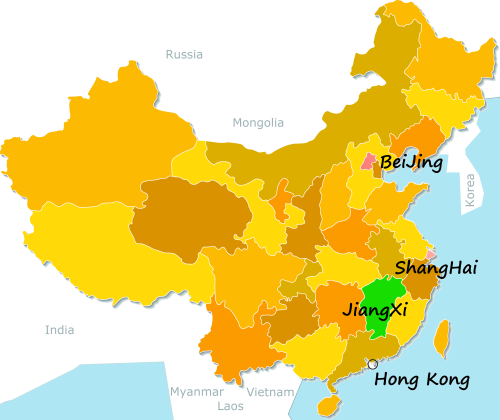
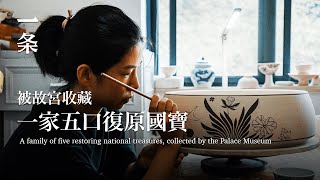
JingDeZhen, in JiangXi province, is known as the Porcelain Capital' because it has been producing pottery for over 1,700 years.

JingDeZhen is close to the best quality deposits of petuntse, or porcelain stone, in China, as well as being surrounded by forests, mostly of pine, providing wood for the kilns. It also has river connections flowing both north and south, facilitating transport of the fragile wares.

Its best-known high quality porcelain wares have been QingBai in the Song and Yuan dynasties, blue and white porcelain from the 1330s, and the 'famille rose# (and other 'famille' colors) during the Qing dynasty.

[640],shadow=true,start=,stop=
[320],shadow=true,start=,stop=
JiangXi map

Related Videos


Featured Videos

Vegan street food in ChangSha, HuNan province
With Vegan in China ... With GoYvon ... Vegan Food in China Introduction China is a vast country with a rich culinary history, and it offers a variety of delicious vegan options. From traditional Buddhist vegetarian cuisine to modern plant-based dishes, vegan travelers will find a wide range of flavors and textures to enjoy. This guide explores the vegan food scene in China, highlighting popular dishes, regional specialties, and tips for finding vegan-friendly restaurants. Traditional Vegan Dishes Many traditional Chinese dishes are naturally vegan or can be easily modified to suit a vegan diet. Here are some popular vegan dishes you can find throughout China: Mapo Tofu (麻婆豆腐) Mapo Tofu is a spicy and flavorful dish made with soft tofu, fermented black beans, and a chili sauce. While the traditional version often includes minced meat, you can find vegan versions at many restaurants or request it without meat. Buddha's Delight (罗汉斋) Buddha's Delight is a popular vegetarian dish in Chinese Buddhist cuisine. It consists of a variety of vegetables, tofu, and sometimes mushrooms, all stir-fried in a savory sauce. This dish is often served during Chinese New Year and other festive occasions. Jiaozi (饺子) Jiaozi, or dumplings, can be found with various vegan fillings such as mushrooms, cabbage, and tofu. These delicious dumplings are often steamed or boiled and served with a soy-based dipping sauce. Stir-Fried Vegetables (炒青菜) Stir-fried vegetables are a staple in Chinese cuisine and can be easily found in almost any restaurant. Common vegetables used include bok choy, spinach, broccoli, and snow peas, all stir-fried with garlic and a light soy sauce. Regional Specialties Sichuan Cuisine Sichuan cuisine is known for its bold and spicy flavors. Many dishes can be made vegan by substituting meat with tofu or vegetables. Look for dishes like Sichuan Hot Pot with vegetable broth and an array of vegetables, or Kung Pao Tofu, a spicy stir-fry with peanuts and vegetables. Cantonese Cuisine Cantonese cuisine features lighter flavors and fresh ingredients. Popular vegan options include Dim Sum with vegetable fillings, stir-fried greens, and Congee, a rice porridge that can be made with mushrooms and other vegetables. Shandong Cuisine Shandong cuisine is known for its hearty and savory dishes. Vegan options include stir-fried tofu, vegetable stews, and steamed buns filled with vegetables. Shandong cuisine also features a variety of soups made with vegetables and grains. Finding Vegan-Friendly Restaurants While many traditional Chinese restaurants offer vegan options, there are also specialized vegetarian and vegan restaurants in major cities. Here are some tips for finding vegan-friendly places to eat: Use Apps: Apps like HappyCow can help you find vegan and vegetarian restaurants in China. These apps often include reviews and recommendations from other travelers. Learn Key Phrases: Knowing a few key phrases in Mandarin can be helpful when ordering food. For example, "wǒ chī sù" (我吃素) means "I eat vegetarian" and "bù yào ròu" (不要肉) means "no meat". Visit Buddhist Temples: Many Buddhist temples have vegetarian restaurants that serve delicious vegan meals. These are often affordable and offer a peaceful dining experience. Ask for Modifications: Don't hesitate to ask for modifications to make a dish vegan. Most restaurants are accommodating and can make adjustments to suit your dietary needs. Vegan Snacks and Street Food China's street food scene is vibrant and offers many vegan-friendly options. Here are some popular vegan snacks and street foods to try: Sesame Balls (麻团) Sesame balls are deep-fried pastries made with glutinous rice flour and filled with sweet red bean paste. They are coated in sesame seeds, giving them a crunchy texture and a sweet flavor. Spring Rolls (春卷) Spring rolls are a popular snack made with thin pastry wrappers filled with vegetables and sometimes tofu. They are usually deep-fried to a crispy golden brown and served with a dipping sauce. Grilled Vegetables (烤蔬菜) Many street vendors offer grilled vegetables, such as corn on the cob, mushrooms, and bell peppers. These are often seasoned with a mix of spices and grilled to perfection. Tofu Skewers (豆腐串) Tofu skewers are a popular street food snack made with marinated tofu chunks grilled on skewers. They are often seasoned with chili and cumin, giving them a spicy and savory flavor. Vegan Grocery Shopping In addition to dining out, you can also find a variety of vegan products in grocery stores and markets in China. Look for fresh fruits and vegetables, tofu, tempeh, and plant-based milk. Many supermarkets also carry imported vegan products such as plant-based meat, dairy-free cheese, and vegan snacks. Travel Tips for Vegans Plan Ahead: Research vegan-friendly restaurants and grocery stores in advance, especially if you're traveling to less touristy areas where options might be limited. Pack Snacks: Carrying snacks like nuts, dried fruit, and energy bars can be helpful when you're on the go and need a quick vegan option. Communicate Clearly: Use translation apps or carry a card with dietary preferences written in Mandarin to help communicate your needs to restaurant staff. Be Open-Minded: Trying new foods is part of the travel experience. Be open to exploring local vegan dishes and experimenting with new flavors and ingredients. Stay Informed: Join online vegan communities and forums to get tips and recommendations from other vegan travelers in China.
Something different – Bliss : Afterlife (music album)
Bliss : Afterlife - album released 2001. Includes : If Heaven Closes (6:10) and Will You Remember My Name (46:25). Brew some green tea, draw the curtains, and sink into your favorite space. Close your eyes and let the journey begin; let's fly among the stars and see our world from afar; come back anew ... Do support Bliss, this wonderful music talent, by buying the original CD / official download.
A trip to JingShan Park 景山公园 and the Forbidden City 紫禁城, BeiJing
JingShan Park lies immediately north of the Forbidden City (Palace Museum).
Amazing, beautiful ZhangJiaJie 张家界
In HuNan province. Plus a detailed documentary film. Discover why to the Chinese nature is not just a pretty background, but that human life is rooted in nature; that nature is as a holy text of which we are a part ...
‘ShangHai 上海 Concerto’ – promo video
A promotional video for the city of the World Expo 2010 ...
A boat ride along the beautiful Li River 漓江
Between GuiLin and YangShuo, GuangXi province.
Mountain biking, roller-blading and snow-boarding in BeiJing 北京
The awesome ChengDe – China’s ancient royal summer retreat / mountain resort
With CGTN / Travelogue ... The eight surrounding temples - with Beijing Old Liu ... With Silver Walks ... ChengDe visitor guide Overview ChengDe, located in HeBei province, is home to China's ancient royal summer retreat, known as the ChengDe Mountain Resort. This UNESCO World Heritage Site is a historical complex of palaces, gardens, and temples used by the Qing dynasty emperors as a summer escape. The resort, surrounded by beautiful natural landscapes, showcases the grandeur and elegance of Chinese imperial architecture. History Construction of the ChengDe Mountain Resort began in 1703 under the reign of Emperor Kangxi of the Qing dynasty and took nearly 90 years to complete. The resort served as a summer residence for Qing emperors, providing a cooler climate and a peaceful retreat from the summer heat of Beijing. It also served as a political center for managing affairs with ethnic minorities and foreign dignitaries. Main Attractions Rehe Palace The Rehe Palace is the central area of the ChengDe Mountain Resort, where the emperors conducted state affairs and received guests. The palace complex includes several halls and pavilions, each with its unique architectural features and historical significance. Lake Area The lake area of the resort is a serene and picturesque section featuring a series of interconnected lakes and islands. The lakes are surrounded by pavilions, bridges, and gardens, offering stunning views and a peaceful ambiance. Plain Area The plain area is an expansive open space designed to mimic the landscapes of the northern grasslands. It includes grazing areas, hunting grounds, and fields used for archery and other activities. The area reflects the Qing emperors' admiration for the vast, open plains of their Manchu heritage. Temple of Universal Peace (PuNing Temple) The Temple of Universal Peace, also known as PuNing Temple, is one of the Eight Outer Temples built around the ChengDe Mountain Resort. The temple is famous for its large wooden statue of Avalokitesvara (Guanyin) and its beautiful architectural blend of Han and Tibetan styles. Temple of Putuo Zongcheng The Temple of Putuo Zongcheng, inspired by the Potala Palace in Tibet, is another significant temple near the resort. It was built to celebrate the emperor's birthday and to strengthen ties with Tibetan Buddhism. The temple complex is an impressive display of Tibetan-style architecture. Culture and Traditions ChengDe Mountain Resort and its surrounding temples are a testament to the Qing dynasty's cultural and religious diversity. The site reflects the harmonious coexistence of Han Chinese, Tibetan, Mongolian, and other ethnic traditions. Visitors can witness traditional Chinese architecture, Tibetan Buddhist art, and Mongolian cultural elements, all within the resort complex. Activities and Experiences Guided Tours Consider joining a guided tour to explore the ChengDe Mountain Resort and its temples. Knowledgeable guides provide insights into the history, architecture, and cultural significance of the site, enhancing your visit. Hiking and Nature Walks The resort is surrounded by beautiful natural landscapes, including mountains, forests, and rivers. Visitors can enjoy hiking and nature walks along the well-maintained trails, offering stunning views and a chance to appreciate the area's natural beauty. Local Cuisine While in ChengDe, be sure to sample the local cuisine. The region is known for its unique dishes, such as ChengDe roasted lamb, Manchu-style hotpot, and various traditional snacks. Local restaurants and food stalls offer a taste of authentic HeBei flavors. Accommodation ChengDe offers a range of accommodation options, from luxury hotels to budget-friendly guesthouses. Staying in a local hotel provides convenient access to the resort and other attractions in the area. Many hotels offer traditional Chinese decor and modern amenities, ensuring a comfortable and memorable stay. Travel Tips Best Time to Visit: The best time to visit ChengDe is during spring (April to June) and autumn (September to November) when the weather is mild and the scenery is at its best. Getting There: ChengDe is accessible by train or bus from Beijing. The high-speed train from Beijing to ChengDe takes approximately 2 hours. Local transportation options include taxis and buses. Opening Hours: The ChengDe Mountain Resort is open daily from 8:00 AM to 5:00 PM. The surrounding temples have similar opening hours. Entrance Fees: There is an entrance fee for the ChengDe Mountain Resort and additional fees for visiting the surrounding temples. Combo tickets are available for multiple attractions. Dress Comfortably: Wear comfortable walking shoes and dress in layers, as the weather can change quickly, especially in the mountainous areas. Respect Local Customs: When visiting temples and historical sites, be respectful of local customs and traditions. Always ask for permission before taking photos of people.
Day trips from ShangHai
Day Trips from ShangHai, China Suzhou 苏州 (Sūzhōu): Explore the "Venice of the East" known for its classical gardens, ancient canals, and traditional architecture. Visit the Humble Administrator's Garden, stroll along Pingjiang Road, and take a boat ride on the Grand Canal. Hangzhou 杭州 (Hángzhōu): Discover the scenic beauty of West Lake, a UNESCO World Heritage Site surrounded by lush hills and ancient temples. Visit the Lingyin Temple, explore the Six Harmonies Pagoda, and enjoy a leisurely boat cruise on the lake. Nanjing 南京 (Nánjīng): Explore the historic capital of China known for its ancient city walls, imperial palaces, and vibrant cultural scene. Visit the Sun Yat-sen Mausoleum, walk along the Qinhuai River, and climb to the top of the Nanjing City Wall for panoramic views. Wuzhen 乌镇 (Wūzhèn): Step back in time in this ancient water town known for its well-preserved architecture, stone bridges, and tranquil canals. Explore the East and West Scenic Areas, visit the Folk Custom Museum, and take a boat ride along the waterways. Shaoxing 绍兴 (Shàoxīng): Experience the cultural heritage of this historic city famous for its ancient canals, traditional wooden houses, and rice wine. Visit the Lu Xun Former Residence, explore the Keyan Scenic Area, and sample local specialties such as stinky tofu and fermented rice wine. Huangshan 黄山 (Huángshān): Embark on an unforgettable journey to the Yellow Mountain, known for its dramatic peaks, deep valleys, and mystical beauty. Hike along scenic trails, watch the sunrise from the summit, and marvel at the sea of clouds. Shaoxing 绍兴 (Shàoxīng): Explore the ancient water town of Wuzhen, known for its well-preserved Ming and Qing dynasty architecture, stone bridges, and tranquil canals. Stroll along the cobblestone streets, visit historic residences and workshops, and enjoy a boat ride along the waterways. Nanjing 南京 (Nánjīng): Discover the rich history and cultural heritage of Nanjing, the ancient capital of China. Visit the Nanjing City Wall, explore the Confucius Temple area, and stroll along the banks of the Qinhuai River. Hangzhou 杭州 (Hángzhōu): Relax in the scenic beauty of West Lake, a UNESCO World Heritage Site known for its serene landscapes and historic sites. Take a leisurely boat cruise, visit Lingyin Temple, and explore the picturesque pagodas and gardens. Suzhou 苏州 (Sūzhōu): Explore the classical gardens and ancient water towns of Suzhou, known for their tranquil beauty and rich cultural heritage. Visit the Master of the Nets Garden, take a boat ride along the Grand Canal, and stroll through the historic streets of Pingjiang Road. Zhouzhuang 周庄 (Zhōuzhuāng): Experience the charm of Zhouzhuang, one of China's most famous water towns, with its picturesque canals, historic bridges, and traditional architecture. Visit the Twin Bridges, explore the Shen's Residence, and take a boat ride through the scenic waterways. Wuxi 无锡 (Wúxī): Discover the beauty of Taihu Lake, one of China's largest freshwater lakes, surrounded by lush hills and scenic gardens. Visit the Lingshan Grand Buddha, explore the Xihui Park, and enjoy a boat cruise on the lake. Ningbo 宁波 (Níngbō): Explore the historic port city of Ningbo, known for its ancient temples, traditional tea houses, and vibrant cultural scene. Visit the Tianyi Pavilion, stroll along the Moon Lake, and sample local delicacies at the bustling food markets. Shanghai Disney Resort 上海迪士尼度假区 (Shànghǎi Díshìní Dùjià Qū): Enjoy a day of fun and adventure at Shanghai Disney Resort, featuring thrilling rides, live shows, and iconic Disney characters. Explore the Magic Kingdom, visit the Enchanted Storybook Castle, and watch the spectacular fireworks display. Qibao Seven Treasures 七宝老街 (Qībǎo Lǎojiē): Step back in time in the ancient water town of Qibao, known for its historic buildings, traditional markets, and scenic canals. Stroll along the cobblestone streets, visit the Temple of the Town God, and sample local street food such as sticky rice cakes and deep-fried dough sticks. Huzhou 湖州 (Húzhōu): Relax in the picturesque scenery of Taihu Lake, known for its serene landscapes and historic sites. Visit the Feiying Pagoda, explore the Nanxun Ancient Town, and take a boat cruise on the tranquil waters of the lake. Shanghai Ocean Aquarium 上海海洋水族馆 (Shànghǎi Hǎiyáng Shuǐzúguǎn): Explore the underwater world at Shanghai Ocean Aquarium, home to thousands of marine species from around the globe. Marvel at the colorful coral reefs, watch sharks swim overhead in the underwater tunnel, and learn about marine conservation efforts. Chongming Island 崇明岛 (Chóngmíng Dǎo): Escape the hustle and bustle of the city and explore the natural beauty of Chongming Island, the largest alluvial island in the Yangtze River. Visit Dongping National Forest Park, cycle along scenic trails, and enjoy fresh seafood at local restaurants. Tongli 同里 (Tónglǐ): Discover the charm of Tongli, a picturesque water town known for its ancient bridges, tranquil canals, and well-preserved Ming and Qing dynasty architecture. Visit the Retreat and Reflection Garden, explore the Chongben Hall, and take a boat ride along the scenic waterways. Moganshan 莫干山 (Mògānshān): Retreat to the scenic beauty of Moganshan, a mountain resort known for its bamboo forests, tea plantations, and cool mountain breezes. Hike along scenic trails, visit historic villas, and enjoy panoramic views of the surrounding countryside.

Tag search ?