 Hong Kong`s 香港 green islands – documentary
Related Videos





Featured Videos
|
KūnMíng is the provincial capital city of YunNan.
|

|
Bonus film - with Lee Barrett ...
|

|
With Yasmine's Journey ...
|
|
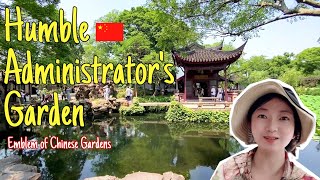
With Lulu's Daily In China ...
Humble Administrator's Garden Visitor Guide
Overview
The Humble Administrator's Garden, located in SuZhou, JiangSu province, is one of the most famous classical gardens in China. Built in the early 16th century during the Ming Dynasty, this garden is a masterpiece of Chinese landscape design, featuring beautiful pavilions, serene ponds, lush greenery, and exquisite rock formations. It is a UNESCO World Heritage Site and a must-visit destination for anyone interested in traditional Chinese garden art.
History
The garden was originally created by Wang XianChen, a retired government official, who sought to design a peaceful retreat for himself. Over the centuries, the garden changed hands multiple times, undergoing various renovations and expansions. Despite these changes, the garden has retained its original layout and classical elements, reflecting the aesthetics and philosophical principles of traditional Chinese gardens.
Main Attractions
Central Garden
The Central Garden is the heart of the Humble Administrator's Garden, featuring a large pond surrounded by lush plants, winding paths, and elegant pavilions. Key highlights include:
Lotus Pavilion: A beautiful structure overlooking the pond, offering a tranquil spot to enjoy the view of blooming lotus flowers in summer.
Hall of Distant Fragrance: Named after the lotus flowers whose fragrance can be smelled from afar, this hall is one of the garden's main buildings, known for its elegant design.
Eastern Garden
The Eastern Garden features a series of smaller ponds, rockeries, and pavilions, creating a more intimate and secluded atmosphere. Notable features include:
Small Flying Rainbow Bridge: A charming stone bridge that arches gracefully over a small pond.
Hall of 36 Mandarin Ducks: Named after the mandarin ducks often seen in Chinese art, this hall offers picturesque views of the surrounding landscape.
Western Garden
The Western Garden is characterized by its open spaces and carefully arranged rockeries and plantings. Highlights include:
Hall of the Thirty-Six Mandarin Ducks: Featuring beautiful carvings and a serene ambiance.
GuanYun Peak: A striking rock formation representing a mountain peak, showcasing the garden's sophisticated use of stones.
Architecture and Design
The Humble Administrator's Garden exemplifies the principles of traditional Chinese garden design, which seeks to create harmony between nature and human-made structures. The garden's architecture and layout incorporate the following elements:
Water Features: Ponds and streams are central to the garden's design, reflecting the sky and surrounding plants, and adding a sense of tranquility.
Rockeries: Carefully arranged rocks and rock formations symbolize mountains and add a dynamic visual element to the landscape.
Pavilions and Halls: These structures provide spaces for relaxation and contemplation, offering various perspectives of the garden.
Plantings: A diverse array of plants, including bamboo, lotus, and seasonal flowers, enhance the garden's beauty and symbolize different virtues and qualities.
Visiting Tips
Best Time to Visit: The garden is beautiful year-round, but spring and summer are particularly lovely when flowers are in bloom. Autumn offers stunning foliage, and winter provides a peaceful, serene atmosphere.
Opening Hours: The garden is open daily from 7:30 AM to 5:30 PM (hours may vary seasonally).
Getting There: The garden is located in the heart of SuZhou and is easily accessible by public transportation or taxi. The nearest metro station is Lindun Road Station (Line 1).
Guided Tours: Consider hiring a local guide or joining a guided tour to gain deeper insights into the garden's history, architecture, and cultural significance.
Photography: The garden offers countless photo opportunities. Be sure to bring your camera and take your time capturing the beauty of the landscape.
Respect the Environment: Help preserve the garden by not picking flowers, climbing on rocks, or littering. Respect the tranquility of the space and other visitors.
|
|
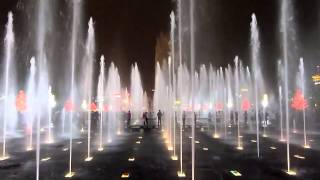
Located in the North Square by the Big Wild Goose Pagoda. Every evening at 8pm; free.
The fountains cover over 100,000 square meters and form the world's most spectacular fountain complex. There are 2000 sets of nozzles, over 3000 sets of lights plus a professional audio system.
The huge site can be attended by over 10,000 people.
|

|
The US doesn't have allies - it has slaves; and all - slaves or 'others' - must be crushed for its supremacy.
Bonus film - with Danny HaiPhong, Carl Zha and Garland Nixon ...
|
|
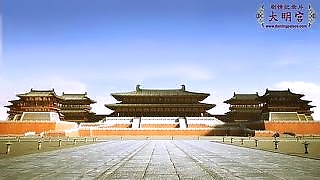
The DaMing Palace, 'Palace of Great Brilliance', was the imperial palace complex of the Tang dynasty (618 - 907 AD), located in its capital Chang'An.
This palace served as the residence of the Tang emperors for more than 220 years. Today, it is designated as a National Heritage Site. The area of the remains is located northeast of Xi'An, ShaanXi province.
|

|
Bonus films ...
|
|
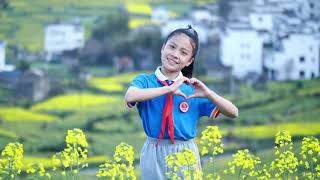
With JiangXi China ...
WuYuan Ancient Town, located in JiangXi province, is a place of historical and cultural significance, known for its well-preserved architecture and picturesque scenery. The town is often referred to as a "living museum" of ancient Chinese culture, offering a glimpse into the country's rich historical past.
Historical Significance
Wuyuan Ancient Town has a history that dates back over a thousand years. It flourished during the Tang (618-907) and Song (960-1279) dynasties and continued to thrive through the Ming (1368-1644) and Qing (1644-1912) dynasties. The town's strategic location and prosperous agricultural economy contributed to its development as a cultural and commercial hub.
Architecture
The architecture of Wuyuan Ancient Town is a highlight, featuring traditional Chinese structures such as ancestral halls, temples, and residential buildings. These structures are characterized by their intricate woodwork, stone carvings, and tile-roofed houses. The well-preserved buildings reflect the elegance and craftsmanship of ancient Chinese architectural styles.
Natural Beauty
Wuyuan is also renowned for its stunning natural landscapes. The town is surrounded by lush mountains, winding rivers, and terraced fields, creating a picturesque setting that changes with the seasons. In spring, the blooming canola flowers turn the fields into a sea of yellow, attracting photographers and nature enthusiasts from all over the country.
Culture and Traditions
Wuyuan Ancient Town is rich in cultural heritage and traditions. The local customs, festivals, and folk arts are well-preserved, offering visitors a chance to experience traditional Chinese culture firsthand. The town hosts various cultural events, including lantern festivals, dragon boat races, and traditional opera performances.
Notable Sites
Some of the notable sites in Wuyuan Ancient Town include:
Likeng Village: Known for its beautiful ancient buildings and tranquil environment, Likeng Village offers a glimpse into traditional rural life in China.
Rainbow Bridge: A historic covered bridge that is one of the most iconic landmarks in Wuyuan, featuring unique wooden architecture.
Xiaoqi Village: Famous for its ancient merchant houses and well-preserved cultural relics.
Jiangwan Village: A historic village with a rich cultural heritage and traditional architecture.
Tourism and Accessibility
Wuyuan Ancient Town has become a popular tourist destination, attracting visitors with its historical charm and natural beauty. The town is easily accessible from major cities in Guangxi and neighboring provinces. Efforts have been made to preserve the town's cultural heritage while developing infrastructure to accommodate tourists.
|