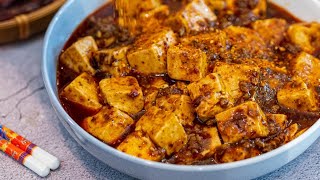
Fermented soybeans (GuiZhou style) 貴州傳統風味

[640],shadow=true,start=,stop=

Chinese cuisine is an intricate tapestry of flavors, techniques, and regional specialties that has evolved over thousands of years. From the fiery spices of Sichuan to the delicate dim sum of Cantonese cuisine, every region of China offers its own culinary delights. For visitors to China, exploring the diverse and dynamic world of Chinese food is an essential part of experiencing the country's rich cultural heritage. Here's a more extensive exploration of Chinese cuisine for visitors:

Regional Diversity:
Sichuan Cuisine: Hailing from the southwestern province of Sichuan, this cuisine is famed for its bold, spicy, and numbing flavors. Sichuan peppercorns, chili peppers, and aromatic spices are used liberally in dishes like Mapo Tofu, Dan Dan Noodles, and Sichuan Hot Pot, creating a symphony of flavors that tingles the taste buds.

Cantonese Cuisine: With its emphasis on fresh ingredients and delicate flavors, Cantonese cuisine is highly regarded for its seafood dishes, roasted meats, and dim sum. Steamed fish, Char Siu (barbecue pork), and Har Gow (shrimp dumplings) are just a few examples of the exquisite dishes that showcase Cantonese culinary mastery.

Shanghai Cuisine: Reflecting its coastal location and cosmopolitan history, Shanghai cuisine combines influences from Jiangsu, Zhejiang, and Anhui provinces. Sweet and Sour Mandarin Fish, Shanghai Soup Dumplings (Xiaolongbao), and Drunken Chicken are some of the signature dishes that highlight the diverse flavors and textures of this culinary tradition.

Beijing Cuisine: As the capital of China, Beijing boasts a rich culinary heritage deeply rooted in imperial traditions. Peking Duck, a dish with crispy skin and succulent meat served with pancakes and hoisin sauce, is a quintessential Beijing delicacy. Other notable dishes include Zhajiangmian (Beijing Noodles), Mongolian Hot Pot, and Beijing-style meat pies.

Hunan Cuisine: Known for its bold and aromatic flavors, Hunan cuisine features dishes that are spicy, sour, and intensely flavorful. Chairman Mao's Red-Braised Pork, Dong'an Chicken, and Steamed Fish Head with Chopped Chili exemplify the fiery and robust nature of Hunanese cooking, which makes ample use of chili peppers, garlic, and fermented ingredients.

Street Food and Snacks:
Jianbing: This savory Chinese crepe is a popular breakfast option, consisting of a thin pancake filled with eggs, scallions, cilantro, and various fillings such as crispy fried dough, pickled vegetables, or chili sauce.

Baozi: These steamed buns are filled with a variety of savory or sweet fillings, including pork, vegetables, or red bean paste. Baozi are a popular street food snack and can be found in teahouses, markets, and street stalls across China.

Roujiamo: Often referred to as Chinese Hamburgers, roujiamo features savory braised meat stuffed inside a flatbread, offering a hearty and flavorful snack that's perfect for on-the-go eating.

Dining Etiquette and Customs:
Family-Style Dining: Chinese meals are typically served family-style, with multiple dishes shared among diners seated around a table. It's customary to use chopsticks to pick up food from communal dishes and to serve elders before oneself.

Toasting and Ganbei: When dining with Chinese hosts, expect toasts (ganbei) with alcohol, usually baijiu (Chinese liquor). It's polite to reciprocate the toast and drink in moderation, but declining politely is acceptable if you don't drink alcohol.

Tea Culture: Tea is an integral part of Chinese dining culture, with a wide variety of teas available to complement different dishes. Green tea, oolong tea, and pu'er tea are among the most popular choices, and serving tea to guests is a sign of hospitality and respect.

Street Markets and Night Markets:
Wangfujing Snack Street, Beijing: Located near the Forbidden City, this bustling street market offers a wide variety of traditional snacks, street food, and local delicacies. Visitors can sample everything from scorpions on a stick to traditional Beijing snacks like Jianbing and Tanghulu (candied fruit skewers).

Shanghai Old Street, Shanghai: Nestled in the heart of the city's historic district, Shanghai Old Street is a bustling marketplace where visitors can explore narrow alleyways lined with traditional shops, street vendors, and food stalls. From steamed dumplings and stinky tofu to hand-pulled noodles and sugar-coated haws, there's something to satisfy every craving.

Dietary Considerations:
Vegetarian and Vegan Options: While Chinese cuisine traditionally features a wide range of meats and animal products, vegetarian and vegan options are becoming increasingly available, especially in larger cities and tourist destinations. Buddhist restaurants (????, ssh c?nt?ng) often offer meat-free versions of classic dishes, and plant-based ingredients like tofu, mushrooms, and seasonal vegetables are widely used in Chinese cooking.

Exploring the diverse and delicious world of Chinese cuisine is an essential part of any visit to China. From regional specialties and street food snacks to dining etiquette and cultural customs, the culinary landscape of China offers a rich tapestry of flavors, traditions, and experiences that are sure to delight and inspire visitors from around the world. Bon apptit!.

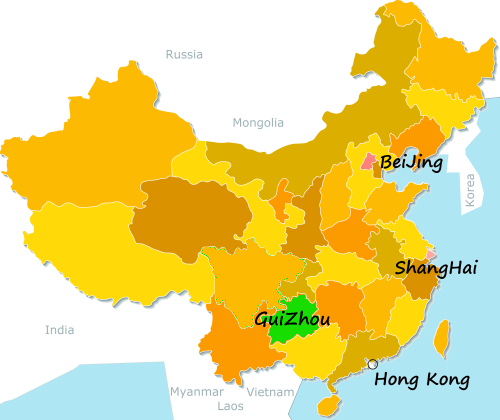
GuiZhou map

Related Videos


Featured Videos

QingZhou Old Town, ShanDong province 青州古城
With Clare Traveling Pandaland ... "Join me on a fun adventure through Qingzhou Ancient City, one of China’s hidden gems full of history, culture, and delicious food! In this vlog, we stroll down the lively Zhaode Ancient Street, explore the tranquil beauty of Ou Garden, admire the unique East-meets-West architecture of the Catholic Church, and step into the spiritual heart of the San Guan Temple. We’ll also visit the Ouyang Xiu Memorial Hall, honoring one of the greatest scholars of the Northern Song Dynasty. And of course—what’s a trip without food? 🥣 I’ll take you to a local favorite Lamb Soup restaurant, a must-try dish in Qingzhou that locals swear by."
XianYang city, ShaanXi province
With Valeriy Blank ... Visitor Guide to XianYang Introduction to XianYang XianYang (咸阳), located in ShaanXi Province, is one of China's most historically significant cities. As the ancient capital of the Qin Dynasty (221–206 BCE), XianYang played a pivotal role in Chinese history and culture. Today, it is a vibrant city that blends its rich past with modern development, offering visitors a unique mix of historical sites, cultural experiences, and natural beauty. Top Attractions in XianYang Maoling Mausoleum (茂陵) - The tomb of Emperor Wu of the Han Dynasty, surrounded by smaller tombs of his concubines and generals. The site features impressive stone carvings and statues. Qianling Mausoleum (乾陵) - The joint burial site of Emperor Gaozong and Empress Wu Zetian, the only female emperor in Chinese history. The site is known for its grand scale and the famous "Silent Statues" lining the Sacred Way. XianYang Museum (咸阳博物馆) - A treasure trove of artifacts from the Qin and Han Dynasties, including pottery, jade, and bronze ware. The museum provides a deep dive into the region's history. ZhangLiang Temple (张良庙) - A temple dedicated to ZhangLiang, a famous strategist and statesman of the early Han Dynasty. The temple is set in a serene environment with beautiful architecture. FengHe River Scenic Area (沣河风景区) - A picturesque area along the FengHe River, perfect for leisurely walks, boating, and enjoying the natural scenery. Local Cuisine XianYang is known for its delicious ShaanXi cuisine, which features bold flavors and hearty dishes. Some must-try foods include: BiangBiang Noodles (BiangBiang Mian) - Thick, hand-pulled noodles served with a savory sauce, often topped with vegetables and meat. RouJiaMo (肉夹馍) - Often referred to as the "Chinese hamburger," this dish consists of braised pork stuffed inside a flatbread. YangRou PaoMo (羊肉泡馍) - A hearty lamb soup with crumbled flatbread, a specialty of ShaanXi Province. LiangPi (凉皮) - Cold, chewy noodles made from wheat or rice flour, served with a spicy and tangy sauce. Getting Around XianYang XianYang is well-connected by public transportation, making it easy to explore the city and its surroundings. Options include: Buses: The city has an extensive bus network that connects major attractions and neighborhoods. Taxis: Taxis are readily available and affordable for getting around the city. Bicycles: Renting a bicycle is a great way to explore XianYang at your own pace, especially along the FengHe River. High-Speed Rail: XianYang is just a short ride from Xi'An via high-speed rail, making it easy to combine visits to both cities. Best Time to Visit The best time to visit XianYang is during the spring (March–May) and autumn (September–November) when the weather is mild and pleasant. These seasons are ideal for exploring outdoor attractions like the FengHe River Scenic Area and the ancient mausoleums. Tips for Visitors Language: Mandarin is the primary language spoken in XianYang. Learning a few basic phrases can be helpful, especially in more rural areas. Currency: The local currency is the Chinese Yuan (CNY). Credit cards are accepted in most hotels and restaurants, but it's a good idea to carry cash for smaller establishments. Etiquette: When visiting historical sites, dress modestly and be respectful of local customs and traditions. Health and Safety: XianYang is generally a safe city, but it's always a good idea to take standard precautions, such as keeping an eye on your belongings and staying aware of your surroundings. Conclusion XianYang is a city steeped in history and culture, offering visitors a chance to step back in time and explore the legacy of ancient China. From its majestic mausoleums to its vibrant local cuisine, XianYang is a destination that promises a rich and rewarding experience. Whether you're a history enthusiast, a food lover, or simply looking to explore a lesser-known gem in ShaanXi Province, XianYang is sure to leave a lasting impression.
BeiJing bicycle ride
A guide to beautiful GuiZhou 贵州 province
GuiZhou is a mountainous province in south China, known for its awesome scenery, ancient rural villages and diverse ethnic cultures. GuiZhou borders SiChuan and ChongQing to the north, YunNan to the west, GuangXi to the south and HuNan to the east. The provincial capital is GuiYang. Many Chinese ethnic minorities have been living in this region for many centuries; these include the Miao, Yao, Yi, Qiang, Dong, Zhuang, BouYei, Bai, TuJia, GeLao and Sui.
The beautiful WuYi Mountains 武夷山
WuYiShan lies in FuJian province and is a UNESCO World Heritage Site.
Going to University ?  Go to / stay in China
Chinese students are increasingly, and rightly so, avoiding studying in the West, where standards are declining, fees are extremely high, healthcare is either appalling or extremely expensive, the cities and towns are dingy and filled with homeless people and violence, the accommodation is dreadful and the food even worse; and where dangers abound. In contrast, Chinese universities are the far better choice. Besides, why fund countries that see China as an adversary, where Chinese products are banned and the media is increasingly hostile, and you could be labelled a spy ? Don't waste the 'best years of your life' ! YT comments : "I’m from Canada and I would never send my kids to study on the US. It’s just not safe. The quality of US education is declining. I’d rather send my kids to school in China than US." "The university in the West has very little to offer other than the English language. Chinese technology is more advanced, and Chinese students get better jobs after finishing Chinese university." "Let's be realistic. Where can you learn the AI best? China. Where can you learn quantum computer? China. Where can you learn best about rocket engines and space science? China landed a rover on the moon several times. Where can you learn chemistry and micro biology? China. Do you name anything? China has more advanced technology. Chinese students learn and speak English in China, so why pay high tuition to learn English outside?"
Vegan street food in ChangSha, HuNan province
With Vegan in China ... With GoYvon ... Vegan Food in China Introduction China is a vast country with a rich culinary history, and it offers a variety of delicious vegan options. From traditional Buddhist vegetarian cuisine to modern plant-based dishes, vegan travelers will find a wide range of flavors and textures to enjoy. This guide explores the vegan food scene in China, highlighting popular dishes, regional specialties, and tips for finding vegan-friendly restaurants. Traditional Vegan Dishes Many traditional Chinese dishes are naturally vegan or can be easily modified to suit a vegan diet. Here are some popular vegan dishes you can find throughout China: Mapo Tofu (麻婆豆腐) Mapo Tofu is a spicy and flavorful dish made with soft tofu, fermented black beans, and a chili sauce. While the traditional version often includes minced meat, you can find vegan versions at many restaurants or request it without meat. Buddha's Delight (罗汉斋) Buddha's Delight is a popular vegetarian dish in Chinese Buddhist cuisine. It consists of a variety of vegetables, tofu, and sometimes mushrooms, all stir-fried in a savory sauce. This dish is often served during Chinese New Year and other festive occasions. Jiaozi (饺子) Jiaozi, or dumplings, can be found with various vegan fillings such as mushrooms, cabbage, and tofu. These delicious dumplings are often steamed or boiled and served with a soy-based dipping sauce. Stir-Fried Vegetables (炒青菜) Stir-fried vegetables are a staple in Chinese cuisine and can be easily found in almost any restaurant. Common vegetables used include bok choy, spinach, broccoli, and snow peas, all stir-fried with garlic and a light soy sauce. Regional Specialties Sichuan Cuisine Sichuan cuisine is known for its bold and spicy flavors. Many dishes can be made vegan by substituting meat with tofu or vegetables. Look for dishes like Sichuan Hot Pot with vegetable broth and an array of vegetables, or Kung Pao Tofu, a spicy stir-fry with peanuts and vegetables. Cantonese Cuisine Cantonese cuisine features lighter flavors and fresh ingredients. Popular vegan options include Dim Sum with vegetable fillings, stir-fried greens, and Congee, a rice porridge that can be made with mushrooms and other vegetables. Shandong Cuisine Shandong cuisine is known for its hearty and savory dishes. Vegan options include stir-fried tofu, vegetable stews, and steamed buns filled with vegetables. Shandong cuisine also features a variety of soups made with vegetables and grains. Finding Vegan-Friendly Restaurants While many traditional Chinese restaurants offer vegan options, there are also specialized vegetarian and vegan restaurants in major cities. Here are some tips for finding vegan-friendly places to eat: Use Apps: Apps like HappyCow can help you find vegan and vegetarian restaurants in China. These apps often include reviews and recommendations from other travelers. Learn Key Phrases: Knowing a few key phrases in Mandarin can be helpful when ordering food. For example, "wǒ chī sù" (我吃素) means "I eat vegetarian" and "bù yào ròu" (不要肉) means "no meat". Visit Buddhist Temples: Many Buddhist temples have vegetarian restaurants that serve delicious vegan meals. These are often affordable and offer a peaceful dining experience. Ask for Modifications: Don't hesitate to ask for modifications to make a dish vegan. Most restaurants are accommodating and can make adjustments to suit your dietary needs. Vegan Snacks and Street Food China's street food scene is vibrant and offers many vegan-friendly options. Here are some popular vegan snacks and street foods to try: Sesame Balls (麻团) Sesame balls are deep-fried pastries made with glutinous rice flour and filled with sweet red bean paste. They are coated in sesame seeds, giving them a crunchy texture and a sweet flavor. Spring Rolls (春卷) Spring rolls are a popular snack made with thin pastry wrappers filled with vegetables and sometimes tofu. They are usually deep-fried to a crispy golden brown and served with a dipping sauce. Grilled Vegetables (烤蔬菜) Many street vendors offer grilled vegetables, such as corn on the cob, mushrooms, and bell peppers. These are often seasoned with a mix of spices and grilled to perfection. Tofu Skewers (豆腐串) Tofu skewers are a popular street food snack made with marinated tofu chunks grilled on skewers. They are often seasoned with chili and cumin, giving them a spicy and savory flavor. Vegan Grocery Shopping In addition to dining out, you can also find a variety of vegan products in grocery stores and markets in China. Look for fresh fruits and vegetables, tofu, tempeh, and plant-based milk. Many supermarkets also carry imported vegan products such as plant-based meat, dairy-free cheese, and vegan snacks. Travel Tips for Vegans Plan Ahead: Research vegan-friendly restaurants and grocery stores in advance, especially if you're traveling to less touristy areas where options might be limited. Pack Snacks: Carrying snacks like nuts, dried fruit, and energy bars can be helpful when you're on the go and need a quick vegan option. Communicate Clearly: Use translation apps or carry a card with dietary preferences written in Mandarin to help communicate your needs to restaurant staff. Be Open-Minded: Trying new foods is part of the travel experience. Be open to exploring local vegan dishes and experimenting with new flavors and ingredients. Stay Informed: Join online vegan communities and forums to get tips and recommendations from other vegan travelers in China.
A walk through Nan Lian Garden 南莲园 in Hong Kong
Nán Lián Yuán is a fine and beautiful example of Chinese garden arts ...
ZhangJiaJie, WuLing scenic area / national park, HuNan province
With Little Chinese Everywhere ... Amazing infrastructure in HuNan province ... Don't look down !

Tag search ?