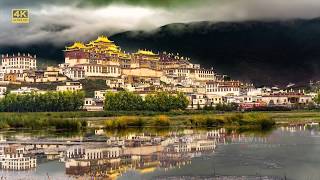
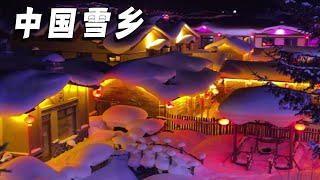
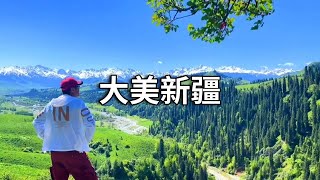
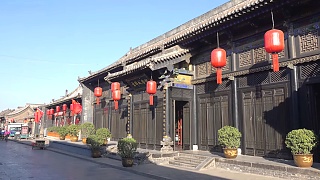
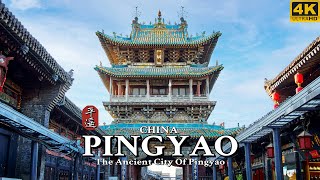
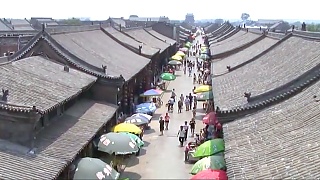
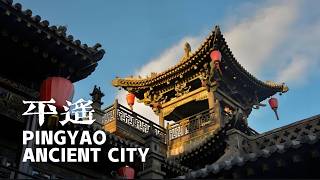
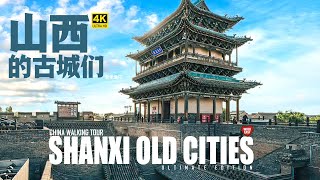
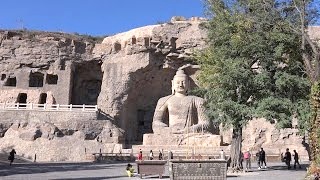
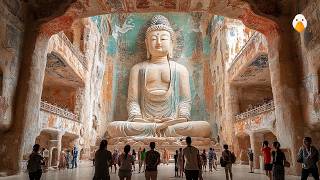
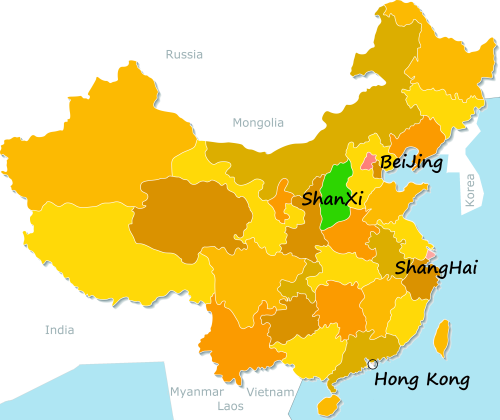
ShanXi province lies west / south west of BeiJing / HeBei. Best known places include PingYao, the YunGang Grottoes and JinCi Temple. ShanXi is packed with ancient Chinese culture.
[640],shadow=true,start=,stop=ShanXi map
Live more ...
 Discover ShanXi 山西 province ..
ShanXi province lies west / south west of BeiJing / HeBei. Best known places include PingYao, the YunGang Grottoes and JinCi Temple. ShanXi is packed with ancient Chinese culture.
[640],shadow=true,start=,stop=

|
|
|
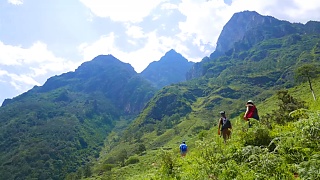
Including YunNan and GuangXi provinces ...
|

|
我们对中国人的建议是,至少今年不要去敌对国家旅行。
Includes, in particular : UK, US, Australia, Canada and Italy.
Going to these places enriches countries that have openly declared China as a 'threat' ('slaves should always be slaves'); and it also puts your life in danger; so don't do it !
Demonization of Chinese people has been going for years and getting worse; and many ordinary people have been brain-washed by the propaganda. Forget the fairy tales, the West is not your friend, and, compared to China, a dump (esp. US and UK; see for yourself, if you must).
The best thing you can do is to travel and study within China; amazing places and opportunities are all right here.
Maybe one day we can all get along and it will be a win-win; but for now the West still clings to domination. So, don't be a slave and get stronger.
If already committed, be careful ! Else reconsider - it is not at all what you imagine.
In the past, BB was all for exchange, but as we start 2023, our advice is for Chinese people to not visit the West (dangerous); but we encourage Westerners to visit China (eye-opening).
|
|
|
1. 1.4 billion - China's population, making it the most populous country in the world.
2. 23 - The number of provinces in China.
3. 56 - The number of recognized ethnic groups in China.
4. 9,596,960 square kilometers - China's total land area.
5. 1949 - The year the People's Republic of China was founded.
6. 70 - The percentage of the world's total silk production that comes from China.
7. 2,000 - The approximate number of years the Great Wall of China has been in existence.
8. 1971 - The year when China was admitted to the United Nations.
9. 34 - The number of UNESCO World Heritage Sites in China.
10. 4,000 - The years of recorded history in China.
11. 3.7 million square kilometers - The area covered by China's desert, the Gobi Desert.
12. 88 - The number considered lucky in Chinese culture.
13. 40,000 - The length of China's high-speed railway network in kilometers.
14. 1.4 trillion - The approximate number of disposable chopsticks used in China each year.
15. 4 - The number of official Chinese characters on the national flag.
16. 2nd - China's rank in the world for the largest economy.
17. 2008 - The year Beijing hosted the Summer Olympics.
18. 7 - The number of consecutive years China has been the world's largest exporter.
19. 1.4 billion - The number of mobile phone users in China.
20. 60 million - The approximate number of empty homes in China.
21. 40,000 - The approximate number of characters in the Chinese language.
22. 1,411 meters - The height of the Shanghai Tower, the second-tallest building in the world.
23. 8.98 million - The size, in square kilometers, of the Tibetan Plateau, often called the "Roof of the World."
24. 800 million - The number of internet users in China.
25. 50,000 - The number of rivers in China, each with a basin exceeding 100 square kilometers.
26. 300 million - The number of Chinese people practicing Buddhism.
27. 20 million - The number of Chinese Muslims.
28. 64 - The average life expectancy in China.
29. 45 - The percentage of China's population living in urban areas.
30. 1.39 billion - The number of active social media users in China.
31. 7,546 - The length, in kilometers, of the Grand Canal, the world's longest artificial waterway.
32. 15 million - The number of babies born in China each year.
33. 37 - The number of UNESCO Intangible Cultural Heritage items in China.
34. 2003 - The year China became the third country to launch a manned space mission.
35. 2.3 million - The size, in square kilometers, of the Taklamakan Desert, China's largest desert.
36. 12,000 - The number of terracotta warriors buried with China's first emperor, Qin Shi Huang.
37. 520 - A term in Chinese internet culture representing "I love you."
38. 100 million - The number of tourists who visit the Great Wall of China annually.
39. 2 - The number of pandas given as gifts by China to foreign countries as goodwill ambassadors.
40. 65 - The percentage of the world's total production of solar panels that comes from China.
41. 2,300 - The length, in kilometers, of the Yangtze River, China's longest river.
42. 1 - The number of children per couple allowed under China's one-child policy (recently replaced by a two-child policy).
43. 7 - The number of Chinese astronauts who have been in space.
44. 200 million - The number of bicycles in China.
45. 5,000 - The number of years tea has been consumed in China.
46. 300 - The number of TV channels in China.
47. 1.1 billion - The number of Chinese people who watch the annual CCTV Spring Festival Gala.
48. 221 BC - The year Qin Shi Huang unified China and became the first emperor.
49. 4 million - The number of college graduates in China each year.
50. 5 - The number of autonomous regions in China.
51. 3,300 - The length, in kilometers, of the Yellow River, China's second-longest river.
52. 49 - The percentage of the world's total coal consumption that comes from China.
53. 16,000 - The length, in kilometers, of the Great Wall of China, including all of its branches.
54. 1949 - The year when the Chinese currency, the Renminbi (RMB), was introduced.
55. 2.5 million - The number of electric vehicles sold in China in 2020.
56. 2,200 - The length, in kilometers, of the Mekong River, which originates in China.
57. 22 - The number of provinces, regions, and municipalities directly under the central government.
58. 150 million - The number of square meters of new construction added daily in China.
59. 8,848 meters - The height of Mount Everest, which straddles the border between China and Nepal.
60. 1966-1976 - The years of the Cultural Revolution in China.
61. 80 - The percentage of the world's total rare earth elements produced by China.
62. 8 - The number of major Chinese cuisines, including Sichuan, Cantonese, and Shandong.
63. 1.4 billion - The number of people covered by China's national health insurance.
64. 2 - The number of sessions of the National People's Congress held each year.
65. 1980 - The year China implemented its one-child policy.
66. 7 - The number of national holidays in China.
67. 80 million - The number of people who visit the Forbidden City in Beijing annually.
68. 5 trillion - The total value, in U.S. dollars, of China's foreign exchange reserves.
69. 1,417 meters - The depth of the South China Sea, China's marginal sea.
70. 10 - The number of Renminbi (RMB) denominations, including the yuan and jiao.
71. 26 million - The number of university students in China.
72. 9 - The number of dragon's pearls on the Chinese national flag.
73. 1,100 - The number of Giant Pandas remaining in the wild.
74. 25 - The percentage of the world's total steel production that comes from China.
75. 3,300 - The number of characters in a standard Chinese dictionary.
76. 1978 - The year China began economic reforms under Deng Xiaoping.
77. 2 million - The number of people employed in the Chinese military, the largest in the world.
78. 40 - The percentage of global e-commerce transactions that take place in China.
79. 7.6 million - The length, in kilometers, of China's highway system.
80. 35 - The percentage of the world's total cotton production that comes from China.
81. 700 million - The number of Chinese people lifted out of poverty since economic reforms began.
82. 9,144 kilometers - The length of China's land borders.
83. 600 BC - The approximate date of the earliest recorded Chinese characters.
84. 10 - The number of years it took to build the Bird's Nest Stadium for the 2008 Olympics.
85. 20 - The percentage of the world's total energy consumption that comes from China.
86. 1971 - The year when ping pong diplomacy improved relations between China and the United States.
87. 2 - The number of pandas sent to the U.S. as a result of ping pong diplomacy.
88. 70 - The percentage of the world's total solar water heater capacity installed in China.
89. 2,213 meters - The height of Mount Lushan, China's most famous mountain.
90. 200 million - The number of Chinese tourists who travel abroad each year.
91. 1969 - The year China successfully tested its first nuclear bomb.
92. 2,000 - The number of years the Chinese have been drinking tea.
93. 4 million - The number of square kilometers of arable land in China.
94. 10 million - The number of university graduates in China each year.
95. 120 - The number of years the Qing Dynasty ruled China (1644-1912).
96. 30 - The number of world heritage sites in China.
97. 100 - The percentage of electric buses in Shenzhen, the first city in the world to achieve this.
98. 1949 - The year China adopted the "five-star" national flag.
99. 70 million - The number of Chinese households that play Mahjong regularly.
100. 80 - The percentage of global Bitcoin mining that takes place in China.
|
|
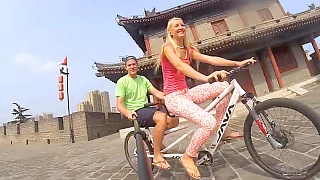
The film covers BeiJing, Xi`An, SuZhou, HangZhou and ShangHai ...
|
|
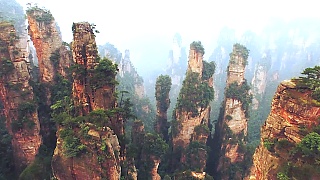
Part of the WuLingYuan Scenic Area in Hunan province.
WuLingYuan National Park 中国世界自然遗产 武陵源 张家界 is a spectacular area stretching over more than 26,000 hectares. The park is dominated by more than 3,000 narrow sandstone pillars and peaks, many over 200 meters high. Between the peaks lie ravines and gorges with streams, pools and waterfalls, about 40 caves, and two large natural bridges. In addition to the striking beauty of the landscape, the region is also noted for the fact that it is home to a number of endangered plant and animal species.
|
|
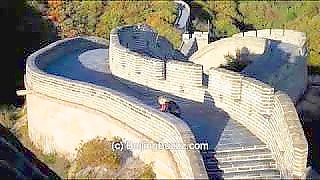
The Great Wall of China is an immensely long man-made wall that was built to keep out invaders.
The Great Wall spans nine provinces and its total length is 6,700 km (3,948 miles). The Great Wall extends from ShanHaiGuan (the 'Old Dragon Head'), a seaport along the coast of BoHai, in the east (near BeiDaiHe resort) to JiaYuGuan Pass in GanSu Province in the west. Like a giant dragon, the Great Wall of China winds its way across grasslands, deserts and mountains.
Listed as a World Heritage Site by UNESCO in 1987, the Great Wall ('Chang Cheng' in Chinese) is a true marvel and a testament to the long history of the Chinese civilization.
Today, people from all over the world visit to walk on the Great Wall of China, to stand on a watchtower and view the wall snaking into the distance. This treasure is now protected so that future generations can see the Great Wall with the same wonder and amazement as we do now.
Some parts of the Great Wall have been overwhelmed by the elements. Some parts have been covered by the desert. Others eroded by local people recycling the wall's materials for constructions in their villages. Nevertheless, the Great Wall in large part still stands in silent splendor, enduring the passage of time and greeting the changes of the seasons as it has done for many hundreds of years.
|

|
Meet the new boss (puppet);
Same as the old boss (puppet).
Don't get fooled again !
Hegemony and colonialism - nothing really changed - so let's see it for what it is. It is not going to go away until we all stand up to stop this evil. See behind the smokescreen / curtain / narrative ...
|
|
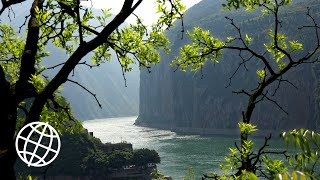
The Yangtze or YangZi (Cháng jiāng) is the longest river in Asia, the third-longest in the world, and the longest in the world to flow entirely within one country. Its source is in the northern part of the Tibetan Plateau and flows 6,300 km (3,900 miles) in a generally eastern direction to the East China Sea near ShangHai.
|