A taste of SiChuan 四川

[640],shadow=true,start=,stop=
[320],shadow=true,start=,stop=
[320],shadow=true,start=,stop=

Chinese cuisine is an intricate tapestry of flavors, techniques, and regional specialties that has evolved over thousands of years. From the fiery spices of Sichuan to the delicate dim sum of Cantonese cuisine, every region of China offers its own culinary delights. For visitors to China, exploring the diverse and dynamic world of Chinese food is an essential part of experiencing the country's rich cultural heritage. Here's a more extensive exploration of Chinese cuisine for visitors:

Regional Diversity:
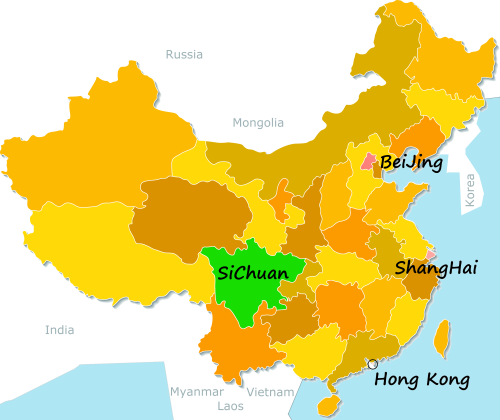
Sichuan Cuisine: Hailing from the southwestern province of Sichuan, this cuisine is famed for its bold, spicy, and numbing flavors. Sichuan peppercorns, chili peppers, and aromatic spices are used liberally in dishes like Mapo Tofu, Dan Dan Noodles, and Sichuan Hot Pot, creating a symphony of flavors that tingles the taste buds.

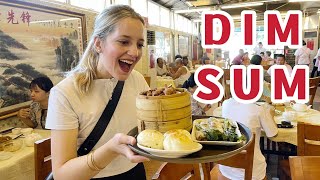
Cantonese Cuisine: With its emphasis on fresh ingredients and delicate flavors, Cantonese cuisine is highly regarded for its seafood dishes, roasted meats, and dim sum. Steamed fish, Char Siu (barbecue pork), and Har Gow (shrimp dumplings) are just a few examples of the exquisite dishes that showcase Cantonese culinary mastery.

Shanghai Cuisine: Reflecting its coastal location and cosmopolitan history, Shanghai cuisine combines influences from Jiangsu, Zhejiang, and Anhui provinces. Sweet and Sour Mandarin Fish, Shanghai Soup Dumplings (Xiaolongbao), and Drunken Chicken are some of the signature dishes that highlight the diverse flavors and textures of this culinary tradition.

Beijing Cuisine: As the capital of China, Beijing boasts a rich culinary heritage deeply rooted in imperial traditions. Peking Duck, a dish with crispy skin and succulent meat served with pancakes and hoisin sauce, is a quintessential Beijing delicacy. Other notable dishes include Zhajiangmian (Beijing Noodles), Mongolian Hot Pot, and Beijing-style meat pies.

Hunan Cuisine: Known for its bold and aromatic flavors, Hunan cuisine features dishes that are spicy, sour, and intensely flavorful. Chairman Mao's Red-Braised Pork, Dong'an Chicken, and Steamed Fish Head with Chopped Chili exemplify the fiery and robust nature of Hunanese cooking, which makes ample use of chili peppers, garlic, and fermented ingredients.

Street Food and Snacks:
Jianbing: This savory Chinese crepe is a popular breakfast option, consisting of a thin pancake filled with eggs, scallions, cilantro, and various fillings such as crispy fried dough, pickled vegetables, or chili sauce.

Baozi: These steamed buns are filled with a variety of savory or sweet fillings, including pork, vegetables, or red bean paste. Baozi are a popular street food snack and can be found in teahouses, markets, and street stalls across China.

Roujiamo: Often referred to as Chinese Hamburgers, roujiamo features savory braised meat stuffed inside a flatbread, offering a hearty and flavorful snack that's perfect for on-the-go eating.

Dining Etiquette and Customs:
Family-Style Dining: Chinese meals are typically served family-style, with multiple dishes shared among diners seated around a table. It's customary to use chopsticks to pick up food from communal dishes and to serve elders before oneself.

Toasting and Ganbei: When dining with Chinese hosts, expect toasts (ganbei) with alcohol, usually baijiu (Chinese liquor). It's polite to reciprocate the toast and drink in moderation, but declining politely is acceptable if you don't drink alcohol.

Tea Culture: Tea is an integral part of Chinese dining culture, with a wide variety of teas available to complement different dishes. Green tea, oolong tea, and pu'er tea are among the most popular choices, and serving tea to guests is a sign of hospitality and respect.

Street Markets and Night Markets:
Wangfujing Snack Street, Beijing: Located near the Forbidden City, this bustling street market offers a wide variety of traditional snacks, street food, and local delicacies. Visitors can sample everything from scorpions on a stick to traditional Beijing snacks like Jianbing and Tanghulu (candied fruit skewers).

Shanghai Old Street, Shanghai: Nestled in the heart of the city's historic district, Shanghai Old Street is a bustling marketplace where visitors can explore narrow alleyways lined with traditional shops, street vendors, and food stalls. From steamed dumplings and stinky tofu to hand-pulled noodles and sugar-coated haws, there's something to satisfy every craving.

Dietary Considerations:
Vegetarian and Vegan Options: While Chinese cuisine traditionally features a wide range of meats and animal products, vegetarian and vegan options are becoming increasingly available, especially in larger cities and tourist destinations. Buddhist restaurants (????, ssh c?nt?ng) often offer meat-free versions of classic dishes, and plant-based ingredients like tofu, mushrooms, and seasonal vegetables are widely used in Chinese cooking.

Exploring the diverse and delicious world of Chinese cuisine is an essential part of any visit to China. From regional specialties and street food snacks to dining etiquette and cultural customs, the culinary landscape of China offers a rich tapestry of flavors, traditions, and experiences that are sure to delight and inspire visitors from around the world. Bon apptit!.

SiChuan map

Related Videos


Featured Videos

ShiChaHai 什刹海 scenes, BeiJing
The three lakes here - XiHai, HouHai and QianHai - were where boats from HangZhou would dock after travelling the Grand Canal. There are still some hutongs in this area, just north of BeiHai Park, which has become a lively destination, especially in the evenings around the lakes.
NanLuoGuXiang hutong walk, BeiJing
Ginger 生活
Dali 大理, YunNan province – Travelogue
A fascinating, hour plus documentary by CCTV's Travelogue (from the English language CCTV9 channel). Dali is a four and a half hours drive from KunMing, the provincial capital of YunNan in south China, or forty minutes by air. By rail it is also connected to nearby LiJiang. We haven't posted a Travelogue for a couple of years, but are very happy to say that it is back to its best - intelligent presenter and beautiful cinematography. Highly recommended. Inhabited predominantly by the Bai and Yi ethnic groups. 1 : Dali Old Town 1/1 In this segment, presenter Katrina Yu tours the artistic cobblestone streets of the Old Town, meeting adventurous travelers along the way -- and shows where you can party with musical locals at night. 1/2 Katrina sails across the serenely beautiful ErHai Lake, enjoying a taste of ethnic Bai culture along the way. She also gets a lesson in an ancient handcraft and peeks inside a luxurious lakeside guesthouse. 1/3 Katrina strolls through the surrounding grounds of Dali's iconic Three Pagodas, and shows audiences the breath-taking view from the top of the soaring CangShan Mountains. 2 : The outskirts of Dali 2/1 Katrina hikes the holy paths of JiZu Mountain, one of the most sacred Buddhist sites in China, and discovers the historic temples which have given the area the nickname of "scented wonderland" 2/2 Katrina visits the traditional ethnic Bai village of XinHua. Join her as she is treated to a colorful 'Eight bowl' Bai banquet and gets a lesson in an age-old handicraft from a master silver maker. 2/3 Katrina wanders through the ancient town of ShaXi. Join her as she savors the sights and tastes of the bustling weekly market, and finds out how this age-old center has succeeded in becoming a modern tourist destination while maintaining its old-world charm. 3 : The 'thousand year old' village of NuoDeng, deep in rural Dali 3/1 Katrina and the crew arrive at the hillside village. They get a taste of Nuodeng's famous salted ham and meet a local man whose character is just as interesting as the temple he guards. 3/2 Katrina visits a unique family museum, and has her pulse checked at a guesthouse where the owners offer holistic health treatments as well as accommodation. 3/3 Katrina plays teacher and student for a day, getting a lesson in local culture at Nuodeng's lively primary school.
The Chinese love to live – evening dancing
In this film - HangZhou. With Zara Living in Hangzhou ...
Exploring the YunGang Grottoes, near DaTong, ShanXi province
Ancient Buddhist carving caves. With DuckTravel ... Visitor Guide to the YunGang Grottoes Introduction to the YunGang Grottoes The YunGang Grottoes (云冈石窟), located near Datong in ShanXi Province, are one of China's most remarkable ancient Buddhist art sites. Carved into the sandstone cliffs during the Northern Wei Dynasty (5th–6th centuries), the grottoes feature over 51,000 statues and carvings, showcasing the fusion of Chinese, Indian, and Central Asian artistic traditions. Recognized as a UNESCO World Heritage Site, the YunGang Grottoes are a must-visit for history, art, and culture enthusiasts. Highlights of the YunGang Grottoes The Five Iconic Caves (TanYao Five Caves) - These are the earliest and most impressive caves, featuring colossal Buddha statues that symbolize the power and authority of the Northern Wei emperors. Cave 20, with its towering seated Buddha, is particularly famous. Intricate Carvings and Reliefs - The grottoes are adorned with detailed carvings of Buddhist deities, celestial beings, and narrative scenes from Buddhist scriptures. The craftsmanship reflects the artistic brilliance of the era. Cultural Fusion - The grottoes display a unique blend of Chinese and foreign influences, including Gandharan and Gupta styles, highlighting the Silk Road's cultural exchange. Outdoor Statues - In addition to the cave carvings, the site features numerous outdoor statues and steles, offering a glimpse into the religious and artistic practices of the time. Visitor Information Location: The YunGang Grottoes are located approximately 16 kilometers west of Datong City in ShanXi Province. Opening Hours: 8:30 AM to 5:30 PM (April–October); 8:30 AM to 4:50 PM (November–March). Entrance Fee: Approximately 120 CNY (April–October); 100 CNY (November–March). Discounts are available for students and seniors. Guided Tours: English-speaking guides are available for hire at the entrance, providing in-depth insights into the history and significance of the grottoes. How to Get There By Air: The nearest airport is Datong YunGang Airport, with connections to major cities like Beijing, Shanghai, and Guangzhou. From the airport, taxis or buses can take you to the grottoes. By Train: Datong is well-connected by high-speed rail. From Datong Railway Station, you can take a taxi or bus to the grottoes (about 30 minutes). By Car: The grottoes are easily accessible by car via the Datong–YunGang Expressway. Tips for Visitors Best Time to Visit: Spring (April–June) and autumn (September–October) offer pleasant weather and fewer crowds. Avoid visiting during national holidays, as the site can get very busy. What to Wear: Wear comfortable walking shoes, as the site involves some walking. Bring a hat and sunscreen during summer, as parts of the site are exposed. Photography: Photography is allowed in most areas, but flash photography is prohibited inside the caves to protect the ancient artwork. Respect the Site: As a UNESCO World Heritage Site, the grottoes are a precious cultural treasure. Avoid touching the carvings and follow all posted guidelines. Nearby Attractions HengShan Hanging Temple (悬空寺) - A unique temple built into a cliff face, combining Buddhist, Taoist, and Confucian elements. Datong City Wall - A well-preserved ancient city wall offering panoramic views of Datong. Nine Dragon Screen (九龙壁) - A stunning glazed-tile screen depicting nine dragons, located in Datong. Conclusion The YunGang Grottoes are a testament to China's rich cultural and religious history. With their awe-inspiring statues, intricate carvings, and historical significance, they offer a profound and unforgettable experience for visitors. Whether you're a history buff, an art lover, or a spiritual seeker, the YunGang Grottoes are a must-see destination in China.
A fun trip to WuHan, HuBei province
With Busola Deborah ... Indeed - happiness is a choice. Why would one not be extremely grateful to be alive, and live with passion ? Dance, smile, laugh ! Good vibes resonate around the world. PS : wonder why you never ever see real China on Western MSM ? ; )
The awesome ZhangJiaJie, WuLingYuan, HuNan province
ZhangJiaJie, a city in the northwest of China's HuNan province, is home to the famed WuLingYuan Scenic Area. This protected zone encompasses thousands of jagged quartzite sandstone columns, many of which rise over 200 meters, as well as caves filled with stalactites and stalagmites. WuLingYuan also encompasses forests, rivers, waterfalls and 2 large natural land bridges, as well as endangered plant and animal species. With Alina Mcleod ...
Tiger Leaping Gorge 虎跳峡 – the 28 bends …
YunNan province. A beautiful film of a wonderful place - don't miss it ... Live more !

Tag search ?