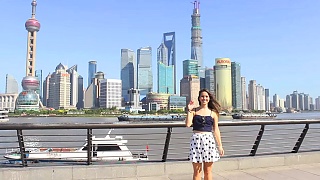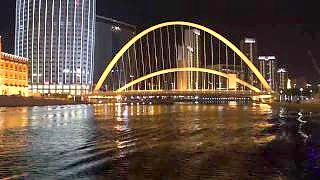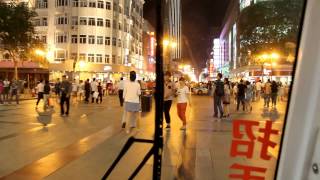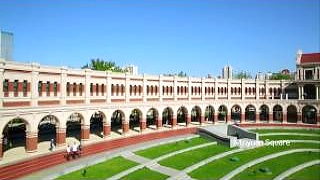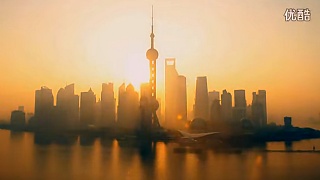
TianJin 天津 Impressions and guide

The coastal city of TianJin is a short high speed rail journey east of Beijing (about 45 minutes) ...

The beautiful HaiHe River night cruise ...

[640],shadow=true,start=,stop=

TianJin city guide ...

[320],shadow=true,start=,stop=

TianJin in time-lapse ...

[320],shadow=true,start=30,stop= [320],shadow=true,start=,stop= [320],shadow=true,start=20,stop=

Tianjin, located in northeastern China and just a short train ride from Beijing, is a bustling metropolis with a rich history, vibrant culture, and a unique blend of Chinese and Western influences. Here's a guide for tourists visiting Tianjin:

Historical and Cultural Attractions:
Tianjin Ancient Culture Street (Guwenhua Jie): This pedestrian street is lined with traditional Chinese-style buildings and shops selling arts, crafts, and souvenirs. Visitors can also enjoy street performances, local snacks, and cultural activities.

Tianjin Eye: This iconic Ferris wheel offers panoramic views of the city skyline and Hai River. It's especially stunning at night when the city lights are illuminated.

Italian Style Street (Wudadao): Located in the former British concession area, Wudadao features over 2,000 European-style buildings dating back to the late 19th and early 20th centuries. Visitors can admire the architecture, visit cafes and boutiques, and take guided tours to learn about the area's history.

Porcelain House (China House): This unique attraction is a mansion adorned with millions of porcelain fragments, creating intricate mosaics and sculptures. It's a fascinating example of modern Chinese art and architecture.

Modern Attractions:
Tianjin Binhai Library: Known for its futuristic design, this architectural marvel features a massive spherical auditorium surrounded by bookshelves that appear to float in mid-air. It's a must-visit for architecture enthusiasts and book lovers alike.

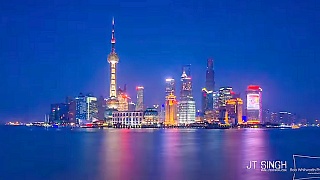
Tianjin Haihe Cultural Square: This waterfront promenade along the Hai River is a popular spot for leisurely strolls, boat rides, and cultural events. Visitors can enjoy views of the city's landmarks, including the Tianjin Eye and the Tianjin TV Tower.

Culinary Delights:
Tianjin Cuisine: Sample local specialties such as Goubuli Baozi (steamed buns filled with meat and vegetables), Jianbing (Chinese-style crepes), and Erduoyan Fried Dough Twists (a crispy snack made from twisted dough).

Guifaxiang Mahua: These twisted, fried dough snacks are a beloved Tianjin delicacy. Visitors can watch as vendors prepare them fresh on the spot and enjoy them hot and crispy.

Practical Tips:
Transportation: Tianjin has a well-developed public transportation system, including buses, subways, and taxis. The city is also easily accessible by high-speed train from Beijing and other major cities.

Language: Mandarin Chinese is the official language, but English may not be widely spoken outside of tourist areas. It's helpful to learn a few basic phrases or carry a translation app.

Weather: Tianjin has a temperate climate, with hot, humid summers and cold winters. The best times to visit are in the spring and autumn when the weather is mild and comfortable.

Tianjin offers a fascinating mix of historical charm, modern attractions, and culinary delights, making it a rewarding destination for tourists. Whether you're exploring ancient streets, admiring futuristic architecture, or savoring local flavors, Tianjin has something to offer visitors of all interests.
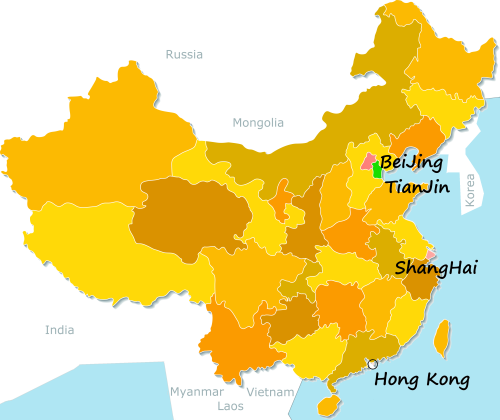
TianJin map

Related Videos


Featured Videos

China – a bird’s eye view – don’t miss it
With Stef Hoffer : Here’s a brief overview of some of the places visited in this video. After a short introduction, we begin this journey near the spectacular rice terraces of Yuanyang, before moving on to the captivating Buddhist temples of Dali. Via the peculiar Shilin Stone Forest and the ‘Rainbow Mountains’ of Zhangye, we arrive in Guangzhou (Canton), one of China’s largest cities. After the Yellow Mountains national park, and the intriguing ‘tulou’ buildings, we visit the Great Wall and the Leshan Giant Buddha, the largest such statue in the world. After flying through the ice and snow city of Harbin, where people enjoy a unique Winter event, we take a brief look at the imposing Yellow River, Hukou waterfall, Zhengzhou and Changsha cities, before stopping at the breathtaking Jiuzhaigou national park, filled with crystal clear blue lakes. The next place is the countryside in between rural Yangshuo and urban Guilin, easily one of the most popular tourist destinations in China, where the Li river meanders through bizarre karst scenery. For more diversity, we travel to Dunhuang to visit the arid Gobi Desert. We also have a look at a solar panel field and windmill park, before we fly over some heavy industry, including a steel factory, coal mine, oil refinery, concrete dam, shipyard, an oil rig, and a massive bridge. Hong Kong is our next destinations, before moving on to several places along the Yangtze river (or its distributaries), including Tiger Leaping Gorge, Chongqing, and Wuhan. On Hainan island we see the ‘tropical’ side of China, while in Xiahe and Tibet we visit the country’s highlands. From the frozen cities of Jilin and Xining we arrive in Qingdao, with its German colonial architecture and coastal vibe. In Macau we fly over the famous casinos, but also visit the Portuguese quarters, and after the rice fields of Longji (Dragon’s Backbone), we increase our altitude in the Yulong national park. After Hangzhou and Shenyang, we briefly look at one of China’s many ‘ghost towns’ and construction sites, before flying on to the surreal pillars of Zhangjiajie, and the (perhaps) equally stunning skyline of Shanghai. After showing the modern part of the city and the port (harbor), we also explore some of the disappearing neighborhoods, destroyed factories, and the strange looking ‘bicycle graveyard’. From the freezing ‘Xuexiang’ village and walled city of Pingyao we continue our journey in Xian, Shenzhen, Suzhou, and Changzhou. Finally, we take a look at the mesmerizing Yuanmou ‘Earth Forest’, Kunming city, and Lijiang, one of China’s most famous historic towns. Video chapters / timestamps: 0:00 Introduction 3:29 Yuangyang rice terraces 4:59 Chengkan 5:17 Dali 6:08 Shilin stone forest 6:50 Zhangye national park 7:55 Guangzhou 10:22 Huangshan national park 11:24 Fujian ‘tulou’ 12:03 The Great Wall 12:33 Leshan 12:55 Harbin 15:00 Yellow River 15:28 Hukou waterfall 15:50 Zhengzhou 16:20 Changsha 16:31 Jiuzhaigou national park 17:26 Yangshuo 20:25 Dunhuang 21:42 Qinghuangdao 21:58 Guazhou 22:47 Benxi, Fushun, Guangzhou, Hainan 24:19 Danjiangkou 25:12 Aizhai bridge 25:39 Hong Kong 29:19 Tiger Leaping Gorge 29:44 Chonqging 31:45 Yangtze River 33:03 Wuhan 35:41 Hainan island 38:02 Xiahe 38:51 Tibet 40:26 Jilin 40:44 Xining 41:25 Linxia 41:51 Qingdao 48:22 Macau 49:34 Longji rice terraces 49:59 Shexian 50:21 Yulong national park 51:42 Hangzhou 53:06 Shenyang 53:32 Shenfu ‘ghost town’ 54:26 Chengdu 54:46 Zhangjiajie national park 56:12 Shanghai 1:04:26 Xuexiang 1:05:49 Pingyao 1:06:28 Shenzhen 1:06:54 Xian 1:07:12 Suzhou 1:10:05 Changzhou 1:10:44 Yuangmou Earth forest 1:11:23 Kunming 1:12:43 Lijiang
Inside China Business – March / April 2025
Spring Festival lights, evening walk in ShangHai
With Wei's Travel ...
ZhangYe National GeoPark
GanSu province. With Walk East ...
The extraordinary LongJi (Dragon’s Backbone) rice terraces, GuangXi province
With EpicGlobe Walks ... Visitor Guide to the Longji Dragon’s Backbone Rice Terraces Introduction The Longji Dragon’s Backbone Rice Terraces, Longsheng County, Guangxi Province, are one of the most breathtaking agricultural landscapes in the world. These terraces, which resemble a dragon’s scales, were first built during the Yuan Dynasty (1271–1368) and have been maintained by the local Zhuang and Yao communities for centuries. The terraces are a testament to human ingenuity and harmony with nature. Best Time to Visit The Longji Rice Terraces are stunning year-round, but the best times to visit are: Spring (April–May): The terraces are filled with water, creating a mirror-like effect that reflects the sky and surrounding mountains. Summer (June–August): The rice paddies are lush and green, offering a vibrant landscape. Autumn (September–October): The rice turns golden, creating a warm, picturesque scene. Winter (November–February): The terraces are sometimes covered in snow, offering a serene and unique view. How to Get There The Longji Rice Terraces are approximately 100 kilometers from Guilin. Here’s how to reach them: By Bus: Take a bus from Guilin Bus Station to Longsheng (about 2 hours). From Longsheng, transfer to a local bus or taxi to the terraces (another 1 hour). By Private Car: Hiring a private car or taxi from Guilin is a convenient option and takes about 2.5 hours. By Tour: Many tour operators in Guilin offer day trips to the terraces, including transportation and guided tours. Main Attractions 1. Ping’an Terraces The Ping’an Terraces are the most accessible and popular section of the Longji Rice Terraces. Highlights include: Seven Stars with Moon: A cluster of seven small rice paddies surrounding a larger one, resembling stars and the moon. Nine Dragons and Five Tigers: A scenic spot where the terraces resemble dragons and tigers. 2. Jinkeng Terraces The Jinkeng Terraces are less crowded and offer stunning views. Key spots include: Golden Buddha Peak: The highest point in the area, offering panoramic views of the terraces. Yao Minority Villages: Visit the traditional villages of the Yao people, known for their long hair customs. Activities Hiking: Explore the terraces on foot via well-marked trails. Popular routes include Ping’an to Jinkeng and vice versa. Photography: Capture the stunning landscapes, especially during sunrise and sunset. Cultural Experiences: Visit local villages to learn about the Zhuang and Yao cultures, including traditional dances and handicrafts. Tips for Visitors Wear Comfortable Shoes: The terrain is hilly and uneven, so sturdy footwear is essential. Bring Layers: The weather can change quickly, especially at higher elevations. Stay Hydrated: Carry water, especially if you plan to hike. Respect Local Customs: Be mindful of the local cultures and traditions. Cash is King: Many local vendors and small businesses do not accept credit cards. Where to Stay There are several accommodation options near the terraces, ranging from guesthouses to boutique hotels. Popular choices include: Ping’an Village: Offers a range of guesthouses with stunning terrace views. Dazhai Village: Known for its Yao culture and cozy lodgings. Conclusion The Longji Dragon’s Backbone Rice Terraces are a must-visit destination for nature lovers, photographers, and cultural enthusiasts. Whether you’re hiking through the terraces, learning about local traditions, or simply soaking in the breathtaking views, this UNESCO World Heritage Site promises an unforgettable experience.
HanFu traditional clothing
In recent years the traditional costumes and fashion of the majority Han ethnic group are making something of a comeback; a confidence in cultural heritage in the modern world. There are 56 ethnic groups in China, all of which have their own traditional clothing, each with its own style and charm. Most ethnic groups wear their traditional clothing on special festivals and events. HanFu is a traditional clothing of the ethnic Han people, but it hasn't been a tradition to wear this as other ethnic groups do until recent years. It is one way for younger Chinese to begin rediscovering their cultural roots, arts and history ...
China in numbers (2020)
1. 1.4 billion - China's population, making it the most populous country in the world. 2. 23 - The number of provinces in China. 3. 56 - The number of recognized ethnic groups in China. 4. 9,596,960 square kilometers - China's total land area. 5. 1949 - The year the People's Republic of China was founded. 6. 70 - The percentage of the world's total silk production that comes from China. 7. 2,000 - The approximate number of years the Great Wall of China has been in existence. 8. 1971 - The year when China was admitted to the United Nations. 9. 34 - The number of UNESCO World Heritage Sites in China. 10. 4,000 - The years of recorded history in China. 11. 3.7 million square kilometers - The area covered by China's desert, the Gobi Desert. 12. 88 - The number considered lucky in Chinese culture. 13. 40,000 - The length of China's high-speed railway network in kilometers. 14. 1.4 trillion - The approximate number of disposable chopsticks used in China each year. 15. 4 - The number of official Chinese characters on the national flag. 16. 2nd - China's rank in the world for the largest economy. 17. 2008 - The year Beijing hosted the Summer Olympics. 18. 7 - The number of consecutive years China has been the world's largest exporter. 19. 1.4 billion - The number of mobile phone users in China. 20. 60 million - The approximate number of empty homes in China. 21. 40,000 - The approximate number of characters in the Chinese language. 22. 1,411 meters - The height of the Shanghai Tower, the second-tallest building in the world. 23. 8.98 million - The size, in square kilometers, of the Tibetan Plateau, often called the "Roof of the World." 24. 800 million - The number of internet users in China. 25. 50,000 - The number of rivers in China, each with a basin exceeding 100 square kilometers. 26. 300 million - The number of Chinese people practicing Buddhism. 27. 20 million - The number of Chinese Muslims. 28. 64 - The average life expectancy in China. 29. 45 - The percentage of China's population living in urban areas. 30. 1.39 billion - The number of active social media users in China. 31. 7,546 - The length, in kilometers, of the Grand Canal, the world's longest artificial waterway. 32. 15 million - The number of babies born in China each year. 33. 37 - The number of UNESCO Intangible Cultural Heritage items in China. 34. 2003 - The year China became the third country to launch a manned space mission. 35. 2.3 million - The size, in square kilometers, of the Taklamakan Desert, China's largest desert. 36. 12,000 - The number of terracotta warriors buried with China's first emperor, Qin Shi Huang. 37. 520 - A term in Chinese internet culture representing "I love you." 38. 100 million - The number of tourists who visit the Great Wall of China annually. 39. 2 - The number of pandas given as gifts by China to foreign countries as goodwill ambassadors. 40. 65 - The percentage of the world's total production of solar panels that comes from China. 41. 2,300 - The length, in kilometers, of the Yangtze River, China's longest river. 42. 1 - The number of children per couple allowed under China's one-child policy (recently replaced by a two-child policy). 43. 7 - The number of Chinese astronauts who have been in space. 44. 200 million - The number of bicycles in China. 45. 5,000 - The number of years tea has been consumed in China. 46. 300 - The number of TV channels in China. 47. 1.1 billion - The number of Chinese people who watch the annual CCTV Spring Festival Gala. 48. 221 BC - The year Qin Shi Huang unified China and became the first emperor. 49. 4 million - The number of college graduates in China each year. 50. 5 - The number of autonomous regions in China. 51. 3,300 - The length, in kilometers, of the Yellow River, China's second-longest river. 52. 49 - The percentage of the world's total coal consumption that comes from China. 53. 16,000 - The length, in kilometers, of the Great Wall of China, including all of its branches. 54. 1949 - The year when the Chinese currency, the Renminbi (RMB), was introduced. 55. 2.5 million - The number of electric vehicles sold in China in 2020. 56. 2,200 - The length, in kilometers, of the Mekong River, which originates in China. 57. 22 - The number of provinces, regions, and municipalities directly under the central government. 58. 150 million - The number of square meters of new construction added daily in China. 59. 8,848 meters - The height of Mount Everest, which straddles the border between China and Nepal. 60. 1966-1976 - The years of the Cultural Revolution in China. 61. 80 - The percentage of the world's total rare earth elements produced by China. 62. 8 - The number of major Chinese cuisines, including Sichuan, Cantonese, and Shandong. 63. 1.4 billion - The number of people covered by China's national health insurance. 64. 2 - The number of sessions of the National People's Congress held each year. 65. 1980 - The year China implemented its one-child policy. 66. 7 - The number of national holidays in China. 67. 80 million - The number of people who visit the Forbidden City in Beijing annually. 68. 5 trillion - The total value, in U.S. dollars, of China's foreign exchange reserves. 69. 1,417 meters - The depth of the South China Sea, China's marginal sea. 70. 10 - The number of Renminbi (RMB) denominations, including the yuan and jiao. 71. 26 million - The number of university students in China. 72. 9 - The number of dragon's pearls on the Chinese national flag. 73. 1,100 - The number of Giant Pandas remaining in the wild. 74. 25 - The percentage of the world's total steel production that comes from China. 75. 3,300 - The number of characters in a standard Chinese dictionary. 76. 1978 - The year China began economic reforms under Deng Xiaoping. 77. 2 million - The number of people employed in the Chinese military, the largest in the world. 78. 40 - The percentage of global e-commerce transactions that take place in China. 79. 7.6 million - The length, in kilometers, of China's highway system. 80. 35 - The percentage of the world's total cotton production that comes from China. 81. 700 million - The number of Chinese people lifted out of poverty since economic reforms began. 82. 9,144 kilometers - The length of China's land borders. 83. 600 BC - The approximate date of the earliest recorded Chinese characters. 84. 10 - The number of years it took to build the Bird's Nest Stadium for the 2008 Olympics. 85. 20 - The percentage of the world's total energy consumption that comes from China. 86. 1971 - The year when ping pong diplomacy improved relations between China and the United States. 87. 2 - The number of pandas sent to the U.S. as a result of ping pong diplomacy. 88. 70 - The percentage of the world's total solar water heater capacity installed in China. 89. 2,213 meters - The height of Mount Lushan, China's most famous mountain. 90. 200 million - The number of Chinese tourists who travel abroad each year. 91. 1969 - The year China successfully tested its first nuclear bomb. 92. 2,000 - The number of years the Chinese have been drinking tea. 93. 4 million - The number of square kilometers of arable land in China. 94. 10 million - The number of university graduates in China each year. 95. 120 - The number of years the Qing Dynasty ruled China (1644-1912). 96. 30 - The number of world heritage sites in China. 97. 100 - The percentage of electric buses in Shenzhen, the first city in the world to achieve this. 98. 1949 - The year China adopted the "five-star" national flag. 99. 70 million - The number of Chinese households that play Mahjong regularly. 100. 80 - The percentage of global Bitcoin mining that takes place in China.
Scenes from YuanMingYuan 圆明园, BeiJing
YuánMíngYuán was the original Summer Palace in BeiJing and sometimes referred to as the 'Old Summer Palace'. YuanMingYuan lies 8 kilometers (5 miles) northwest of central Beijing, close to the (new) Summer Palace (YíHéYuán 颐和园). It was constructed during the 18th and early 19th centuries and was a wonderland of lakes and waterways, bridges, hills and pavilions. There were originally towers, terraces, pavilions, halls, corridors, pagodas and bridges with a total construction area of 150,000 square meters. Artisans were recruited from all over China to enact the exquisite settings. Many of the 160 scenic spots were reproductions of famous mountains, rivers and famous gardens in China. The various styles of architecture, standing encircled by hills and streams, presented a most picturesque view. In addition, hundreds of invaluable Chinese art masterpieces and antiquities were stored in the halls, including some unique copies of literary works and collections. YuanMingYuan was, indeed, a veritable museum of garden construction and horticulture. Known to be one of the largest museums in the world, a popular name in China was the 'Garden of Gardens'. In 1860 during the 'Second Opium War', YuanMingYuan was looted then burned down by imperialist British and French troops. So great was the devastation that a new Summer Palace was later built nearby.
ShiChaHai 什刹海 scenes, BeiJing
The three lakes here - XiHai, HouHai and QianHai - were where boats from HangZhou would dock after travelling the Grand Canal. There are still some hutongs in this area, just north of BeiHai Park, which has become a lively destination, especially in the evenings around the lakes.

Tag search ?