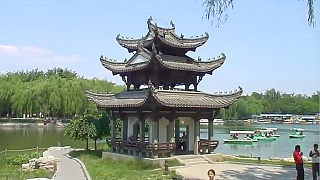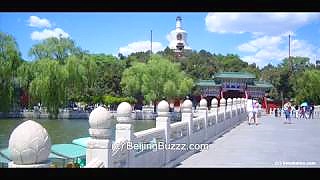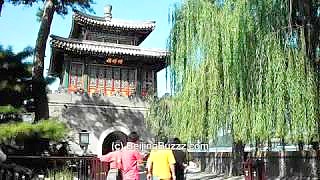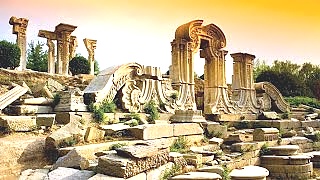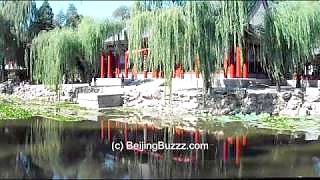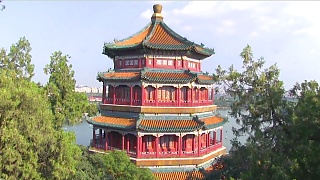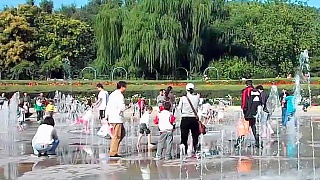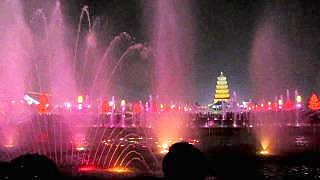
The main palace at the Summer Palace 颐和园, BeiJing

Including the Tower of Buddhist Incense and Cloud Dispelling Hall


[640],shadow=true,start=,stop=

Beijing, the capital city of China, is a vibrant metropolis steeped in history, culture, and modernity. Here's a brief overview of what you can expect as a tourist in Beijing:

Historical Landmarks:
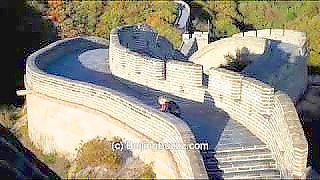
The Great Wall of China: One of the most iconic structures in the world, the Great Wall is easily accessible from Beijing. Mutianyu and Badaling sections are popular among tourists.

Forbidden City (Palace Museum): A UNESCO World Heritage Site, this vast imperial palace complex was home to Chinese emperors for over 500 years. It houses numerous halls, courtyards, and historical artifacts.

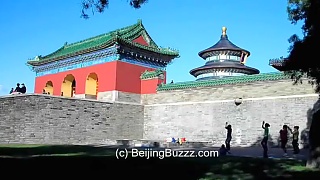
Temple of Heaven: A masterpiece of Chinese architecture, this ancient temple complex served as a place of worship for emperors to pray for good harvests.

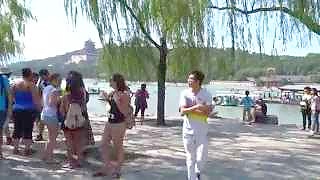
Summer Palace: A stunning ensemble of lakes, gardens, and palaces, the Summer Palace served as a retreat for emperors during the Qing dynasty.

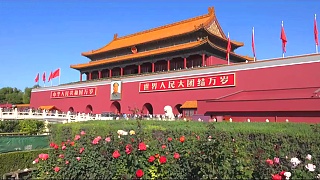
Tiananmen Square: One of the largest city squares in the world, Tiananmen Square is flanked by important landmarks such as the Monument to the People's Heroes, the Great Hall of the People, and the Mausoleum of Mao Zedong.

Cultural Sites:
Beijing Hutongs: Explore the narrow alleyways and traditional courtyard residences of Beijing's historic neighborhoods. You can take a rickshaw tour or simply wander around on foot.

Beijing Opera: Experience traditional Chinese opera performances at venues like the Liyuan Theater or the Chang'an Grand Theatre.

798 Art District: A hub of contemporary art and culture, this former industrial area is now home to numerous galleries, studios, and cafes.

Modern Attractions:
Olympic Park: Visit iconic structures such as the Bird's Nest (National Stadium) and the Water Cube (National Aquatics Center) from the 2008 Beijing Olympics.

CBD (Central Business District): Marvel at the futuristic skyline of Beijing's modern business district, which includes landmarks like the CCTV Headquarters and the China World Trade Center Tower III.

Culinary Delights:
Peking Duck: Indulge in Beijing's most famous dish, crispy roast duck served with pancakes, scallions, and hoisin sauce.

Street Food: Explore the city's vibrant street food scene and sample local delicacies like jianbing (savory crepes), lamb skewers, and dumplings.

Practical Tips:
Transportation: Beijing has an extensive public transportation system, including the subway, buses, and taxis. However, traffic can be heavy, so plan your travels accordingly.

Language: While English is not widely spoken, especially outside tourist areas, many signs and transportation announcements are in English. It's helpful to carry a translation app or a phrasebook.

Weather: Beijing experiences four distinct seasons, with hot summers and cold winters. The best times to visit are spring (April to June) and autumn (September to October) when the weather is mild and comfortable.

Etiquette: Respect local customs and traditions, such as removing your shoes before entering someone's home and using both hands to pass or receive items.

Beijing offers a rich tapestry of experiences for tourists, blending ancient heritage with modern innovations. Whether you're fascinated by history, culture, or culinary delights, there's something for everyone in this dynamic city.

Related Videos


Featured Videos

Inside the YuTong bus factory
With Walkabout Rojo ...
GuanDi Temple (Temple of Guan Yu), DaTong, ShanXi province
With Andy see the World ... Guandi Temple (关帝庙), commonly referred to as the Grand Temple, is dedicated to the worship of Guan Yu, a revered general from the Three Kingdoms period. Originally built during the Yuan Dynasty, the temple remarkably retains its original Yuan Dynasty hall, making it the only surviving Yuan Dynasty structure within the Datong Ancient City. The architectures in the scenic area include: Shanmen (Mountain Gate): The entrance to Guandi Temple is marked by the Shanmen, a three-bay wide structure with a suspended mountain-style roof. The gate is adorned with a couplet inscribed on it, reading “Loyalty to the Han dynasty in the three kingdoms, ambition in one book of Spring and Autumn,” which reflects the values and aspirations attributed to Guan Yu. Chongsheng Hall (Passing Hall): Inside the Chongsheng Hall, a majestic bronze statue of Guan Yu riding a horse dominates the space. Standing at 3.3 meters tall and weighing two tons, the statue exudes the heroic and commanding presence of Guan Yu as a military leader. Main Hall (Wusheng Hall): The Wusheng Hall is the central structure of the temple complex, notable for its single-eave nine-ridge roof covered with glittering glazed tiles. The interior of the hall features a three-bay shrine at the front, connected by two finely carved golden columns. The shrine includes intricate wooden niches designed in the style of ancient wooden structures, with detailed carvings and a double-eave hip-and-gable roof. The niches are adorned with decorative patterns, and the space is embellished with colored paintings and gold-plated elements, showcasing the exquisite craftsmanship of the Qing Dynasty. Jieyi Garden (Brotherhood Garden): Located in the west courtyard, Jieyi Garden houses the Jieyi Hall and the Wuhou Shrine. In spring, the garden comes alive with blossoming peach flowers, filling the air with a delightful fragrance. Guandi Temple (Temple of Guan Yu), Datong Guandi Temple, also known as the Temple of Guan Yu, is a historic and culturally significant site located in Datong, Shanxi province. Dedicated to Guan Yu, a legendary general from the Three Kingdoms period, the temple is a testament to his enduring legacy as a symbol of loyalty, righteousness, and bravery. Here’s a detailed guide to everything you need to know about this remarkable temple. History and Background The Guandi Temple in Datong dates back to the Yuan Dynasty (1271–1368), with subsequent renovations during the Ming (1368–1644) and Qing (1644–1912) dynasties. Guan Yu, the temple’s namesake, was a revered general during the Three Kingdoms period and later deified as a god of war and loyalty. The temple was built to honor his virtues and has since become a place of worship and cultural significance. Architecture and Layout The temple is a fine example of traditional Chinese temple architecture, featuring: Grand Hall (Main Hall): The central hall houses a large statue of Guan Yu, depicted in his iconic pose with a long beard and a guandao (a type of pole weapon). Stone Tablets: Inscriptions on stone tablets detail the history of the temple and the life of Guan Yu. Courtyards: The temple complex includes several courtyards, each with its own unique features, such as ancient trees and decorative carvings. Roof Decorations: The roofs are adorned with intricate glazed tiles and statues of mythical creatures, symbolizing protection and good fortune. Main Attractions Here’s a detailed look at the must-see spots within the Guandi Temple: 1. Statue of Guan Yu The centerpiece of the temple is the imposing statue of Guan Yu, which stands in the Grand Hall. The statue is crafted with meticulous detail, showcasing Guan Yu’s威严 (majestic presence) and his iconic weapon, the Green Dragon Crescent Blade. 2. Stone Tablets and Inscriptions Scattered throughout the temple, these tablets provide historical insights into Guan Yu’s life and the temple’s construction. Some inscriptions are written in ancient calligraphy, adding to the temple’s cultural value. 3. Ancient Trees The temple grounds are home to several ancient trees, some of which are hundreds of years old. These trees add to the serene and timeless atmosphere of the temple. 4. Decorative Carvings The temple features intricate wood and stone carvings, depicting scenes from Chinese mythology and Guan Yu’s legendary exploits. These carvings are a testament to the skill and artistry of ancient Chinese craftsmen. Cultural Significance Guandi Temple is not just a place of worship but also a cultural landmark that reflects the values of loyalty, righteousness, and bravery embodied by Guan Yu. Key cultural aspects include: Worship of Guan Yu: Guan Yu is worshipped as a god of war, loyalty, and righteousness, and is also considered a protector of businesses. Visitors often pray for success, protection, and good fortune. Festivals and Rituals: During important festivals, such as Guan Yu’s Birthday (24th day of the 6th lunar month), the temple hosts ceremonies and performances. These events attract devotees and tourists alike, creating a vibrant atmosphere. Symbolism: The temple’s architecture and artifacts are rich in symbolism, reflecting traditional Chinese beliefs and values. How to Get There Guandi Temple is located in the heart of Datong, making it easily accessible: By Public Transport: Take a local bus or taxi to the temple. It’s a short ride from Datong’s city center. By Car: If you’re driving, parking is available near the temple. Best Time to Visit Spring (April–June): Pleasant weather and blooming flowers make this an ideal time to visit. Autumn (September–October): Cool temperatures and clear skies provide perfect conditions for exploring. During Festivals: Visiting during Guan Yu’s Birthday or other festivals offers a unique cultural experience. Travel Tips Dress Modestly: As a place of worship, it’s respectful to dress modestly when visiting the temple. Respect Local Customs: Follow temple etiquette, such as not touching artifacts and maintaining a quiet demeanor. Hire a Guide: Consider hiring a local guide to gain deeper insights into the temple’s history and significance. Combine with Other Attractions: Datong is home to other famous sites like the Yungang Grottoes and Hanging Temple, so plan a combined itinerary. Why Visit Guandi Temple? Guandi Temple is a must-visit destination for: History Enthusiasts: Learn about Guan Yu’s legendary life and the temple’s rich history. Cultural Explorers: Experience traditional Chinese architecture, art, and religious practices. Spiritual Seekers: Pay homage to Guan Yu and seek blessings for loyalty, success, and protection. Whether you’re drawn by history, culture, or spirituality, Guandi Temple in Datong offers a fascinating and enriching experience.
The beautiful Bund waterfront, ShangHai 上海
On the HuangPu River, facing PuDong, at the heart of ShangHai ...
An introduction to GuiZhou province
With MeetWorld ... GuiZhou Province visitor guide Overview GuiZhou Province, located in the southwestern part of China, is known for its stunning karst landscapes, rich ethnic diversity, and vibrant cultural heritage. The province is a treasure trove of natural beauty and cultural experiences, offering visitors a chance to explore everything from ancient villages to breathtaking mountains and rivers. Natural Attractions HuangGuoShu Waterfall Location: Anshun City. Highlights: One of the largest waterfalls in China, HuangGuoShu Waterfall is a spectacular sight with its powerful cascades and scenic surroundings. Visitors can explore the waterfall from various viewpoints and even walk behind it for a unique perspective. Fanjing Mountain Location: Tongren City. Highlights: A UNESCO World Heritage Site, Fanjing Mountain is renowned for its unique rock formations, diverse flora and fauna, and spiritual significance. The Red Cloud Golden Summit and the Mushroom Stone are must-see landmarks. Libo Karst Forest Location: Libo County. Highlights: Part of the South China Karst UNESCO World Heritage Site, the Libo Karst Forest features stunning karst landscapes, lush forests, and crystal-clear rivers. The area is ideal for hiking and exploring unique geological formations. Ethnic Villages and Cultural Experiences Xijiang Qianhu Miao Village Location: Leishan County. Highlights: The largest Miao village in China, Xijiang Qianhu Miao Village offers a deep dive into Miao culture with traditional stilt houses, vibrant festivals, and daily folk performances. It's a perfect place to experience Miao customs and hospitality. Langde Miao Village Location: Leishan County. Highlights: Known for its well-preserved wooden houses and rich cultural heritage, Langde Miao Village offers visitors a chance to witness traditional Miao crafts, such as embroidery and silverwork, and participate in cultural activities. Zhaoxing Dong Village Location: Liping County. Highlights: One of the largest Dong villages in China, Zhaoxing Dong Village is famous for its Drum Towers, Wind and Rain Bridges, and traditional wooden architecture. The village is known for its Dong singing and dance performances. Outdoor Activities Hiking and Trekking GuiZhou offers numerous trails for hiking and trekking enthusiasts. From the karst landscapes of Libo to the sacred peaks of Fanjing Mountain, there are trails suitable for all levels of hikers. Rafting and Boating The rivers and lakes of GuiZhou provide excellent opportunities for rafting and boating. The Wujiang River and the Dragon King Cave area are popular spots for water-based activities. Local Cuisine GuiZhou cuisine is known for its bold and spicy flavors, often incorporating sour and fermented ingredients. Some must-try dishes include: **Sour Fish Soup**: A tangy and spicy fish soup that is a local favorite. **Guizhou-style Hot Pot**: Featuring a variety of meats and vegetables cooked in a spicy broth. **Miao Sour Soup Fish**: A traditional Miao dish with a unique sour flavor. **Sticky Rice Cakes**: A popular snack made from glutinous rice and various fillings. Accommodation GuiZhou offers a wide range of accommodation options, from luxury hotels in major cities like Guiyang to traditional guesthouses in ethnic villages. Staying in a local guesthouse provides a more authentic experience and a chance to interact with the local people. Travel Tips Best Time to Visit: The best time to visit GuiZhou is during the spring (March to May) and autumn (September to November) when the weather is mild and pleasant. Getting There: GuiZhou is accessible by air, with Guiyang Longdongbao International Airport serving as the main gateway. The province is also well-connected by train and bus. Respect Local Customs: When visiting ethnic villages, be respectful of local customs and traditions. Always ask for permission before taking photos of people. Pack Accordingly: Bring comfortable walking shoes, a light jacket for cooler evenings, and rain gear if visiting during the rainy season.
Chinese cooking with Chilies
With LongMeiMei in GuiZhou ... Bonus film - veggie feast with all the vegetables in the yard ...
Beautiful GuangZhou 广州 in timelapse
Night walk in TianHe district, GuangZhou, GuangDong province
With Walk East ... Bonus film - ShangHai North Bund night walk ...
The BRI : the new Silk Road : the China – Russia corridor
Planning war on China – part 23 – Angelo and Brian – 2021 to 2022 – don’t miss it
Geo-politics - 2021 review, and what might be in 2022. With The New Atlas - Angelo Giuliano and Brian Berletic ... Anything one hears on MSM, or social media, is probably BS. Real freedom is when there is a pause between propaganda and reaction - when one stops to first think (am I being duped?) ... Keep being real and sane is this crazy world. The world is full of richness. But insanely imbalanced in distribution. That's the reality, so long as the many are duped into believing that that is how it should be ! Into 2022, cherish what you have and love all around you. Always be above division and manipulation. In China, the people are family. In the West, the people are livestock. While China acts to build a better world, the West only strives to try to preserve its dominance. Sad, but true. Bonus film - with Pascal Coppens ...

Tag search ?