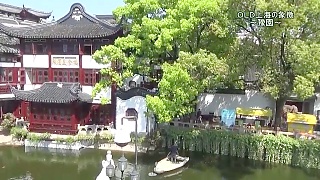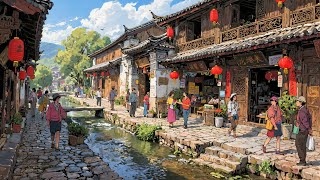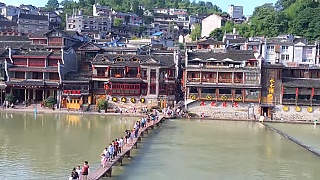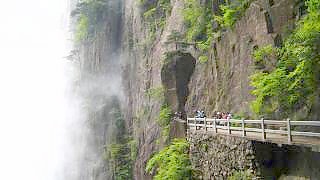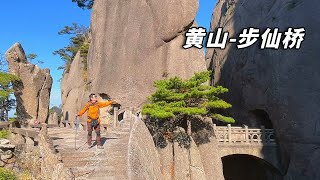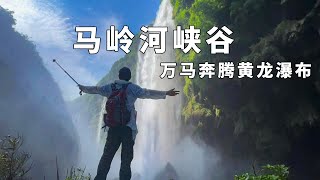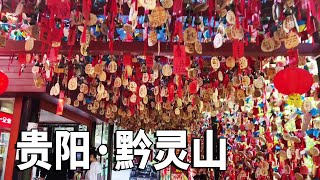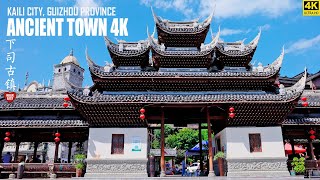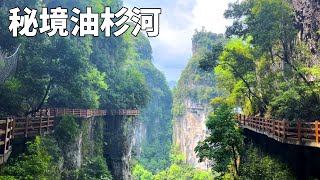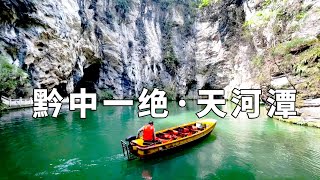
The hand of the Earth, GuiZhou

[640],shadow=true,start=,stop=
[320],shadow=true,start=,stop=
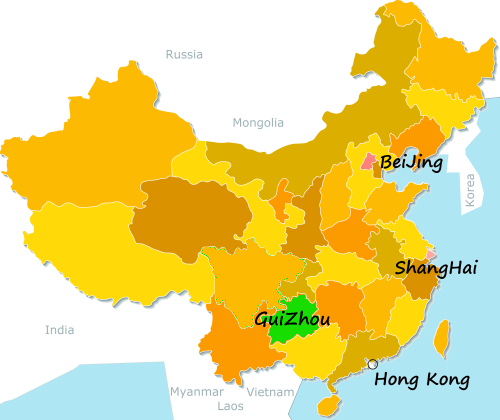
GuiZhou map

Related Videos


Featured Videos

The awesome and beautiful JianKou wild Great Wall of China, BeiJing, by drone – Don’t Miss It
With Heretic1988 ... On the ongoing restoration efforts ... We do not recommend trying to hike here, because of the significant dangers involved, but enjoy the beautiful aerial film, and here's some information about the location. From the filmmaker : "Aerial photography of JianKou Great Wall, West Line-East Line (from Jiuyan Building in the west to Zhenbei Building in the east) is a complete record of all important nodes. It was like witnessing a miracle for the first time. The slender white lines of the white boulders whispered silently on the top of the towering peak, looking up at the huge city wall in front of them, and overlooking the steep curve that leaped up the ridge and spread endlessly, and the wind blew through the masonry. Passing through the gate of the enemy building, a piece of history pushes the dust under your feet to the legend of the ghostly craftsmanship on the mountain at the end of the line of sight, staggering forward, unable to tolerate half a moment of hesitation, faith is as strong as a rock, and it grows wildly between the cliffs, using humble courage to tighten Every stone crevice climbed cautiously, listening to a soul-stirring long song with a startled mind." Visitor Guide to JianKou Wild Great Wall of China, BeiJing Getting There Location: JianKou is a section of the Great Wall of China located in the Huairou District, about 73 kilometers north of BeiJing. By Public Transport: Take bus 916 or 936 from Dongzhimen Bus Station in BeiJing to Huairou, then transfer to a local minibus or hire a private car to Xizhazi Village, the starting point for hiking JianKou. By Car: If you prefer to drive, you can rent a car or hire a private car service from BeiJing. The drive takes about 2 hours. Hiking and Safety Tips Difficulty: The JianKou section is known for its steep and rugged terrain, making it suitable for experienced hikers. It is not recommended for beginners or those afraid of heights. Safety Gear: Wear sturdy hiking boots, and consider bringing gloves for climbing steep sections. A hiking stick can also be helpful. Weather: Check the weather forecast before your trip. Avoid hiking during rainy or snowy conditions, as the wall can become slippery and dangerous. Guides: Hiring a local guide is recommended for first-time visitors. Guides can provide valuable information about the trail and ensure your safety. Emergency Supplies: Carry plenty of water, snacks, a first-aid kit, and a fully charged mobile phone. There are no facilities along the trail. Main Attractions Notable Sections and Towers The "Zhengbeilou" Watchtower: One of the highest points on the JianKou section, offering panoramic views of the Great Wall snaking through the mountains. This is a popular spot for photography. The "Ox Horn Edge" (Niujiaobian): A dramatic and steep section of the wall that looks like the shape of an ox horn. It is challenging to climb but rewards hikers with spectacular views. The "Sky Stairs" (Tianti): A nearly vertical section of steps that test the courage and stamina of hikers. This is one of the most thrilling parts of the JianKou hike. Natural Scenery Mountain Views: The JianKou section offers stunning views of lush mountains and valleys, especially during spring and autumn when the foliage is at its most vibrant. Wildflowers: In spring, the hillsides are covered with wildflowers, adding a burst of color to the rugged landscape. Photography: JianKou is a favorite spot for photographers due to its dramatic scenery and the wild, unrestored state of the wall. Sunrise and sunset are particularly beautiful times for capturing photos. Nearby Attractions Mutianyu Great Wall: Located close to JianKou, the Mutianyu section is more restored and accessible, making it a good option for those who want a less strenuous hike. Beijing Huairou Scenic Area: Explore the scenic beauty of Huairou District, including rivers, mountains, and other historical sites. Dining and Accommodation While there are no dining facilities on the JianKou Great Wall itself, nearby villages and towns offer a variety of options: Local Restaurants: Enjoy traditional Chinese meals in local restaurants in Xizhazi Village and Huairou town. Dishes often feature fresh, locally sourced ingredients. Farm Stays: Experience rural life by staying in a local farmhouse. Many farm stays offer home-cooked meals and comfortable accommodations. Guesthouses: There are several guesthouses in the area, providing basic but comfortable lodging. Book in advance, especially during peak hiking seasons. Tips for Visitors Best Time to Visit: The best times to hike JianKou are spring (April to June) and autumn (September to November) when the weather is mild and the scenery is at its best. Permits and Restrictions: Check for any necessary permits or restrictions before your visit. Some areas of the wall may be closed for conservation or safety reasons. Leave No Trace: Help preserve the natural beauty and historical significance of JianKou by carrying out all your trash and minimizing your impact on the environment. Conclusion The JianKou Wild Great Wall of China offers an unforgettable hiking experience with its breathtaking scenery, challenging trails, and rich history. Whether you're an avid hiker or a history enthusiast, JianKou provides a unique and rewarding adventure in BeiJing. Plan your visit carefully, respect the natural and historical sites, and enjoy the beauty of this wild and stunning section of the Great Wall.
QuanZhou, FuJian province
With Valeriy Blank ...
Song medley from the BTV Net Spring Festival Evening, BeiJing 北京
北京卫视网络春晚-雨花石+我的祖国+映山红- Beijing TV Net Spring Festival Evening, 2011. Bonus songs, from the Voice of China TV show ...
The beautiful LaoJunShan 老君山 mountain and temple, HeNan province
A Taoist mountain near LuoYang. Includes a large statue of LaoZi, author of the Dao De Jing. Not to be confused with LaoJunShan in YunNan.
Winter wonderland fun trip near Harbin 哈尔滨
HeiLongJiang province. 聖誕節哈爾濱滑雪 Christmas ski trip; December 2016. With a great song ...
Jason in GuiYang, capital city of GuiZhou province
With Living in China ... Welcome to GuiYang City Introduction History Top Attractions Nearby Attractions Local Cuisine Visitor Tips Introduction GuiYang is the capital city of GuiZhou Province, located in the southwestern part of China. Known for its lush green landscapes, vibrant ethnic culture, and pleasant climate, GuiYang offers a unique blend of natural beauty and modern city life. The city is a gateway to exploring the diverse cultural and natural attractions of GuiZhou Province. History GuiYang has a rich history dating back to the Yuan Dynasty (1271-1368). Originally a military outpost, the city gradually developed into a cultural and economic hub. Throughout its history, GuiYang has been influenced by various ethnic groups, which is reflected in the city’s diverse culture and traditions. Today, GuiYang is a modern city that still retains much of its historical charm. Top Attractions Qianling Park Qianling Park is one of the most famous parks in GuiYang. It features lush greenery, a serene lake, and Qianling Mountain. The park is also home to Qianling Temple, an ancient Buddhist temple, and the Hongfu Temple, which is perched atop the mountain, offering stunning views of the city. Jiaxiu Pavilion Jiaxiu Pavilion is a historic landmark located on the Nanming River. Built during the Ming Dynasty, the pavilion is known for its elegant architecture and picturesque surroundings. It has become a symbol of GuiYang and is a popular spot for both locals and tourists. Qingyan Ancient Town Qingyan Ancient Town, located just outside of GuiYang, is a well-preserved ancient town that dates back to the Ming Dynasty. The town features traditional stone architecture, narrow streets, and historic sites such as temples, pavilions, and former residences of notable figures. GuiYang Forest Park GuiYang Forest Park is a large urban park that offers a peaceful retreat from the hustle and bustle of city life. The park is known for its dense forests, walking trails, and beautiful ponds. It’s a great place for nature lovers to relax and enjoy outdoor activities. Hebin Park Hebin Park is another popular park in GuiYang, located along the Nanming River. The park is beautifully landscaped and features a variety of gardens, pavilions, and water features. It’s an ideal spot for a leisurely stroll or a family picnic. Renmin Plaza Renmin Plaza is the central square of GuiYang and serves as a focal point for cultural and social activities in the city. The plaza is surrounded by important landmarks, government buildings, and shopping centers, making it a lively and vibrant part of the city. Nearby Attractions Huangguoshu Waterfall Huangguoshu Waterfall, located about 130 kilometers from GuiYang, is one of China’s largest and most famous waterfalls. The waterfall is a spectacular sight, surrounded by lush forests and offering various viewing platforms. It’s a must-visit for nature enthusiasts. Xijiang Qianhu Miao Village Xijiang Qianhu Miao Village is the largest Miao ethnic village in China, located around 200 kilometers from GuiYang. The village is known for its traditional wooden houses, vibrant Miao culture, and stunning terraced fields. Visitors can experience the unique customs, dances, and festivals of the Miao people. Dragon Palace Cave Dragon Palace Cave, located in Anshun city about 120 kilometers from GuiYang, is a magnificent karst cave system. The cave is famous for its underground rivers, waterfalls, and stunning stalactites. Boat tours are available to explore the cave's fascinating formations. Red Maple Lake Red Maple Lake, located about 40 kilometers from GuiYang, is a beautiful scenic spot known for its clear waters, red maple trees, and numerous islands. It’s a perfect destination for boating, fishing, and enjoying the serene natural environment. Local Cuisine GuiYang is famous for its spicy and flavorful cuisine, which is influenced by the region's diverse ethnic groups. A must-try dish is Sour Fish Soup, a local specialty made with fresh fish, chili peppers, and pickled vegetables. Another popular dish is LaZi Ji, a spicy chicken dish. Street food is also abundant in GuiYang, with vendors offering snacks like rice tofu, sticky rice, and barbecued meats. Visitor Tips Best Time to Visit: GuiYang has a mild climate, making it a great destination year-round. However, the best time to visit is during spring and autumn when the weather is pleasant and the natural scenery is at its best. Getting There: GuiYang is well-connected by air, with GuiYang Longdongbao International Airport serving the city. The city is also accessible by high-speed train from major cities like ChengDu and KunMing. Language: Mandarin is the primary language spoken in GuiYang. While English is not widely spoken, you can find some English signs in tourist areas. It’s helpful to learn a few basic Mandarin phrases. Etiquette: When visiting cultural or religious sites, dress modestly and be respectful of local customs and practices.
LanZhou, provincial capital of GanSu
With Seiu Travel ... Lanzhou, this ancient city, quietly watches the flow of the Yellow River and the passage of time. The first bridge over the Yellow River, Zhongshan Bridge, spans the Yellow River, connecting the past and the future. Traditional sheepskin rafts are still drifting in the Yellow River, inheriting ancient folk skills. The magical Danxia landform, red rock formations and peculiar mountain shapes bring unparalleled natural wonders. As night falls, Lanzhou's night market is bustling, and all kinds of street snacks are mouth-watering. Lanzhou, with a history of more than 2,000 years, shows its unique charm and vitality. 💡 Overview of Lanzhou City Lanzhou City, also known as Jincheng, is the capital city of Gansu Province, China. The total area of ​​the city is 13,085.6 square kilometers, and as of the end of 2023, the permanent population is 4.4251 million. The city flower is rose. ✨ Introduction to the main locations ✨ 🌹 Zhongshan Bridge Lanzhou Yellow River Iron Bridge, also known as Zhongshan Bridge, is one of the must-see attractions for tourists visiting Lanzhou. 🌹 Lanzhou Ink Danxia Tourist Scenic Area Lanzhou Ink Danxia Tourist Scenic Area is about an hour's drive from Lanzhou City. The scenic area is very large and has very beautiful Danxia landforms. 🌹 Baita Mountain Park Baita Mountain Park is located in the center of the Yellow River Scenic Line and is built on the mountain. Climbing the mountain and looking far away, you can overlook the waterway scenery of Lanzhou.
QuanZhou city, FuJian province
With Seiu Travel ...
A walk through ZhuJiaJiao 朱家角 water town
ZhūJiāJiǎo is an ancient water town now situated in the outskirt of ShangHai municipality. The town has 36 beautiful bridges dating from the Ming and Qing dynasties.

Tag search ?